

Did you know over 2 million PET scans are done every year in the U.S.? PET scans are key in modern medicine. They help doctors find and treat many health issues.
Getting a PET scan can be scary, and worries about side effects are normal. A PET scan uses a tiny bit of radioactive tracer to see inside the body. Even though it’s mostly safe, some people might react badly to thecontrast agent used.
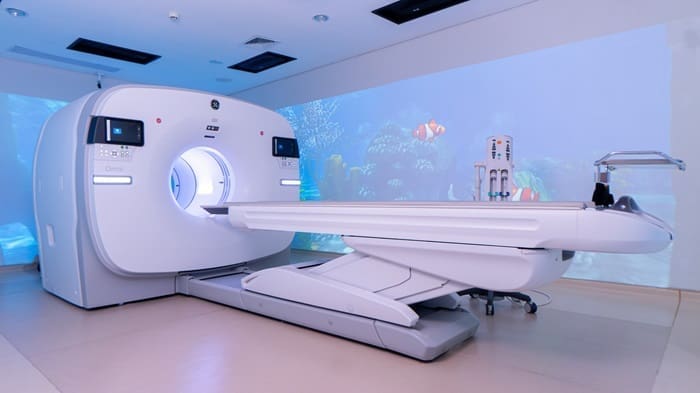
Key Takeaways
- PET scans are a vital diagnostic tool for detecting various medical conditions.
- Understanding possible side effects can ease patient worries.
- The contrast agent in PET scans can cause problems for some.
- Not every patient will have side effects from PET scans.
- Doctors take steps to lower the chance of side effects.
What Are PET Scans and Their Medical Purpose
PET scans are a high-tech way to see inside the body. They help us find and track many health problems. This way, we can better understand and treat these issues.
Definition and Basic Principles of Positron Emission Tomography
PET scans use a special sugar molecule to find diseases. They inject this sugar into the body. Then, a machine picks up signals from this sugar to show what’s inside the body.
Cells that are very active, like cancer cells, take up more of this sugar. This helps PET scans spot these cells. It’s how they help find and track diseases.
Common Medical Uses and Diagnostic Benefits
PET scans help find and track many cancers and heart problems. They are great for:
- Finding diseases early
- Knowing how far a cancer has spread
- Seeing how well treatments are working
- Finding heart issues and checking how well the heart works
Here’s a quick look at what PET scans are used for:
| Medical Condition | PET Scan Application |
| Cancer (e.g., lung cancer, prostate cancer) | Diagnosis, staging, monitoring treatment response |
| Heart Disease | Assessing heart function, detecting blockages |
| Neurological Diseases | Diagnosing and monitoring conditions like Alzheimer’s disease |
A doctor said, “PET scans have changed how we fight cancer and other diseases. They give us key info for treatment plans.”
“The use of PET scans has significantly improved patient outcomes by enabling early detection and precise monitoring of various medical conditions.”
” A Oncologist
We use PET scans to give our patients the best care. They help us find and treat diseases well, improving their health and happiness.
The Science Behind PET Imaging Technology
PET scans use radioactive tracers to show how the body works. This advanced imaging method uses positron emission to create detailed images of the body’s inside.
How Radioactive Tracers Work in the Body
Radioactive tracers are substances that give off positrons, the opposite of electrons. When a positron meets an electron, they destroy each other, making gamma rays. These rays are caught by the PET scanner.
The most used tracer is Fluorodeoxyglucose (FDG), a special glucose molecule. Cancer cells eat more glucose than normal cells. So, they take in more FDG, making them show up on PET scans.
The Detection Process and Image Creation
The PET scanner catches the gamma rays from the tracer. It then makes detailed images of the body’s inside. These images are made by complex algorithms that turn the data into cross-sectional views.
These images show how active the body’s tissues are. They help doctors diagnose and keep track of many conditions, like cancer and neurological disorders.
Knowing how PET imaging works can ease worries about radioactive tracer side effects and PET scan radiation exposure. While PET scans do involve some radiation, their benefits often outweigh the risks. This is true for patients who need accurate and detailed images.
The Complete PET Scan Procedure: Step by Step
To have a smooth PET scan, knowing the whole process is key. We’ll walk you through from start to finish, including before and after the scan.
Pre-Scan Preparation Requirements
Getting ready for a PET scan, like for cancer, is very important. You’ll need to fast for 4-6 hours before. This helps your body be ready for the scan. You might also need to skip some medicines or foods that could mess up the scan’s results.
- Avoid eating or drinking anything except water for 4-6 hours before the scan.
- Tell your doctor about any medicines you’re taking.
- Wear comfy, loose clothes and no jewelry or metal.
During the Scan: What Actually Happens
During the scan, you’ll get a special dye that lights up areas of concern in your body. You’ll wait about an hour for it to spread. Then, you’ll lie on a table that slides into a scanner. It makes detailed pictures of your body’s inside.
The scan itself is painless and can take 30 minutes to hours, depending on the type.
Immediate Post-Scan Protocol
Right after the scan, there are important steps to take. Drink lots of water to get rid of the dye. Also, stay away from pregnant women and young kids for a few hours as a safety measure.
- Drink lots of water to get rid of the dye.
- Don’t do too much for the rest of the day.
- Follow any extra advice from your healthcare team.
By knowing and following these steps, you can make your PET scan as easy and worry-free as possible. If you have any worries or questions, always talk to your healthcare provider.
Common PET Scan Side Effects: What to Expect
PET scans are a key tool for doctors, but they can cause reactions. We’ll cover the common side effects. This will help you get ready and know what to expect.
Immediate Reactions During and After the Procedure
Some people might feel immediate effects during or right after the PET scan. These can include:
- Nausea or dizziness from the radioactive tracer
- Fatigue or feeling very tired
- Reactions at the injection site, like redness or swelling
- Headache or discomfort
Table 1: Common Immediate Reactions
| Reaction | Frequency | Severity |
| Nausea | Common | Mild to Moderate |
| Fatigue | Very Common | Mild |
| Injection Site Reaction | Common | Mild |
Delayed Reactions Hours After the Scan
Some side effects might not show up right away. They can happen hours later. These delayed reactions can include:
- Continued fatigue
- Mild headache
- Dizziness or lightheadedness
It’s important to stay hydrated and rest if you’re feeling any of these symptoms.
Knowing about these side effects can help you prepare for your PET scan. It also helps you manage any discomfort. If you have severe or worrying symptoms, reach out to your healthcare provider for advice.
Why You Might Feel Sick After a PET Scan: Underlying Causes
Feeling sick after a PET scan can be worrying. But knowing why it happens can help ease your concerns. We’ll look at the reasons for post-PET scan discomfort and how to deal with them.
Physiological Responses to Radioactive Tracers
PET scans use radioactive tracers. These are mostly safe, but some people might react to them. Common reactions include:
- Mild nausea or dizziness
- Headaches
- Fatigue
These reactions usually don’t last long and go away by themselves. Knowing they can happen helps prepare you for the scan.
Blood Sugar and Metabolic Fluctuations
Some PET scans, like those with fluorodeoxyglucose (FDG), require fasting or a special diet. This can affect blood sugar levels, causing discomfort or dizziness. It’s important to follow the diet instructions carefully to avoid these issues.
The tracer can also change how you feel temporarily. But this is usually not a cause for worry.
Psychological Factors: Anxiety and Claustrophobia
Anxiety and claustrophobia can make you feel worse during and after a PET scan. The scanner’s enclosed space can trigger claustrophobia in some. Talk to your healthcare provider about these concerns before the scan. They can help find ways to manage them.
Worrying about the scan results or the procedure itself can also increase stress. Being well-informed and supported can help reduce these feelings.
In summary, feeling sick after a PET scan is often due to known and manageable reasons. Understanding these can help you prepare better for the PET scan experience.
PET Scan Side Effects: Normal vs. Concerning Symptoms
It’s important to know the difference between normal and concerning symptoms after a PET scan. PET scans are useful for diagnosing, but they can cause side effects. We’ll help you understand what to expect and when to worry.
Expected and Manageable Reactions
Most people have no problems with PET scans. But, some might feel a bit uncomfortable. Common issues include:
- Mild discomfort or pain at the injection site
- Fatigue or feeling tired
- Nausea or headache, though these are rare
These symptoms usually go away quickly. Drinking water and resting well can help you feel better.
Warning Signs That Require Medical Attention
While most side effects are okay, some need medical help. Severe reactions or symptoms that last too long are serious. Watch for:
- Severe allergic reactions, such as difficulty breathing, rapid heartbeat, or a drop in blood pressure
- Increasing pain or swelling at the injection site
- Prolonged or severe nausea and vomiting
- Dizziness or fainting
If you notice any of these, get medical help right away. We know PET scans can be stressful. Knowing what to watch for can make you feel more prepared.
Understanding what to expect and when to seek help can make the PET scan process easier. Our aim is to give you the best care and support during your diagnostic journey.
Different Types of PET Scans and Their Specific Side Effects
PET scans help diagnose and monitor various health issues. This includes neurological disorders, cardiac conditions, and cancer. Each PET scan type has its own side effects and considerations.
Brain PET Scans: Unique Considerations
Brain PET scans help diagnose conditions like Alzheimer’s and Parkinson’s. They use a radioactive tracer to show brain activity. This helps doctors understand brain function.
Some people might feel anxious or uncomfortable during the scan. Talking to your doctor about claustrophobia or concerns is important before the scan.
Cardiac PET Scans and Possible Reactions
Cardiac PET scans check heart function and find heart disease. They show where blood flow is lacking in the heart.
People getting these scans might feel tired or dizzy. Following pre-scan instructions carefully can help avoid these reactions.
| Type of PET Scan | Common Use | Potential Side Effects |
| Brain PET Scan | Neurological disorders | Anxiety, claustrophobia |
| Cardiac PET Scan | Heart disease diagnosis | Fatigue, dizziness from stress test |
| Whole-Body PET Scan | Cancer detection and staging | Reaction to tracer, fatigue |
| PSMA PET Scan | Prostate cancer detection | Minimal, generally well-tolerated |
Whole-Body PET Scans for Cancer Detection
Whole-body PET scans find and track cancer. They use a tracer that shows up in cancer cells. This makes cancer visible during the scan.
Side effects include reactions to the tracer and feeling tired. Drinking water and following post-scan advice can reduce these effects.
PSMA PET Scans for Prostate Cancer
PSMA PET scans find prostate cancer that has come back or spread. They use a special tracer that sticks to prostate cancer cells.
These scans are usually safe, with few side effects. They are very useful for men with prostate cancer because they target cancer cells precisely.
PET-CT Combination Scans: Additional Considerations
PET and CT scans together have changed nuclear medicine. This mix gives us detailed views of the body’s inner workings. It combines PET’s metabolic insights with CT’s anatomical details.
Differences from Standard PET Scans
PET-CT scans are different because they show both how tissues work and their structure. Standard PET scans just look at metabolic activity. PET-CT scans add where these activities happen, making diagnosis and treatment planning better.
Role of Contrast Agents in CT Scans
CT scans use contrast agents to make some tissues stand out. These agents are usually iodine-based or barium sulfate. While safe for most, they can cause side effects like nausea or allergic reactions in some. We need to think about these risks when looking at PET-CT scans’ safety.
“The use of contrast agents in CT scans can introduce additional side effects, which must be carefully managed to ensure patient safety.”
Expert Opinion
Cumulative Effects of Dual Imaging
Using PET and CT together raises concerns about radiation and contrast agent effects. Research shows PET-CT scans are often worth the risks for serious conditions. But, we must consider each patient’s situation carefully.
| Imaging Modality | Primary Information | Use of Contrast Agents |
| PET Scan | Functional/Metabolic | No |
| CT Scan | Anatomical | Yes (often) |
| PET-CT Combination | Both Functional and Anatomical | Yes (for CT component) |
In summary, PET-CT scans are very helpful but come with extra considerations. We must understand these to care for our patients better and use this tool wisely.
Radiation Exposure from PET Scans: Facts and Concerns
PET scans are very useful for doctors to diagnose diseases. But, they also raise worries about radiation exposure for patients and doctors. It’s important to know how much radiation PET scans give off and the risks involved.
Understanding Radiation Doses in Medical Imaging
The radiation from medical tests like PET scans is measured in millisieverts (mSv). The dose from a PET scan can vary. It usually ranges from 4 to 14 mSv for a typical F-FDG PET scan. This is less than the average yearly background radiation of 3 mSv.
Comparing PET Scan Radiation to Other Sources
It’s useful to compare PET scan radiation to other sources. For example, a chest CT scan gives about 7 mSv. Flying across the country exposes you to about 0.1 mSv of cosmic radiation. This helps patients understand the amount of radiation from PET scans.
PET scans do involve radiation, but they are often necessary for serious health issues. It’s important to only do PET scans when they are really needed. This helps keep the radiation dose low.
Long-term Safety Considerations
The long-term effects of PET scan radiation are a concern. There’s a risk of radiation-induced harm, like cancer. But, the benefits of PET scans usually outweigh these risks for serious health conditions. We keep studying these risks to ensure safe care.
In summary, PET scans do involve radiation, but knowing the dose and comparing it to other sources helps. We focus on making sure the benefits of PET scans are worth the risks to our patients.
Managing and Minimizing Post-PET Scan Discomfort
Feeling unwell after a PET scan can be worrying. But, there are steps to help you feel better. We’ll guide you on managing post-PET scan discomfort for a smooth recovery.
Hydration Strategies for Faster Recovery
Staying hydrated is key to recovering from a PET scan. Drinking plenty of water helps flush out the tracer. Here’s what we suggest:
- Drink at least 8-10 glasses of water in 24 hours after your scan.
- Avoid caffeinated and sugary drinks, as they can dehydrate you.
- If you have diarrhea or vomiting, drink more fluids.
Rest and Activity Recommendations
Rest is essential after a PET scan. While staying hydrated and active is good, avoid strenuous activities for 24 hours. Here are some tips:
- Take it easy and avoid heavy lifting or bending.
- Do light activities like short walks if you’re feeling up to it.
- Rest when you need to.
When Medications May Help with Symptoms
In some cases, medications can help with side effects. For example, if you have diarrhea after a PET scan, an anti-diarrheal might be suggested. But, always talk to your healthcare provider before taking any medication. They can give advice that fits your situation.
By following these tips, you can reduce discomfort and help your body recover after a PET scan. If side effects last or are severe, contact your healthcare provider for advice.
Special Patient Populations and PET Scan Concerns
Special patient groups, like pregnant women and those with allergies, need special care with PET scans. We know that PET scans can be affected by different patient factors. It’s important to handle these concerns to give the best care possible.
Pregnant and Breastfeeding Women
Pregnant women need careful thought before getting a PET scan. The radioactive tracer in PET scans can harm the fetus. Doctors must weigh the scan’s benefits against the risks to the fetus.
For breastfeeding moms, there’s worry about the tracer getting into the baby’s milk. They’re usually told to stop breastfeeding for a while after the scan to protect the baby.
Key Considerations for Pregnant and Breastfeeding Women:
- Careful assessment of the necessity of the PET scan
- Use of the minimum effective dose of radioactive tracer
- Temporary suspension of breastfeeding post-scan
Diabetic Patients: Special Considerations
Diabetic patients need special care with PET scans, mainly if they take insulin or oral hypoglycemic agents. Diabetes can change how the tracer works, affecting the scan’s accuracy.
It’s key for diabetic patients to tell their doctor about their diabetes care before the scan. This might mean changing their treatment to make the scan work better and safer.
| Diabetes Management Aspect | Consideration for PET Scan |
| Blood Glucose Levels | Monitoring and adjustment to optimize scan accuracy |
| Medication Timing | Potential adjustment of insulin or oral hypoglycemic agents |
| Dietary Preparations | Fasting or specific dietary instructions pre-scan |
Patients with Allergies or Previous Reactions
Patients with allergies or past reactions to contrast agents or tracers need careful review before a PET scan. They might need premedication or choose a different imaging method.
It’s vital for patients to share any allergy history with their doctor. This helps the medical team take steps to avoid any bad reactions.
By focusing on the unique needs of special patient groups, we can make PET scans safer and more effective. This way, we get important diagnostic info while keeping risks low.
Balancing Diagnostic Benefits with PET Scan Risks
Choosing to have a PET scan is a big decision. It’s about weighing the good it can do against the possible downsides. Understanding how PET scans help manage diseases is key. But, we must also know their limits.
The Value of PET Imaging in Disease Management
PET scans are a vital part of today’s medicine. They give us a deep look into how our bodies work. The diagnostic benefits of PET scans shine in cancer care. They help spot cancer, see how far it’s spread, and check if treatments are working.
They’re also great for other diseases like those affecting the brain and heart. PET scans show how well the brain is working and where blood flow to the heart might be low. This helps doctors find better ways to help patients.
Making Informed Decisions About Medical Imaging
Even with all the good PET scans do, we must think about the risks. Patients need to know about possible reactions to the tracer and other risks. Knowing this helps patients make smart choices about their health.
Doctors are key in this process. They talk to patients about the good and bad of PET scans. This way, patients feel sure about their choices. It’s about finding the right balance for each person.
The aim is to use PET scans to better manage diseases without too many risks. This way, we can improve care and results. It’s about making choices that use medical imaging wisely.
Conclusion: Navigating PET Scan Side Effects with Confidence
Knowing about PET scan side effects is key for those going through this test. We’ve looked at PET scans, their purpose, and the side effects. This knowledge helps patients feel more confident during their tests.
Handling PET scan side effects well needs a full plan. We talked about staying hydrated, resting, and being active to lessen discomfort. Also, knowing the different PET scans and their side effects helps prepare for the test.
By weighing the good of PET scans against the risks, patients can make smart choices. We aim to provide top-notch healthcare and support for patients from around the world. With the right information and care, patients can face PET scans with confidence, knowing what to expect and how to handle any side effects.
FAQ
What is a PET scan, and how does it work?
A PET (Positron Emission Tomography) scan is a test that shows how the body works. It uses a special tracer that is injected into the body. This tracer is then picked up by cells.
What are the common side effects of a PET scan?
After a PET scan, you might feel tired, nauseous, or uncomfortable where the injection was given. Some people might get anxious or feel trapped during the scan. But most of these effects are mild and go away soon after.
Are PET scans safe, and what are the risks?
PET scans are usually safe when done right. But, there are risks like getting too much radiation, allergic reactions, and feeling claustrophobic. We try to keep these risks low by using the least amount of radioactive material needed. We also monitor for any adverse reactions during the scan.
How can I prepare for a PET scan to minimize side effects?
To get ready for a PET scan, follow what your healthcare team tells you. This might mean not eating for a while, not exercising too much, and managing your medicines. Drinking water and resting before the scan can also help.
What should I do if I experience side effects after a PET scan?
If you feel sick, tired, or uncomfortable after a PET scan, try resting and drinking water. If these feelings don’t go away or get worse, talk to your healthcare provider. For serious reactions, get help right away.
Can I undergo a PET scan if I’m pregnant or breastfeeding?
Pregnancy and breastfeeding are special cases for PET scans. We tell pregnant women to avoid PET scans if possible because of radiation risks. Breastfeeding women might need to stop for a while after a scan. Talk to your healthcare provider about what’s best for you.
How does a PET-CT combination scan differ from a standard PET scan?
A PET-CT scan does both a PET and a CT scan together. This gives you metabolic info from the PET and detailed body pictures from the CT. The PET uses a tracer, but the CT might use a contrast agent, which can cause more side effects.
What are the benefits of PET scans in disease management?
PET scans are very helpful in managing diseases, like in cancer, heart, and brain health. They show how tissues work, helping doctors diagnose, check treatment progress, and make decisions.
How can I manage post-PET scan discomfort?
To deal with discomfort after a PET scan, drink lots of water, rest, and take medicines if your doctor says it’s okay. Do gentle things and avoid hard activities. If the discomfort doesn’t go away, ask your healthcare team for help.
Are there any long-term safety considerations for PET scans?
The main long-term worry with PET scans is radiation. While one scan is safe, many scans over time can be a problem. We try to use the least radiation needed and watch for any long-term effects.
What is a PET scan, and how does it work?
A PET (Positron Emission Tomography) scan is a test that shows how the body works. It uses a special tracer that is injected into the body. This tracer is then picked up by cells.
The PET scanner catches the signals from the tracer. It makes detailed pictures of what’s inside the body.
What are the common side effects of a PET scan?
After a PET scan, you might feel tired, nauseous, or uncomfortable where the injection was given. Some people might get anxious or feel trapped during the scan. But most of these effects are mild and go away soon after.
Are PET scans safe, and what are the risks?
PET scans are usually safe when done right. But, there are risks like getting too much radiation, allergic reactions, and feeling claustrophobic. We try to keep these risks low by using the least amount of radioactive material needed. We also monitor for any adverse reactions during the scan.
How can I prepare for a PET scan to minimize side effects?
To get ready for a PET scan, follow what your healthcare team tells you. This might mean not eating for a while, not exercising too much, and managing your medicines. Drinking water and resting before the scan can also help.
What should I do if I experience side effects after a PET scan?
If you feel sick, tired, or uncomfortable after a PET scan, try resting and drinking water. If these feelings don’t go away or get worse, talk to your healthcare provider. For serious reactions, get help right away.
Can I undergo a PET scan if I’m pregnant or breastfeeding?
Pregnancy and breastfeeding are special cases for PET scans. We tell pregnant women to avoid PET scans if possible because of radiation risks. Breastfeeding women might need to stop for a while after a scan. Talk to your healthcare provider about what’s best for you.
How does a PET-CT combination scan differ from a standard PET scan?
A PET-CT scan does both a PET and a CT scan together. This gives you metabolic info from the PET and detailed body pictures from the CT. The PET uses a tracer, but the CT might use a contrast agent, which can cause more side effects.
What are the benefits of PET scans in disease management?
PET scans are very helpful in managing diseases, like in cancer, heart, and brain health. They show how tissues work, helping doctors diagnose, check treatment progress, and make decisions.
How can I manage post-PET scan discomfort?
To deal with discomfort after a PET scan, drink lots of water, rest, and take medicines if your doctor says it’s okay. Do gentle things and avoid hard activities. If the discomfort doesn’t go away, ask your healthcare team for help.
Are there any long-term safety considerations for PET scans?
The main long-term worry with PET scans is radiation. While one scan is safe, many scans over time can be a problem. We try to use the least radiation needed and watch for any long-term effects.

























