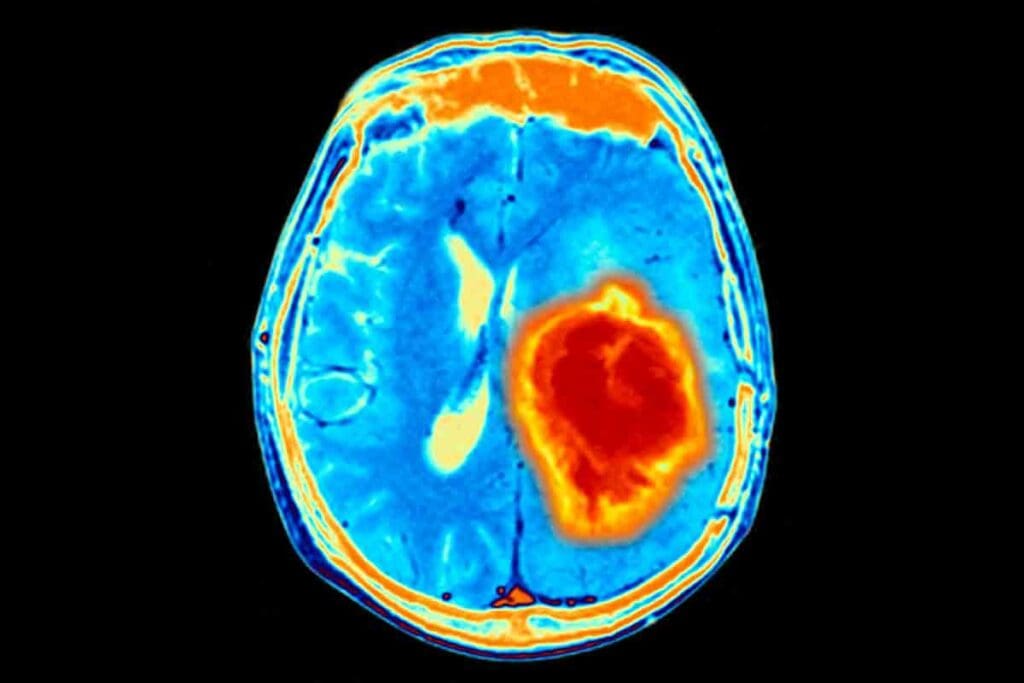
Discover 12 brain tumor symptoms by location, including tumor on brain stem symptoms and related neurological signs. Knowing the signs of a brain tumor is key. Each part of the brain shows different symptoms. At Liv Hospital, we put patients first and offer top-notch care.
Brain tumor symptoms change a lot based on where the tumor is. Tumors can be either benign or malignant. Their effect on the brain depends on their location.
Our team helps patients and families spot important symptoms. We focus on tumors in the brain stem, cerebellum, and different lobes.
Key Takeaways
- Spotting brain tumor symptoms early is key to good treatment.
- Tumors in different brain spots cause different symptoms.
- Liv Hospital’s expertise helps families navigate diagnosis and care.
- Knowing symptoms by brain area is important for patient care.
- Early detection helps improve treatment results for brain tumor patients.
Understanding Brain Tumors and Their Impact
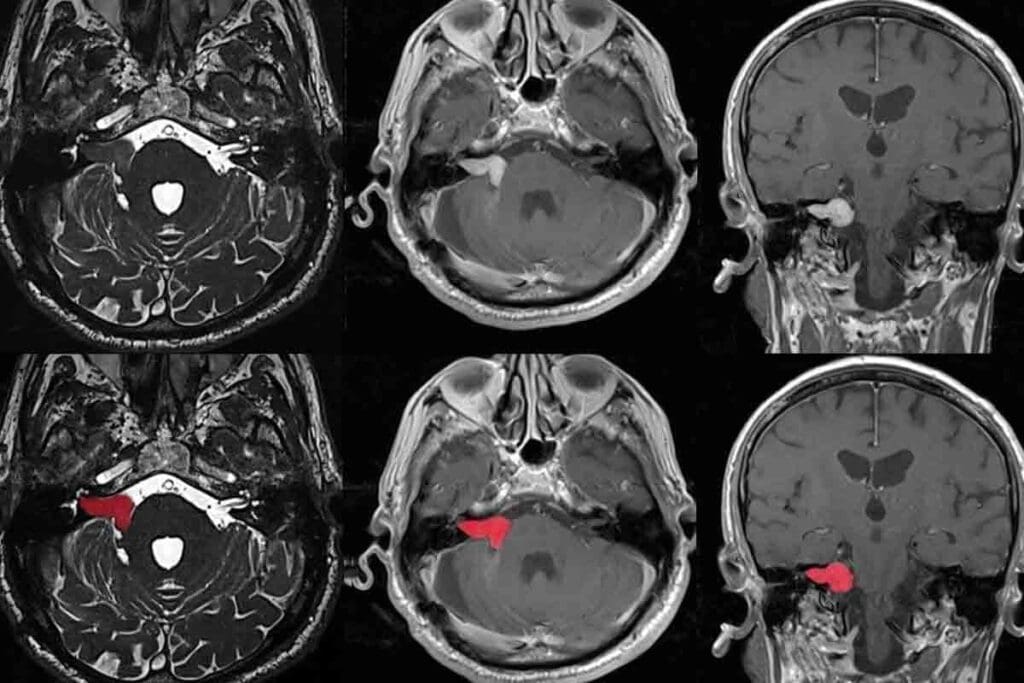
The brain’s complex structure means tumors in different spots can cause many symptoms. It’s key to know what brain tumors are, how their location affects symptoms, and why finding where they are is so important.
What Are Brain Tumors?
Brain tumors are abnormal cell growths in the brain. They can be either benign or malignant. They grow at different rates and can spread to other brain areas. Primary brain tumors start in the brain, while secondary brain tumors come from cancer spreading from other parts of the body.
How Tumor Location Affects Symptoms
The symptoms of a brain tumor depend on where it is. For example, tumors in the brain stem can mess with breathing and heartbeat. Tumors in the cerebellum can cause problems with coordination and balance.
Tumors in different lobes of the brain can lead to various symptoms. These include changes in personality, memory, and how we sense things.
| Brain Region | Potential Symptoms |
| Brain Stem | Breathing difficulties, Heart rate changes |
| Cerebellum | Coordination issues, Balance problems |
| Frontal Lobe | Personality changes, Motor weakness |
| Temporal Lobe | Memory impairments, Seizures |
The Importance of Location-Specific Diagnosis
Knowing exactly where a brain tumor is is vital for treatment. It helps doctors predict symptoms and plan a treatment that targets the tumor. This can greatly improve how well a patient does by focusing on the tumor’s effect on the brain.
Understanding the role of tumor location helps us tackle the complex issues brain tumors bring. It shows the need for care that’s tailored to each person.
Tumor on the Brain Stem Symptoms

The brain stem is a key part of the brain. Tumors here can cause serious health problems. It connects the cerebrum to the spinal cord and controls automatic functions like breathing and heart rate.
Balance and Coordination Issues
Brain stem tumors often lead to balance and coordination problems. Patients may feel unsteady or have trouble walking. This can make everyday life harder and increase the chance of falls.
Visual Disturbances Including Double Vision
Visual issues are common with brain stem tumors. Double vision, or diplopia, is a frequent complaint. This happens because the brain stem controls eye movements. When a tumor affects these nerves, vision problems can occur.
Speech and Swallowing Difficulties
Brain stem tumors can also cause speech and swallowing problems. The brain stem controls muscles for swallowing and speech. Tumors here can lead to trouble swallowing and speaking clearly, making daily tasks hard.
Respiratory and Heart Rate Changes
Brain stem tumors can also affect breathing and heart rate. The brain stem regulates these functions, and a tumor can disrupt them. Changes in breathing or heart rate are serious signs that need quick medical help.
| Symptom | Description | Potential Complications |
| Balance and Coordination Issues | Unsteadiness, difficulty walking | Increased risk of falls |
| Visual Disturbances | Double vision, blurred vision | Difficulty with daily activities |
| Speech and Swallowing Difficulties | Dysphagia, dysarthria | Nutritional deficiencies, social isolation |
| Respiratory and Heart Rate Changes | Changes in breathing or heart rate | Life-threatening complications |
Cerebellum Brain Tumor Symptoms
Cerebellum brain tumors show up in many ways, affecting how we move and balance. The cerebellum helps us move and stay upright. A tumor here can cause serious problems.
Coordination and Fine Motor Skill Problems
One big symptom is trouble with coordination and fine motor skills. People might shake, speak unclearly, or have trouble with small tasks. This happens because the tumor messes with the cerebellum’s motor control.
Balance and Walking Difficulties
Balance and walking issues are common, too. People might feel off-balance, fall easily, or feel like they’re always about to fall. This is because the tumor affects the cerebellum’s balance and posture.
Nausea, Vomiting, and Headaches
Nausea, vomiting, and headaches can also happen. These come from the tumor putting pressure on the brain. These symptoms can be really hard on patients.
Neck Stiffness and Pain
Neck stiffness and pain are symptoms as well. The tumor can press on nerves and tissues, causing neck pain and stiffness. This discomfort can be quite a challenge.
If you’re experiencing these symptoms, you should see a doctor right away. Early treatment can make a big difference in managing the tumor and improving life quality.
Temporal Lobe Tumor Symptoms
The temporal lobe is key to memory and language. Tumors here can cause many symptoms. These affect how we think, feel, and act.
Memory and Language Impairments
Temporal lobe tumors can mess with memory and language. People might struggle to make new memories or remember words and names. They may find it hard to speak or write.
The severity of these problems depends on the tumor’s size and where it is in the temporal lobe.
Seizures and Their Characteristics
Seizures are common with temporal lobe tumors. They can be complex partial seizures, causing changes in consciousness and repetitive actions. Some people get auras before a seizure.
The type of seizure can tell us a lot about the tumor and its effect on the brain.
Auditory and Sensory Hallucinations
Auditory hallucinations, like hearing sounds or voices, can happen. This is because the tumor affects the area of the brain that handles sound. Some people also smell or taste things without a reason.
These hallucinations can be scary and are a key symptom to watch for.
Emotional and Behavioral Changes
Temporal lobe tumors can also change how we feel and behave. People might get moody, irritable, or act out of character. In some cases, the tumor can cause temporal lobe epilepsy.
Frontal Lobe Brain Tumor Symptoms
Frontal lobe brain tumors can cause many symptoms. These include changes in personality, trouble concentrating, and problems with motor skills. The frontal lobe is key for making decisions, solving problems, and controlling movement. Tumors here can greatly change how a person acts and thinks.
Personality and Behavior Changes
One big sign of frontal lobe tumors is changes in personality or behavior. People might act more impulsively, be more emotional, or seem less interested in things. These changes can be hard for family and caregivers to handle.
Concentration and Attention Deficits
These tumors can also make it hard to focus and pay attention. It might be tough to finish tasks or stay on track. Such problems can make daily life and work harder.
Speech and Language Problems
Many people with frontal lobe tumors have trouble speaking and understanding language. They might find it hard to find the right words or speak clearly. This can make communication very difficult.
Motor Weakness on Opposite Side of Body
Another symptom is weakness or paralysis on the opposite side of the body. This happens because the frontal lobe controls movement. It’s a sign that something is wrong with the brain’s motor areas.
To better understand the symptoms associated with frontal lobe brain tumors, let’s examine the following table:
| Symptom | Description | Impact on Daily Life |
| Personality Changes | Increased impulsivity, emotional instability | Difficulties in personal and professional relationships |
| Concentration Deficits | Difficulty in completing tasks, easily distracted | Reduced productivity, challenges in daily activities |
| Speech Problems | Expressive aphasia, dysarthria | Difficulty communicating effectively |
| Motor Weakness | Contralateral hemiparesis | Challenges with mobility and performing physical tasks |
Knowing these symptoms is key to catching and treating frontal lobe brain tumors early. We’ll keep looking into brain tumors in the next parts.
Occipital Lobe Tumor Symptoms
Visual disturbances are a key sign of occipital lobe tumors. These problems can make life hard for those affected. The occipital lobe handles visual info, and tumors here can cause many vision-related symptoms.
Visual Field Defects
Visual field defects are common in these tumors. They can cause blind spots or loss of peripheral vision. This makes it tough for patients to get around.
In some cases, patients see homonymous hemianopia. This means half of their visual field is affected on the same side in both eyes.
Visual Hallucinations
Occipital lobe tumors can also lead to visual hallucinations. These can be simple flashes of light or complex images. The tumor messes with how the brain processes vision.
Patients might see geometric patterns, shapes, or even formed images that aren’t real.
Difficulty with Visual Recognition
Another symptom is trouble recognizing things. Patients may struggle to see objects, faces, or even read. This can make daily life hard and lead to feelings of frustration and isolation.
Tumors in the occipital lobe can cause big problems with vision. It’s important for those with these symptoms to get medical help. This way, they can find out what’s causing the problem and get the right treatment.
“The presence of visual symptoms should prompt a thorough evaluation to rule out underlying structural causes such as tumors.” –
A leading neurosurgeon
Parietal Lobe Tumor Symptoms
Parietal lobe tumors can mess up how our brain works. They cause problems with feeling, knowing where things are, and moving. The parietal lobe is key for handling touch and knowing where we are in space.
Sensory Processing Difficulties
Sensory processing difficulties are a big symptom of these tumors. People might feel numb, tingle, or lose feeling in their body. It’s hard for them to feel touch, temperature, and pain.
They might have trouble telling different textures or temperatures apart. This is because their brain can’t process sensory information well.
Spatial Awareness Problems
Tumors in the parietal lobe can cause spatial awareness problems. People might find it hard to know where their body is in space. This makes simple tasks hard.
They might get lost in places they know well. Or have trouble with tasks that need coordination.
Reading and Writing Challenges
Parietal lobe tumors can make reading and writing hard. This is called alexia and agraphia. The tumor messes with how the brain handles written language.
People might struggle to read, write, or understand math. It’s a big challenge for them.
Left vs. Right Parietal Lobe Symptoms
The symptoms of parietal lobe tumors depend on where the tumor is. Left parietal lobe tumors often mess with language. This means trouble with reading, writing, and understanding spoken words.
Right parietal lobe tumors can cause problems with knowing where things are and processing visual information.
Knowing the symptoms of parietal lobe tumors is key to getting help. If you or someone you know is having these problems, see a doctor.
Common Symptoms Across All Brain Tumor Locations
Brain tumors can show up in different ways, depending on where they are. But there are some symptoms that many people with brain tumors share. These symptoms can be important signs that you might have a brain tumor, no matter where it is.
Characteristics and Warning Signs of Headaches
Headaches are a common symptom of brain tumors. These headaches can be different from other headaches. They might feel worse in the morning and get better as the day goes on. Warning signs include headaches that are accompanied by nausea, vomiting, or that worsen over time.
Nausea and Vomiting
Nausea and vomiting are also common in people with brain tumors. These symptoms can happen because of the pressure the tumor puts on the brain. How bad these symptoms are can vary, but they often happen with headaches.
Cognitive Decline and Mental Changes
Cognitive decline and mental changes are big symptoms of brain tumors. People might have trouble remembering things, focusing, or even feel like they’re changing as a person. These symptoms can start small but get worse as the tumor grows.
Signs of Increased Intracranial Pressure
Increased intracranial pressure is a serious problem with brain tumors. Signs include really bad headaches, nausea, vomiting, and in serious cases, vision changes or loss of consciousness. Spotting these signs early is key to getting the right medical help.
| Symptom | Description | Possible Indication |
| Headaches | Severe, worse in the morning | Increased intracranial pressure |
| Nausea and Vomiting | Accompanying headaches | Tumor presence, increased pressure |
| Cognitive Decline | Memory problems, concentration issues | Tumor growth, brain impact |
When to Seek Medical Attention
Knowing when to get medical help can greatly improve treatment for brain tumors. It’s important to recognize warning signs and act quickly.
Red Flag Symptoms Requiring Immediate Care
Some symptoms need immediate medical help. These include severe headaches, seizures, and changes in how you think or move. If you see these signs, don’t wait to get medical help.
Other signs to watch for are trouble speaking, swallowing, or walking. Also, big changes in how you act or feel can be serious. These could mean you need to see a doctor right away.
Diagnostic Process for Suspected Brain Tumors
If you think you might have a brain tumor, you’ll get a detailed check-up. This starts with talking about your health and a physical exam.
Tests like MRI or CT scans are key to finding brain tumors. They show where and how big the tumor is. Sometimes, a biopsy is needed to confirm the diagnosis and find out what kind of tumor it is.
| Diagnostic Test | Purpose |
| MRI | Detailed imaging of the brain to locate and size the tumor |
| CT Scan | Quick imaging to identify acute changes or bleeding |
| Biopsy | To confirm the diagnosis and identify the tumor type |
Treatment Approaches Based on Tumor Location
Treatment for brain tumors depends on where the tumor is, how big it is, and what type it is. Surgery is often the first step. It tries to remove as much of the tumor as possible without harming the brain.
Other treatments include radiation and chemotherapy. The choice depends on the tumor and your health. A team of doctors will work together to create a plan just for you.
It’s important to know about your treatment options. This helps you make the best choices for your care. We’re here to support you every step of the way.
Conclusion: The Importance of Early Detection
Knowing the symptoms of brain tumors is key to catching them early. Early detection through screening can find tumors when they’re small. This makes treatment more likely to be successful.
Early diagnosis is very important. It helps improve treatment results and the patient’s quality of life. We urge people to know the symptoms of different brain tumors. If you notice any unusual signs, see a doctor right away.
Acting quickly can lead to better care and treatment. This increases the chances of a good outcome. Remember, catching brain tumors early is critical. Stay proactive about your health.
FAQ
What are the common symptoms of a brain tumor?
Symptoms include headaches, nausea, and vomiting. You might also notice cognitive decline and signs of increased pressure in the brain. The symptoms depend on where the tumor is in the brain.
What are the symptoms of a tumor in the cerebellum?
Tumors in the cerebellum affect coordination and fine motor skills. You might have trouble balancing and walking. Other symptoms include nausea, vomiting, headaches, and neck pain.
What are the symptoms of a temporal lobe tumor?
Temporal lobe tumors can cause memory and language problems. You might have seizures, hear things that aren’t there, and experience mood swings.
How do frontal lobe tumors affect patients?
Frontal lobe tumors can change your personality and behavior. You might struggle with concentration, have speech issues, and experience weakness on one side of your body.
What are the symptoms of an occipital lobe tumor?
Occipital lobe tumors can cause visual field problems. You might see things that aren’t there or have trouble recognizing images.
What are the symptoms of a parietal lobe tumor?
Parietal lobe tumors can make it hard to process sensory information. You might have trouble with spatial awareness, reading, and writing. Symptoms differ based on the tumor’s location.
What are the symptoms of a brain stem tumor?
Brain stem tumors can cause balance and coordination issues. You might have double vision, trouble speaking or swallowing, and changes in heart rate and breathing.
How do brain tumors affect cognitive function?
Brain tumors can lead to cognitive decline. This includes problems with concentration, memory, and making decisions. The impact depends on the tumor’s location.
When should I seek medical attention for symptoms that could indicate a brain tumor?
Seek medical help right away for severe headaches, seizures, or significant changes in cognitive or motor functions. These are red flag symptoms.
What is the diagnostic process for suspected brain tumors?
The process includes imaging tests like MRI or CT scans. Sometimes, a biopsy is needed to determine the tumor’s type, size, and location.
What are the treatment approaches for brain tumors?
Treatment depends on the tumor’s location, size, and type. It may include surgery, radiation therapy, or chemotherapy.
References:
- Huang, B., Zhao, H., Yang, J., Liu, F., Cheng, G., Zhang, H., & Chen, L. (2025). Editorial: Clinical therapy of brain tumors. Frontiers in Neurology, *16*, 1610463.
- National Comprehensive Cancer Network (NCCN). (2025). NCCN Clinical Practice Guidelines in Oncology: Central Nervous System Cancers (Version 2.2025). Retrieved from https://www.nccn.org/guidelines/guidelines-detail?category=1&id=1509