
The skull base is a complex area that holds important nerves and blood vessels. Problems here, like skull base tumors, can cause many symptoms. This is because of the many important structures in this area.
At first, symptoms might be mild. But they can quickly become serious, affecting things like vision, hearing, and hormones. It’s important to notice these signs early to get the best treatment.
Key Takeaways
- Skull base issues can present with a variety of symptoms due to the region’s complexity.
- Early recognition of symptoms is critical for effective treatment.
- Symptoms can affect vital functions like vision, hearing, and hormonal balance.
- Timely intervention is essential for optimal outcomes.
Understanding the Skull Base Anatomy
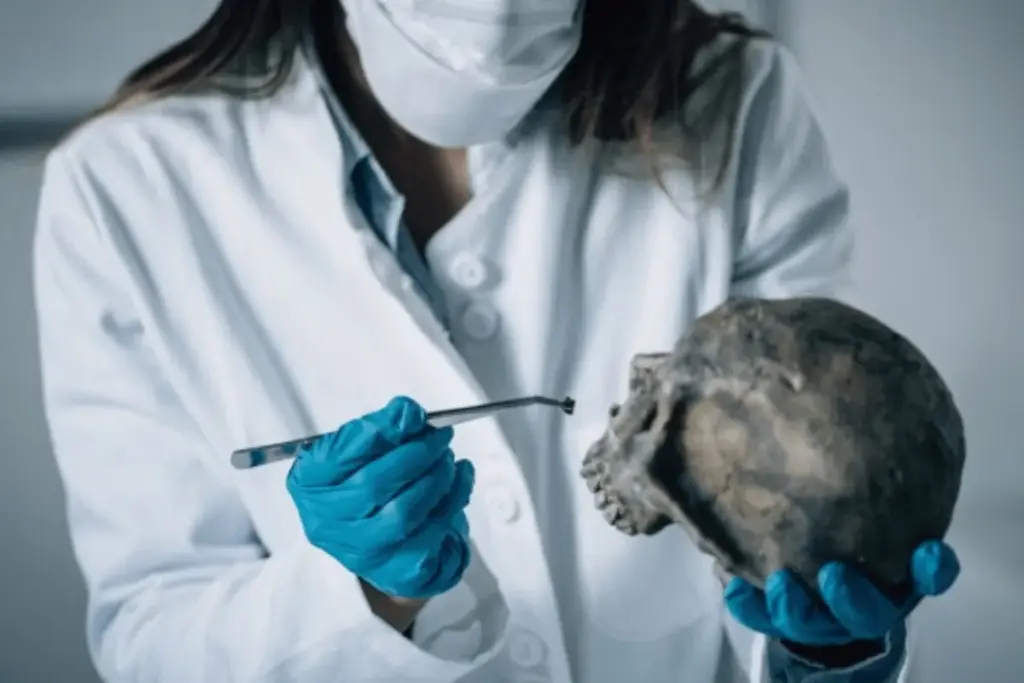
The skull base is a complex part of our anatomy. It supports the brain and houses important nerves and blood vessels. It’s a key area for many bodily functions.
Understanding the skull base anatomy is hard because of its complexity. The base of skull can face problems like tumors and injuries. These issues can be tough to diagnose and treat.
Key Anatomical Structures
The skull base is made of several bones that form a solid base for the brain. The sphenoid, occipital, and temporal bones are key here. They allow nerves and blood vessels to pass through, making the skull base anatomy fascinating.
The CyberKnife System is a non-invasive treatment for head, skull base, and spine tumors. It shows how vital it is to know the skull base anatomy for treatments.
Functional Importance of the Skull Base
The base of skull is essential for our body’s functions. It protects the brain and helps nerves and blood vessels pass through. Any problems here can cause pain at the base of skull.
Knowing how the skull base works is key for treating its problems. Healthcare experts can offer better care by understanding the skull base‘s complex structures.
Common Types of Skull Base Issues
Many conditions can affect the skull base. These include congenital abnormalities, injuries, inflammatory diseases, and tumors. Knowing about these types is key to diagnosing and treating skull base problems well.
Congenital Abnormalities
Congenital abnormalities are present at birth and can affect the skull base. They might include structural malformations or developmental issues. For example, encephalocele is when brain tissue bulges through a skull base defect.
Some congenital issues may not show symptoms until later. Others can cause problems right away. Early diagnosis with tools like MRI or CT scans is important for managing these conditions.
Traumatic Injuries
Traumatic injuries to the skull base can happen from accidents or head trauma. These injuries can be mild or severe and might damage the skull base’s soft tissues or cause fractures.
Severe injuries can lead to cerebrospinal fluid leaks. This is when the fluid around the brain leaks out. Quick medical care is needed to avoid infections and other serious issues.
“The management of traumatic skull base injuries requires a multidisciplinary approach, involving neurosurgeons, otolaryngologists, and other specialists to address the complex nature of these injuries.” -Neurosurgeon
Inflammatory Conditions
Inflammatory conditions in the skull base can come from infections or autoimmune diseases. These can cause swelling and damage to the skull base’s tissues and structures.
Examples include osteomyelitis, an infection of the bone, and granulomatous diseases like sarcoidosis. Treatment usually focuses on the cause of the inflammation.
Neoplastic Processes
Neoplastic processes involve the growth of tumors, which can be benign or malignant. The skull base is a complex area where various tumors can develop, including meningiomas, chordomas, and schwannomas.
Tumors in this area can cause different symptoms based on their location and size. Treatment options include surgery, radiation therapy, or a combination of both.
|
Type of Tumor |
Description |
Common Symptoms |
|---|---|---|
|
Meningioma |
A typically benign tumor arising from the meninges |
Headaches, seizures, visual disturbances |
|
Chordoma |
A rare, malignant tumor originating from the notochord remnants |
Pain, neurological deficits, difficulty swallowing |
|
Schwannoma |
A benign tumor of the nerve sheath |
Hearing loss, tinnitus, balance problems |
General Symptoms of Skull Base Problems
Problems in the skull base can cause many symptoms. These can range from headaches and pain to complex neurological issues. This is because the skull base is complex and has many important structures.
Headaches and Pain Patterns
Headaches are a common symptom of skull base problems. The pain can be at the base of the skull or spread to other parts of the head and face. Pain at the base of skull is often a sign of a serious issue that needs medical help.
- The pain can be dull and constant or sharp and sudden.
- Some people’s pain gets worse when they move or change positions.
- Having neurological symptoms along with headaches can make things more complicated.
Neurological Manifestations
Neurological symptoms happen when cranial nerves or other neural structures at the skull base are affected or compressed. These symptoms can include visual problems, trouble with speech, and swallowing issues.
- Visual problems can occur due to issues with cranial nerves II, III, IV, and VI.
- Some people might notice a lump on top of head or other signs of neurological problems.
- Neurological symptoms often mean a detailed neurological check-up is needed.
A study with 552 patients with skull base meningioma found headaches and cranial nerve problems were common. This shows how important it is to think about skull base issues when diagnosing these symptoms.
Symptoms Based on Skull Base Regions
The base of the skull is divided into three main regions. Each region has its own set of symptoms. The anterior, middle, and posterior skull base regions are complex areas that can be affected by various conditions.
Anterior Skull Base Symptoms
The anterior skull base is at the front of the cranial cavity. It includes the cribriform plate and the frontal sinus. Symptoms here can include nasal congestion, anosmia (loss of smell), and visual disturbances.
Tumors or infections in this area can cause a lot of problems. It’s important to understand these symptoms for early diagnosis.
Lesions in the anterior skull base can also cause cerebrospinal fluid (CSF) leaks. This can lead to clear nasal discharge. A study in Nature shows the need for precise diagnosis and treatment planning.
Middle Skull Base Symptoms
The middle skull base is a complex area. It houses the temporal lobe and cranial nerves. Symptoms here can include hearing loss, tinnitus, and facial weakness or numbness.
The proximity to the temporal lobe can also lead to seizures. Understanding these symptoms is key for choosing the right treatment.
Posterior Skull Base Symptoms
The posterior skull base includes the posterior cranial fossa and the foramen magnum. These areas are critical for brainstem and cerebellar function. Symptoms can include difficulty swallowing, dysphonia, and ataxia.
Lesions or diseases in this area can have severe neurological effects. Prompt and accurate diagnosis is necessary.
Managing conditions in the posterior skull base requires a multidisciplinary approach. Neurosurgery, radiation oncology, and other specialties work together for optimal care.
Cranial Nerve Dysfunction Symptoms
It’s important to know the symptoms of cranial nerve dysfunction to diagnose and treat conditions well. These nerves control many body functions. So, problems with them can cause a variety of symptoms.
Visual Disturbances (Cranial Nerves II, III, IV, VI)
Cranial nerves II, III, IV, and VI help us see and move our eyes. When these nerves don’t work right, we might see:
- Double vision (diplopia)
- Blurred vision
- Difficulty moving the eyes
- Pupil dilation or constriction abnormalities
These issues can make everyday life hard.
Facial Sensation and Movement Issues (Cranial Nerves V, VII)
Cranial nerves V and VII handle our face’s feeling and movement. Problems with these nerves can cause:
- Facial numbness or pain
- Weakness or paralysis of facial muscles
- Difficulty with chewing or swallowing
- Abnormal taste sensations
These symptoms can make daily tasks hard.
Hearing and Balance Problems (Cranial Nerves VIII)
Cranial nerve VIII is key for hearing and balance. Issues with it can lead to:
- Hearing loss or tinnitus
- Vertigo or dizziness
- Balance problems or gait disturbances
These problems can really affect our independence and life quality.
Swallowing and Speech Difficulties (Cranial Nerves IX, X, XII)
Cranial nerves IX, X, and XII help us swallow and speak. Problems with them can cause:
- Difficulty swallowing (dysphagia)
- Changes in voice quality
- Difficulty articulating words
These issues can lead to health problems and social isolation.
Up to 69% of skull base cancers can invade nerves. This shows why early diagnosis and treatment are so important.
|
Cranial Nerve |
Function |
Symptoms of Dysfunction |
|---|---|---|
|
II |
Vision |
Visual disturbances, blindness |
|
III, IV, VI |
Eye movement |
Double vision, difficulty moving eyes |
|
V |
Facial sensation |
Facial numbness, pain |
|
VII |
Facial movement |
Facial weakness, paralysis |
|
VIII |
Hearing and balance |
Hearing loss, vertigo |
|
IX, X |
Swallowing and speech |
Dysphagia, voice changes |
|
XII |
Tongue movement |
Difficulty articulating words |
Tumors of the Skull Base and Their Symptoms
The skull base is a complex area where tumors can grow. These tumors can be benign or malignant. Each type has its own symptoms and challenges.
Benign Tumor Presentations
Benign tumors in the skull base can cause symptoms even though they are not cancerous. Some common types include:
- Meningiomas: These slow-growing tumors come from the meninges. They can cause headaches and vision problems.
- Schwannomas: These tumors affect nerve sheaths. They can lead to hearing loss, tinnitus, or facial weakness.
- Pituitary Adenomas: These benign tumors in the pituitary gland can disrupt hormone levels. This leads to various symptoms throughout the body.
Malignant Tumor Manifestations
Malignant tumors of the skull base are aggressive. They can come from different tissues. Symptoms may include:
- Persistent Pain: Ongoing pain in the head or face can signal a malignant tumor.
- Cranial Nerve Deficits: Malignant tumors can damage or press on cranial nerves. This can cause double vision, numbness, or trouble swallowing.
- Systemic Symptoms: Weight loss, fatigue, and other symptoms can occur with malignant skull base tumors.
Perineural Invasion in Skull Base Carcinomas
Perineural invasion is a feature of some skull base carcinomas. It happens when cancer cells spread through nerves. This can cause:
- Pain or Numbness: Along the nerve’s path.
- Motor Weakness: If the nerve has motor fibers.
- Complex Treatment Planning: Treating perineural invasion often needs a team effort. This includes surgery, radiation, and chemotherapy.
Lumps and Bumps: Physical Manifestations
Seeing a lump on top of your head or a bump on the back of your head can be scary. It’s important to check it out. These signs might mean you have a health issue, like problems with the skull base.
Painless Lumps in the Head
Painless lumps can have many reasons, from harmless growths to serious problems. Knowing why they happen is key. If you find any unusual lumps, get a doctor’s opinion.
- Lipomas: Benign fatty tumors that can occur almost anywhere on the body, including the head.
- Cysts: Fluid-filled sacs that can develop under the skin.
- Benign tumors: Non-cancerous growths that can occur in various parts of the head.
Bumps on the Back of the Head
A bump on the back of the head can come from many things, like injury, infection, or being born with it. Knowing why it’s there helps figure out how to handle it.
|
Cause |
Description |
Typical Symptoms |
|---|---|---|
|
Trauma |
Injury to the back of the head |
Pain, swelling, bruising |
|
Infection |
Bacterial or viral infections |
Redness, warmth, tenderness |
|
Congenital Conditions |
Conditions present at birth |
Varies depending on the condition |
Distinguishing Normal Variations from Pathological Findings
Not every lump or bump is a worry. Some are just normal or harmless growths. But, it’s hard to tell without a doctor’s help.
Key factors to consider:
- Size and growth rate of the lump
- Presence of pain or tenderness
- Changes in surrounding skin
- Associated symptoms like headache or neurological deficits
If you’re worried about a painless lump in your head, see a doctor. They can check it out and tell you what it is.
Endocrine Symptoms Related to Skull Base Issues
The skull base and endocrine system are closely linked. This connection can lead to serious health problems if damaged. The skull base protects important glands like the pituitary gland, which controls hormones.
Problems at the skull base can harm these glands. This can cause many symptoms. Doctors say, “The pituitary gland and other glands near the skull base can get hurt by issues there.”
Pituitary Dysfunction Signs
Pituitary gland problems are a big worry with skull base issues. This gland, called the “master gland,” makes many important hormones. Signs of pituitary issues include:
- Fatigue and weakness
- Changes in menstrual cycle or fertility issues
- Loss of libido
- Visual disturbances
- Hormonal imbalances leading to conditions such as hypothyroidism or adrenal insufficiency
Using the CyberKnife System can help treat tumors on the pituitary gland. This can help reduce symptoms.
Thyroid-Related Symptoms
The thyroid gland can be affected by skull base problems, even if it’s not directly there. Symptoms of thyroid issues include:
- Weight changes
- Heat or cold intolerance
- Changes in heart rate
- Fatigue
- Changes in skin, hair, or nails
The thyroid gland works with the pituitary gland. This shows how connected the endocrine system is.
Adrenal Dysfunction Manifestations
Adrenal problems can happen because of skull base issues. Symptoms include:
- Fatigue and muscle weakness
- Weight loss or loss of appetite
- Low blood pressure
- Skin changes, such as darkening of certain areas
Fixing adrenal problems often means treating the skull base issue first.
In summary, problems at the skull base can affect the endocrine system a lot. This can cause many symptoms. It’s important to find and treat these issues early to help patients.
Symptoms of Skull Base Infections
The skull base can get infections like osteomyelitis and fungal infections. These can be very serious if not treated quickly. They can cause severe symptoms that need medical help right away.
Osteomyelitis
Skull base osteomyelitis is a rare but serious issue. It can cause otalgia (ear pain) and cranial nerve deficits. This happens when an infection spreads to the skull base, leading to serious problems if not treated.
- Symptoms include constant ear pain and discharge.
- Cranial nerve problems can make swallowing or speaking hard.
- In severe cases, it can cause cranial nerve palsies and other neurological issues.
Fungal Infections
Fungal infections of the skull base are serious and can have different symptoms. These infections are more common in people with weakened immune systems.
Symptoms include:
- Nasal congestion or discharge.
- Headaches and facial pain.
- Cranial nerve deficits, depending on the infection’s extent.
Bacterial Meningitis Symptoms
Bacterial meningitis is a medical emergency that needs quick action. Symptoms can appear fast and include:
- Severe headache.
- Stiff neck.
- High fever.
- Confusion or altered mental status.
Quick diagnosis and treatment are key to avoid long-term brain damage or death.
Recognizing Emergency Symptoms
Certain symptoms linked to skull base conditions need quick medical care to avoid serious issues. The skull base is a complex area, and problems here can show up in many ways. Some of these are life-threatening right away.
When to Seek Immediate Medical Attention
If you have a severe headache that’s not like your usual ones, it might be serious. Symptoms like cranial nerve deficits also need quick action. These can include trouble swallowing, speaking, or sudden vision changes.
These signs can point to serious issues like infections, tumors, or injuries to the skull base. A study on the National Center for Biotechnology Information (NCBI) website shows how fast action is key in skull base emergencies. It’s found on https://pmc.ncbi.nlm.nih.gov/articles/PMC5357776/.
Life-Threatening Complications
Waiting too long to get medical help for skull base problems can be deadly. Untreated infections can spread to other brain areas, causing meningitis or brain abscesses. Tumors, whether they grow back or are cancerous, can harm nearby nerves and blood vessels.
Knowing the risks and recognizing emergency symptoms is vital. This knowledge helps people get medical help when it’s most urgent. It could save lives.
Diagnostic Approaches for Skull Base Symptoms
Diagnosing skull base symptoms needs a detailed workup. This includes imaging, lab tests, and special assessments. The skull base’s complex anatomy and many possible problems make diagnosis hard.
Imaging Techniques
Imaging is key in finding skull base problems. Magnetic Resonance Imaging (MRI) and Computed Tomography (CT) scans are top choices. MRI is great for soft tissues, while CT scans show bony details well.
Which imaging to use depends on the suspected issue. MRI is best for soft tissue tumors or infections. CT scans are better for bony issues or fractures.
Laboratory Tests
Labs are vital for spotting infections, inflammation, and metabolic disorders affecting the skull base. Blood cultures, complete blood counts (CBC), and inflammatory markers like ESR and CRP help find infections or inflammation.
When a tumor is suspected, labs might check for tumor markers. For example, some pituitary tumors can cause hormone level imbalances. These can be found through endocrine tests.
Specialized Assessments
Special tests are needed to see how skull base issues affect function. These include neurological exams, hearing tests, and balance checks. Electromyography (EMG) might also be used to check muscle function, like cranial nerves.
For suspected tumors or mass lesions, a detailed neurological exam is essential. It helps understand the extent of nerve involvement and guides treatment.
Treatment Options for Skull Base Conditions
Medical technology has grown, giving us more ways to treat skull base disorders. The right treatment depends on the condition, how severe it is, and the patient’s health.
Medical Management
Medical management is often the first step for treating skull base conditions. It includes using medicines to manage symptoms, reduce swelling, or fight infections. For example, corticosteroids help lower swelling, and antibiotics fight bacterial infections.
Table 1: Common Medications Used in Medical Management
|
Medication Type |
Condition Treated |
Example |
|---|---|---|
|
Corticosteroids |
Inflammation |
Prednisone |
|
Antibiotics |
Bacterial Infections |
Amoxicillin |
|
Anticonvulsants |
Seizure Disorders |
Carbamazepine |
Surgical Interventions
Surgery is considered when the condition is serious or when other treatments don’t work. Modern surgery is more precise and less invasive. For example, endoscopic surgery is used for some skull base conditions.
Radiation and Chemotherapy
Radiation therapy is key for treating skull base tumors. Chemotherapy might be used with radiation or surgery for cancerous tumors.
The CyberKnife System has improved treatment by targeting tumors more accurately and reducing side effects.
Multimodal Treatment Strategies
Many skull base conditions need a mix of treatments. This might include medical management, surgery, radiation, or chemotherapy. Each plan is made for the patient’s specific needs and condition.
Table 2: Multimodal Treatment Approaches for Common Skull Base Conditions
|
Condition |
Treatment Modalities |
Benefits |
|---|---|---|
|
Skull Base Tumors |
Surgery + Radiation Therapy |
Improved local control, reduced recurrence |
|
Inflammatory Conditions |
Medical Management + Surgery |
Symptom reduction, prevention of complications |
|
Malignant Tumors |
Chemotherapy + Radiation Therapy + Surgery |
Comprehensive treatment, improved survival rates |
Living with Skull Base Conditions
Skull base conditions can greatly affect daily life. But, with the right support and treatment, people can live fulfilling lives. It’s important to manage chronic symptoms, go through rehabilitation, and keep a good quality of life.
Managing Chronic Symptoms
Managing chronic symptoms is key for those with skull base conditions. This includes medical treatments, lifestyle changes, and sometimes alternative therapies. Medications help control symptoms like pain, seizures, or hormonal imbalances. Also, lifestyle adjustments, such as diet changes and stress management, can greatly help.
Rehabilitation Approaches
Rehabilitation is a big part of recovery and living with skull base conditions. It may include physical, occupational, and speech therapy. Physical therapy helps with physical function and mobility. Occupational therapy helps with daily living challenges. Speech therapy is important for speech or swallowing issues.
Quality of Life Considerations
Keeping a good quality of life is a big concern for those with skull base conditions. It’s not just about managing symptoms but also about psychological and social needs. Support from family, friends, and groups is very important. Counseling or psychotherapy can help with emotional aspects.
Support Resources
Having access to support resources is vital for those with skull base conditions. This includes medical professionals, support groups, online communities, and educational resources. Support groups offer a place to share experiences and advice. Educational resources help understand the condition and make informed care decisions.
Conclusion
It’s important to know about skull base issues to get the right treatment fast. Spotting symptoms early and getting medical help can make a big difference. The skull base is complex, and there are many possible problems.
New medical tools help treat skull base conditions better. These tools allow for precise treatments. This means less risk of complications and a faster recovery.
Knowing the symptoms and treatment options helps both patients and doctors. Working together, they can get the best results. Managing skull base issues needs a team effort, using the latest medical tech.
FAQ
What are the common symptoms of skull base issues?
Symptoms include headaches and pain at the base of the skull. They also include neurological issues and problems with cranial nerves.
What is the skull base anatomy?
The skull base is a complex area. It protects vital structures and helps with cranial nerve function.
What are the different types of skull base issues?
Issues include congenital problems, injuries, inflammation, and tumors. This includes both benign and malignant types.
How do skull base tumors present?
Tumors can cause headaches and problems with cranial nerves. They can also affect endocrine functions, depending on their type and location.
What are the symptoms of cranial nerve dysfunction?
Dysfunction can cause visual issues and problems with facial sensations and movements. It can also lead to hearing and balance issues, as well as swallowing and speech problems.
What is the significance of a painless lump in the head or a bump on the back of the head?
A painless lump or bump could be a sign of a tumor. It’s important to have it checked by a healthcare professional.
How are skull base infections diagnosed and treated?
Infections like osteomyelitis and bacterial meningitis need quick medical help. They are diagnosed with imaging and lab tests. Treatment includes antibiotics and supportive care.
How can patients manage chronic symptoms and maintain quality of life with skull base conditions?
Patients can manage symptoms through rehabilitation and support. Working with their healthcare team helps develop a personalized treatment plan.
What are the emergency symptoms that require immediate medical attention?
Severe headaches, cranial nerve deficits, and signs of increased intracranial pressure are emergencies. They need immediate medical attention to avoid serious complications.
How are skull base conditions diagnosed?
Diagnosis involves a detailed workup. This includes imaging, lab tests, and specialized assessments to find the cause of symptoms.
What is the role of imaging techniques in diagnosing skull base conditions?
Imaging, like MRI and CT scans, is key. They provide detailed images of the skull base and any abnormalities.
Can skull base tumors be cancerous?
Yes, tumors can be cancerous. Malignant tumors can invade surrounding structures and need aggressive treatment.
References
National Center for Biotechnology Information. Evidence-Based Medical Insight. Retrieved from https://pubmed.ncbi.nlm.nih.gov/19951057/



 Departments
 Related Videos
 Our Doctors
 News
News