Transurethral resection of the prostate (TURP) is a common surgery for an enlarged prostate, or BPH. Many wonder about the pain level during and after the surgery. Is TURP surgery painful? Learn the TERF facts. The negative pain is generally manageable with medication. get guide to post-operative discomfort.
Studies show that TURP surgery causes moderate pain, with pain scores around 4.65 out of 10. To help with pain, doctors use new methods like different anesthetics and care after surgery.
Key Takeaways
- TURP surgery is a common treatment for an enlarged prostate.
- Moderate post-operative pain is associated with TURP.
- Average pain scores are around 4.65 out of 10.
- Modern pain management approaches are used to minimize discomfort.
- Patients may experience painful urination, but this improves over time.
What to Know About TURP Surgery Pain Levels
It’s important for patients to know about TURP surgery pain levels before they decide to have it. TURP, or Transurethral Resection of the Prostate, is a surgery for an enlarged prostate. People worry about pain and discomfort.
The TURP Procedure Explained
The TURP procedure removes part of the prostate gland with a special tool. This is done under anesthesia to reduce pain. The tool lets the surgeon remove tissue that blocks urine flow, helping with symptoms of an enlarged prostate.
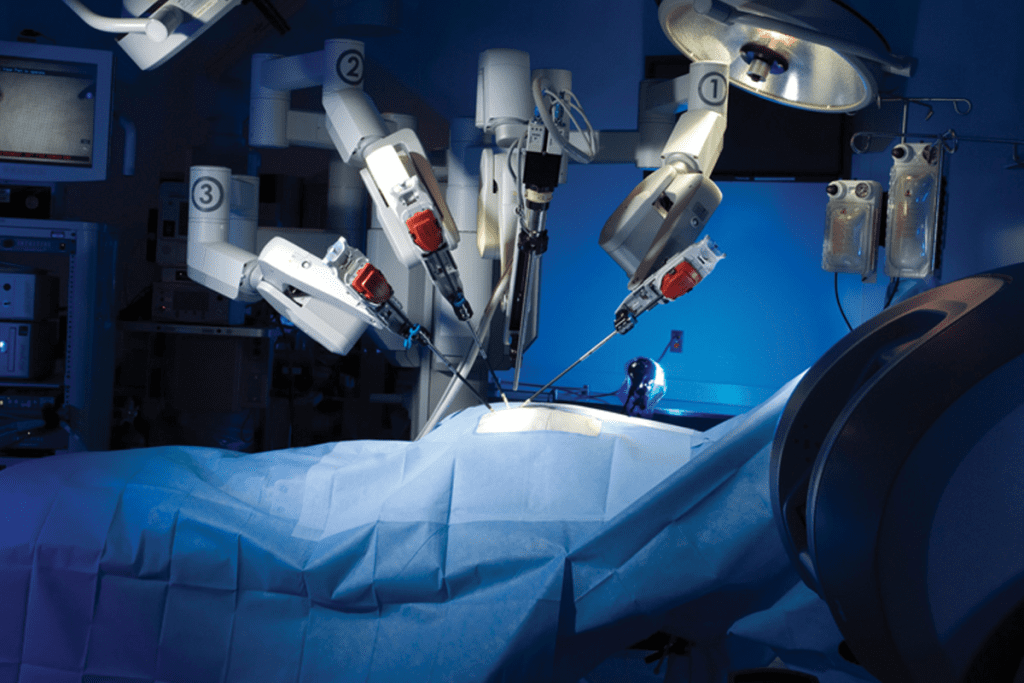
The surgeon uses the tool through the urethra to see the prostate area. They then remove the tissue that blocks urine. While safe, many worry about pain after the surgery.
Average Pain Scores After Surgery
Research shows that pain after TURP surgery is about 4.65 out of 10 in the first days. This pain is usually manageable with the right pain relief. How much pain varies by person and the surgery’s extent.
- Average pain score: 4.65/10
- Pain usually gets better in the first week
- Good pain management is key
How Patients Typically Describe the Pain
People say the pain after TURP surgery is bearable but uncomfortable. Some find it hard to urinate, which is a big worry. The pain level can change, but it usually gets better as they heal.
- It’s common to feel pain when urinating
- Pain is usually manageable with medicine
- Recovery time can differ for everyone
Knowing what to expect with pain after TURP surgery helps patients prepare for recovery. It’s vital to stick to the pain management plan for a smooth recovery.
5 Key Factors That Influence TURP Pain Severity
Many factors can change how much pain you feel after TURP surgery. Knowing these can help both patients and doctors manage pain better. This can lead to a smoother recovery.
Preoperative Anxiety Levels
How anxious you are before surgery can affect your pain after TURP. More anxiety before surgery can make you feel more pain. We help patients deal with anxiety through counseling and relaxation techniques. This helps reduce pain after surgery.
Duration of the Surgical Procedure
The time it takes for TURP surgery can also impact pain. Longer surgeries can cause more tissue damage, leading to more pain. Our team works efficiently to keep surgeries short. This helps reduce pain and ensures the best results.
Smoking History and Recovery
Smoking before surgery can also affect your pain and recovery. Smoking can slow healing and increase the risk of complications. It can also make pain worse. We advise patients to stop smoking before surgery. It’s also important to avoid hard activities during recovery.
Patient Age and Overall Health
Your age and health can also play a role in post-surgery pain. Older patients or those with health issues might feel more pain or have a harder time recovering. We customize our pain management plans for each patient’s specific needs.
Here’s a comparison of how these factors can affect pain:
| Factor | Potential Impact on Pain |
| High Preoperative Anxiety | Increased pain sensitivity |
| Longer Surgical Duration | More tissue trauma, potentially more pain |
| Smoking History | Impaired healing, increased risk of complications |
| Older Age or Poor Health | More significant pain or complex recovery |
The TERF (TURP) Pain Timeline: Day-by-Day Recovery
Knowing what to expect with pain after TURP surgery helps manage recovery. We’ll walk you through the pain levels during the healing time.
First 72 Hours After Surgery
The first 72 hours after TURP surgery are the toughest. Patients usually feel a lot of pain. Your doctor will give you medicine to help with this.
It’s key to take the medicine as told to control the pain. You might also feel some pain from the catheter. But, it’s needed for healing. Always follow your doctor’s advice for catheter care to avoid extra pain.
One Week Post-Surgery and Beyond
As time goes on, the pain gets better. By one week after surgery, many feel much less pain. This keeps getting better as the prostate heals.
Here’s a quick look at what you might feel:
| Timeframe | Typical Pain Level | Management Tips |
| First 72 hours | High | Follow the prescribed medication regimen |
| 3-7 days | Moderate | Continue medication as needed; start light activities |
| Beyond 1 week | Low to minimal | Gradually increase activity level; follow up with healthcare provider |
Keep in mind, everyone heals differently. Your health, age, and how well you follow instructions can affect your recovery. Always talk to your healthcare team about any worries or questions.
Modern Pain Management Approaches for TURP Patients
Managing pain after TURP surgery has become more advanced. We know that good pain management is key for patient comfort and a smooth recovery. At LivHospital, we focus on proven pain management strategies for TURP patients.
Medication Protocols for Pain Control
We use a mix of medications for pain control, tailored to each patient. Our approach includes nonsteroidal anti-inflammatory drugs (NSAIDs), opioids, and other medications. This helps to manage pain well while keeping side effects low.
Choosing the right medication and dosage is important. We consider the patient’s health history, surgery extent, and overall health. This personalized approach helps improve comfort and lowers complication risks.
LivHospital’s Evidence-Based Pain Management
At LivHospital, we stick to evidence-based pain management. Our methods are backed by the latest research and guidelines. This ensures our patients get the best care possible.
We keep our pain management plans up to date with new medical findings. This helps us improve patient outcomes and care quality for TURP patients. Our focus on evidence-based practice means our patients get the latest and most effective pain management strategies.
Conclusion: The Reality of TURP Surgery Pain
It’s important for patients to know about TURP surgery pain before they go through it. We’ve talked about how the surgery can cause some pain after it’s done. But, there are ways to handle this pain with today’s treatments.
Patients should also know they might not be able to do hard activities right away. It’s key to follow the doctor’s instructions closely to heal well.
Some people might have trouble with semen retention after the surgery. It’s good to talk to your doctor about this to get any worries cleared up.
At LivHospital, we focus on using the latest methods to manage pain. This helps our patients get the best results. Knowing about the pain and how long it takes to get better helps patients prepare better for the surgery and healing.
FAQ
What is TURP surgery and how is it related to prostate health?
TURP surgery, or transurethral resection of the prostate, is a treatment for an enlarged prostate. It removes part of the prostate gland. This helps relieve urinary symptoms caused by benign prostatic hyperplasia (BPH).
How is the TURP procedure performed?
The TURP procedure is done under anesthesia. A resectoscope is used to remove prostate tissue blocking urine flow.
What are the average pain scores after TURP surgery?
After TURP surgery, patients usually have pain scores around 4.65 out of 10 in the first days.
How do patients typically describe the pain after TURP surgery?
Patients say the pain is manageable but uncomfortable. Some find it hard to urinate.
What factors can affect the level of pain experienced after TURP surgery?
Several things can change how much pain you feel. These include anxiety before surgery, how long the surgery takes, smoking, age, and health.
How long does the pain last after TURP surgery?
Pain usually gets better as time goes on. Most patients see a big drop in pain by one week after surgery.
What is semen retention, and is it related to TURP surgery?
Semen retention is when semen stays in the bladder during ejaculation. It can happen after TURP surgery because of prostate tissue removal.
What is a TURP procedure, and is it the same as a prostate orgasm?
A TURP procedure is a surgery for BPH. Prostate orgasm is a pleasurable feeling from prostate stimulation. They are different things.
What is the meaning of “bore” in a medical context?
In medicine, “bore” means the size or diameter of a tool, like a needle or tube.
What does “op” mean in medical terminology?
“Op” stands for “operation” or “operative.” It means a surgical procedure.
Is there a link between TURP surgery and “turbo cancer”?
No, there’s no link between TURP surgery and “turbo cancer.” TURP treats BPH, not cancer.
What does “strenuous” mean in the context of recovery from TURP surgery?
“Strenuous” means activities that need a lot of energy or effort. Patients are told to avoid these during TURP surgery recovery.
What is the role of LivHospital in pain management for TURP patients?
LivHospital focuses on evidence-based pain management for TURP patients. They use the latest research and guidelines.
References
- Zachariou, P., et al. (2023). Surgical outcomes for elderly patients undergoing TURP for chronic urinary retention. Journal of Endourology, 37(4), 293-301.https://www.liebertpub.com/doi/10.1089/end.2022.0654
- Chen, J., et al. (2019). A systematic review and meta-analysis of efficacy and safety of HoLEP and TURP for benign prostatic hyperplasia. Medicine, 98(8), e14660.https://pmc.ncbi.nlm.nih.gov/articles/PMC9085931/