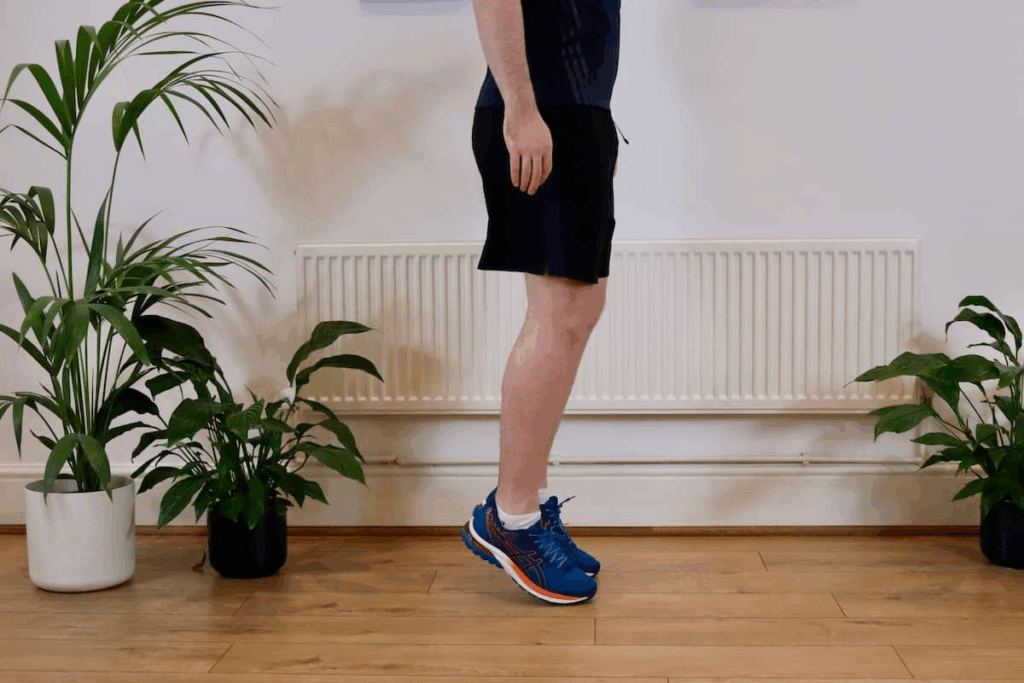
Ankle sprains are a big problem, hitting both athletes and regular people. In the U.S., they make up about 15 percent of all sports injuries. A sprained ankle can hurt a lot and make it hard to move around or play sports.Complete manual for twisted ankle rehabilitation, from initial injury to full return to sport.
We know that a good rehab plan is key to getting better and staying safe. With the right care, like physical therapy for ankle sprain, you can get back to doing what you love. It’s important to follow a proper rehab plan to avoid getting hurt again and to get back to your activities quickly.
Key Takeaways
- Ankle sprains are common and can significantly impact daily life and athletic performance.
- A complete rehab program is vital for full recovery.
- Physical therapy is a big part of getting better.
- Good rehab helps avoid future injuries and re-injury.
- A well-planned rehab program helps you get back to normal activities fast.
The Impact of Ankle Sprains: Statistics and Significance

Ankle sprains are very common in sports and daily life. They can cause ongoing problems with stability and function if not treated right.
Prevalence in Sports and Daily Life
Ankle sprains happen to many people. They affect athletes in sports that involve running, jumping, or quick changes. They also happen to non-athletes during daily activities, like walking on uneven surfaces.
Research shows ankle sprains are a big part of sports injuries. In sports like basketball and soccer, they are among the top injuries. Ankle sprains can happen to anyone, not just athletes.
Economic and Functional Costs
Ankle sprains have big economic and functional costs. The direct costs include medical bills for diagnosis, treatment, and rehab. Lost productivity and time off work add to the indirect costs.
Ignoring proper rehab can lead to chronic problems. This includes ongoing pain, instability, and decreased function. It can really affect someone’s quality of life and ability to do things they used to.
Importance of Proper Rehabilitation
A good rehab programme for sprained ankle is key for healing and preventing long-term issues. It includes pain management, restoring range of motion, strengthening the ankle, and improving balance and proprioception.
Not getting proper therapy for ankle sprain can mean a long time off from normal activities and work. It’s important to get professional help to create a rehab plan that fits your needs.
We stress the importance of rolled ankle therapy in recovery. The right therapy helps people regain ankle function and lowers the risk of future sprains.
Understanding Ankle Sprains: Types and Severity
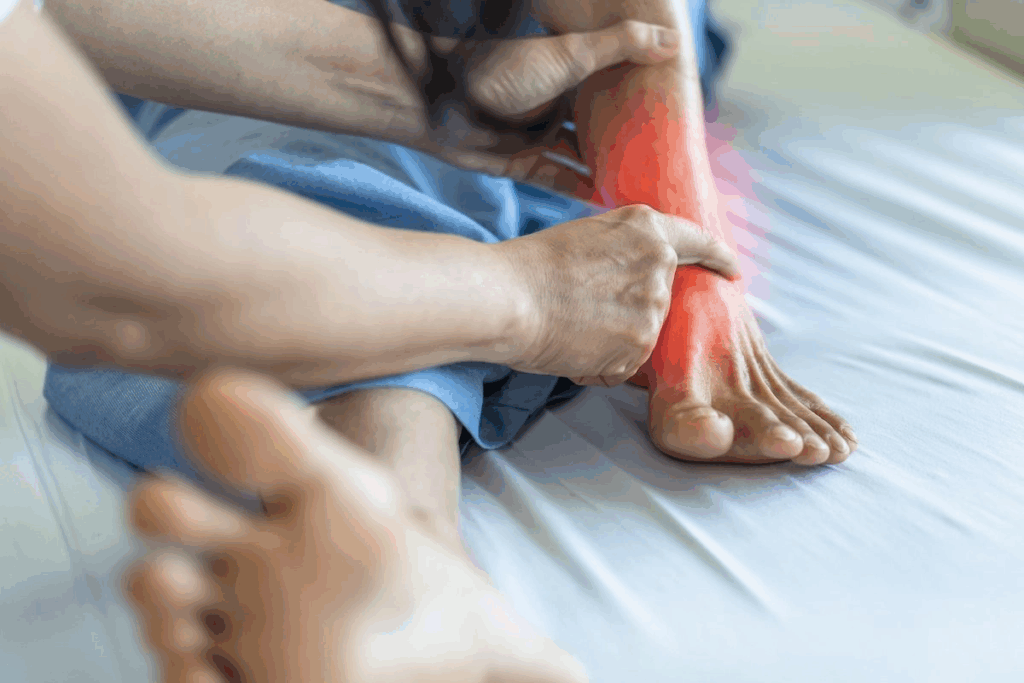
Knowing the types and severity of ankle sprains is key for proper healing. Ankle sprains happen when the ligaments around the ankle get stretched or torn. This leads to different levels of injury.
Common Causes and Mechanisms of Injury
Ankle sprains often happen during activities like running, jumping, or quick turns. These actions can cause the ankle to roll, twist, or land wrong. The most common cause is when the foot rolls inward, stretching or tearing the lateral ligaments.
Grading System: Grade 1, 2, and 3 Sprains
Ankle sprains are divided into three grades based on how severe they are:
- Grade 1: Mild stretching or micro-tears of the ligaments with minimal pain and swelling. Function is usually not significantly impaired.
- Grade 2: Moderate injury involving partial tearing of the ligament, resulting in more significant pain, swelling, and some loss of function.
- Grade 3: Severe injury with complete tearing of the ligament, significant pain, swelling, and marked loss of function.
Grade | Ligament Damage | Pain and Swelling | Functional Impairment | Typical Recovery Time |
1 | Mild stretching or micro-tears | Minimal | Minimal | Less than 1 week |
2 | Partial tear | Moderate | Some loss | 2-4 weeks |
3 | Complete tear | Significant | Marked loss | Several months |
Recovery Timeline Expectations
The time it takes to recover from ankle sprains depends on the injury’s severity. For Grade 1 sprains, you can start rehab right after managing pain and swelling. You might miss less than a week of physical activity.
Grade 2 sprains need more time, usually 2 to 4 weeks. Grade 3 sprains, being the most severe, can take several months to heal.
Knowing the grading system and expected recovery time helps plan your rehab effectively.
Immediate Care: RICE Protocol
Getting immediate care after an ankle sprain is key to a smooth recovery. The RICE protocol, or Rest, Ice, Compression, and Elevation, is a top choice for treating ankle sprains. It helps manage the first symptoms of an injury.
Rest and Protection Strategies
Resting your ankle for the first 72 hours is essential. Stay away from activities that hurt or feel uncomfortable. Using crutches can help reduce the weight on your ankle, aiding in healing.
Tips for Rest:
- Avoid weight-bearing activities
- Use crutches if necessary
- Minimize movement of the affected ankle
Ice Application Techniques
Ice can effectively lower pain and swelling. Ice your ankle for 15-20 minutes, every 2-3 hours.
Ice Application Guidelines:
Duration | Frequency | Precautions |
15-20 minutes | Every 2-3 hours | Wrap ice in a cloth to avoid direct skin contact |
Compression Methods
Compression bandages or sleeves can lessen swelling. Choose a compression wrap that’s snug but not too tight to avoid cutting off circulation.
Elevation Guidelines
Elevating your ankle above your heart can reduce swelling. Elevate your ankle whenever you’re sitting or lying down.
Elevation Tips:
- Use pillows to support your ankle
- Elevate your ankle above heart level
- Maintain elevation for the first 48-72 hours
Following the RICE protocol can help manage ankle sprain symptoms. It’s a first step towards a successful rehab program. Studies show that exercise-based physical therapy for sprained ankles can lower the risk of re-injury at 12 months. This makes a thorough rehab program essential for long-term recovery.
When to Seek Medical Attention
Not all ankle sprains are the same. Knowing when to seek medical care is key to a good recovery. Mild sprains might heal with rest and basic care. But, more severe injuries need a doctor’s check to avoid long-term harm.
Warning Signs of Severe Injury
Look out for these signs: big swelling, a lot of pain, can’t put weight on the ankle, or a visible deformity. These could mean a serious issue like a fracture that needs quick medical help.
“Neglecting appropriate therapy may result in several months delay in return to normal activities and work.” This shows why getting the right treatment is so important.
Diagnostic Procedures
Doctors will use different tests to check how bad the sprain is. They might do physical checks, X-rays, MRIs, or tests to see how well the ankle moves and stays stable.
Benefits of Professional Assessment
Getting a professional check-up has many advantages. It helps get the right diagnosis, treatment plan, and rehab advice. Physical therapists can create a rehab plan to help you get stronger, improve ankle stability, and get back to normal safely.
Understanding when to see a doctor and the benefits of professional care is the first step to fixing a sprained ankle. It also helps prevent future injuries.
Phase 1: Pain and Swelling Management
The first step in treating a sprained ankle is to reduce pain and swelling. It’s key to manage these well for a good recovery.
Medication Options and Considerations
For pain and swelling, over-the-counter drugs like ibuprofen or acetaminophen work well. Always talk to a doctor before taking any medicine. This is to avoid any bad side effects or drug interactions.
Medication | Dosage | Side Effects |
Ibuprofen | 200-400 mg every 4-6 hours | Stomach upset, dizziness |
Acetaminophen | 325-1000 mg every 4-6 hours | Liver damage (with overdose) |
Physical Modalities for Pain Control
Methods like cold therapy, electrical stimulation, and ultrasound can help with pain and swelling. Cold therapy, for example, reduces swelling by narrowing blood vessels.
Cold Therapy Application: Use ice packs for 15-20 minutes, 3-4 times a day. Make sure to use a cloth between the ice and your skin to avoid frostbite.
Early Mobility Exercises
Starting gentle exercises early helps with healing and keeps the ankle moving. Examples include toe raises, ankle circles, and light stretches.
- Toe raises: Stand on the edge of a stair with your heels hanging off. Slowly raise up onto your tiptoes and then lower back down.
- Ankle circles: Sit on the floor with your leg straight out. Draw circles with your toes, starting from small circles and increasing in size.
By using medication, physical treatments, and early exercises, we can manage pain and swelling effectively in the first phase of ankle rehab.
Phase 2: Restoring Range of Motion
After the pain and swelling go down, we start Phase 2. This phase is all about getting your ankle to move again. It’s key for a complete recovery.
Ankle Alphabet and Circular Movements
Movements like the ankle alphabet and circular motions are key. To do the ankle alphabet, write the alphabet with your toes from A to Z. It helps loosen up your ankle and makes it more flexible.
For circular movements, rotate your ankle in both ways. Start with small circles and make them bigger as your ankle gets used to it.
Stretching Techniques for Ankle Flexibility
Stretching is important for ankle flexibility. The calf stretch is a good one. It works on the muscles around your ankle.
- Stand facing a wall with one hand on the wall for balance.
- Step back with the affected leg, keeping your heel on the ground.
- Bend the front knee and lean forward, stretching the calf muscle.
- Hold for 15-30 seconds and repeat 2-3 times.
Joint Mobilization Approaches
Joint mobilization helps with joint mobility and pain. For ankles, it’s about gentle movements. These can be done by a therapist or on your own.
Technique | Description | Benefits |
Dorsiflexion Mobilization | Gentle upward movement of the foot | Improves ankle flexibility |
Plantarflexion Mobilization | Gentle downward movement of the foot | Enhances range of motion |
Adding these exercises to your routine helps restore your ankle’s motion. It’s a step towards a full recovery.
Twisted Ankle Rehabilitation: Strength Building Protocol
Building strength is key for recovering from a twisted ankle. It’s important to strengthen the muscles around the ankle. This helps you regain full function and avoid future injuries. We’ll show you a detailed plan with exercises for each stage of recovery.
Isometric Strengthening Exercises
In the early stages, isometric exercises are great. They help when you can’t move much because of pain or swelling. These exercises make your muscles work without moving the joint. Here are some examples:
- Ankle dorsiflexion: Pull your toes up towards your shin.
- Ankle plantarflexion: Push your toes down away from your shin.
- Ankle inversion: Turn your ankle inward.
- Ankle eversion: Turn your ankle outward.
Do these exercises in sets of 10-15 reps. Hold each for 5-10 seconds.
Resistance Band Workouts
Resistance bands are great for strengthening your ankle. They offer a gentle yet effective way to boost strength and range of motion. Here are some exercises to try:
- Ankle dorsiflexion against resistance.
- Ankle plantarflexion against resistance.
- Ankle inversion and eversion against resistance.
Progressive Weight-Bearing Activities
As your ankle heals, it’s time to move to weight-bearing activities. These help strengthen your ankle and improve your ability to function. Here are some examples:
Activity | Description | Repetitions |
Single-leg standing | Stand on one leg, holding onto a support if necessary. | 3 sets of 30 seconds |
Heel walks | Walk on your heels, keeping your toes off the ground. | 3 sets of 10 steps |
Toe raises | Stand on the edge of a step, raising up onto your toes. | 3 sets of 15 repetitions |
These activities are key for getting your ankle ready for normal activities and sports. Start with low intensity and gradually increase it as your ankle gets stronger.
Balance and Proprioception Training
Getting your balance and proprioception back is key to avoiding ankle sprains. It helps your ankle know where it is and how to move. This makes it less likely to get hurt again.
Single-Leg Standing Progressions
Single-leg standing is a basic way to boost balance. Start by standing on one leg, using a stable object for support if you need it. As you get better, try standing without support. Then, try it with your eyes closed to really test your balance.
- Begin with short durations (20-30 seconds) and gradually increase time.
- Practice on different surfaces, such as a firm floor or a soft mat.
- Progress to dynamic movements like lifting the other leg or performing small squats.
Balance Board and Wobble Cushion Exercises
Balance boards and wobble cushions make balance training harder. They mimic unstable surfaces, helping your ankle get stronger.
- Start with simple standing on the balance board or wobble cushion.
- Progress to squats, lunges, or other functional movements.
- Incorporate catching or throwing a ball to add an upper body challenge.
Dynamic Stability Drills
Dynamic stability drills are all about moving. They’re great for athletes or anyone getting back into sports. Try lateral shuffles, carioca drills, and figure-eight running.
- Begin with slow, controlled movements and increase speed as stability improves.
- Practice on different terrains, such as grass or a soft surface.
- Gradually add complexity by incorporating changes in direction or speed.
Adding these balance and proprioception exercises to your rehab plan can really help. It can lower the chance of getting another ankle sprain and make your ankle more stable.
Advanced Rehabilitation Exercises
The final stages of ankle sprain rehab include tough exercises to build strength and agility. We use advanced techniques to get athletes ready for a safe return to their sports.
Plyometric Training for Athletes
Plyometric training is key for athletes in rehab. It involves explosive moves to boost power and speed. Examples are jump squats and box jumps, designed for each athlete’s sport and recovery level.
These exercises improve neuromuscular coordination and ankle stability. This is vital for athletes in high-impact sports.
Sport-Specific Movement Patterns
Sport-specific movements are critical for a successful return. We study the athlete’s sport and add exercises that match their activities. This might include cutting drills, shuttle runs, or carioca drills, based on the sport.
By focusing on these exercises, athletes regain strength, agility, and coordination. This helps them perform well while reducing the risk of injury.
Sport | Movement Patterns | Drills |
Soccer | Cutting, pivoting | Zig-zag runs, shuttle runs |
Basketball | Jumping, quick changes of direction | Box jumps, carioca drills |
Tennis | Lateral movements, rapid acceleration | Side-to-side shuffles, sprint drills |
Agility and Coordination Drills
Agility and coordination drills are essential for better athletic performance and injury prevention. We use drills like cone and ladder drills to test athletes’ agility and coordination.
These exercises boost ankle stability and improve lower limb function. Adding agility and coordination drills to the rehab program ensures a full recovery.
“A well-structured rehabilitation program that includes advanced exercises like plyometric training and agility drills is vital for a successful return to sports.” – Sports Medicine Expert
By doing these advanced exercises, athletes can confidently go back to their activities. They know they’ve regained the strength, agility, and coordination needed.
Overcoming Common Rehabilitation Challenges
Rehabilitation from an ankle sprain can face several challenges. Knowing these obstacles can help improve recovery. It’s important to be aware of them.
Persistent Swelling Management
Persistent swelling is a common issue during ankle sprain rehab. Managing swelling effectively is key to avoid discomfort and slow progress. Ice, compression bandages, and elevating the ankle can help.
Gentle exercises that improve blood flow without straining the ankle are also good. Manual therapy techniques like massage and mobilization can reduce swelling by improving lymphatic drainage. It’s important to watch swelling closely and adjust treatments as needed.
Dealing with Chronic Instability
Chronic instability is another challenge after an ankle sprain. It makes the ankle feel like it’s giving way. Strengthening the muscles around the ankle is key. Exercises for the peroneal muscles help a lot.
Balance and proprioception training are also important. They help the ankle feel stable. Single-leg standing, balance board training, and ankle strengthening with resistance bands are good exercises.
Addressing Fear of Re-injury
Fear of re-injury is a big psychological hurdle. It’s important to tackle this fear through education and gradual exposure. Progressive loading and functional activities help build confidence in the ankle.
By understanding and tackling these challenges, people can recover better. This leads to a more successful outcome.
Return to Activity Guidelines
Returning to activity after an ankle sprain should follow evidence-based criteria. It’s important to progress gradually. This ensures the ankle is fully rehabilitated and ready for the activity’s demands.
Evidence-Based Functional Testing Criteria
Before going back to full activity, patients must pass certain tests. These tests check the ankle’s strength, stability, and function. They might include:
- Single-leg hop test
- Balance tests on a wobble board or balance board
- Figure-eight running drills
- Single-leg squats
These tests help figure out if the ankle can handle the activity’s stresses without getting hurt again.
Gradual Activity Progression Timeline
Returning to activity should be done gradually to avoid injury. This means:
- Starting with low-intensity activities and gradually increasing the intensity
- Adding strength training and flexibility exercises specific to the activity
- Going from simple to more complex movements
For example, an athlete returning to soccer might start with jogging, then move to cutting drills, and end with full practice sessions.
Monitoring for Symptoms During Return
It’s key to watch for symptoms like pain, swelling, or instability during the return process. If symptoms show up, it might be time to slow down or go back to earlier stages of rehab.
By sticking to these guidelines, people can safely and effectively return to activity after an ankle sprain.
Conclusion
Recovering from a twisted ankle needs a full plan. We’ve shown how to tackle sprained ankle rehab with care. This includes physical therapy for ankle sprain. Following this guide helps you heal fully and avoid future injuries.
The first step in twisted ankle rehabilitation is managing pain and swelling. Then, we work on getting the ankle to move again. Lastly, we build strength and balance. Each step is vital for a safe return to activities.
With the right rehab, you can fully recover from ankle sprains. Our sprained ankle rehab plan uses tested methods and a careful activity increase. This makes sure you’re ready to go back to your activities without worrying about getting hurt again.
By focusing on physical therapy for ankle sprain, we help you get your ankle back to normal. This reduces the chance of long-term problems and future injuries. Good rehab is essential for a complete recovery.
FAQ
What is the best way to rehab a sprained ankle?
To rehab a sprained ankle, start with the RICE protocol. This includes rest, ice, compression, and elevation. Next, manage pain and swelling. Then, work on restoring range of motion and building strength.
Don’t forget balance and proprioception training. Lastly, gradually return to your activities.
How long does it take to recover from a sprained ankle?
Recovery time for a sprained ankle varies. It can take a few weeks for mild sprains. But, more severe cases might take several months.
What are the benefits of physical therapy for ankle sprains?
Physical therapy helps with pain and swelling. It also improves range of motion and strengthens the ankle. Plus, it enhances balance and proprioception.It helps you safely return to your activities.
How can I strengthen my ankle after a sprain?
To strengthen your ankle, try isometric exercises. Use resistance bands and do progressive weight-bearing activities. These improve stability and prevent future injuries.
What exercises can I do to improve balance and proprioception after an ankle sprain?
For balance and proprioception, try single-leg standing progressions. Use balance boards and wobble cushions. Dynamic stability drills also help.
When can I return to sports after an ankle sprain?
Return to sports should follow evidence-based testing. Have a gradual activity plan. Always watch for symptoms to ensure a safe return.
How can I prevent future ankle sprains?
Prevent future sprains by keeping your ankle strong and flexible. Improve balance and proprioception. Wear proper footwear and use ankle braces when needed.
What is the RICE protocol for immediate care after an ankle sprain?
The RICE protocol is for immediate care. It includes rest, ice, compression, and elevation. These steps reduce pain and swelling and aid in healing.
How do I know if my ankle sprain is severe?
A severe sprain shows significant pain, swelling, and bruising. It’s hard to bear weight. Seek medical attention for these signs to avoid serious injuries.
What are the common challenges faced during ankle sprain rehabilitation?
Common challenges include managing swelling and dealing with instability. Fear of re-injury is also common. Proper rehabilitation and professional guidance can help overcome these challenges.
References
National Center for Biotechnology Information. Evidence-Based Medical Guidance. Retrieved from https://www.ncbi.nlm.nih.gov/pmc/articles/PMC3751649/