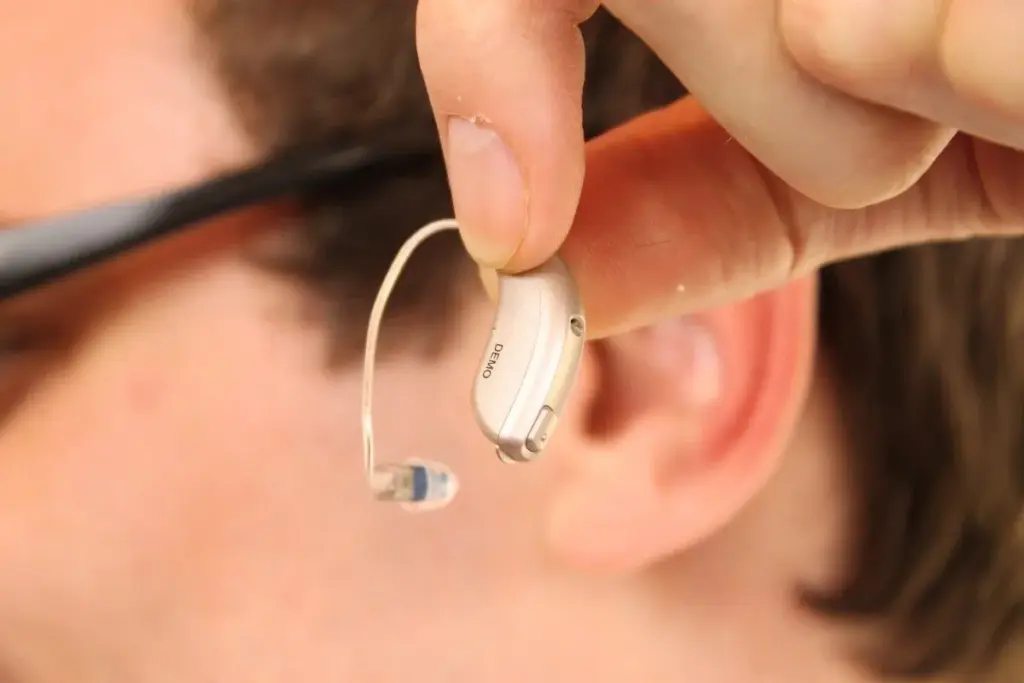
Imagine a test that shows your middle ear’s health in just a few minutes. Tympanometry is that test, giving quick and precise insights into ear function.
We use tympanometry as a fast and non-invasive way to check middle-ear function. This test is key in spotting issues like otitis media, with a success rate of up to 94%. At places like LivHospital, tympanometry fits right into their goal of offering top-notch, evidence-based care.
Key Takeaways
- Quick and non-invasive, taking just a few minutes.
- Essential for detecting middle-ear disorders.
- High success rate in diagnosing conditions like otitis media.
- Used in reputable healthcare institutions.
- Provides valuable insights into ear health.
Understanding Tympanometry: A Comprehensive Overview
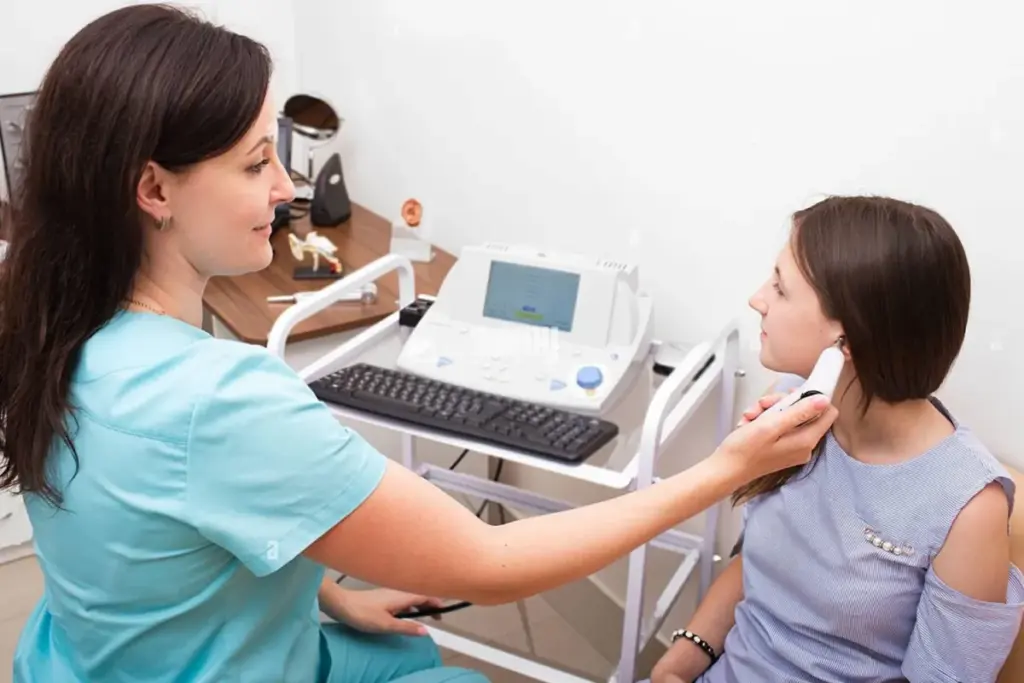
Tympanometry is a key part of hearing tests. It shows how well the middle ear works. As a diagnostic tympanometry test, it checks the ear’s mobility or stiffness. It helps find problems like otitis media in the middle ear.
Definition and Purpose of Tympanometry
Tympanometry is “a test of middle ear function by varying the air pressure in the ear canal and measuring the movement of the eardrum and reflexes of the middle ear muscles.” It checks the middle ear’s health. This helps doctors diagnose and treat ear problems.
MedRx says tympanometry checks the ear’s mobility or stiffness. This info is key to knowing the ear’s health.
Historical Development of Middle Ear Testing
The idea of tympanometry has grown a lot over time. The first tries to check the middle ear were in the late 19th century. But, it wasn’t until the mid-20th century that modern tympanometry started.
“The development of tympanometry has revolutionized the field of audiology, enabling healthcare professionals to diagnose and manage middle ear disorders more effectively.”
Thanks to tympanometry, doctors can find and treat ear problems sooner. This has made a big difference in how well patients do and their quality of life.
The Science Behind Middle Ear Function Assessment
To understand tympanometry results, we need to know the science behind middle ear function tests. These tests analyze the middle ear, giving us insights into its health and function.
Anatomy of the Middle Ear
The middle ear has three small bones (ossicles) that carry sound vibrations to the inner ear. This system is key for hearing and balance. The ossicles, including the malleus, incus, and stapes, amplify sound waves for the inner ear.
The middle ear also connects to the back of the throat through the Eustachian tube. This tube helps keep ear pressure and drainage right. Knowing the middle ear’s anatomy is key to understanding middle ear function tests.
Principles of Impedance Audiometry
Impedance audiometry, or tympanometry, is a common audiology test. It checks the eardrum’s movement and middle ear muscle reflexes. This test is vital for checking ear health and finding middle ear issues.
This test works by changing air pressure in the ear canal. It measures the eardrum and bones’ mobility. This gives us important info about the middle ear’s function.
- Tympanometry helps find middle ear problems, like fluid buildup or eustachian tube issues.
- It checks the eardrum’s and middle ear muscles’ reflexes.
- This test is non-invasive and gives quick results, making it great for ear health assessment.
Understanding impedance audiometry helps doctors accurately read tympanometry results. This leads to better diagnosis and treatment of middle ear problems.
Tympanometry Procedure: Step-by-Step

A medical professional performing a tympanometry test on a patient, with a focused, clinical atmosphere. In the foreground, the healthcare provider carefully inserts a specialized probe into the patient’s ear canal, while the patient sits calmly. The middle ground showcases the tympanometry device, its digital display showing real-time measurements. The background is a well-lit, sterile medical examination room, with subtle medical equipment and neutral-toned walls. The lighting is natural and diffused, creating a professional, informative setting. The overall scene conveys the step-by-step procedure of a tympanometry test in a detailed, realistic manner.
Tympanometry is a key tool in audiology exams to check ear pressure and hearing issues. It’s a non-invasive test that shows how well the middle ear works. It helps find different hearing problems.
Pre-Test Preparations
Before the tympanometry test, the ear canal is checked with an otoscope. This makes sure there’s no debris or blockages. At places like Memorial Village Sinus and Hearing, this step is key for accurate results.
During the Test: What to Expect
A small probe is gently put into the ear canal during the ear pressure test. It changes the air pressure and checks the eardrum and middle ear muscles. The test is quick, lasting a few minutes, and is painless. You might hear tones or feel slight pressure changes, but these are normal.
Post-Test Activities
After the tympanometry test, the results are looked at by an audiologist or healthcare professional. They use the tympanogram to find middle ear problems or hearing issues. This can show conditions like otitis media or Eustachian tube dysfunction.
|
Test Stage |
Description |
Duration |
|---|---|---|
|
Pre-Test |
Ear canal inspection using an otoscope |
1-2 minutes |
|
During Test |
Probe insertion and air pressure changes |
2-3 minutes per ear |
|
Post-Test |
Analysis of tympanogram results |
Variable, typically a few minutes |
In conclusion, the tympanometry procedure is simple and important for checking hearing and ear pressure. Knowing what to expect helps patients prepare for this essential test.
Duration of Tympanometry: Time Factors Explained
A high-quality, realistic photograph of a tympanometry test being performed. The subject is in focus, with a clear view of the medical equipment and the technician’s hands. The lighting is soft and natural, creating a calming, clinical atmosphere. The background is blurred, with muted colors and minimal distractions, drawing the viewer’s attention to the central action. The composition is balanced, with the tympanometry device and the technician’s hands positioned prominently in the frame. The overall image conveys the professionalism and precision of a tympanometry test, while also capturing the duration and time-sensitive nature of the procedure.
Tympanometry is a fast and simple test that checks the middle ear’s function. People and doctors often wonder how long it takes. It’s a quick way to get important information.
Standard Testing Time for Adults
For adults, tympanometry is very quick. It usually takes under 5 minutes for both ears, as MedRx reports. This speed makes it a top choice for checking the middle ear in clinics.
Testing Duration for Children and Infants
For kids and babies, the test is still fast but might take a bit longer. It’s because getting them ready and keeping them still can take extra time. But, with patience and care, even the youngest can have the test done well.
Factors That May Extend Testing Time
Some things can make the test take longer. These include:
- Too much earwax or dirt in the ear
- Hard to get a good seal with the probe
- The patient moves or gets restless
- Need for more tests or measurements
Knowing these can help doctors make the test go smoother and faster.
|
Patient Group |
Typical Testing Time |
Factors Affecting Duration |
|---|---|---|
|
Adults |
Less than 5 minutes |
Earwax, probe seal, patient cooperation |
|
Children |
5-10 minutes |
Preparation time, child cooperation |
|
Infants |
5-10 minutes |
Gentle handling, infant state (awake, calm) |
In summary, though tympanometry is usually quick, knowing what can slow it down helps. It makes the test smoother for everyone involved.
Types of Tympanometry and Their Timeframes
Detailed tympanometry types depicted in a realistic medical illustration. The foreground showcases the different tympanometry curve shapes – normal, negative pressure, and flat. The middle ground features the associated diagnostic information for each curve type. The background depicts a well-lit clinical setting with medical equipment and a neutral color palette. Crisp focus, accurate anatomical details, and a professional, informative tone capture the technical nature of this diagnostic procedure.
Tympanometry comes in different forms, like standard, multi-frequency, and acoustic reflex testing. Each type serves a specific purpose, helping doctors check how well the middle ear works.
Standard Tympanometry
Standard tympanometry is the most common. It’s done at one frequency, usually 226 Hz. It checks the eardrum’s movement and the middle ear muscles’ reflexes. This test is fast, taking under a minute for each ear.
Multi-frequency Tympanometry
Multi-frequency tympanometry tests at several frequencies. It gives more detailed info about the middle ear. It’s a bit longer, taking 2 to 3 minutes for each ear.
Acoustic Reflex Testing
Acoustic reflex testing is often done with tympanometry. It looks at how the middle ear muscles react to sound. It adds 1 to 2 minutes to the test time for each ear.
To show the differences and uses of these tests, here’s a table:
|
Type of Tympanometry |
Test Frequency |
Typical Duration |
Primary Application |
|---|---|---|---|
|
Standard Tympanometry |
226 Hz |
Less than 1 minute per ear |
General assessment of middle ear function |
|
Multi-frequency Tympanometry |
Multiple frequencies |
2-3 minutes per ear |
Detailed analysis of middle ear mechanics |
|
Acoustic Reflex Testing |
Varies with sound stimulus |
1-2 minutes per ear |
Assessment of middle ear muscle reflexes and neural pathways |
Knowing about the different tympanometry types and their times is key for doctors. It helps them pick the best test for their patients. This ensures accurate diagnoses and the right treatment plans.
Interpreting Tympanogram Results
Understanding tympanogram results is key to knowing how the middle ear works. A tympanogram shows the ear’s characteristics, like middle ear pressure and how well it moves. This info helps doctors diagnose ear problems.
Understanding Tympanogram Types (A, B, C)
Tympanograms are divided into three types: A, B, and C. Each type shows different middle ear conditions.
- Type A: Shows normal middle ear function with a peak in the tympanogram. It means the eardrum moves well and the middle ear pressure is right.
- Type B: Points to fluid in the middle ear or a hole in the eardrum. It has a flat tympanogram.
- Type C: Indicates negative middle ear pressure. This might mean the Eustachian tube isn’t working right.
Knowing these types helps doctors diagnose and treat middle ear problems well.
What Abnormal Results May Indicate
Abnormal tympanogram results can point to several middle-ear issues. For example, a Type B might show fluid in the middle ear. A Type C might mean the Eustachian tube isn’t working, causing negative pressure.
These odd results are important for spotting problems like:
- Otitis media
- Eustachian tube dysfunction
- Perforated eardrum
- Middle ear effusion
By correctly reading tympanogram results, doctors can create the right treatment plans. This helps improve patient care.
Clinical Applications of Middle Ear Testing
Middle ear testing has many uses, from finding otitis media to tracking treatment success. It’s a key tool in audiology and ENT fields. Diagnostic tympanometry is especially important here.
Diagnosing Otitis Media and Other Disorders
Tympanometry helps spot otitis media and other middle ear issues. MedStar Health says it’s a top tool for checking middle ear health. It can find problems like otitis media with effusion and eustachian tube issues.
An audiology expert says, “Tympanometry gives vital info on the middle ear. It helps diagnose many ear problems.”
“Tympanometry is a non-invasive test that can provide immediate information about the middle ear’s function.”
|
Condition |
Tympanometry Result |
Clinical Implication |
|---|---|---|
|
Normal Middle Ear |
Type A Tympanogram |
Normal middle ear pressure and compliance |
|
Otitis Media with Effusion |
Type B Tympanogram |
Fluid in the middle ear, potentially causing hearing loss |
|
Eustachian Tube Dysfunction |
Type C Tympanogram |
Negative middle ear pressure, potentially leading to ear fullness |
Monitoring Treatment Progress
Middle ear tests are also for tracking treatment success. Regular tympanometry checks show how middle ear function changes. This helps see if treatments for otitis media are working.
Screening Applications in Various Settings
Tympanometry is used in many places, like pediatric offices, ENT clinics, and audiology labs. It’s great for screening kids because they often have ear problems due to their developing eustachian tubes.
In summary, middle ear testing has many uses. It gives important info for managing ear disorders. By understanding tympanometry results, doctors can give better treatment plans.
Tympanometry Success Rates and Clinical Efficacy
Studies show tympanometry is a reliable way to check middle ear function. It has success rates between 74% and 94%. This means it’s good at diagnosing and tracking middle ear problems.
Research-Based Success Rates
Research at places like LivHospital shows tympanometry works well for finding middle-ear issues. Its success comes from giving precise measurements of middle ear function.
Key findings from recent studies include:
- High sensitivity to middle ear disorders
- Accuracy in diagnosing conditions such as otitis media
- Effectiveness in monitoring treatment progress
Factors Affecting Diagnostic Accuracy
Even with high success rates, some things can make tympanometry less accurate. These include:
The patient’s age can be a challenge, especially for young ones who can’t stay still. Also, earwax or debris can mess up the results. The skill and experience of the person doing the test are also key for accurate results.
Knowing these factors helps healthcare providers improve the test’s results. This makes tympanometry even more effective.
Tympanometry for Different Age Groups
Tympanometry is a tool used for many ages. It checks the middle ear’s function. This is key for finding and treating hearing problems.
Ear Pressure Testing in Infants and Toddlers
For babies and toddlers, tympanometry is special. It’s fast and doesn’t hurt. This makes it perfect for them.
Considerations for School-Age Children
For kids in school, tympanometry spots issues like otitis media with effusion. It finds hearing problems that might affect their learning.
Middle Ear Function Testing in Adults and Elderly
In adults and older people, tympanometry helps find middle ear problems. It checks if treatments are working. It’s great for hearing loss and finding the right help.
|
Age Group |
Tympanometry Application |
Common Diagnoses |
|---|---|---|
|
Infants and Toddlers |
Assessing middle ear function |
Otitis media, hearing impairment |
|
School-Age Children |
Diagnosing otitis media with effusion |
Hearing loss, speech delay |
|
Adults and Elderly |
Monitoring treatment progress |
Middle ear disorders, age-related hearing loss |
Comparing Tympanometry with Other Hearing Examinations
It’s important to know how tympanometry differs from other hearing tests. Tympanometry is often paired with other tests to fully check someone’s hearing health.
Tympanometry vs. Pure-Tone Audiometry
Tympanometry and pure-tone audiometry are two different tests. Tympanometry checks the middle ear by looking at the eardrum’s movement and the reflexes of the middle ear muscles. Pure-tone audiometry, on the other hand, tests how well someone can hear sounds of different frequencies and loudness.
Pure-tone audiometry helps figure out the type and degree of hearing loss. Tympanometry, however, looks for problems like fluid buildup or eustachian tube issues in the middle ear.
Tympanometry vs. Otoacoustic Emissions (OAE)
Otoacoustic emissions (OAE) testing is another key hearing test. It measures the sounds the inner ear makes in response to sound. Unlike tympanometry, which focuses on the middle ear, OAE tests the cochlea’s health.
Both tympanometry and OAE are vital for a full hearing check. They give insights into different parts of the ear.
Comprehensive Audiology Exam Protocols
A full audiology exam usually includes several tests like tympanometry, pure-tone audiometry, and OAE. The tests chosen depend on the person’s symptoms and the doctor’s judgment.
We suggest a full audiology exam for anyone with hearing loss or other ear problems. It helps get an accurate diagnosis and plan the best treatment.
|
Hearing Test |
Purpose |
Key Assessment |
|---|---|---|
|
Tympanometry |
Assesses middle ear function |
Middle ear mobility and reflexes |
|
Pure-Tone Audiometry |
Evaluates hearing thresholds |
Degree and type of hearing loss |
|
Otoacoustic Emissions (OAE) |
Assesses cochlear function |
Presence of otoacoustic emissions |
By using these tests together, doctors can understand someone’s hearing better. This helps them create effective treatment plans.
Technological Advancements in Diagnostic Tympanometry
The field of audiology has seen big changes in diagnostic tympanometry. These changes have made diagnosing ear problems more accurate and better for patients.
Evolution of Tympanometry Equipment
Over time, tympanometry equipment has changed a lot. Old devices were big and not very good. But now, modern tympanometers are smaller, more precise, and easier to use.
MedRx, a top provider of audiological equipment, says, “New tympanometry devices use advanced digital signal processing and high-resolution graphics. This lets doctors get more detailed info about the middle ear.” This change has really helped audiology, making diagnoses more accurate and treatments better.
|
Feature |
Traditional Tympanometry |
Modern Tympanometry |
|---|---|---|
|
Signal Processing |
Analog |
Digital |
|
Data Analysis |
Manual Interpretation |
Automated Analysis |
|
Graphic Display |
Low Resolution |
High Resolution |
Digital Tympanometry and Data Analysis
Digital tympanometry has changed the game by giving more precise and reliable data. Advanced software helps doctors analyze this data better, leading to better decisions.
“Digital tympanometry has greatly improved our ability to diagnose and manage middle ear disorders. The data we get is more precise and reliable, making our practice better.” -Audiology Expert
When analyzing tympanometry data, doctors look at tympanograms. These show important info about the middle ear. Modern software can quickly sort these into different types, making diagnosis faster.
As technology keeps getting better, we’ll see even more improvements in diagnostic tympanometry. These advancements will likely lead to even more accurate diagnoses and better treatments for ear problems.
Tympanometry in Modern Healthcare Settings
Tympanometry is changing ear care in today’s medicine. It’s how doctors now find and fix hearing issues.
Implementation in Hospitals Like LivHospital
Hospitals like LivHospital lead in using new medical tools, like tympanometry. They use diagnostic tympanometry in their tests. This makes their care better and more accurate.
Keeping up with new medical tech is key. Tympanometry in hospitals shows our dedication to top-notch healthcare.
Integration with Electronic Health Records
Linking tympanometry with electronic health records (EHRs) is a big step. It makes it easier for doctors to see patient data. This helps in giving better care.
A study in the American Academy of Family Physicians shows how good this is. It says using tympanometry in tests is a big help. You can read more about it here.
With tympanometry and EHRs, we can do better hearing problem tests. This leads to better care for our patients.
Conclusion
Tympanometry is a key tool for checking the middle ear’s health. It’s quick and doesn’t hurt, making it great for finding middle-ear problems.
Doctors use it to spot issues like otitis media. They also use it with other tests to get a full picture of hearing health.
Thanks to tympanometry, places like LivHospital can better diagnose and treat ear problems. As technology gets better, we’ll see even more progress in audiology. This means patients will get better care during their hearing exams.
FAQ
What is tympanometry, and how long does it take?
Tympanometry is a test that checks how well the middle ear works. It usually takes just a few minutes.
What is the purpose of tympanometry?
Tympanometry helps find problems like otitis media in the middle ear.
How is tympanometry performed?
To do a tympanometry, a soft probe is put in the ear. It changes air pressure and checks the eardrum’s movement.
What are the different types of tympanometry?
There are several types, like standard and multi-frequency tympanometry. Each has its own use.
How are tympanogram results interpreted?
Results are classified into Types A, B, and C. Type A means everything is normal. Type B might show fluid or a hole in the eardrum. Type C points to Eustachian tube problems.
What does an abnormal tympanogram result indicate?
If the result is not normal, it could mean otitis media, Eustachian tube issues, or a hole in the eardrum. More tests or treatment might be needed.
Is tympanometry suitable for all age groups?
Yes, it works for all ages, from babies to adults. It might need special adjustments for little ones.
How does tympanometry compare to other hearing examinations?
Tympanometry is unique because it checks the middle ear. It works with other tests to fully understand hearing health.
What are the benefits of digital tympanometry?
Digital tympanometry offers better data analysis and accuracy. It also keeps records for future comparisons, helping doctors more.
How is tympanometry used in modern healthcare settings?
It’s part of a full audiology exam in places like LivHospital. It helps give top-notch care to patients.
What is the success rate of tympanometry in diagnosing middle-ear conditions?
Tympanometry is very good at finding middle-ear problems. Its success rate is between 74% and 94%, depending on the case.
Can tympanometry be used to monitor treatment progress?
Yes, it can track how well treatments are working. This helps doctors make any needed changes to the treatment plan.