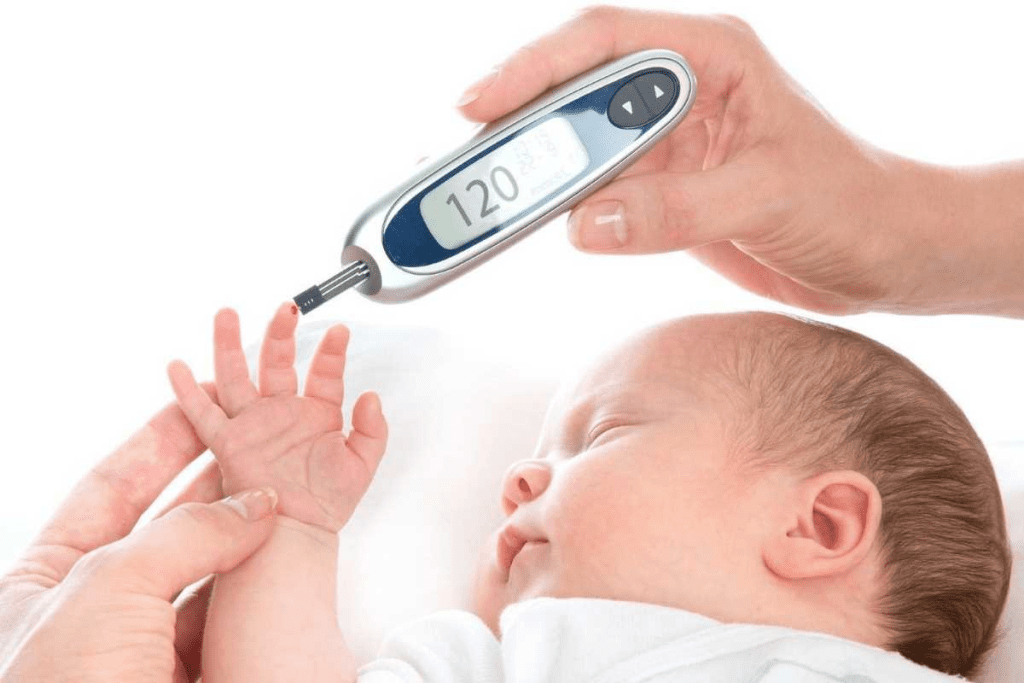
Diabetes is no longer just for adults; kids as young as babies can get it. We’re dedicated to giving top-notch care to kids with diabetes. We know that catching it early is key. Type 1 diabetes can begin at any age in kids. Learn the common ages, early signs, and steps to protect your child’s health.
Type 1
diabetes can strike at any time, often in kids, teens, or young adults. As a leading healthcare team, we stress the need to know the signs and risks of diabetes in children.
Key Takeaways
- Children can develop diabetes at any age, including infancy.
- Type 1 diabetes is an autoimmune condition that destroys insulin-making beta cells.
- Early diagnosis of diabetes in children is critical for effective care.
- Parents should be aware of type 11 diabetes symptoms.
- World-class care is available for children with diabetes.
1. The Age Range When Children Can Develop Diabetes

Diabetes can start in children at any age. It’s key to know the signs at different ages. Type 1 diabetes, common in kids, can start from infancy to adolescence.
Earliest Documented Cases in Infants
Though rare, type 1 diabetes has been found in infants just a few months old. This shows how important it is to watch for diabetes signs in young kids. Finding diabetes in babies can be hard because their symptoms are not clear.
Peak Diagnosis Periods Across Childhood
Type 1 diabetes is often found between 4 and 14 years old. There are two main times: around 5-6 years and during early puberty (10-14 years). At these ages, kids show clear signs, leading to a diagnosis.
Adolescent Diagnosis Patterns
Adolescence is also a key time for diabetes diagnosis. Puberty can make diabetes symptoms worse because of insulin resistance. Teenagers with type 1 diabetes might feel very thirsty, urinate a lot, get tired easily, and lose weight.
Knowing when diabetes can happen helps parents, caregivers, and doctors. It’s important to be ready for a diagnosis at any age in childhood and adolescence.
2. Type 1 Diabetes: The Most Common Form in Children

Type 1 diabetes is an autoimmune condition that affects many children. It happens when the body’s immune system attacks the insulin-making cells in the pancreas. This results in no insulin being produced. It’s vital to understand this condition, its prevalence, and what causes it in kids.
Age Distribution of Diagnoses
Type 1 diabetes can strike at any age in childhood. Studies show that most cases happen between 4 and 7 years old. Another peak is during puberty, around 10 to 14 years old. Early diagnosis is key to managing the condition well and avoiding serious problems later.
Global Statistics on Childhood Type 1 Diabetes
About 1 million kids aged 0-14 and 0.8 million aged 15-19 have type 1 diabetes worldwide. These numbers show the big problem of type 1 diabetes in kids globally. The increasing number of cases worldwide is a big worry that needs a full effort to tackle.
Genetic and Environmental Triggers by Age
The exact reasons for type 1 diabetes are not fully known. But it’s thought that genes and the environment both play a part. Genetic risk can make someone more likely to get it. Environmental factors, like viruses, might trigger it in those at risk. Knowing these triggers is key to preventing and helping kids with type 1 diabetes.
We are dedicated to leading in research and providing top-notch care for kids with type 1 diabetes. We aim to make sure they get the support they need to manage their condition well.
3. Warning Signs of Diabetes at Different Ages
It’s important for parents and caregivers to know the warning signs of diabetes at different ages. Type 1 diabetes symptoms can vary in infants, young children, and adolescents. Recognizing these signs early is key to getting medical help on time.
Infant and Toddler Symptoms (0-3 Years)
In infants and toddlers, spotting type 1 diabetes symptoms can be tough. Look out for:
- Unusual thirst and frequent urination
- Fussiness or irritability
- Failure to gain weight or slowed growth
- Diaper rash or yeast infections
These signs can be confused with other common issues in babies. So, it’s critical for parents to watch closely and see a doctor if they notice anything unusual.
Young Children’s Symptoms (4-9 Years)
In young children, symptoms are more obvious and may include:
- Excessive thirst and increased urination
- Fatigue or lethargy
- Blurred vision
- Unexplained weight loss despite increased appetite
Parents and caregivers should be quick to spot these signs and get medical help. This can help avoid serious problems.
Adolescent Symptoms (10-19 Years)
Adolescents with type 1 diabetes show similar symptoms to younger kids, like:
- Frequent urination and thirst
- Weight loss
- Fatigue
- Irritability or mood swings
Also, teens may face more emotional and psychological challenges. Support from family and healthcare providers is very important.
Spotting these warning signs early can greatly help manage type 1 diabetes. It can improve the lives of children and teens with this condition.
4. The Growing Problem of Type 2 Diabetes in Youth
Type 2 diabetes is becoming more common in kids and teens. This condition used to mainly affect adults. Now, it’s being seen in young people at an alarming rate.
Age Trends in Pediatric Type 2 Diabetes
Type 2 diabetes is being diagnosed in children, mainly those over 10. Studies show this rise is due to obesity and lack of exercise.
The National Institutes of Health points out obesity’s role in this increase. This calls for early action and prevention.
Alarming Statistics: 33% of U.S. Adolescents with Prediabetes
About 33% of U.S. teens have prediabetes. This condition raises the risk of type 2 diabetes. It’s critical to screen and detect early.
Key risk factors for prediabetes and type 2 diabetes in youth include obesity, family history, and a sedentary lifestyle.
Why Type 2 Diabetes is Appearing Earlier in Children
Genetic, environmental, and lifestyle factors contribute to type 2 diabetes in children.
“The rising prevalence of obesity and decreased physical activity among children are major contributors to the increasing incidence of type 2 diabetes,”
According to a recent health report.
- Obesity and physical inactivity
- Genetic predisposition
- Unhealthy dietary habits
Understanding these factors helps healthcare providers create effective prevention and management plans for type 2 diabetes in children.
5. Risk Factors That Influence Diabetes Development by Age
Diabetes in kids is caused by genetics, environment, and lifestyle. Knowing these factors helps us find and treat diabetes early.
Family History and Genetic Predisposition
Family history is key to type 1 diabetes. Kids with a family history are more likely to get it. Genetic predisposition also plays a big role, with some genes making diabetes more likely. We focus on genetic screening for kids at risk.
Studies have found certain genes linked to type 1 diabetes. These genes can lead to the destruction of pancreatic cells, causing diabetes.
Environmental Triggers at Different Developmental Stages
Environmental factors also affect diabetes in kids. These factors change as kids grow. For example, viral infections can trigger type 1 diabetes in some. We teach families about these triggers and how to avoid them.
At different ages, kids face different environmental risks. Knowing these can help prevent and catch diabetes early.
Lifestyle Factors Affecting Risk by Age Group
Lifestyle, like diet and exercise, greatly affects type 2 diabetes risk in kids. As kids get older, their lifestyle choices can change their diabetes risk. We stress the need for a healthy lifestyle to prevent type 2 diabetes.
For teens, obesity and lack of exercise are big concerns. We offer advice on making healthy lifestyle choices to lower type 2 diabetes risk.
Understanding diabetes risk factors helps us help kids and families. At Liv Hospital, we provide full care and support for kids with diabetes.
6. Conclusion: Supporting Children with Diabetes Regardless of Age
Supporting kids with diabetes needs a full plan. This includes using lots of insulin, planning their diet, and checking their blood sugar often. At Liv Hospital, we promise top-notch care and support for kids with diabetes and their families.
Studies show type 1 diabetes in kids aged 0-19 went up by 21.1% from 2001 to 2009. It’s key to manage diabetes well to make kids’ lives better. Our team works hard to give each child the care they need to manage their diabetes and do well. For more info, check outthis article on managing type 1 diabetes in youth on the National Center for Biotechnology Information website.
Liv Hospital is all about leading in medical care and patient outcomes. Our diabetes management programs show our commitment. We aim to give kids with diabetes the best care, no matter their age, with our full support services.
FAQ
What is type 1 diabetes, and how does it differ from type 22 diabetes?
Type 1 diabetes occurs when the body attacks its own insulin-making cells. This leads to high blood sugar. Type 2 diabetes is a metabolic issue where the body doesn’t use insulin well.
At what age can children develop type 1 diabetes?
Kids can get type 11 diabetes at any age, even as babies. It’s a risk throughout childhood and the teen years.
What are the symptoms of type 1 diabetes in children, and how do they vary by age?
Kids with type 11 diabetes might feel thirsty, tired, and lose weight. Babies and toddlers might also have diaper rash and be cranky. Older kids and teens might show symptoms like adults.
What are the risk factors for developing type 1 diabetes, and can they be prevented?
We don’t know all about type 11 diabetes causes, but genes and environment seem to play a part. There’s no way to stop it, but knowing the risks helps catch it early.
How is type 1 diabetes diagnosed, and what are the treatment options?
Doctors use tests and a patient’s history to diagnose type 1 diabetes. Treatment includes insulin, checking blood sugar, and healthy living.
What is the prevalence of type 22 diabetes in children, and what are the risk factors?
Type 2e2 diabetes is more common in kids who are overweight, don’t move much, or have a family history. Being from certain ethnic groups or having certain health issues also raises the risk.
How can parents support their child with diabetes, and what resources are available?
Parents can help by working with doctors, checking blood sugar, and being supportive. There are also diabetes education, support groups, and online resources to help.
What is the role of genetics in the development of type 1 diabetes?
Genes are a big part of type 11 diabetes, with some markers increasing risk. But the environment also plays a role in getting the disease.
How does lifestyle affect the risk of developing type 2e2 diabetes in children?
Diet, exercise, and weight are key in preventitype 2pe2 diabetes in kids. Healthy habits can lower the risk.
References
- American Diabetes Association. (2024). Type 1 Diabetes. Retrieved fromhttps://diabetes.org/diabetes/type-1-diabetes