
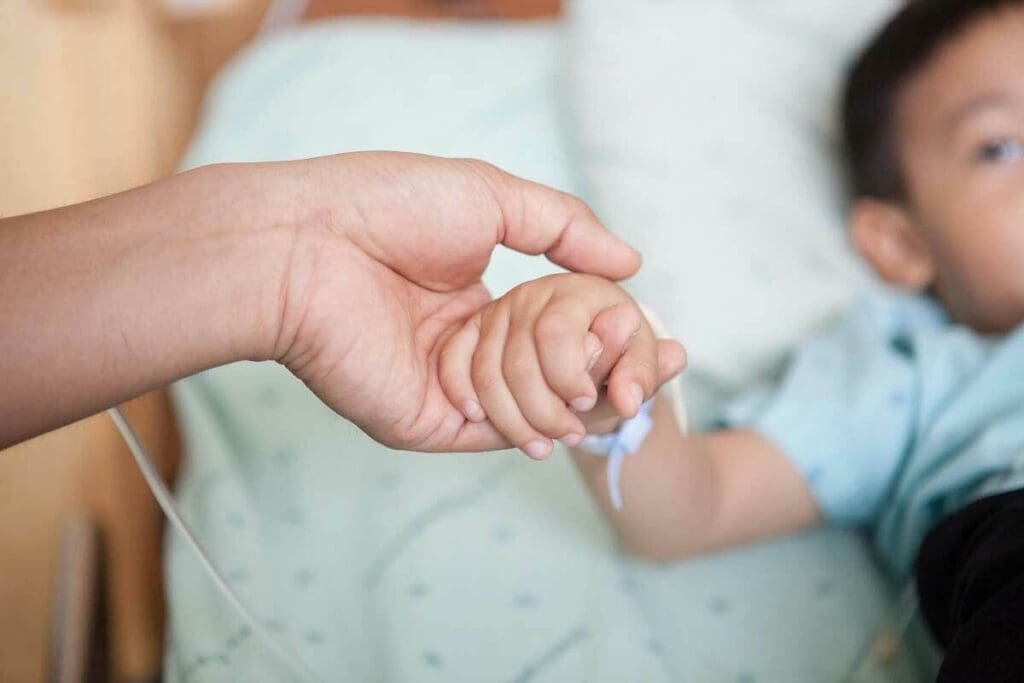
Childhood cancer is a big worry, with leukemia being the most common type. It makes up about 25 percent of all pediatric cancer cases. We aim to give you detailed info on the pediatric leukemia types that affect kids.Discover types of leukemia in children, from common to rare forms, with symptoms and treatments.
There are six main pediatric leukemia types. These include acute lymphoblastic leukemia (ALL), acute myeloid leukemia (AML), and chronic myeloid leukemia (CML). Also, there’s juvenile myelomonocytic leukemia (JMML), mixed lineage leukemia (MLL), and acute promyelocytic leukemia (APL). Knowing about these types is key for diagnosis and treatment.
At Liv Hospital, we offer expert care for kids with blood cancer. Our team works together to create a treatment plan that really changes a child’s life. We make sure each child gets the best care possible.
Key Takeaways
- Leukemia is the most common type of childhood cancer.
- Six major types of pediatric leukemia have been identified.
- Understanding the different types is key for effective diagnosis and treatment.
- Expert multidisciplinary care can greatly improve treatment outcomes.
- Liv Hospital is dedicated to giving full care to children with leukemia.
Understanding Childhood Leukemia: The Most Common Pediatric Cancer

It’s important to know about childhood leukemia to catch it early and treat it well. Leukemia is the top cancer in kids. Knowing the basics helps give them the best care.
What Defines Childhood Leukemia
Childhood leukemia is a cancer that affects the blood and bone marrow. It happens when white blood cells, which fight infections, are made wrong. Acute Lymphoblastic Leukemia (ALL) is the most common type, making up about 80% of cases.
This disease messes up blood cell production. It can cause anemia, infections, and bleeding problems. Knowing what leukemia is helps manage it better.
Prevalence and Statistics
Leukemia is the top childhood cancer, with ALL being the main type. The American Cancer Society says leukemia makes up about 30% of cancers in kids. It affects kids of all ages and genders, making it a big health issue.
| Type of Leukemia | Percentage of Cases | Typical Age Group |
| Acute Lymphoblastic Leukemia (ALL) | 80% | 2-5 years |
| Acute Myeloid Leukemia (AML) | 15-20% | Infants and Adolescents |
| Other Types | Less than 5% | Varies |
Median Age of Diagnosis
The average age when kids get leukemia is about six years old. Most cases happen between 2 and 5 years old.
Knowing when kids usually get leukemia helps doctors and parents watch for signs. This means they can get help sooner.
Types of Leukemia in Children
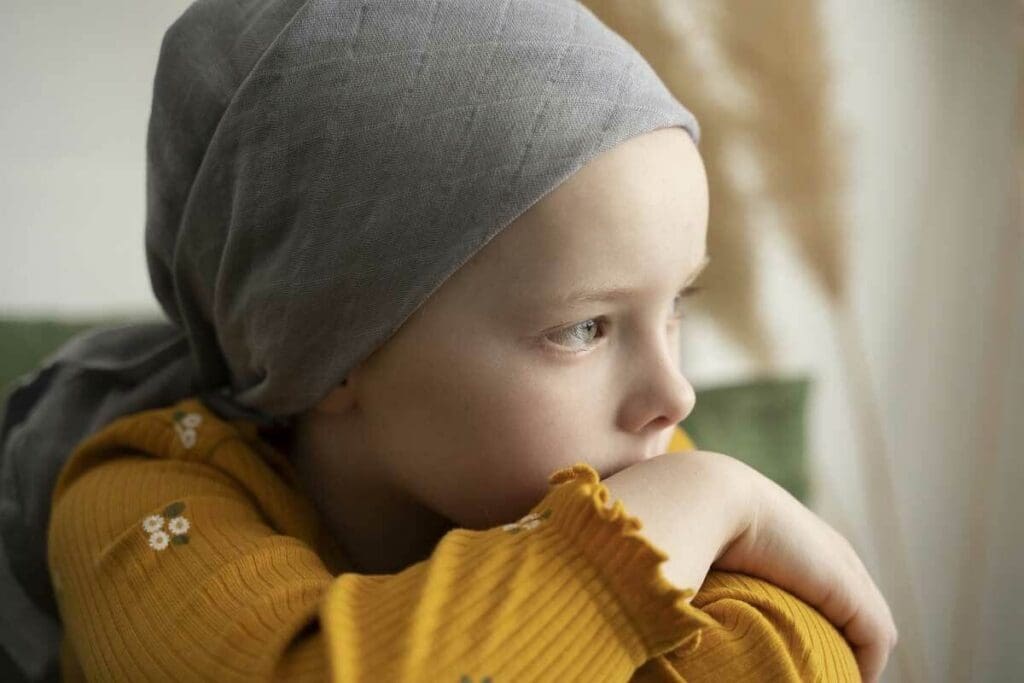
It’s important to know the different types of leukemia in kids. This knowledge helps doctors diagnose and treat the disease better. The main types are Acute Lymphoblastic Leukemia (ALL), Acute Myeloid Leukemia (AML), Chronic Myeloid Leukemia (CML), and Juvenile Myelomonocytic Leukemia (JMML).
ALL is the most common leukemia in kids, making up 80% of cases. It’s caused by too many immature lymphocytes. Early treatment is key to saving lives in children with ALL. Research shows that genetics play a big role in ALL, with some genes raising the risk.
Family History Considerations
Family history is key when looking at leukemia risk in kids. Kids with a family history of leukemia, like a parent or sibling, might be at higher risk. Genetic counseling is suggested for families with leukemia or cancer history.
Some genetic conditions, like Down syndrome, raise leukemia risk. Also, some environmental factors can increase leukemia risk in kids. Knowing these risks helps in early detection and treatment.
- Acute Lymphoblastic Leukemia (ALL)
- Acute Myeloid Leukemia (AML)
- Chronic Myeloid Leukemia (CML)
- Juvenile Myelomonocytic Leukemia (JMML)
In summary, knowing about leukemia types in kids and family history is vital for care. By studying genetics and environment, we aim to better diagnose and treat leukemia in children.
Acute Lymphoblastic Leukemia (ALL): The Most Common Form of Childhood Leukemia
ALL, or Acute Lymphoblastic Leukemia, is the most common cancer in kids. It happens most often between 2 and 5 years old. This disease makes too many immature white blood cells in the bone marrow.
Characteristics and Subtypes
ALL has different subtypes based on the leukemia cells’ genes. B-cell ALL is the most common, making up about 85% of cases. T-cell ALL is less common but can be riskier.
Genetic abnormalities are key in ALL’s development and types. These changes can impact how the disease is treated and its outcome.
Peak Incidence in Ages 2-5
ALL hits kids hardest between 2 and 5 years old. This age group is more at risk due to genetics and environment.
Studies show that early infections might raise the risk of ALL. Knowing this can help in preventing the disease.
Symptoms and Presentation
Symptoms of ALL vary but often include fatigue, pale skin, and frequent infections. Kids might also feel bone pain and swelling from leukemia cells.
Getting a quick diagnosis is key for effective treatment. Tests include blood counts, bone marrow samples, and genetic tests to find disease markers.
Prognosis and Survival Rates
Thanks to better treatments, ALL survival rates have soared. Now, over 90% of kids in developed countries survive.
Treatment plans are now more tailored. They use risk levels to match therapy to each child’s needs. This approach has led to better results.
Acute Myeloid Leukemia (AML): Second Most Prevalent Pediatric Blood Cancer
Acute Myeloid Leukemia (AML) is a fast-growing cancer in kids. It affects the bone marrow, causing problems with blood production. This makes it hard to treat.
Defining Features and Subtypes
AML is a group of diseases with different types. The French-American-British (FAB) and World Health Organization (WHO) classifications help sort them. These systems look at how different the cells are and their lineage.
Key Subtypes and Their Characteristics:
- M0: Undifferentiated acute myeloid leukemia
- M1: Acute myeloblastic leukemia without maturation
- M2: Acute myeloblastic leukemia with maturation
- M3: Acute promyelocytic leukemia (APL)
- M4: Acute myelomonocytic leukemia
- M5: Acute monocytic leukemia
- M6: Acute erythroid leukemia
- M7: Acute megakaryoblastic leukemia
Prevalence in Infants and Adolescents
AML is found in about 15-20% of kids with leukemia. It mostly affects babies and teenagers. Babies often have a worse version of AML, with MLL gene changes.
| Age Group | AML Incidence | Common Genetic Features |
| Infants (<1 year) | Higher incidence | MLL gene rearrangements |
| Adolescents (15-19 years) | Lower incidence compared to infants | Varied genetic abnormalities |
Clinical Manifestations
Kids with AML might feel tired, pale, or bleed easily. They could also get sick more often. AML can hurt bones, cause swollen lymph nodes, and make organs like the liver and spleen big.
“The symptoms of AML can be hard to spot, making it tough to diagnose quickly. Doctors need to be very careful, looking for signs like low blood counts or big organs.”
Treatment Challenges and Outcomes
Treating AML in kids means using strong chemotherapy. Sometimes, they need a bone marrow transplant. But AML is tough to beat, with more side effects than other cancers.
New research helps doctors choose the right treatment for each child. But, AML is hard to cure, with a 5-year survival rate of 50-60% in places with good healthcare.
Chronic Myeloid Leukemia (CML) in Children and Teens
Pediatric CML is a rare condition that needs special care and treatment. It’s marked by the Philadelphia chromosome, a genetic change from chromosomes 9 and 22.
The Philadelphia Chromosome
The Philadelphia chromosome is key to CML. It leads to a BCR-ABL fusion gene. This gene makes a tyrosine kinase enzyme that keeps cancer cells growing. Finding this chromosome is vital for diagnosing and tracking CML.
Higher Incidence in Adolescents
CML mostly affects adults but can also happen in kids and teens. It’s more common in those over 10. Knowing this helps catch it early and manage it better.
Symptoms and Disease Progression
CML goes through three phases: chronic, accelerated, and blast. Symptoms include tiredness, weight loss, and a big spleen. As it gets worse, so do the symptoms and risks. Catching it early and treating it can greatly improve life and outcomes.
Treatment Approaches
Targeted therapies, like tyrosine kinase inhibitors (TKIs), have changed CML treatment. TKIs like imatinib, dasatinib, and nilotinib have boosted survival and quality of life. The right TKI and treatment plan depend on the patient’s age, disease stage, and how they respond.
| Treatment Option | Description | Advantages |
| Imatinib | First-generation TKI | Established efficacy, long-term data |
| Dasatinib | Second-generation TKI | Faster response, effective in imatinib-resistant cases |
| Nilotinib | Second-generation TKI | High potency, reduced risk of resistance |
We watch patients closely for how well they’re doing and any side effects. We adjust their treatment as needed to get the best results.
Juvenile Myelomonocytic Leukemia (JMML): A Rare Pediatric Blood Cancer
Juvenile Myelomonocytic Leukemia (JMML) is a rare blood cancer that mainly hits young kids. It’s caused by too many myeloid cells, leading to health issues.
Distinctive Features
JMML stands out because of its fast growth and symptoms like hepatosplenomegaly, lymphadenopathy, and skin problems.
It’s very aggressive, so quick diagnosis and treatment are key. We’ll look at how to spot it early and why it’s so important.
Age of Onset and Risk Factors
Kids under four, often around two years old, get JMML. Knowing what increases the risk helps catch it early.
Genetic issues, like RAS gene problems, and conditions like neurofibromatosis type 1 (NF1) are risk factors. We’ll talk about how these contribute to JMML.
Clinical Manifestations
Symptoms of JMML include fever, weight loss, and tiredness. It often affects the spleen and liver, making them bigger.
Getting a correct diagnosis is vital. It involves checking the patient, lab tests, and genetic studies. We’ll explain how to do this right.
Treatment Options and Outcomes
Treatment for JMML might include chemotherapy, supportive care, and sometimes a stem cell transplant. The choice depends on the child’s health and the disease’s details.
We’ll look at the current treatments and their results. This shows why a team of doctors is essential for JMML care.
Mixed Lineage Leukemia (MLL): Understanding This Genetic Entity
MLL is a rare leukemia in kids, known for its unique genetic changes. It affects the MLL gene, which is key for blood cell production.
Genetic Rearrangements
The MLL gene is on chromosome 11q23. It gets mixed up with other genes, creating new ones. These changes mess up how cells grow and work.
Common MLL translocations involve genes like AF4, AF9, and ENL. The type of translocation can change how the disease shows up and how well it can be treated.
| Translocation | Partner Gene | Frequency |
| t(4;11) | AF4 | High |
| t(9;11) | AF9 | Moderate |
| t(11;19) | ENL | Moderate |
Occurrence in Infants
Most MLL cases are in babies under one year old. Many are diagnosed in the first few months. This makes treatment tough because of the disease’s aggressiveness and the young age of the patients.
Clinical Presentation
MLL symptoms can vary but often include signs of bone marrow failure. These include anemia, low platelets, and low white blood cells. Babies might also have swollen liver and spleen or problems in the brain.
Therapeutic Approaches
MLL treatment usually involves strong chemotherapy. Doctors might also use targeted treatments and stem cell transplants for high-risk cases or when the disease comes back.
Researchers are working on better, less harsh treatments for MLL. They’re looking at new drugs that target specific disease pathways.
Acute Promyelocytic Leukemia (APL): A Rare but Distinct Form
Acute Promyelocytic Leukemia, or APL, is a rare leukemia type. It’s known for its unique molecular features and treatment methods. APL is a subtype of Acute Myeloid Leukemia (AML). It’s marked by abnormal promyelocytes in the bone marrow and blood.
Molecular Characteristics
APL is linked to a specific chromosomal swap between chromosomes 15 and 17, t(15;17). This swap creates the PML-RARA fusion gene. This gene is key to APL’s diagnosis and how the disease works.
The PML-RARA fusion gene stops cells from differentiating normally. This leads to a buildup of immature cells. Knowing this helps in creating targeted treatments.
Age Distribution
APL can strike at any age but mostly hits adults between 25 and 60. It’s less common in kids and the elderly.
The age when APL strikes affects how it’s treated. For example, older adults might face more challenges due to other health issues.
Symptoms and Complications
APL patients often feel tired, get sick easily, and bleed a lot. They’re also at high risk for disseminated intravascular coagulation (DIC). DIC can cause severe bleeding.
APL’s symptoms and risks mean quick diagnosis and treatment are vital. Early action can greatly improve chances of recovery.
Modern Treatment Protocols
APL treatment has changed a lot with the use of all-trans retinoic acid (ATRA) and arsenic trioxide (ATO). These drugs help abnormal cells turn into normal ones. This has greatly boosted survival rates.
| Treatment Component | Description | Outcome |
| ATRA | Promotes differentiation of leukemic cells | Improved remission rates |
| Arsenic Trioxide | Targets APL cells for apoptosis | Enhanced survival |
| Combination Therapy | ATRA + ATO | High cure rates |
A study found that ATRA and ATO together have changed APL treatment. This combo is very effective and has fewer side effects. It has made APL a disease that can often be cured.
We keep up with new APL treatments. This ensures patients get the best and latest care.
Blood Cancer in Infants: Special Considerations
Blood cancer in babies is rare but serious. It needs special medical care. Infants with leukemia face unique challenges, like hard diagnosis and special treatments.
Types Most Common in Babies
Infants often get Acute Lymphoblastic Leukemia (ALL) and Acute Myeloid Leukemia (AML). ALL is the top leukemia in kids, including babies, and grows fast.
Studies show infants with ALL have special genes. For example, the Mixed Lineage Leukemia (MLL) gene is more common in them.
| Type of Leukemia | Prevalence in Infants | Key Characteristics |
| Acute Lymphoblastic Leukemia (ALL) | Most common in infants under 1 year | Rapid progression, often with MLL gene rearrangement |
| Acute Myeloid Leukemia (AML) | Less common than ALL but significant | More aggressive, with various genetic mutations |
Unique Challenges in Diagnosis
Finding leukemia in infants is hard. Their symptoms can look like other baby illnesses. So, doctors use many tests, like bone marrow analysis and genetic tests.
Treatment Adaptations for Infants
Infants with leukemia get special treatments. Chemotherapy is key, but we adjust it to protect them from harm.
Long-term Outcomes
Thanks to new treatments, more infants survive leukemia. But, they need ongoing care to watch for treatment side effects.
Understanding leukemia in infants helps us give better care. This improves their chances of a good life.
Diagnosis and Staging of Pediatric Leukemia
Diagnosing pediatric leukemia is a detailed process. It starts with an initial check-up, special tests, and staging. These steps help us find the right treatment for each child.
Initial Evaluation and Testing
The first step is a detailed medical history and physical exam. We look for signs like unexplained bruising, fatigue, or frequent infections. Blood tests check for abnormal white and red blood cells, and platelets.
Bone Marrow Analysis
Bone marrow tests are key for diagnosing leukemia. We remove a bone marrow sample for examination. This helps us see if leukemia cells are present and how much bone marrow is affected.
Genetic and Molecular Testing
Genetic and molecular tests are vital for finding leukemia’s specific genetic traits. These tests help us understand the leukemia’s type, how aggressive it is, and the best treatment. We use fluorescence in situ hybridization (FISH) and polymerase chain reaction (PCR) for these tests.
Staging and Risk Classification
After finding out what type of leukemia it is, we stage it. Staging looks at how widespread the leukemia is. It considers the number of white blood cells, if leukemia is in the brain, and if other organs are affected. This helps us sort leukemia into risk groups, guiding treatment and predicting how well a child will do.
Conclusion: Advances in Pediatric Leukemia Care and Future Directions
Leukemia treatment has made big strides, leading to better survival rates for kids. The field of pediatric leukemia care has grown a lot. Ongoing research is finding new, more effective ways to treat the disease.
Understanding the different types of leukemia, like ALL and AML, has been key. This knowledge has helped create targeted treatments. Looking ahead, treatments will likely get even more tailored, thanks to genetic and molecular testing.
It’s vital to keep funding research to tackle the remaining challenges in treating leukemia in kids. This way, we can make sure kids with leukemia get the best care possible. The outlook for pediatric leukemia care is bright, with ongoing advancements leading to better patient outcomes.
FAQ
What is childhood leukemia?
Childhood leukemia is a cancer that affects the blood and bone marrow. It’s caused by abnormal white blood cells growing too much. It’s the most common cancer in kids.
How common is leukemia in children?
Leukemia is the most common cancer in kids, making up 30% of all childhood cancers. The American Cancer Society says acute lymphoblastic leukemia (ALL) is the most common type, making up 80% of cases.
What are the different types of leukemia that affect children?
Children can get several types of leukemia. These include acute lymphoblastic leukemia (ALL), acute myeloid leukemia (AML), and others like chronic myeloid leukemia (CML) and acute promyelocytic leukemia (APL).
Is childhood leukemia genetic?
While we don’t know the exact cause, genetics might play a part. Kids with certain genetic disorders, like Down syndrome, are at higher risk.
What are the symptoms of leukemia in children?
Symptoms include feeling very tired, pale skin, and getting sick often. Kids might also bruise easily or have swollen lymph nodes. Symptoms vary by type of leukemia.
How is leukemia diagnosed in children?
Doctors use a few methods to diagnose leukemia. These include blood tests, bone marrow aspiration, and genetic testing. They might also use X-rays or CT scans to check for leukemia in other parts of the body.
What is the treatment for childhood leukemia?
Treatment depends on the type and stage of leukemia, and the child’s health. It often includes chemotherapy, targeted therapy, and sometimes bone marrow transplantation.
What is the prognosis for children with leukemia?
The outlook for kids with leukemia has gotten better. Survival rates have increased. The prognosis depends on the type of leukemia, how well the child responds to treatment, and other factors.
Are there any long-term effects of leukemia treatment in children?
Yes, treatment can affect kids in the long run. It might impact their growth, fertility, and increase the risk of other cancers. Long-term care is important to manage these effects.
Can leukemia in infants be treated differently?
Yes, infants with leukemia often need special treatment. This is because their bodies and leukemia are different from older kids.
What is the role of genetic testing in diagnosing leukemia?
Genetic testing is key in diagnosing and classifying leukemia. It helps find specific genetic changes that guide treatment and predict outcomes.
How does family history impact the risk of childhood leukemia?
A family history of leukemia or certain genetic disorders can raise a child’s risk. But most cases happen without a known family history.
References
- National Center for Biotechnology Information (NCBI). (2023). Leukemia classification. Bookshelf. https://www.ncbi.nlm.nih.gov/books/NBK560490/