
Understanding urinary tract infections (UTIs) means knowing how to read test results. We’ll show you how to understand your UTI test results. This includes what bacteria levels and other signs mean.Learn how to read your UTI test results and what the presence of UA bacteria (bacteria in urinalysis) indicates about infection severity.
Urine tests check for things like electrolytes, proteins, and bacteria. They help find health issues. Knowing your test results helps you understand your diagnosis and treatment choices.
Reading urinalysis and urine culture results can be tricky. But with the right help, you can understand your UTI diagnosis better. We’re here to guide you through these tests and their health implications.
Key Takeaways
- Understanding urinalysis and urine culture results is key for UTI diagnosis.
- Bacteria levels are very important in finding UTIs.
- Urine tests check for different substances to see your health.
- Knowing your test results helps you understand your diagnosis and treatment.
- There’s help available to make sense of complex test results.
Understanding Urinary Tract Infections (UTIs)

UTIs are bacterial infections in the urinary tract. They cause discomfort and can lead to serious problems if not treated. These infections can happen in any part of the urinary system, like the kidneys, bladder, and urethra.
We know UTIs are a big health issue. They happen often and can really affect how well you live. It’s important to know the symptoms and risk factors to manage and prevent UTIs.
Common Symptoms and Risk Factors
UTIs often show symptoms like burning when you pee, needing to pee a lot, and feeling like you need to pee right away. You might also have abdominal pain, urine that looks cloudy or smells bad, and blood in your urine.
Some people are more likely to get UTIs. Being female, sexually active, having urinary tract problems, or having had UTIs before are risk factors. Knowing these can help you prevent them.
Risk Factor | Description |
Female Gender | Women are more prone to UTIs because their urethra is shorter, making it easier for bacteria to get into the bladder. |
Sexual Activity | Sex can bring bacteria into the urinary tract, raising the risk of UTIs. |
Urinary Tract Abnormalities | Issues like kidney stones or an enlarged prostate can block urine flow, making UTIs more likely. |
The Importance of Proper Diagnosis
Diagnosing UTIs right involves tests like urinalysis (UA) and sometimes urine culture. Getting it right is key for good treatment and avoiding worse problems.
It’s vital to understand UA results. This helps doctors know how bad the infection is and what treatment to use.
Types of UTI Diagnostic Tests
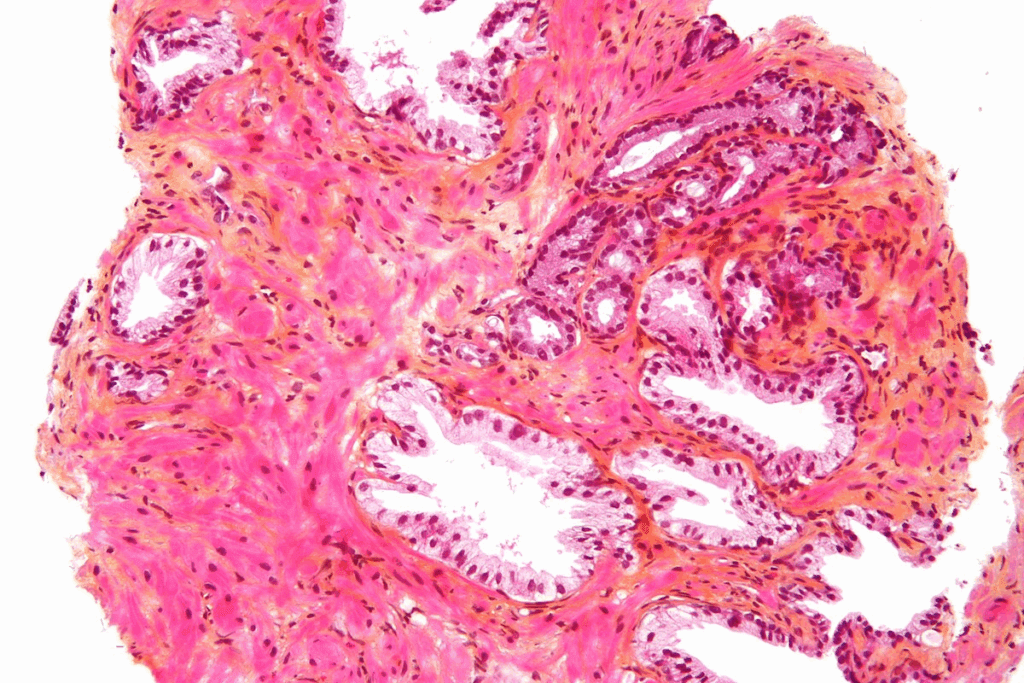
Knowing about the different UTI diagnostic tests is key for accurate diagnosis and treatment. Healthcare providers use various tests to confirm UTIs and find the cause. This helps in treating the infection effectively.
Urinalysis (UA)
Urinalysis is a basic tool for finding UTIs. It checks a urine sample for bacteria, white blood cells, and other signs. Key parts of urinalysis include:
- Visual check: looking at the urine’s color and clarity
- Chemical test: checking for chemicals like nitrites and leukocyte esterase
- Microscopic look: examining the urine for bacteria, white blood cells, and more
Urine Culture and Sensitivity
Urinalysis gives quick results, but urine culture and sensitivity test more about the infection. This test grows a urine sample to find the bacteria causing the UTI. It also checks how well antibiotics work against these bacteria.
The benefits of urine culture and sensitivity include:
- Exact identification of the bacteria causing the UTI
- Help in choosing the right antibiotics
- Finding out if the bacteria are resistant to antibiotics
Point-of-Care Tests
Point-of-care tests, like dipstick tests, give fast results. They are often used in clinics for a first check. They are not as detailed as urinalysis or urine culture but help make quick decisions.
It’s important to remember that while point-of-care tests are handy, they might not be as accurate as more detailed tests.
Decoding UA Bacteria: What Your Urinalysis Results Mean
Urinalysis is a key tool for doctors to check for urinary tract infections (UTIs). When we get urinalysis results, knowing what they mean is very important. It helps in diagnosing and treating the infection.
How Bacteria Are Detected in Urinalysis
Bacteria in urinalysis are found through microscopy and dipstick tests. Microscopy lets us see bacteria directly. Dipstick tests look for nitrites, which bacteria often make.
These methods are quick and effective. They help spot infections early. Finding bacteria is key to diagnosing UTIs.
Bacteria Quantification Methods
Counting bacteria shows how severe the infection is. One way is by reporting bacteria per high-power field (HPF). This tells doctors how many bacteria are in the urine.
These methods help decide if bacteria levels are normal or if treatment is needed.
Normal vs. Abnormal Bacteria Levels
It’s important to know the difference between normal and abnormal bacteria levels. A few bacteria might be okay, but many usually mean an infection.
Bacteria Level | Interpretation | Clinical Significance |
Few | Normal or Contamination | Usually not significant |
Moderate | Possible Infection | May require further testing or treatment |
Many | Likely Infection | Often requires treatment |
The table shows how important it is to understand bacteria levels. We must look at these levels with other test results and symptoms.
Knowing how bacteria are found and counted in urinalysis helps us understand results better. This leads to better care for patients.
Bacteria per High-Power Field (HPF) Explained
It’s important to know about bacteria per high-power field (HPF) to understand urinalysis results. This measure helps find bacteria in urine, which is key for spotting urinary tract infections (UTIs).
Understanding the HPF Measurement
The high-power field (HPF) is a way to count bacteria in urine under a microscope. It looks at a specific area at 400x magnification. This count helps doctors see how many bacteria are in the urine.
“The presence of bacteria in urine is a key indicator of urinary tract infections,” as noted by medical professionals. Knowing about HPF helps doctors understand urinalysis results better.
The 5 Bacteria/HPF Threshold
A big deal in urinalysis is the 5 bacteria/HPF mark. This means about 100,000 colony-forming units per milliliter (CFUs/mL). This number is a key sign of infection that might need doctor’s care.
Correlation Between Bacteria/HPF and 100,000 CFUs/mL
There’s a strong link between bacteria/HPF and 100,000 CFUs/mL in urinalysis. Research shows 5 bacteria/HPF is about the same as 100,000 CFUs/mL for UTI diagnosis. This helps doctors make better choices for patient care.
In summary, knowing about bacteria per HPF is key for understanding urinalysis and spotting UTIs. Recognizing the 5 bacteria/HPF mark and its link to 100,000 CFUs/mL helps doctors treat patients right.
Interpreting “Moderate Bacteria” in Urinalysis Results
Understanding “moderate bacteria” in urinalysis is key for doctors to spot and judge urinary tract infections (UTIs). Urinalysis results show bacteria levels as few, moderate, or many. It’s important to interpret these results carefully to grasp their meaning.
What “Few,” “Moderate,” and “Many” Bacteria Actually Mean
The terms “few,” “moderate,” and “many” bacteria are used in urinalysis to measure bacterial amounts. “Few” bacteria mean a low count, which might not be a big deal without symptoms. “Moderate” bacteria indicate a higher count that needs looking into. “Many” bacteria show a big bacterial presence, often meaning an active infection.
Doctors need to know these terms to figure out if a UTI is likely and what to do next. Seeing moderate bacteria often means checking symptoms and other urinalysis results too.
The 2+ to 4+ Bacteria Scale
Urinalysis reports sometimes use a scale from 1+ to 4+ to show bacteria levels. “Moderate bacteria” usually means a 2+ or 3+ on this scale. A 2+ means a moderate amount, and a 3+ means more.
- 1+: Few bacteria
- 2+: Moderate bacteria
- 3+: Many bacteria
- 4+: Very many bacteria
Clinical Significance of Different Bacteria Levels
The importance of bacteria levels in urinalysis depends on many things. These include patient symptoms, medical history, and other urinalysis results. Moderate bacteria levels might show a growing infection or contamination. Doctors must link these findings with the patient’s symptoms to decide the best course of action.
For example, a patient with moderate bacteria and symptoms like pain or frequent urination might need antibiotics. But, a patient without symptoms and the same bacteria levels might not need treatment right away. It’s important for doctors to understand the clinical significance of these results to make good decisions.
Other Critical UTI Indicators in Urinalysis
Urinalysis gives a detailed look at UTI signs, like white blood cells and nitrites. While bacteria levels are key, other urine elements also offer important clues for a correct diagnosis.
White Blood Cells (WBCs) and Pyuria
White Blood Cells (WBCs) in urine, or pyuria, show the body is fighting an infection. More than 10 WBCs per high-power field (HPF) in a urine sample is considered pyuria.
“The presence of pyuria is a strong indicator of a UTI, and it’s often used in conjunction with other urinalysis results to confirm a diagnosis,” says Medical Expert, a urologist. This shows why WBC counts are important when looking at urinalysis results.
The Significance of >10 WBCs per HPF
More than 10 WBCs per HPF means there’s a big inflammatory response in the urinary tract. This level is often linked to bacterial infections and is used to diagnose UTIs.
- A count of >10 WBCs/HPF suggests a significant infection.
- Lower counts may indicate contamination or a less severe infection.
- Counts significantly higher than 10 WBCs/HPF may indicate a more severe infection or complications.
Nitrites and Leukocyte Esterase as Infection Markers
Urinalysis also checks for nitrites and leukocyte esterase, key signs of infection. Nitrites show certain bacteria are present. Leukocyte esterase is an enzyme from WBCs, acting as a pyuria marker.
Nitrites and leukocyte esterase help doctors diagnose UTIs better. A study in the Journal of Clinical Microbiology found, “The combination of leukocyte esterase and nitrite tests provides a rapid and reliable method for diagnosing UTIs.”
Knowing about these UTI indicators in urinalysis is vital for healthcare providers. By looking at WBCs, nitrites, and leukocyte esterase, along with bacteria levels, doctors can better diagnose and treat UTIs.
Understanding Urine Culture Results
Urine culture test results give detailed info on bacterial infections. They help choose the right antibiotics. These results are key in treating urinary tract infections (UTIs).
Colony-Forming Units (CFUs) Explained
CFUs measure the number of live bacteria in urine. CFU counts show how severe the infection is. A count over 100,000 CFUs/mL usually means a serious infection.
Knowing about CFUs is important. It helps tell if bacteria are just present or causing an infection. A low count might mean contamination, while a high count suggests an active infection.
Identifying Bacterial Species
Urine culture results show how many bacteria are there and what kind. Knowing the bacterial species is key for picking the right antibiotic.
Each bacterial species reacts differently to antibiotics. For example, Escherichia coli (E. coli) often causes UTIs and might not respond to some antibiotics.
Antibiotic Sensitivity Testing
Antibiotic sensitivity testing is a big part of urine culture results. It finds out which antibiotics work best against the bacteria found.
Knowing which antibiotics work helps doctors treat infections better. This approach also helps prevent antibiotic resistance.
Potential False Results and Contamination Issues
Getting a UTI diagnosis right is key. It’s not just about understanding test results. We also need to watch out for false positives and contamination. These factors are important for the right diagnosis and treatment.
Common Causes of False Positives
False positives in UTI tests can happen for many reasons. Contamination during the collection process is a big one. This can occur when bacteria from the genital area get into the urine sample. Other reasons include wrong handling of the sample, certain meds, and other health issues.
For example, if the urine sample isn’t collected right, it might show bacteria that aren’t in the urinary tract. This can lead to a false-positive result. So, it’s really important to collect the sample correctly to avoid this.
Recognizing Contaminated Samples
It’s key to spot contaminated samples for accurate diagnosis. A contaminated sample might have unusual bacteria or too much bacteria. Lab techs look for signs like different types of bacteria or cells that shouldn’t be there.
Contaminated samples can cause wrong diagnoses and bad treatments. So, we need to find and fix contamination problems fast.
Proper Collection Techniques
Using the right way to collect urine is critical. The midstream urine collection method is best. It cuts down on contamination from the genital area. Patients should clean their genital area before and start urinating before collecting the sample.
Healthcare providers should teach patients how to collect urine properly. This helps keep the sample clean and accurate. It leads to better diagnoses and treatments.
Special Considerations for Different Patient Populations
It’s key to know the unique needs of different patient groups for accurate UTI diagnosis and treatment. Pregnant women, elderly patients, and those with indwelling catheters need special attention when looking at UTI test results.
Pregnant Women
Pregnancy increases the risk of UTIs due to body changes. Asymptomatic bacteriuria is more common in pregnant women and can cause problems if not treated. So, it’s wise to screen for bacteriuria at the first prenatal visit.
Elderly Patients
Elderly patients often show different symptoms, like confusion or delirium, instead of the usual UTI signs. This makes diagnosis harder. They may also have other health issues that make UTI diagnosis and treatment more complex.
Patients with Indwelling Catheters
Patients with indwelling urinary catheters face a higher risk of UTIs. The catheter can bring bacteria into the urinary tract, causing infection. When looking at UTI test results for these patients, it’s important to tell apart colonization from true infection.
Asymptomatic Bacteriuria vs. Active Infection
It’s vital to tell apart asymptomatic bacteriuria from active UTI for proper management. Asymptomatic bacteriuria means bacteria in the urine without symptoms, while active UTI has both bacteria and symptoms. Not all patients with bacteriuria need antibiotics; treatment should only be given to those with symptoms or at high risk for complications.
Understanding these special considerations helps healthcare providers make better decisions when diagnosing and treating UTIs in different patient groups.
Conclusion: When to Seek Treatment Based on UTI Test Results
Knowing when to get treatment for UTIs is key. We’ve looked at how tests and signs help find urinary tract infections. If you have big amounts of bacteria or other signs of infection, see a doctor.
Doctors use your symptoms and health history to guide treatment. This approach helps patients get better faster and avoids serious problems. If your test shows unusual bacteria or infection signs, talk to a healthcare expert. They’ll figure out the best treatment for you.
Getting medical help quickly is important. It stops UTIs from getting worse and prevents long-term harm. We urge everyone to take care of their health. If you have symptoms or abnormal test results, don’t hesitate to see a doctor.
FAQ
What does a positive urinalysis (UA) result mean for a UTI diagnosis?
A positive UA result shows bacteria, white blood cells, or infection signs in the urine. This confirms a UTI.
How do I interpret bacteria levels reported as “few,” “moderate,” or “many” in urinalysis results?
Bacteria levels like “few,” “moderate,” or “many” show different amounts in the urine. “Moderate” means a lot of bacteria, usually 2+ to 4+.
What is the significance of the 5 bacteria/HPF threshold in urinalysis results?
The 5 bacteria/HPF threshold means 100,000 CFUs/mL. It’s a key UTI diagnostic criterion. This helps doctors understand urinalysis results and diagnose UTIs.
What other indicators beside bacteria levels are important in diagnosing UTIs?
Important UTI indicators include white blood cells (WBCs), nitrites, and leukocyte esterase. Pyuria, shown by high WBCs, is a key UTI finding.
How do urine culture results help in diagnosing and treating UTIs?
Urine culture results show the bacteria causing the infection and antibiotic sensitivity. This guides targeted therapy and effective treatment.
What are the common causes of false-positive UTI test results?
False-positive results can happen due to contamination or other factors. Proper urine collection and hygiene help avoid contamination.
How do I distinguish between asymptomatic bacteriuria and active UTI?
Asymptomatic bacteriuria has bacteria in the urine without symptoms. Active UTI has symptoms like pain, frequent urination, and urgency. Doctors must look at bacteria levels and symptoms to diagnose.
Are there special considerations for diagnosing and treating UTIs in different patient populations?
Yes, pregnant women and elderly patients need special care for UTIs. Understanding these needs helps doctors provide better care for all patients.
References
- NIH MedlinePlus. (2024, May 22). Crystals in urine. https://medlineplus.gov/lab-tests/crystals-in-urine/