Tight hip flexors can cause lower back pain and lower performance in activities like hiking and running. At Liv Hospital, we know how key hip mobility is for health and sports. It’s important for everyone, whether you’re active or not.Listing ten dynamic hip mobility exercises essential for improving flexibility and athletic performance safely.
Dynamic stretches for hips are key for getting ready for hard activities. They’re different from static stretches because they move your muscles and boost blood flow. This makes them a must-have for any good health plan.
Adding dynamic hip mobility exercises to your daily routine can make your movements better and lower injury chances. At Liv Hospital, we’re dedicated to giving you the latest health advice and plans that fit your life.
Key Takeaways
- Dynamic stretches can improve flexibility and reduce injury risk.
- Hip mobility is key for health and sports.
- Adding dynamic exercises to your routine can improve your range of motion.
- Liv Hospital offers detailed wellness plans for everyone.
- Boosting hip mobility can lessen lower back pain and enhance sports performance.
The Hidden Impact of Hip Mobility on Your Body
Discovering how hip mobility affects our bodies can be eye-opening. It shows how flexibility, performance, and health are linked. Whether you’re active or not, having good hip mobility is key.
Common Causes of Poor Hip Mobility
Poor hip mobility can come from prolonged sitting and overuse. Sitting a lot makes our hip flexors tight, reducing how well we can move. Doing the same thing over and over can also make our hip muscles unbalanced, leading to mobility problems.
- Sedentary lifestyle
- Overuse or repetitive strain
- Muscle imbalances
How Limited Hip Mobility Affects Performance and Daily Life
Limited hip mobility can really impact how well we do in sports and everyday tasks. For athletes, it can mean less power and a higher chance of getting hurt. For those who sit a lot, it can cause back pain and make it harder to move around.
Adding a daily hip mobility routine can help a lot. Simple stretches and exercises can make our hips more flexible and lower injury risks. Even wearing hip mobility bottoms can help us move better.
Dynamic Hip Mobility Exercises: The Science-Backed Approach
Dynamic hip mobility exercises are backed by science. They prepare the body for physical activity better than static stretching. This is because they mimic the actions of sports and daily activities, making them great for improving hip mobility.
Dynamic vs. Static Stretching: What Research Shows
Studies show dynamic stretching is better than static stretching. A study in the Journal of Strength and Conditioning Research found dynamic stretching boosts muscle power and speed. Static stretching, on the other hand, can harm these areas (1).
“Dynamic stretching exercises are more effective in preparing the body for activity compared to static stretching, as they enhance neuromuscular activation and improve muscle elasticity.”
Dynamic stretching also increases blood flow and muscle temperature. This is key for athletes needing quick, powerful movements.
Stretching Type | Effect on Performance | Effect on Flexibility |
Dynamic Stretching | Improves muscle power and speed | Enhances dynamic flexibility |
Static Stretching | May decrease muscle power and speed | Improves static flexibility |
The Physiological Benefits of Dynamic Movement
Dynamic hip mobility exercises have many benefits. They improve range of motion, neuromuscular coordination, and blood flow. These benefits come from the repetitive, controlled movements of dynamic stretching.
For example, dynamic stretching for hip flexors increases muscle length and improves neuromuscular control. This is great for athletes in sports that require running, jumping, or quick direction changes.
Who Benefits Most from Hip Mobility Work
Athletes and those with active lifestyles get the most from dynamic hip mobility exercises. But, anyone wanting to improve hip mobility and physical function can benefit.
People with sedentary jobs or hip injuries find these exercises very helpful. They counteract the negative effects of sitting too much or stiffness from injuries.
Essential Preparation for Effective Hip Mobility Training
Starting hip mobility training right is key. It’s not just about jumping into exercises. You need the right setup, to get your muscles ready, and to stay safe.
Creating the Optimal Environment
For the best results, set up a great space for your training. You’ll need room to move, the right tools like mats or bands, and a comfy temperature. A good setup helps you stay focused and get better results.
Pre-Mobility Activation Techniques
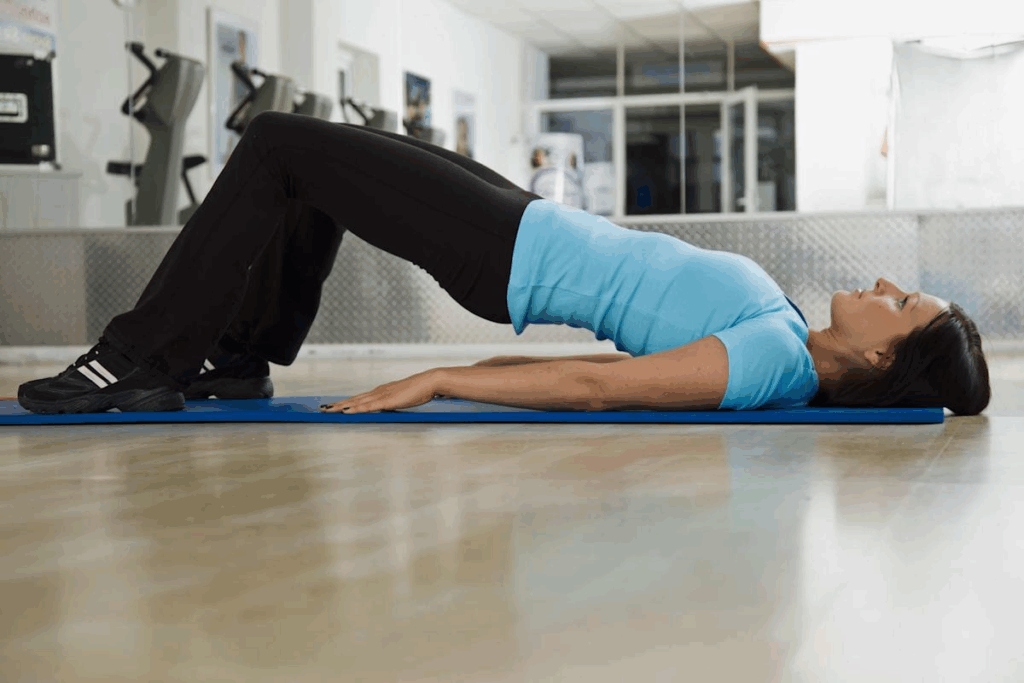
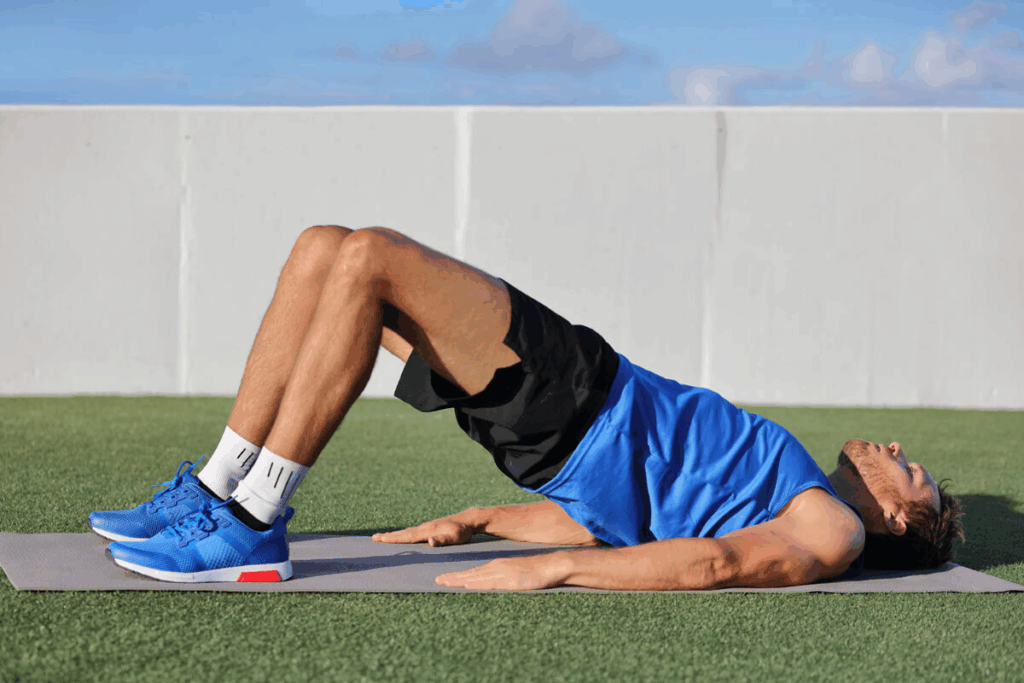
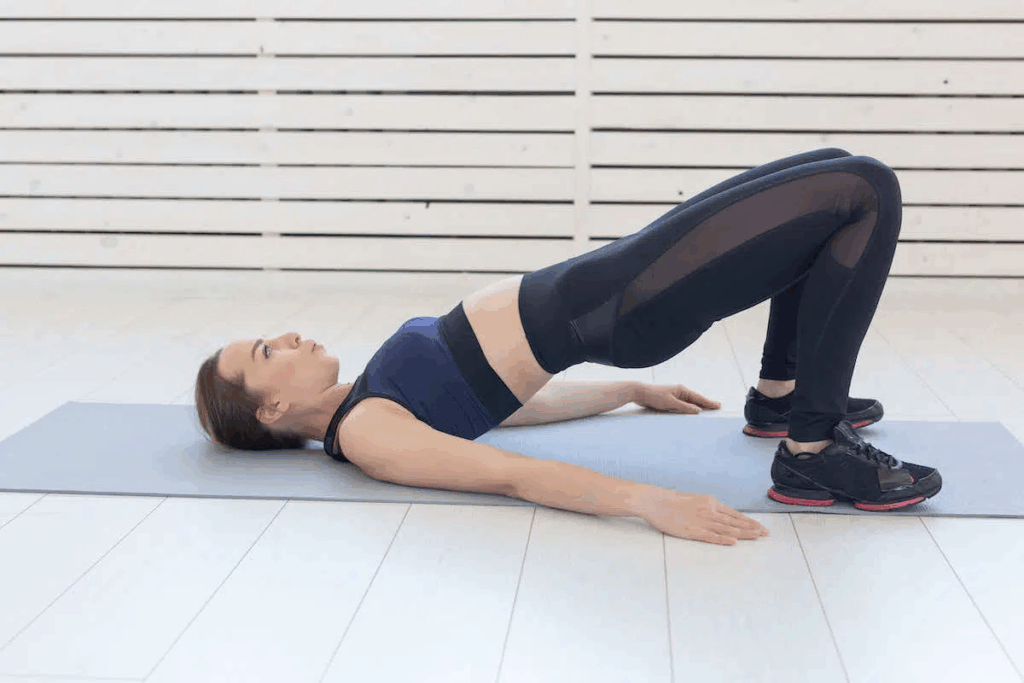
Before you start, warm up your hip muscles. Try glute bridges, leg swings, and dynamic hip hinges. These get your blood flowing and muscles ready for more.
Technique | Description | Benefits |
Glute Bridges | Lying on your back, knees bent, lift your hips towards the ceiling. | Activates glutes, improves hip stability. |
Leg Swings | Standing with support, swing one leg forward and backward. | Loosens hip joint, prepares for dynamic movement. |
Dynamic Hip Hinge | Standing with feet shoulder-width apart, hinge forward at the hips. | Prepares hip flexors, improves mobility. |
Safety Considerations for Hip Mobility Work
Always put safety first when doing hip exercises. Listen to your body and don’t overdo it. Warm up well before starting any exercises to avoid injuries. Also, know about any health issues and talk to a doctor if needed.
By keeping these tips in mind, you can have a safe and effective training session. The aim is to improve your mobility and performance, not to hurt yourself.
Dynamic Hip Flexor Exercises
Dynamic hip flexor exercises are key for better flexibility and less injury risk. Adding these to your routine boosts mobility and sports performance.
Exercise 1: Walking Lunges with Hip Flexor Stretch
Walking lunges stretch the hip flexors effectively. Start by stepping forward with one foot and lowering until your back knee almost touches the ground. Lean forward and lift your back foot’s toes, stretching your back leg’s hip flexor.
Benefits: This move stretches hip flexors, strengthens legs, and boosts balance.
Exercise 2: World’s Greatest Stretch
The world’s greatest stretch works many muscles, including hip flexors. Start in a lunge with your back knee down and front foot flat. Turn your torso towards your front leg, reaching up and over your head. Hold for a few seconds before going back to start.
Tips for Execution: Make sure your back knee is comfy. Use a mat for cushioning. Move smoothly and in control.
Exercise | Primary Benefit | Secondary Benefit |
Walking Lunges with Hip Flexor Stretch | Improves hip flexor flexibility | Strengthens leg muscles |
World’s Greatest Stretch | Stretches hip flexors and lower back | Improves rotational mobility |
Adding these dynamic hip flexor exercises to your daily routine boosts mobility and reduces injury risk. Start slow and increase intensity and frequency as you get stronger.
Dynamic Hip Rotation Exercises
Dynamic hip rotation exercises are key for better flexibility and less stiffness in the hips. They focus on the hip’s rotational movement. This improves mobility and performance in daily life and sports.
Hip Circles and Controlled Rotations
Hip circles are a simple yet effective exercise for improving hip rotation. Stand with your feet shoulder-width apart and hands on your hips. Move your hips in a large circle, first clockwise and then counterclockwise. This loosens the hip joint and boosts rotational mobility.
Controlled rotations build on the basic hip circle. Stand with your feet together and take a step to the side with one foot. Rotate your hip on the standing leg, keeping your knee straight, and then return to the starting position. Repeat on the other side.
Fire Hydrants with Leg Extensions
Fire hydrants are another effective exercise for targeting hip rotation. Start on your hands and knees. Lift one leg out to the side, keeping your knee bent at a 90-degree angle. Hold for a moment, then lower your leg back down. To add a leg extension, straighten your leg as you lift it to the side, which stretches and strengthens the surrounding muscles.
To get the most from fire hydrants with leg extensions, focus on controlled movements and avoid arching your back. Keep your core engaged to maintain stability throughout the exercise.
Exercise | Primary Benefit | Secondary Benefit |
Hip Circles | Improves hip rotation | Enhances overall mobility |
Controlled Rotations | Targets rotational strength | Improves balance and stability |
Fire Hydrants with Leg Extensions | Strengthens hip rotators | Improves flexibility and range of motion |
By adding these dynamic hip rotation exercises to your routine, you can greatly improve your hip mobility and lower injury risk. Start slowly and increase the intensity as your body adapts.
Dynamic Hip Opener Exercises
We’re on a mission to boost hip mobility with dynamic exercises. These hip openers increase flexibility and range of motion. They’re key for any mobility routine.
These exercises help those who sit a lot or have tight hip flexors. Adding them to your daily routine boosts mobility and lowers injury risk.
Exercise 5: Dynamic Pigeon Pose Variations
The pigeon pose is great for hip openness. We make it dynamic by adding movement.
- Start in a lunge position with your back knee on the ground.
- Slowly lower your back knee to the ground, keeping your front foot flexed.
- Lean forward, stretching the front of your hip.
- Push back to the starting position and repeat for 10-15 repetitions.
Benefits: These dynamic pigeon poses boost hip flexibility and reduce hip joint stiffness.
Exercise 6: Dynamic Butterfly Stretches
Dynamic butterfly stretches are effective for hip openness. They target the adductor muscles, improving flexibility.
- Sit on the floor with your legs bent and feet together.
- Let your knees fall apart as far as comfortable.
- Flap your legs like butterfly wings, keeping your feet together.
- Continue for 10-15 repetitions, increasing the range of motion as you go.
Fitness experts say dynamic stretches like the butterfly stretch greatly improve hip mobility. They’re simple to add to your daily routine.
“Incorporating dynamic stretches into your routine can enhance your overall flexibility and reduce muscle soreness.” – Fitness Expert
Exercise | Repetitions | Benefits |
Dynamic Pigeon Pose | 10-15 | Improves hip flexibility, reduces stiffness |
Dynamic Butterfly Stretch | 10-15 | Targets adductor muscles, improves flexibility |
Adding these dynamic hip opener exercises to your daily routine can significantly improve hip mobility. Start slow and increase intensity as you get more flexible.
Dynamic Hip Mobility Exercises for Lateral Movement
Improving lateral movement is key for better hip mobility and sports performance. Lateral movement means moving your legs sideways. It’s vital for many sports and daily tasks. We’ll look at dynamic hip exercises that boost lateral movement, focusing on easy-to-do routines.
Lateral Leg Swings
Lateral leg swings are a dynamic mobility exercise for the hip muscles. To do lateral leg swings:
- Stand with your feet together, holding onto something for balance if needed.
- Slowly swing one leg out to the side, keeping it straight, and then return it to the start.
- Repeat on the other side.
- Do 10-15 reps on each leg.
This exercise is a great hip warm up for more intense activities.
Lateral Lunges with Reach
Lateral lunges with reach are a dynamic stretch for mobility that boosts lateral movement. To do lateral lunges with reach:
- Stand with your feet together.
- Take a big step to one side and lower into a lunge, keeping your back straight.
- Reach your arms out in front or overhead to stretch more.
- Push back to start and repeat on the other side.
- Do 10-15 reps on each leg.
Adding these dynamic mobility exercises to your routine can greatly improve lateral movement and hip mobility. Regular practice boosts athletic performance and lowers injury risk.
Advanced Dynamic Hip Mobility Drills
To improve your hip mobility, we have advanced dynamic drills for you. These exercises are for those who have already mastered basic hip mobility. They help increase your range of motion and performance.
Exercise 9: Dynamic Hip Hinges
Dynamic hip hinges are great for improving hip mobility and strengthening the back muscles. Start by standing with your feet shoulder-width apart. Then, slowly bend forward at the hips, keeping your knees slightly bent. Return to the starting position.
Benefits of Dynamic Hip Hinges:
- Improves hip flexibility and range of motion
- Strengthens the hamstrings and glutes
- Enhances overall lower body mobility
Exercise 10: 90/90 Dynamic Transitions
The 90/90 dynamic transition targets hip rotation and flexibility. Sit on the floor with one leg bent in front and the other behind you. Slowly switch legs with each repetition.
Key Benefits of 90/90 Dynamic Transitions:
- Improves hip rotation and flexibility
- Enhances gluteal strength and activation
- Increases overall hip mobility and coordination
Exercise | Primary Benefits | Secondary Benefits |
Dynamic Hip Hinges | Improves hip flexibility, strengthens hamstrings and glutes | Enhances lower body mobility |
90/90 Dynamic Transitions | Improves hip rotation, enhances gluteal strength | Increases hip mobility and coordination |
Creating Your Personalized Hip Mobility Warm Up
To get the most out of your hip mobility, you need a warm-up that fits you. Whether you’re an athlete or someone who sits a lot, a custom warm-up can help a lot.
Pre-Workout Hip Mobility Sequence
A good pre-workout warm-up gets your hips ready for what’s next. It lowers injury risk and boosts performance. Start with stretches that work on the hip flexors, rotators, and extensors.
- Start with leg swings (front and back) to loosen the hip joint.
- Then, do hip circles and controlled rotations to work the hip rotators.
- Add lateral lunges to get the glutes working and improve hip stability.
Daily Hip Mobility Routine for Desk Workers
Desk jobs can make your hips stiff and less mobile. A daily routine can help.
Exercise | Repetitions | Benefits |
Seated Hip Flexor Stretch | 3 sets of 30 seconds per leg | Reduces hip flexor tightness |
Desk Pigeon Stretch | 3 sets of 30 seconds per leg | Improves hip external rotation |
Athletic Performance Enhancement Protocol
Athletes need a hip mobility plan that’s more advanced. It should include dynamic moves and strength exercises to boost power, speed, and agility.
- Begin with dynamic hip hinges to build mobility and strength.
- Then, do 90/90 dynamic transitions to better hip rotation and flexibility.
- End with lateral band walks to strengthen the gluteus medius and improve hip stability.
By making your hip mobility warm-up fit your needs, you can do better, stay safe, and feel better overall.
Measuring Progress: How to Track Hip Mobility Improvements
Knowing how to check and track hip mobility gains is key to better training. It’s important to regularly check your progress to get the best results in hip mobility.
Simple Tests to Assess Hip Mobility
To see if your hip mobility exercises are working, try simple tests. The Straight Leg Raise Test checks your hip flexor. Lie on your back, lift one leg up, and see how high you can go without bending your knee.
The 90/90 Test looks at hip rotation. Sit on the floor with one leg in front of the other, both bent at 90 degrees. Try to keep your back straight and see if you can rotate your hips well.
Test | Purpose | Method |
Straight Leg Raise | Assess hip flexor mobility | Lie on back, raise leg towards ceiling |
90/90 Test | Evaluate hip rotation | Sit with legs bent at 90 degrees, assess rotation |
Realistic Timelines for Improvement
Improving hip mobility takes time. Studies show you can see changes in 6-8 weeks with regular practice. But, how fast you improve depends on your age, starting level, and how often you practice.
“Consistency is key when it comes to improving hip mobility. Regular practice, even for short durations, can lead to significant improvements over time.”
When to Consult a Professional
While you can improve hip mobility on your own, sometimes you need a pro. If you have ongoing pain, notice big differences between sides, or doubt your exercises, see a healthcare expert.
By checking your hip mobility often and knowing when to get help, you can make your workouts better. This will help you perform better overall.
Conclusion
Incorporating dynamic hip mobility exercises into your routine can greatly improve your hip mobility and overall health. Understanding the importance of hip mobility is key. By doing the dynamic stretches for hips we discussed, you can boost your athletic performance and reduce injury risks.
Start with a hip mobility warm up before doing more intense exercises. This step helps prevent injuries and makes your mobility work more effective. Regular practice will show you improvements in hip flexibility and mobility.
Adding these exercises to your daily routine will not only boost your athletic performance but also improve your daily life. Try out the different dynamic hip mobility exercises we talked about. Tailor them to fit your needs for a healthier, more mobile you.
FAQ
What are dynamic hip mobility exercises?
Dynamic hip mobility exercises are movements that help improve the range of motion and flexibility in the hips. They prepare the hips for physical activity or daily tasks.
Why are dynamic hip mobility exercises preferred over static stretching?
Research shows dynamic stretching is better than static stretching for improving hip mobility. It prepares the muscles for movement and can enhance performance.
How often should I perform dynamic hip mobility exercises?
We suggest doing dynamic hip mobility exercises daily, before workouts or activities that involve the hips. This helps maintain or improve hip mobility.
Can dynamic hip mobility exercises help with injury prevention?
Yes, dynamic exercises can help prevent injuries by improving flexibility and range of motion. This makes movements more efficient and less stressful on the joints.
Are dynamic hip mobility exercises suitable for everyone?
While most people benefit from dynamic hip mobility exercises, it’s important to consider your health status and any underlying conditions. Always consult with a healthcare professional for personalized guidance.
How can I measure the progress of my hip mobility?
Simple tests, like assessing your range of motion or performing specific mobility exercises, can track improvements in hip mobility over time.
What are some common mistakes to avoid when performing dynamic hip mobility exercises?
Common mistakes include not warming up properly, performing exercises with poor form, and overstretching. Ensuring proper technique and listening to your body can help avoid these pitfalls.
Can I create a personalized hip mobility warm-up routine?
Yes, we recommend tailoring your hip mobility warm-up to your specific needs. Whether you’re an athlete looking to enhance performance or someone seeking to improve daily mobility, a personalized routine can be beneficial.
How long does it take to see improvements in hip mobility?
The time it takes to notice improvements in hip mobility varies. It depends on consistency, current mobility level, and overall health. Generally, noticeable improvements can be seen within a few weeks of regular practice.
Are there any specific dynamic hip mobility exercises for lateral movement?
Yes, exercises like lateral leg swings and lateral lunges with reach are effective for improving lateral hip mobility. This is important for overall hip health and athletic performance.
When should I consult a healthcare professional regarding my hip mobility?
If you experience persistent pain, significant limitations in mobility, or concerns about your hip health, consult a healthcare professional. They can provide a personalized assessment and guidance.
References
National Center for Biotechnology Information. Evidence-Based Medical Guidance. Retrieved from https://pubmed.ncbi.nlm.nih.gov/22344062/