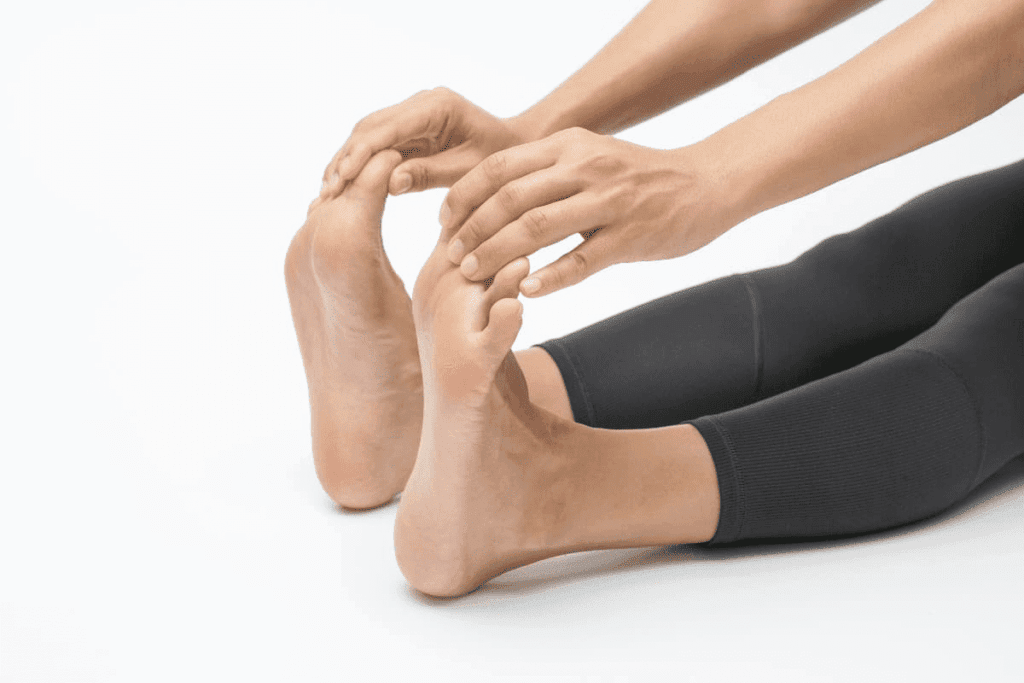
Do you have foot pain that makes everyday tasks hard? Stretching your feet can help a lot. You don’t need to spend a lot or use complicated tools workout foot.
Doctors say that stretching and strengthening can really help. It can make your feet feel better, move easier, and help you stay active. We know how important foot health is for living an active life. With our help, you can feel better and live better.
Key Takeaways
- Simple exercises can provide lasting relief from foot pain.
- Targeted stretches improve flexibility and reduce pain.
- Strengthening exercises restore your ability to move freely.
- Foot health is key for an active lifestyle.
- Professional advice can ease foot pain.
The Importance of Foot Health and Stretching
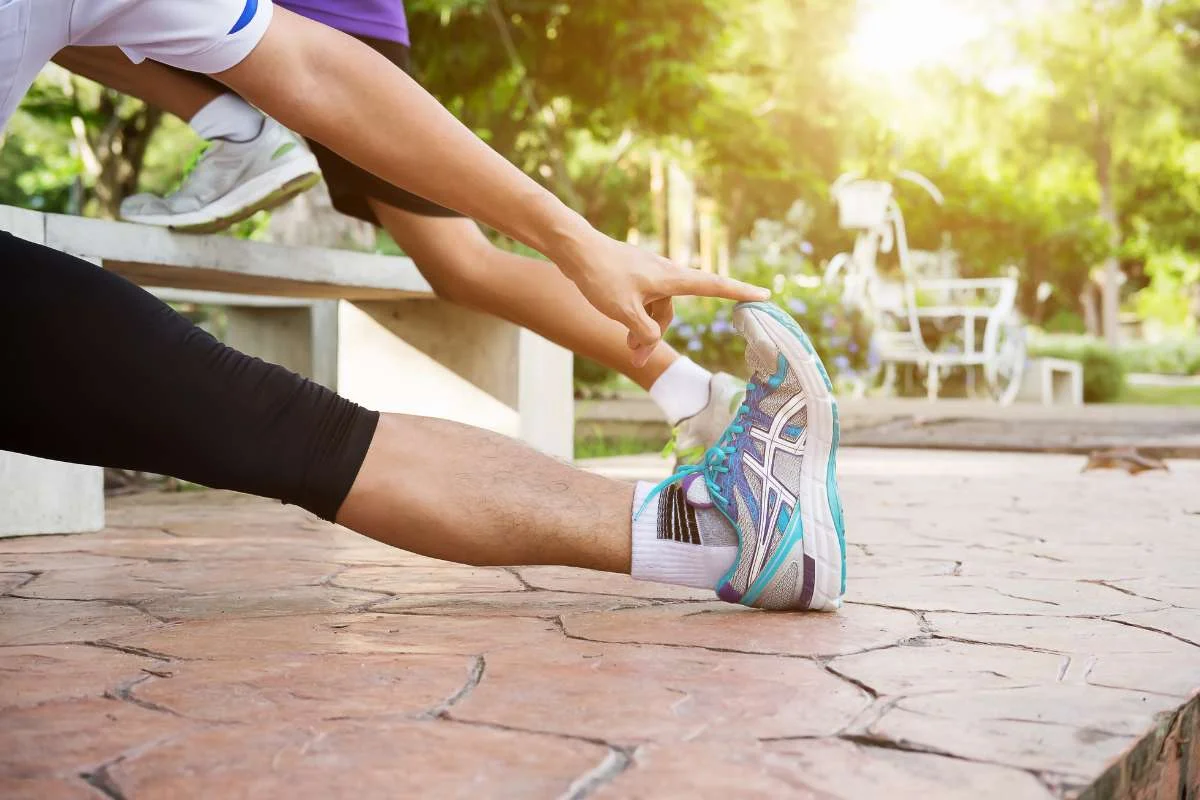
Keeping your feet healthy is key to feeling good overall. Stretching is a big part of this. Our feet handle a lot, supporting our weight and helping us move. So, it’s important to know how stretching helps our foot health.
Understanding Foot Anatomy: 26 Bones, 33 Joints, and 100+ Muscles
The human foot is made up of 26 bones, 33 joints, and over 100 muscles and tendons. This complex setup helps us stand, balance, and move. Knowing about foot anatomy helps us see why stretching is so important. It lets our feet absorb shock, adjust to different surfaces, and move in many ways.
Why One in Four Seniors Experience Chronic Foot Pain
Chronic foot pain is common in seniors, affecting about one in four. It’s caused by years of wear and tear, bad shoes, and health issues like diabetes or arthritis. Stretching regularly can lower the chance of chronic foot pain by keeping foot muscles and tendons strong and flexible.
How Regular Stretching Prevents Injury and Improves Mobility
Stretching often is a simple yet powerful way to avoid injuries and boost mobility. Adding feet stretches and foot mobility exercises to your day can make your feet more flexible and strong. This helps prevent foot problems and makes moving around easier.
We suggest adding different physical therapy exercises for feet to your routine for the best foot health. This way, you can move better and lower your chance of foot problems.
Toe Spread Exercise for Bunion Prevention
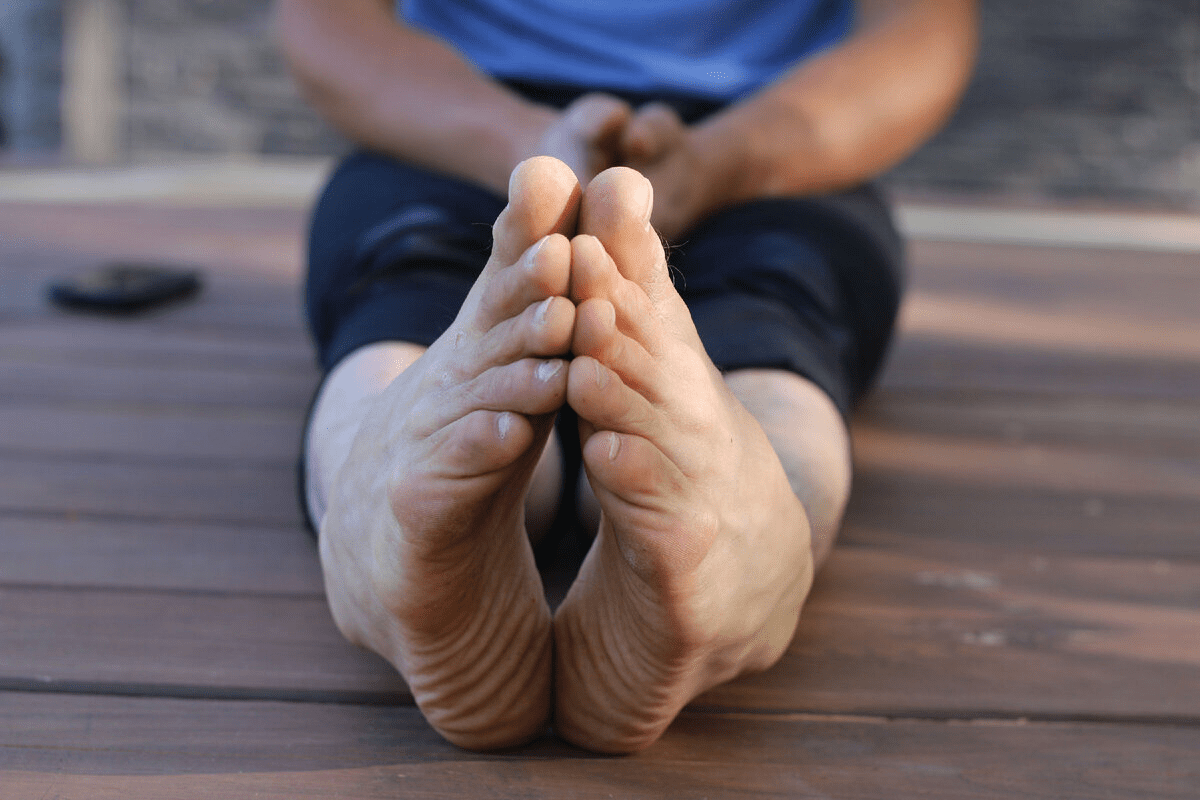
The toe spread exercise is easy yet effective for better foot flexibility and bunion prevention. Adding this simple exercise to your daily routine can greatly improve your foot health. It also helps reduce bunion-related pain.
Step-by-Step Technique for Maximum Flexibility
To do the toe spread exercise right, follow these steps:
- Sit comfortably with your feet flat on the floor.
- Slowly spread your toes as far apart as possible without straining.
- Hold the position for a few seconds.
- Gently bring your toes back together.
Do this 10-15 times per session, aiming for two to three sets daily. Regular practice boosts your toe flexibility and foot health.
How This Exercise Improves Motor Control
The toe spread exercise boosts flexibility and motor control. It strengthens muscles between and around your toes. This strengthens helps keep your toes aligned right, lowering bunion risk.
Benefits | Description |
Improved Flexibility | Enhances the range of motion in your toes. |
Motor Control | Strengthens the muscles around your toes, improving alignment. |
Bunion Prevention | Reduces the risk of bunion formation by maintaining proper toe alignment. |
Recommended Frequency for Pain Relief
For best results and pain relief, do the toe spread exercise daily. Being consistent is key for flexibility and motor control. By adding this to your daily foot care, you’ll see big benefits in bunion prevention and overall foot health.
Achilles Tendon Stretch for Runners
The Achilles tendon is the largest tendon in the body. It’s vital for runners, connecting the calf muscles to the heel bone. Stretching it regularly can prevent tendonitis, keeping runners on track.
Wall Stretch Technique for the Largest Tendon
The wall stretch is a great way to stretch the Achilles tendon. Here’s how to do it:
- Stand facing a wall with one hand on the wall for balance.
- Place one foot behind the other, keeping the heel on the ground.
- Bend the front knee and lean forward, stretching the back leg’s Achilles tendon.
- Hold for 15-30 seconds and switch legs.
This stretch also improves ankle mobility.
Seated Variation for Deeper Stretch
For a deeper stretch, try the seated variation:
- Sit on the floor with your legs straight out in front of you.
- Loop a towel around the ball of your foot and gently pull it towards you.
- Keep your knee straight and hold the stretch for 15-30 seconds.
This seated stretch targets the Achilles tendon without straining other leg parts.
Preventing Achilles Tendonitis Through Regular Practice
Stretching and strengthening exercises can lower the risk of Achilles tendonitis. Make these exercises a part of your daily routine, if you’re a runner.
Exercise | Frequency | Benefits |
Wall Stretch | Daily | Improves flexibility and reduces injury risk |
Seated Stretch | 3 times a week | Deepens the stretch, enhances tendon resilience |
Adding these stretches to your routine can improve foot flexibility and lower injury risk.
Plantar Fascia Release Using a Ball
Plantar fasciitis is a common cause of heel pain. A simple yet effective technique using a ball can help. This method releases tension in the plantar fascia, a band of tissue that supports the arch of the foot.
Rolling Techniques for Heel Pain Relief
To start, place a ball on the floor and stand on it with the affected foot. Roll the ball under your foot, applying gentle pressure. Start from the heel and move towards the toes. Focus on areas that feel tight or painful. This technique can help reduce inflammation and relieve tension in the plantar fascia.
“Using a ball to release the plantar fascia is a game-changer for those suffering from heel pain,” says Medical Expert, a podiatrist with years of experience. “It’s a simple, non-invasive method that can be done at home.”
When to Apply Pressure vs. When to Rest
It’s essential to listen to your body when performing this exercise. Apply pressure gently, and if you experience sharp pain, stop immediately. The goal is to relieve tension, not to cause further injury. If the pain persists, consult with a healthcare professional for further guidance.
Combining with Other Treatments for Plantar Fasciitis
For optimal results, combine the plantar fascia release technique with other treatments for plantar fasciitis. This includes stretching exercises and proper footwear. A complete approach can lead to faster recovery and long-term relief.
By incorporating these techniques into your daily routine, you can alleviate heel pain and improve your foot health. Remember, consistency is key. Being proactive about your foot care can make a big difference in your quality of life.
Complete Foot Workout for Strength and Flexibility
To keep your feet healthy, you need a full workout routine. This routine should include exercises to strengthen foot muscles and improve flexibility.
Towel Scrunches for Arch Support
Towel scrunches are great for strengthening your foot’s arch. Start by placing a towel on the floor. Then, use your toes to pull it towards you. This action strengthens the arch muscles, making your foot more stable.
Resistance Band Exercises for Foot Muscles
Resistance band exercises are also excellent for strengthening your foot muscles. You can do various movements with a resistance band to target different foot muscles. For example, wrap the band around your foot and push against it as you move your foot.
This improves your foot’s strength and flexibility.
Creating a Weekly Foot Workout Schedule
Staying consistent is important for foot health. To make the most of your workout, create a weekly schedule. Set aside specific days for different exercises, covering all muscle groups.
For example, do towel scrunches and resistance band exercises on Monday and Thursday. Use Tuesday and Friday for foot and ankle stretches. Sticking to your schedule helps you stay consistent and achieve better foot health.
Ankle Rotations for Improved Foot Mobility
Ankle rotations are a simple yet effective way to boost foot mobility and ease pain. It’s key for foot health as it lets you move more freely and prevents injuries. We’ll look at ways to enhance ankle mobility, like ankle rotations and alphabet tracing.
Clockwise and Counterclockwise Rotation Techniques
To do ankle rotations, sit with your legs straight out in front. Lift one foot and rotate it clockwise, then counterclockwise. Do this a few times and switch feet. This loosens the ankle and boosts flexibility.
Alphabet Tracing Exercise for Complete Movement
Alphabet tracing is another great way to improve ankle mobility. Imagine writing the alphabet with your toes. Start with “A” and go all the way to “Z” with your big toe. This exercise also strengthens your foot muscles.
Exercise | Benefits | Frequency |
Ankle Rotations | Improves ankle mobility, reduces pain | 3 sets per day |
Alphabet Tracing | Enhances complete movement, strengthens foot muscles | Daily, 1-2 times |
How Ankle Mobility Affects Foot Pain
Ankle mobility is vital for foot health. If your ankles don’t move well, your feet can hurt more. Doing exercises like ankle rotations and alphabet tracing daily can help. Regular practice can greatly improve your foot’s health and mobility.
Calf Stretches to Relieve Foot Tension
Tight calf muscles can cause foot pain. It’s important to stretch your calf muscles every day. The calf muscles help your feet move well. Stretching them can ease foot pain and boost foot health.
Standing Wall Stretch for Gastrocnemius
The standing wall stretch helps with foot pain by targeting the gastrocnemius muscle. Stand facing a wall, with one hand on it for balance. Place one foot behind the other, with the heel on the ground. Bend the front knee, leaning forward until you feel a stretch in the back calf.
Hold for 15-30 seconds and switch legs. This stretch improves flexibility and reduces calf tension.
Seated Stretch for Soleus Muscle
The soleus muscle is important for foot mechanics. Sit on the floor with your legs straight out. Loop a towel around the ball of one foot and pull your toes back toward you. You’ll feel a stretch in the lower calf.
Hold for 15-30 seconds and repeat on the other leg. This foot exercise is great for people who are on their feet a lot.
The Connection Between Tight Calves and Foot Pain
Tight calf muscles can cause foot pain by changing how the foot and ankle work. Tight calf muscles pull on the Achilles tendon. This can strain the plantar fascia, leading to heel and arch pain.
Stretching your calf muscles regularly can prevent this strain and ease foot pain. Adding these exercises for foot pain to your routine can improve foot health and lower injury risk.
Understanding the link between tight calf muscles and foot pain helps us take action. Whether you’re an athlete or someone who’s always on their feet, calf stretches can greatly improve your comfort and well-being.
Toe Yoga for Flexibility and Strength
Toe yoga can make your toes more flexible and strong. This helps with balance and stops toe deformities. We’ll look at toe exercises you can do every day to get these benefits.
Individual Toe Lifting and Spreading Techniques
One key exercise in toe yoga is lifting and spreading each toe. Lift each toe one by one and then spread them as far as you can. Doing this regularly boosts toe dexterity and strength. Sit with your feet flat on the floor and move one toe at a time.
Toe Curls Against Resistance
Toe curls against resistance are another great exercise. You can use a resistance band or a towel. Wrap the band around your toes and pull it back gently, curling your toes. This strengthens the toe muscles and boosts flexibility.
Benefits for Balance and Preventing Toe Deformities
Doing toe yoga often can improve balance and lower the chance of toe deformities. Stronger toes give a stable base for the foot, helping with movement. Adding toe curls, spreads, and other exercises to your routine keeps your toes healthy and flexible.
Regular toe yoga practice can greatly improve toe flexibility and strength. This leads to better foot health and function overall.
Self-Massage Techniques for Immediate Pain Relief
Getting quick relief from foot pain is easy with the right self-massage methods. Self-massage is a great way to manage foot pain. Knowing the different techniques can help you find the relief you need.
Tennis Ball Pressure Point Therapy
Using a tennis ball on your foot is a great self-massage trick. Place a tennis ball on the floor and step on it with your sore foot. Move the ball around to press on different spots, like the arch and heel. This can ease tension in the plantar fascia and other tissues.
Benefits of Tennis Ball Therapy:
- Relieves tension in the plantar fascia
- Targets specific pressure points
- Easy to perform at home
Frozen Water Bottle Roll for Inflammation
The frozen water bottle roll is great for reducing inflammation and pain. Fill a bottle with water and freeze it. Then, roll the bottle under your foot gently. The cold helps reduce swelling, and the rolling massages your foot.
Tips for Using the Frozen Water Bottle Roll:
- Use a cold pack or frozen water bottle for 10-15 minutes
- Roll the bottle gently to avoid additional pain
- Repeat as needed for continued relief
Hand Manipulation Techniques for Specific Pain Points
Hand techniques can target specific pain spots on your foot. You can massage your toes, arch, and heel with your hands. Use kneading, circular motions, and gentle stretching. These are good for small areas and precise relief.
Technique | Area to Target | Benefit |
Kneading | Arch and heel | Relieves deep tension |
Circular Motions | Toes and ball of the foot | Improves circulation |
Gentle Stretching | Toes and foot | Enhances flexibility |
Adding these self-massage techniques to your daily routine can give you quick relief from foot pain. It can also improve your foot health.
Conclusion: Building a Daily Foot Care Routine
Creating a daily foot care routine is key to keeping your feet healthy. We suggest adding the exercises from this article to your daily routine. This will help you see long-term benefits for your foot health.
By doing daily foot exercises, you can greatly improve your foot health. A good foot care routine can prevent injuries, lessen pain, and boost mobility.
It’s important to stick to your daily foot care routine to keep your feet healthy. Set aside a few minutes each day for stretching, strengthening, and massaging your feet. This proactive step can lower the chance of chronic pain and discomfort.
Begin your daily foot care routine today. You’ll soon see how it positively affects your health and well-being.
FAQ
What are the best exercises for foot pain relief?
We recommend toe spreads, Achilles tendon stretches, and plantar fascia releases. Also, try towel scrunches and ankle rotations. These exercises help ease foot pain and boost flexibility.
How often should I stretch my feet to see improvement?
For best results, stretch your feet daily. Aim for at least three times a week. Consistency is key for long-term benefits.
Can stretching help prevent foot injuries?
Yes, stretching can prevent injuries. It improves flexibility, strengthens muscles, and boosts ankle mobility. This reduces the risk of strains and overuse injuries.
What is the toe spread exercise, and how is it performed?
The toe spread exercise involves spreading your toes apart slowly. Hold for a few seconds and then release. It improves toe flexibility and can prevent bunion pain.
How can I relieve plantar fasciitis pain using a ball?
Use a ball to roll out the bottom of your foot. Apply gentle pressure to the tight or sore areas. This helps release tension in the plantar fascia.
Are there any exercises specific to runners?
Yes, runners can benefit from Achilles tendon stretches. These stretches maintain flexibility and prevent injuries. Both wall and seated variations are effective.
How do calf stretches contribute to foot health?
Calf stretches are vital for foot health. They relieve tension in the calf muscles, which can cause foot pain. Stretching the gastrocnemius and soleus muscles improves foot mobility.
What is toe yoga, and what are its benefits?
Toe yoga includes exercises like lifting and spreading individual toes, and toe curls against resistance. These practices enhance toe flexibility and strength, improving balance and preventing toe deformities.
Can self-massage techniques provide immediate pain relief?
Yes, self-massage techniques like tennis ball pressure point therapy and hand manipulation offer immediate pain relief. They release tension and reduce inflammation.
How can I incorporate foot exercises into my daily routine?
Start by dedicating a few minutes each day to stretching and strengthening exercises. Gradually increase the routine to ensure consistency and long-term benefits.
Are there any exercises that can help improve ankle mobility?
Yes, ankle rotations and alphabet tracing exercises significantly improve ankle mobility. This can reduce foot pain and enhance overall foot health.
References
National Center for Biotechnology Information. Evidence-Based Medical Guidance. Retrieved from https://www.ncbi.nlm.nih.gov/pmc/articles/PMC10784881/