Strong hips are key to good health. They help with daily tasks, sports, and avoiding injuries. At Liv Hospital, we know how important hip strength and mobility are for staying active and healthy.
Weak or stiff hips can cause pain and limit how you move. Whether you’re sitting all day or working out hard, your hips are vital for easy movement and avoiding pain. We use proven physical therapy and focus on you to help improve your hip health.
Listing the best hip workout exercises to increase both strength and range of motion for daily function.
Key Takeaways
- Strong hips are essential for overall physical health and athletic performance.
- Hip strength directly impacts daily activities and injury prevention.
- Weak hips can lead to pain and limited mobility.
- Effective hip exercises can improve mobility and reduce injury risk.
- Liv Hospital offers personalized care to help you achieve optimal hip health.
Understanding Hip Anatomy and Function
To strengthen our hips, we need to know how they work. The hip joint is amazing, combining stability with the ability to move freely.
The Ball-and-Socket Joint Structure
The hip joint is shaped like a ball-and-socket. This design lets it move in many ways. The ball-and-socket structure helps us bend, straighten, move outward, and more.
Key Muscle Groups: Glutes, Flexors, and Hamstrings
Many muscles help our hips move and stay stable. The gluteus maximus, hip flexors, and hamstrings are key:
- The gluteus maximus helps extend and rotate the hip outward.
- The hip flexors (like the iliopsoas) help bend the hip.
- The hamstrings aid in bending the hip and knee.
Together, these muscles ensure our hips can move and stay stable.
Optimal Range of Motion in Healthy Hips
A healthy hip can move in many ways, which is key for daily activities. The normal range includes:
Movement | Normal Range |
Flexion | 0-120 degrees |
Extension | 0-30 degrees |
Abduction | 0-45 degrees |
Adduction | 0-30 degrees |
Internal Rotation | 0-45 degrees |
External Rotation | 0-45 degrees |
Keeping this range is vital for hip health and function.
Why Hip Strength and Mobility Matter
Hip strength and mobility are key to our quality of life and physical performance. We use our hips for many movements, from walking to complex sports actions. Keeping our hips strong and mobile is vital for daily activities and sports.
Impact on Daily Activities and Quality of Life
Strong hips make daily tasks easier and more efficient. They help us walk, climb stairs, and stay balanced. Good hip mobility also prevents strain and injury during daily activities.
With strong hips, simple tasks like getting dressed or playing with kids become easier. This strength also supports our posture and lowers the risk of back pain, often linked to weak hip muscles.
Connection to Athletic Performance
In sports, hip strength and mobility are just as important. Many athletic movements, like sprinting and jumping, depend on the hips. Strong hip muscles give the power and speed needed for these actions. Good mobility ensures joints can move freely without injury.
Athletes with strong hips perform better and are less likely to get injured. Their hips can handle the demands of their sport, leading to better training and competition.
Role in Injury Prevention and Pain Reduction
Strong and mobile hips also prevent injuries and reduce pain. Weak or stiff hips can lead to overuse injuries in other parts of the body. Strengthening hip muscles and improving mobility can reduce injury risk and alleviate pain.
Good hip function also spreads forces evenly across the lower body. This balanced movement pattern is essential for long-term health, even for those who are active.
Common Causes of Hip Weakness and Immobility
The hips are key to our body’s movement. Weak hips can come from sitting too much and past injuries. Knowing why is key to fixing the problem.
The Effects of Prolonged Sitting
Sitting for long can weaken the hips. It makes the hip flexors shorter and glutes less active. Getting up and moving often helps a lot.
- Shortening of hip flexors
- Inactivity of gluteal muscles
- Increased risk of hip pain and stiffness
Age-Related Changes in Hip Function
As we get older, our hips change. Cartilage wears down and muscles shrink. Knowing this helps create better workouts for older people.
- Cartilage degeneration
- Reduced muscle mass
- Decreased joint mobility
Previous Injuries and Compensation Patterns
Old injuries can make hips weak. Rehab programs that fix these issues are important.
Hip weakness can really hurt our daily life. By knowing the causes, like sitting too much, aging, and injuries, we can start to fix it.
Assessing Your Hip Mobility and Strength
Knowing your hip mobility and strength is key to staying healthy and avoiding injuries. By checking these areas, you can spot where you need to work harder. This helps you focus your training better.
Simple Self-Assessment Tests
There are easy tests to check your hip mobility and strength. The hip flexor test is one. Stand with your feet apart and take a big step forward. Lower your body until your back knee almost touches the ground. Pain or discomfort means your hip flexors might be tight or weak.
The 90-90 stretch is another good test. Sit on the floor with your legs bent at 90 degrees. Trouble holding this position or feeling a lot of tension means your hip mobility might be limited.
Identifying Specific Limitations
After doing these tests, look for any specific issues. If one hip feels stiffer or weaker, you need to work on it. Targeted exercises can help balance your hips.
Medical Expert, a famous physical therapist, said, “Improving hip mobility and strength starts with knowing your body’s specific needs.”
“The body is a complex system, and the hips are key for movement and stability. By tackling specific issues, you can boost your physical performance and lower injury risk.”
When to Consult a Physical Therapist
If you have ongoing pain, big mobility issues, or weak hips, see a physical therapist. They can give a detailed check-up and make a plan just for you.
A physical therapist can:
- Find out why you have hip pain or stiffness
- Create a special exercise plan to boost mobility and strength
- Improve your physical function and lower injury risk
By actively checking and improving your hip mobility and strength, you can live better and stay physically fit.
The Best Hip Workout for Overall Strength
A good hip workout is key for strength and mobility. We’ll share a detailed plan. It includes exercises that get stronger and more flexible, backed by science.
Progressive Resistance Training at 60-80% Maximum
Progressive resistance training is vital for hip strength. Working at 60-80% of our max, we see big gains. It means we keep getting stronger as we do more.
Key Principles:
- Start with a weight that allows for proper form
- Gradually increase the weight as strength improves
- Aim for 3-4 sets of 8-12 repetitions for each exercise
Balancing Strength and Mobility Work
A good hip workout needs both strength and mobility. Strength is important, but mobility lets us move well and safely.
Benefits of Balance:
- Enhanced overall hip function
- Reduced risk of injury
- Improved athletic performance
Research-Backed Exercise Selection
Picking the right exercises is essential. Research shows we should focus on glutes, hip flexors, and more.
Recommended Exercises:
- Squats
- Lunges
- Deadlifts
- Leg Press
By using these exercises and focusing on getting stronger, we’ll see big improvements in hip strength and mobility.
Essential Hip Mobility Exercises
To get your hips working well, you need to do specific exercises. These exercises help make your hips more flexible and less stiff. They also improve your hip health. Let’s look at some exercises that boost hip mobility.
Dynamic Stretching Routines
Dynamic stretching moves your joints and keeps your muscles active. It’s great for making your hips more mobile. Try leg swings, lunges, and high knees.
- Leg Swings: Stand with your feet hip-width apart and swing one leg forward and backward, then switch to the other leg.
- Lunges: Perform walking lunges, keeping your back straight and your front knee behind your toes.
- High Knees: Run in place, bringing one knee up towards your chest while keeping the other foot on the ground.
Specialized Stretching Protocols for Hip Rotation
Hip rotation is key for hip mobility. There are special stretches for both internal and external rotation. Try the 90/90 stretch and the piriformis stretch.
Key Exercises:
- 90/90 Stretch: Sit with one leg bent in front of you and the other behind, then lean forward to stretch.
- Piriformis Stretch: Lie on your back, cross one foot over the opposite knee, and pull the uncrossed leg towards your chest.
Motor Control Exercises for Mobility
Motor control exercises help you move your hips better. They strengthen the muscles around your hip. Try clamshell exercises and side-lying leg lifts.
- Clamshell Exercise: Lie on your side with your legs bent and feet touching, then lift your top knee towards the ceiling.
- Side-Lying Leg Lifts: Lie on your side with your legs straight, then lift your top leg towards the ceiling.
Adding these hip mobility exercises to your routine can greatly improve your hip health. Start slow and increase gradually to avoid injury.
Strengthening the Gluteus Maximus
A strong gluteus maximus is key for powerful hip movements and lower body strength. It plays a big role in hip function. Strengthening this muscle boosts mobility and lowers injury risk.
Bodyweight Glute Activation Exercises
Bodyweight exercises are great for starting to strengthen the gluteus maximus. They can be done anywhere without any equipment. Here are some examples:
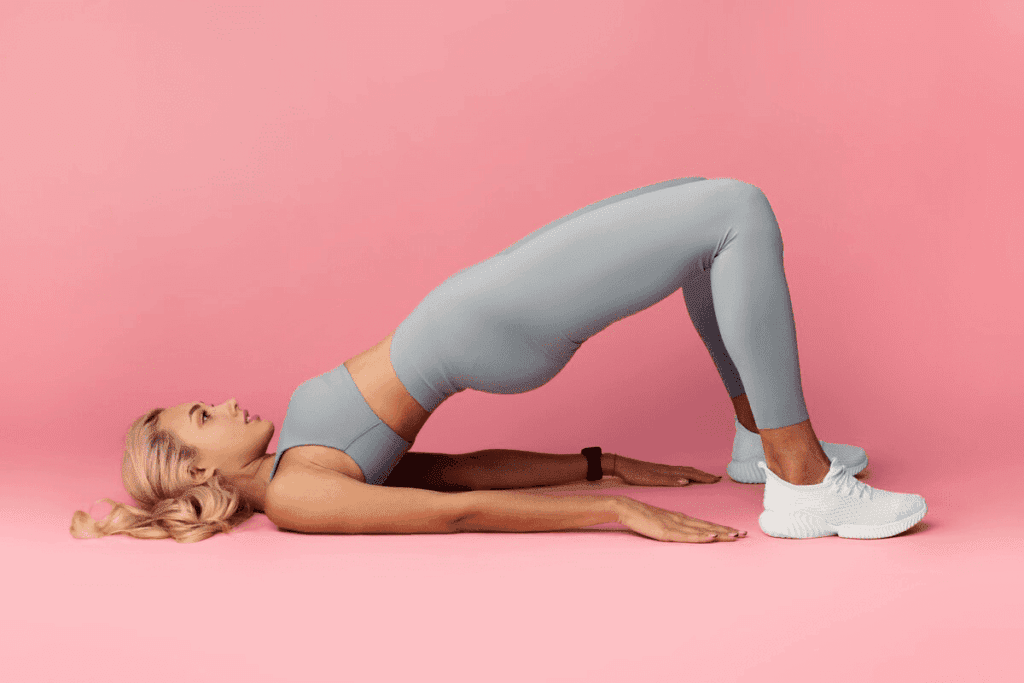
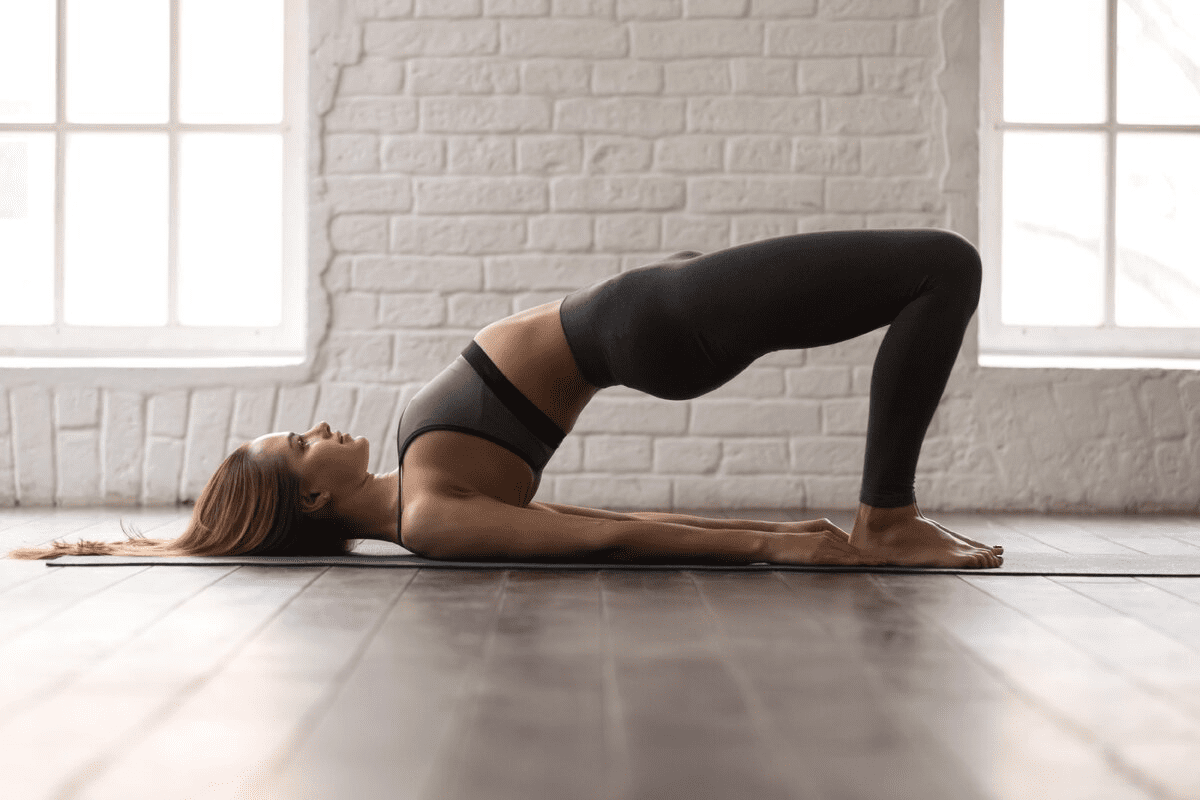
- Glute bridges: Lie on your back with knees bent and feet flat, then lift your hips up.
- Bodyweight squats: Stand with feet shoulder-width apart and lower your body down, keeping your back straight.
- Lunges: Stand with feet together, take a large step forward with one foot, and lower your body down, keeping your back straight.
These exercises work the gluteus maximus and other important muscles too.
Resistance Band Variations
Resistance bands are a versatile and portable way to add resistance to your glute workout. They can target the gluteus maximus from different angles, giving a full workout. Here are some effective exercises:
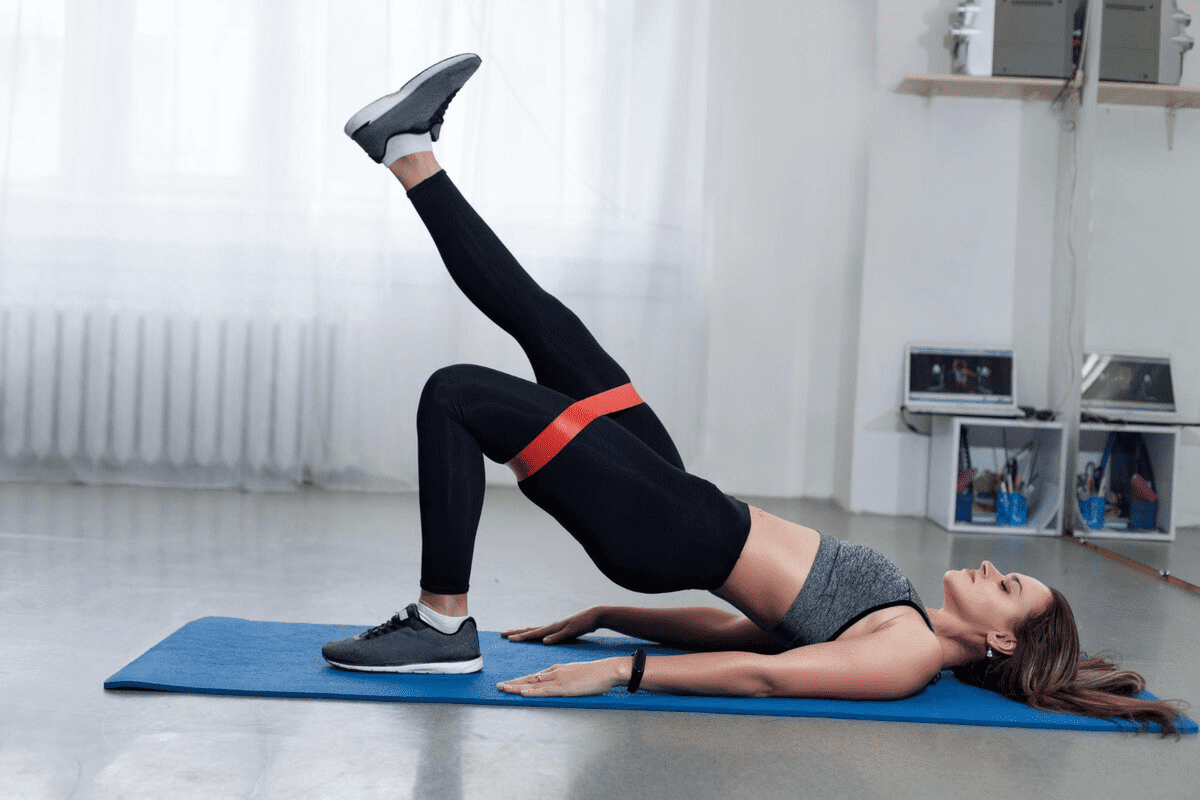
- Band glute bridges: Use a resistance band around your thighs just above the knees to add resistance to the glute bridge exercise.
- Banded side steps: Place a resistance band around your ankles or just above your knees and perform side steps.
As noted by fitness expert
“Resistance bands are an excellent tool for strengthening the glutes without putting excessive strain on the joints.”
Weighted Glute Strengthening Movements
For those looking to challenge their glutes, weighted exercises are a good option. Weighted squats, deadlifts, and hip thrusts are great for targeting the gluteus maximus. Start with manageable weights and increase them as you get stronger.
Key weighted exercises include:
- Weighted hip thrusts: Use a barbell or dumbbell to add resistance to the hip thrust exercise.
- Weighted deadlifts: Stand with feet shoulder-width apart and lift a weight up to hip level, squeezing your glutes at the top.
By adding these exercises to your routine, you can strengthen your gluteus maximus and improve hip health.
Targeting the Gluteus Medius for Hip Stability
Strengthening the gluteus medius is key for better hip stability and injury prevention. This muscle is important for hip abduction and medial rotation. It helps keep the hips stable and the lower body balanced.
Side-Lying Exercises for Lateral Strength
Side-lying exercises are great for the gluteus medius. The side-lying leg lift is one example. You lie on your side, lift your top leg up, and keep it straight. This strengthens the gluteus medius.
To perform a side-lying leg lift:
- Lie on your side with your legs straight.
- Lift the top leg towards the ceiling, keeping it straight.
- Hold for a brief moment before lowering it back down.
Standing Stability Drills
Standing stability drills also target the gluteus medius. These exercises often include single-leg stands or balance activities. They challenge the hip stabilizers.
A simple standing stability drill is the single-leg stand:
- Stand on one leg, keeping the other foot lifted off the ground.
- Engage your core and gluteus medius to maintain balance.
- Hold for 30 seconds before switching legs.
Functional Movement Patterns
Adding functional movements to your workouts can also strengthen the gluteus medius. Squats, lunges, and step-ups require hip stability. They engage the gluteus medius.
For example, performing a lunge involves significant activation of the gluteus medius to maintain proper form and stability.
Hip Flexor and Hamstring Training
Training your hips needs a balanced approach. This includes working on both the hip flexors and hamstrings. These muscles are key for hip movement and lower limb function. We’ll look at the importance of hip flexor training and hamstring exercises. We’ll share techniques and exercises to boost their strength and flexibility.
Active Flexibility Techniques
Active flexibility techniques are vital for better hip joint movement. These methods involve contracting and then stretching the muscles. This improves flexibility and reduces stiffness. For hip flexors, active isolated stretching is very effective.
To do active isolated stretching for hip flexors, follow these steps:
- Lie on your back with one leg bent and the other straight.
- Lift the straight leg towards the ceiling, keeping it straight.
- Hold for a few seconds, then lower it back down.
- Repeat for several repetitions.
Strengthening Exercises for Hip Flexors
Strengthening hip flexors is key for lifting the knee, like in walking or running. Exercises like the straight leg raise are great for this.
To do a straight leg raise:
- Lie on your back with one leg straight and the other bent.
- Lift the straight leg to about 6-8 inches off the ground.
- Hold for a few seconds, then lower it back down.
- Repeat for several repetitions on each leg.
Hamstring Exercises for Hip Support
The hamstrings are important for hip extension and support. Exercises like deadlifts and hamstring curls can improve hip stability and function.
To do a bodyweight hamstring curl:
- Lie on your back with your heels on a stability ball.
- Lift your hips off the ground, squeezing your glutes.
- Bend your knees, pulling your heels towards your glutes.
- Straighten your legs to return to the starting position.
Adding hamstring exercises and active flexibility techniques to your routine can greatly enhance hip function and mobility.
Hip Exercises at Home: No-Equipment Options
Strengthening your hips and improving mobility is easy with simple bodyweight exercises at home. We know not everyone has gym access or special equipment. So, we’re excited to share effective exercises you can do at home.
Bodyweight Circuit for Hip Strength
A bodyweight circuit is a great way to strengthen your hips without any equipment. Here are some exercises you can include:
- Glute Bridges: Lie on your back with knees bent and feet flat on the floor. Lift your hips towards the ceiling, squeezing your glutes at the top.
- Bodyweight Squats: Stand with feet shoulder-width apart, then lower your body down into a squat, keeping your back straight and knees behind your toes.
- Lunges: Stand with feet together, take a large step forward with one foot, and lower your body until your back knee almost touches the ground. Alternate legs.
Household Items as Exercise Tools
You can also use common household items to add variety and challenge to your hip exercises. For example:
- Water Bottles as Dumbbells: Fill two water bottles with sand or water and use them as dumbbells for exercises like hip abductions.
- Chair for Support: Use a sturdy chair for support during exercises like single-leg squats or step-ups.
Exercise | Household Item | Benefit |
Hip Abductions | Water Bottles | Strengthens Gluteus Medius |
Single-Leg Squats | Chair | Improves Balance and Strength |
Creating a Progressive Home Routine
To keep making progress, it’s key to create a progressive routine. Here are some tips:
- Increase Repetitions: As you get stronger, increase the number of repetitions for each exercise.
- Add Resistance: Use household items like water bottles or cans to add resistance to your exercises.
- Modify Exercises: Change the difficulty of exercises by altering your stance or range of motion.
By adding these exercises and tips to your daily routine, you can greatly improve your hip strength and mobility from home.
Gender-Specific Hip Training Considerations
Understanding the differences in hip training for men and women is key. Both share the goal of strengthening and improving mobility. Yet, there are unique aspects to consider based on gender.
Addressing Male Hip Tightness Patterns
Men often face hip tightness due to sitting too much, intense workouts, or not stretching enough. Combining dynamic stretches with exercises for the hip flexors and muscles is effective. Lunges and leg swings can help loosen tight hips and boost mobility.
Exercise | Target Area | Benefits |
Lunges | Hip Flexors, Glutes | Improves flexibility, strengthens hip muscles |
Leg Swings | Hip Flexors, Hamstrings | Enhances mobility, reduces stiffness |
Hip Workout for Ladies: Stability and Strength
Women need a hip workout that boosts both stability and strength. The gluteus medius is a key muscle for hip stability. Side-lying leg lifts and standing drills are great for this. Adding resistance bands can make these exercises more challenging.
- Side-lying leg lifts: Targets gluteus medius for improved hip stability
- Standing stability drills: Enhances balance and strengthens hip muscles
Adaptations Based on Individual Anatomy
It’s important to tailor hip training to each person’s unique needs. Consider past injuries, fitness level, and goals. Getting advice from a healthcare expert or certified trainer is a good idea.
Conclusion: Building Stronger, More Mobile Hips for Life
Building stronger, more mobile hips is a journey that needs consistent exercise and care for hip health. We’ve looked at the anatomy and function of the hips, why hip strength and mobility matter, and how to improve hip health through exercises.
By doing the exercises and training we talked about, people can really boost their hip mobility and strength. It’s key to keep working on hip health over time. This is because it’s vital for our overall quality of life and how well we do in sports.
When we work on making our hips stronger and keeping them mobile for life, we need to be patient and keep going. Regular exercise and a healthy lifestyle help keep our hips working well. By focusing on hip health, we can move better and avoid injuries. This makes life more active and fulfilling.
FAQ
What are the best exercises to improve hip mobility?
To boost hip mobility, try dynamic stretching, motor control exercises, and special hip rotation stretches.
How can I strengthen my gluteus maximus at home?
Home workouts for gluteus maximus include bodyweight exercises, resistance band routines, and weighted movements.
Why is hip strength and mobility important for daily activities?
Hip strength and mobility are key for daily tasks. They help us work efficiently and lower injury risks, improving our life quality.
What are the common causes of hip weakness and immobility?
Hip weakness and immobility often stem from sitting too long, aging, and past injuries. These factors can reduce hip function and increase pain and injury risks.
How often should I do hip exercises to see improvement?
To see progress, do hip exercises 2-3 times a week. Use progressive overload and mix up your routine for the best results.
Can I improve hip mobility without any special equipment?
Yes, you can boost hip mobility with bodyweight exercises and items from your home. This makes it easy to start a home workout routine.
Are there any specific hip exercises for women?
While exercises are similar, we tailor them to fit individual anatomy. Our hip workout for women focuses on stability and strength, addressing common female issues.
How do I know if I need to consult a physical therapist for my hip issues?
If you have ongoing hip pain or limited mobility, seeing a physical therapist is a good idea. They can offer personalized advice and help identify specific issues.
What is the role of the gluteus medius in hip stability?
The gluteus medius is critical for hip stability. We offer exercises like side-lying and standing drills to strengthen this muscle, improving hip stability.
Can strengthening hip flexors and hamstrings help with hip mobility?
Yes, strengthening hip flexors and hamstrings is vital for better hip mobility. We provide exercises and techniques to enhance their strength and flexibility, improving hip function.
References
National Center for Biotechnology Information. Evidence-Based Medical Guidance. Retrieved from https://www.ncbi.nlm.nih.gov/pmc/articles/PMC4556293/