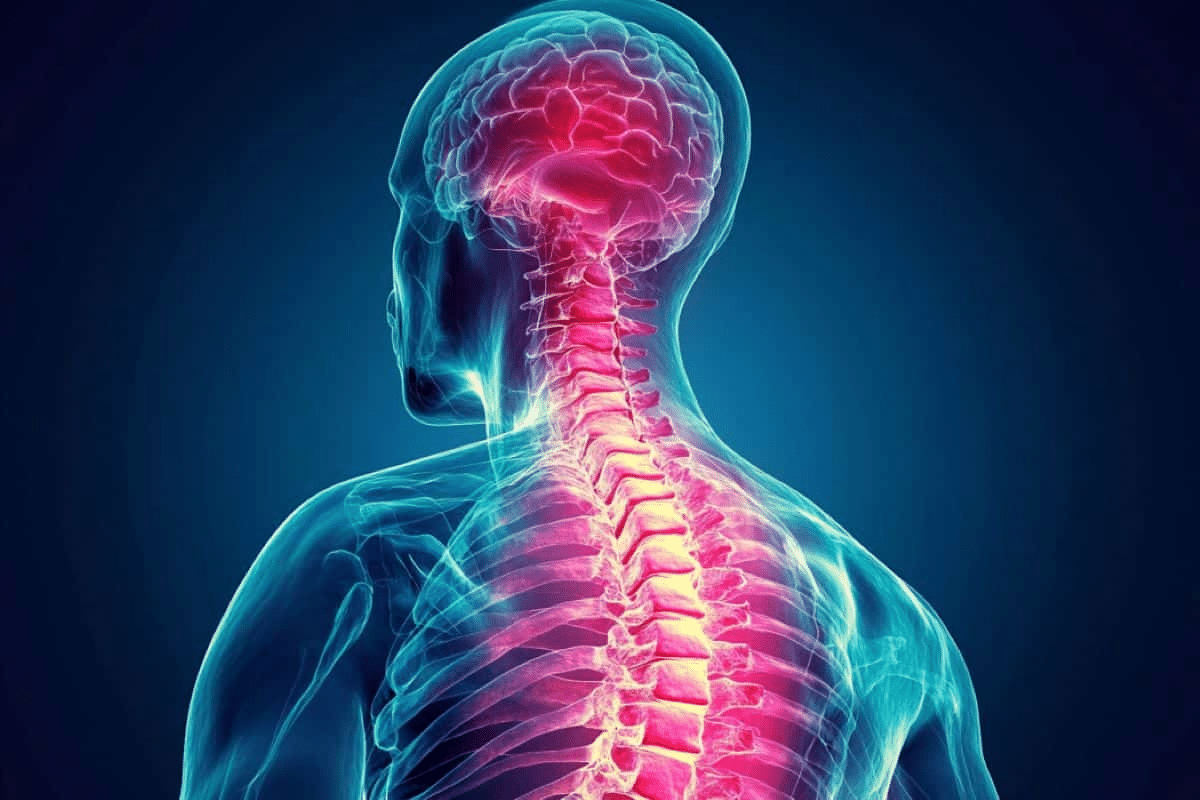
The nervous is a complex network that lets the body work. It makes sure actions and sensory info are shared across the body definition of a nervous system.
We’ll dive into the various types and structures of this control network. Knowing how complex the nervous system is helps us see its role in handling sensory info and responses.
Key Takeaways
- The nervous system is a vital network that enables the body to function.
- It coordinates actions and sensory information by transmitting signals.
- Understanding the different types and structures is key.
- The nervous system plays a key role in integrating sensory perception.
- It produces coordinated responses to various stimuli.
Understanding the Nervous System

Our nervous system is key for communication between body parts. It’s divided into five main types, each with its own role in keeping us healthy.
Basic Functions and Importance
The nervous system’s main job is to notice changes in the body and respond. It works with the endocrine system to do this. This teamwork ensures our body reacts as one.
The nervous system is very important. It controls our movements, both voluntary and involuntary. It also helps us think. As Medical Expert. Smith, a renowned neuroscientist, once said:
“The nervous system is the body’s command center, orchestrating a myriad of functions that are essential for survival.”
Complexity and Scale
The bio nervous system is very complex, with billions of neurons. These neurons form huge networks. Nerve fibers stretch from the brain to the body’s farthest parts.
Knowing about the different nervous systems helps us understand human biology. Each type works together to keep our body balanced and functioning right. This lets us interact with our world.
Exploring the nervous system shows it’s a biological wonder. Its ability to adapt and learn is amazing. It shows the complex ways our bodies work.
The Definition of a Nervous System
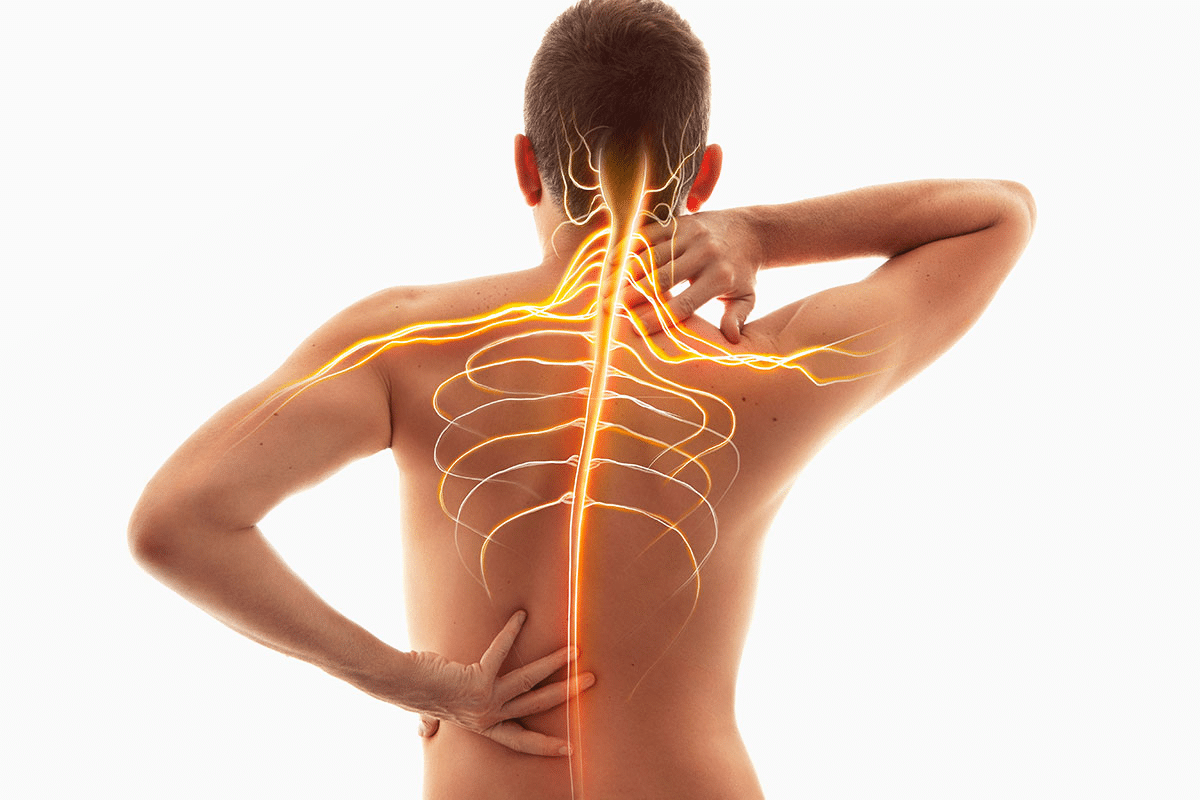
The nervous system is a network that helps the body respond to what it senses. It uses special cells called neurons to work. Neurons are the building blocks of the nervous system, making it possible to perform complex tasks.
The nervous system is key for communication and control in the body. It lets different parts of the body talk to each other. This helps the body move and react to things around it.
Fundamental Role as Communication Network
The nervous system is like a super-smart messenger system. It sends, receives, and sorts out information through its neurons. This system is vital for actions we can control, like moving, and actions we can’t, like our heartbeat.
“The nervous system is the body’s control center, orchestrating a wide range of functions that are essential for survival.” It’s incredibly complex, with billions of neurons working together. This teamwork keeps our bodies running smoothly.
Integration of Sensory Information
The nervous system is also great at combining sensory info. It gathers data from all over the body and figures out what’s happening. This helps us understand our surroundings and how we’re feeling.
- Sensory receptors detect changes in the environment and within the body.
- The nervous system processes this information to create a coherent picture of reality.
- Based on this information, the nervous system can initiate responses to maintain homeostasis or react to threats.
Production of Coordinated Responses
The nervous system’s main job is to make sure our responses are smooth and effective. This can be anything from a quick reflex to a complex decision.
The production of coordinated responses is a hallmark of the nervous system’s function. It helps the body adjust to its surroundings, learn, and heal from injuries.
“The delicate balance between sensory input and motor output is managed by the nervous system, a true marvel of biological engineering.”
In summary, the nervous system is vital for keeping the body working right. It uses its network of neurons to sort out sensory info and make sure our responses are well-coordinated. This ensures the body runs at its best.
Comprehensive Diagram of the Nervous System
A detailed diagram of the nervous system is key to understanding its complex structure and function. Visual aids help us see how different parts work together in the body.
A labelled diagram shows a network of nerves, the brain, and the spinal cord. It explains how messages travel between the brain and the body. This visual tool is vital for grasping the nervous system’s complex workings.
Visual Representation of the Five Types
The nervous system has five types, each with unique functions and structures. A detailed diagram helps us see these types and how they connect.
Looking at a detailed diagram, we can spot the nervous system’s parts. This includes the central nervous system (CNS), peripheral nervous system (PNS), somatic nervous system, autonomic nervous system, and enteric nervous system.
Key Structures and Their Locations
A labelled diagram points out important structures like the brain, spinal cord, cranial nerves, and spinal nerves. It shows where these are in the body.
Knowing where these structures are is essential. It helps us understand how they work together to control the body’s functions.
Functional Connections Between Systems
The nervous system’s systems work together, controlling the body’s functions. A detailed diagram shows how the CNS and PNS connect. It also highlights how the autonomic and enteric nervous systems manage vital processes.
By seeing these connections, we grasp how the nervous system responds to internal and external stimuli. It keeps the body in balance.
Central Nervous System (CNS)
The CNS, which includes the brain and spinal cord, is key to our function and response to the world. It acts as the body’s control center, handling information and coordinating actions.
The Brain: Structure and Functions
The brain is the most complex organ in the human body. It controls various bodily functions like movement, sensation, and perception. It also manages higher-level functions such as thought, emotion, and memory.
The cerebrum is the largest part of the brain. It processes sensory information, controls movement, and handles higher-level thinking. The cerebellum helps with muscle movements and posture. The brainstem connects the cerebrum to the spinal cord and controls basic functions like breathing and heart rate.
The Spinal Cord: Anatomy and Role
The spinal cord is a long, thin structure made of nerve tissue. It runs from the base of the brain to the lower back. It’s vital for transmitting messages between the brain and the body.
The spinal cord is protected by the spinal column and surrounded by cerebrospinal fluid. This fluid cushions it against shock and injury. It controls reflexes and sends sensory information to the brain.
Protection Mechanisms: Meninges and Cerebrospinal Fluid
The CNS is covered by several layers of tissue called the meninges. These include the dura mater, arachnoid mater, and pia mater. They provide a protective covering for the brain and spinal cord.
Cerebrospinal fluid (CSF) surrounds the brain and spinal cord. It offers extra protection by cushioning them against shock. CSF also supplies nutrients and removes waste, keeping the CNS healthy.
Peripheral Nervous System (PNS)
The Peripheral Nervous System (PNS) is a complex network of nerves and ganglia. It connects the Central Nervous System (CNS) to the rest of the body. Nerves are bundles of long fibers or axons. They help the CNS talk to other body parts.
Nerves of the PNS
The PNS has cranial and spinal nerves. These nerves are key in sending signals between the CNS and the body. Cranial nerves come from the brain, and spinal nerves come from the spinal cord.
- Cranial nerves handle things like vision, hearing, and facial expressions.
- Spinal nerves manage movement and sensation in the limbs and torso.
Ganglia: Function and Location
Ganglia are clusters of neurons that act as relay stations. They are outside the CNS and are vital for the PNS. They help send nerve signals.
Ganglia function is key in the autonomic nervous system. It helps control actions we don’t think about.
Differences Between CNS and PNS
The CNS, made up of the brain and spinal cord, is well-protected. It’s covered by the meninges and skull or vertebral column. The PNS, on the other hand, is more exposed. It has nerves and ganglia spread out in the body.
|
Characteristics |
CNS |
PNS |
|---|---|---|
|
Components |
Brain, Spinal Cord |
Nerves, Ganglia |
|
Protection |
Meninges, Skull, Vertebral Column |
Less protected, exposed to injury |
|
Function |
Control center, processing information |
Transmission of signals, peripheral control |
In summary, the Peripheral Nervous System is essential. It lets the CNS talk to the rest of the body through nerves and ganglia.
Somatic Nervous System
The somatic nervous system is a key part of our nervous system. It lets us interact with the world around us. It controls our voluntary movements, sends sensory information, and helps with reflexes.
Control of Voluntary Movement
This system has nerves that connect to our skeletal muscles. It lets us do many things, from simple actions to complex ones.
Key aspects of voluntary movement control include:
- Motor neurons send signals from our brain to our muscles.
- We can adjust how hard and fast we move based on what we feel.
- It helps different muscles work together for complex actions.
Sensory Pathways
Sensory pathways in the somatic nervous system are vital. They carry information from our senses to our brain. This includes feelings like touch, pressure, temperature, and pain.
|
Sensory Modality |
Description |
Receptor Type |
|---|---|---|
|
Touch |
Sensation of contact or pressure on the skin |
Mechanoreceptors |
|
Pain |
Sensation caused by tissue damage or inflammation |
Nociceptors |
|
Temperature |
Sensation of heat or cold |
Thermoreceptors |
Reflex Arcs and Their Importance
Reflex arcs are important for our automatic responses. The somatic nervous system plays a big role in these reflexes. For example, when we pull our hand away from something hot.
“The reflex arc is a fundamental mechanism that protects the body from harm by enabling rapid responses to potentially damaging stimuli.”
Reflex arcs have a sensory neuron, a motor neuron, and sometimes an interneuron. They work together for quick responses without us thinking about it.
Autonomic Nervous System
Our body’s autonomic nervous system controls many functions without us even thinking about it. It’s divided into the sympathetic, parasympathetic, and enteric nervous systems.
This system manages actions we can’t control, like our heart rate, digestion, and breathing. It helps us handle stress and relax, keeping our body balanced.
Sympathetic Division: Fight or Flight
The sympathetic division is known as the “fight or flight” response. It gets our body ready to face stress or danger by speeding up our heart rate and increasing blood pressure.
Key functions of the sympathetic division include:
- Increasing heart rate and cardiac output
- Dilating airways to improve oxygen intake
- Redirecting blood flow to muscles and away from non-essential organs
Parasympathetic Division: Rest and Digest
The parasympathetic division helps us relax and digest food. It saves energy and supports functions that happen when we’re not stressed.
The parasympathetic division is responsible for:
- Slowing down heart rate and promoting vasodilation
- Stimulating digestion and absorption of nutrients
- Supporting the body’s restorative processes
Regulation of Vital Functions
The autonomic nervous system controls important functions like heart rate, blood pressure, digestion, and breathing. It keeps our body balanced by working the sympathetic and parasympathetic divisions together.
The autonomic nervous system is key to our survival. Problems with it can cause health issues. Knowing how it works is important for finding treatments for related disorders.
Enteric Nervous System (ENS)
The Enteric Nervous System is a complex network in our gut. It controls our digestive processes. It’s called the “second brain” because it works on its own, controlling our gut without the brain’s help.
The “Second Brain” in the Gut
The ENS has over 100 million neurons. It works mostly on its own, managing our gut’s functions. This makes it our “second brain.”
“The enteric nervous system is capable of controlling the gastrointestinal tract’s functions without input from the central nervous system,” showing its amazing independence.
Regulation of Digestive Processes
The ENS is key in managing our digestion. It controls peristalsis, digestive enzymes, and nutrient absorption. This is vital for healthy digestion and gut health. It does this with neurotransmitters and hormones.
Connection with CNS and Autonomic System
Even though the ENS works alone, it’s connected to our brain and autonomic system. This connection is called the “gut-brain axis.” It lets our gut and brain talk to each other, affecting our health.
A leading researcher said,
“The gut-brain axis represents a complex communication network that links the enteric nervous system to the central nervous system, playing a critical role in our health.”
We see how important the ENS is for our health. By understanding it, we can better care for our well-being.
Conclusion
We’ve looked at the different types of nervous systems. These include the central, peripheral, somatic, autonomic, and enteric nervous systems. A detailed nervous system picture or nervous system graph shows how these categories work together. It highlights the nervous system’s complexity.
The nervous system categories are key for our health and well-being. Knowing how they interact helps us understand the body’s functions. It shows how the body works as a whole.
The nervous system is a complex network. It helps the body respond to stimuli, control movement, and manage various functions. Looking at a detailed nervous system graph helps us see how its parts work together.
In summary, knowing the nervous system categories is vital. It helps us appreciate the nervous system’s complexity. We hope this article has given you a clear view of the nervous system’s structure and function. It shows its importance for our health.
FAQ
What is the nervous system, and what are its main functions?
The nervous system is a complex network that helps the body function. It integrates sensory perception, produces coordinated responses, and controls bodily functions.
What are the different types of nervous systems?
There are five types of nervous systems. These include the Central Nervous System (CNS), Peripheral Nervous System (PNS), Somatic Nervous System, Autonomic Nervous System, and Enteric Nervous System.
What is the role of the Central Nervous System (CNS)?
The CNS, which includes the brain and spinal cord, controls the body’s functions. It handles movement, sensation, perception, and cognition.
How does the Peripheral Nervous System (PNS) differ from the CNS?
The PNS connects the CNS to the rest of the body through nerves. The CNS processes and integrates information.
What is the function of the Somatic Nervous System?
The Somatic Nervous System controls voluntary movement and transmits sensory information. It also enables reflex actions.
What is the Autonomic Nervous System responsible for?
The Autonomic Nervous System regulates vital functions like heart rate and digestion. It has sympathetic and parasympathetic divisions.
What is the Enteric Nervous System, and what is its role?
The Enteric Nervous System, also called the “second brain,” controls digestive processes. It connects to the CNS and Autonomic Nervous System.
Can you provide a simple diagram of the nervous system?
A simple diagram shows the CNS, PNS, and their connections. It visually represents the complex network.
How do neurons function within the nervous system?
Neurons, the nervous system’s building blocks, transmit and process information. They do this through electrical and chemical signals.
What is the significance of understanding the different types of nervous systems?
Knowing the different types of nervous systems is key. It helps us appreciate the nervous system’s complexity and its role in health and well-being.
References
National Center for Biotechnology Information. Nervous System Types, Structure, and Function Overview. Retrieved from https://www.ncbi.nlm.nih.gov/books/NBK10852/