

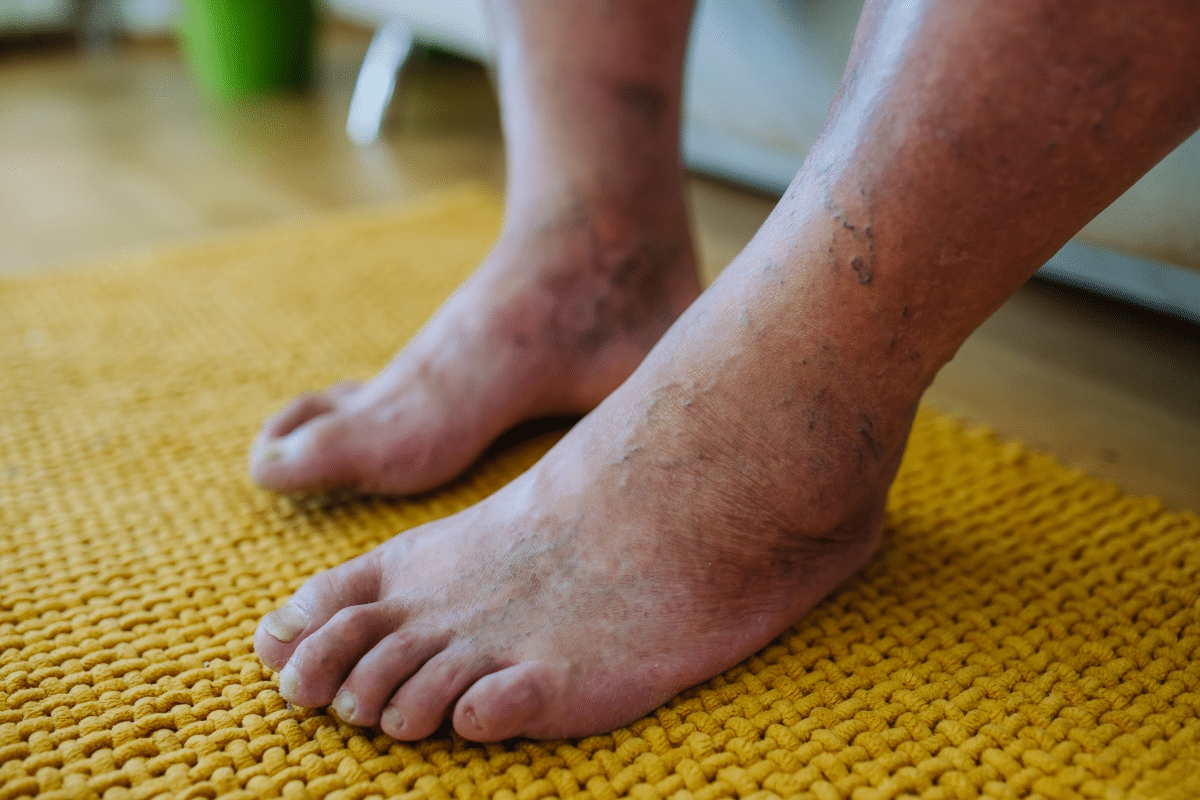
Gout sufferers have long searched for quick relief from the painful attacks. Colchicine offers a scientifically-proven solution that combines ancient wisdom with modern research how colchicine works.
Gout can be tough to manage, and finding effective treatments is key. Colchicine is a medicine that works by reducing inflammation caused by uric acid crystals in joints during attacks.
Colchicine stops the inflammatory process started by uric acid crystals. This provides quick symptom relief within hours of taking it. Knowing how it works is vital for managing gout effectively.

Gout is a condition that causes sudden, severe pain and swelling in joints. It often affects the big toe. Knowing how gout works is key to managing it.
Gout happens when uric acid crystals build up in joints. This buildup causes intense inflammation and the symptoms we see in gout.
Uric acid crystals are central to gout. When they gather in joints, they spark an inflammatory response. The body’s immune system attacks these crystals, causing pain and swelling.
The process involves several key steps:
Many things can set off a gout flare. Diet, medications, and health conditions are among them. Common triggers include:
Anti-inflammatory treatments are vital for gout management. They help reduce pain and swelling. Colchicine is one such treatment that works by preventing microtubule assembly, disrupting inflammasome activation, and more.
Managing gout means treating flares and preventing future ones. This includes lifestyle changes and, if needed, medication.

Colchicine has been used for centuries to treat gout. It comes from the Colchicum autumnale, or autumn crocus. This plant has been a key part of gout treatment for a long time.
Colchicine’s history starts with ancient civilizations. The Greek doctor Pedanius Dioscorides used it to treat gout and other diseases. It was also used in the Middle Ages to treat gout.
As we learned more about colchicine, it became a modern medicine. Today, it’s made in controlled doses for better safety and effectiveness. It works by stopping neutrophils from causing gout symptoms.
Colchicine is key in treating gout today. Guidelines suggest it for both acute attacks and to prevent future ones. It’s a good choice for those who can’t take other anti-inflammatory drugs.
|
Aspect |
Historical Use |
Modern Use |
|---|---|---|
|
Source |
Extract from Colchicum autumnale |
Manufactured colchicine |
|
Dosing |
Variable, often uncontrolled |
Controlled, evidence-based dosing |
|
Application |
Treatment of various ailments |
Specifically for gout management |
Colchicine has a long history, from ancient times to today. Its journey shows the need for ongoing research to help gout patients.
Colchicine has been used for centuries to treat gout and other inflammatory conditions. It works by affecting several key processes to reduce inflammation. We’ll look at how colchicine acts at a cellular level to help with gout symptoms.
Colchicine stops microtubule polymerization, which is important for cell division and transport. Microtubules are dynamic structures made of tubulin proteins. By binding to tubulin, colchicine prevents microtubule assembly, disrupting cell functions that rely on these structures.
This disruption affects inflammatory cells. For example, it hinders neutrophils from moving towards inflammation, a key step in the inflammatory process. This is why colchicine is effective in treating gout.
Colchicine also impacts inflammatory cell chemotaxis. Chemotaxis is the directed migration of cells towards chemical gradients, like those in an inflammatory response. By disrupting microtubules, colchicine reduces the chemotactic response of inflammatory cells, lowering inflammation intensity.
The table below summarizes the key effects of colchicine on microtubule assembly and inflammatory cell chemotaxis:
|
Mechanism |
Effect on Inflammation |
Clinical Implication |
|---|---|---|
|
Microtubule Assembly Inhibition |
Reduces inflammatory cell migration |
Decreases gout symptoms |
|
Inhibition of Chemotaxis |
Decreases directed cell migration |
Reduces inflammation |
Colchicine’s unique action makes it a good treatment for acute gout flares and a useful preventive when symptoms start. Its ability to target inflammation’s root causes distinguishes it from other anti-inflammatory drugs.
Understanding colchicine’s molecular actions is key to its role in gout management. It reaches peak levels in the blood in one to two hours after taking it. This quick absorption is why it works well for gout flares.
Colchicine binds to tubulin, a protein needed for microtubule formation. This stops microtubules from growing. It affects cell division and how things move inside cells.
By binding to tubulin, colchicine messes with microtubules’ normal function. Microtubules are vital for many cell activities.
Colchicine’s effect on microtubules also impacts neutrophils. Neutrophils are white blood cells that fight inflammation in gout. Less neutrophil migration means less inflammation and pain in gout flares.
This is why colchicine helps with gout symptoms. It’s a big part of how it works.
Colchicine’s effects on cells help reduce gout symptoms. It stops microtubules from forming, which reduces inflammation. This means less pain and swelling in gout.
This is why colchicine works quickly. It starts to help within a few hours of taking it.
So, how long does it take for colchicine to start working? Studies show it starts working in one to two hours. Its quick action and ability to reduce inflammation make it a good choice for gout.
In conclusion, colchicine’s effects in the body are complex. It involves tubulin binding, stopping microtubule growth, and reducing neutrophil activity. These actions help lessen gout symptoms, making colchicine a valuable treatment for gout.
Colchicine is a key anti-inflammatory drug for gout. It works differently than other drugs used for gout relief.
NSAIDs are common for gout flares. But, colchicine is good for those who can’t take NSAIDs because of stomach problems.
NSAIDs block COX enzymes. Colchicine, on the other hand, stops microtubule growth. This makes it a good choice for those needing different treatments.
|
Medication Type |
Mechanism of Action |
Common Use in Gout |
|---|---|---|
|
NSAIDs |
Inhibit COX enzymes |
First-line treatment for acute gout flares |
|
Colchicine |
Inhibits microtubule polymerization |
Alternative for patients intolerant to NSAIDs |
Colchicine’s anti-inflammatory effects are great for gout. It stops neutrophils from moving to the inflammation site. This reduces the inflammation.
“Colchicine’s unique mechanism of action makes it an effective treatment for gout, even for those who can’t take NSAIDs.”
Medical Expert, Rheumatologist
Colchicine does more than just relieve symptoms. It can also lower the number of gout flares when used regularly. Its anti-inflammatory effects are part of a complete gout management plan.
We see colchicine as a valuable drug for gout. It offers a special way to fight inflammation. Its benefits go beyond just treating flares, helping with long-term gout management.
Knowing how fast colchicine works helps patients set realistic expectations for gout relief. Colchicine is known for its quick action in easing gout symptoms.
Colchicine starts working a few hours after taking it. Studies show that patients can feel a big relief from gout symptoms in 12 to 24 hours. This quick action is key in managing acute gout attacks, reducing their severity and length.
The speed at which colchicine works is a big reason for its effectiveness. Its ability to provide quick relief makes it a popular choice for treating gout.
The time it takes for colchicine to work can change based on several things. These include the gout attack’s severity, the dosage, and the patient’s health and kidney function. For example, those with kidney issues might see a slower response because the drug clears slower.
When colchicine is taken early in a gout flare, it works faster and better. This shows how important it is to have a plan for treating gout attacks.
Even though colchicine works quickly, patients should have realistic expectations. They can expect big improvements in 24 to 48 hours, with more over the next few days. It’s key for patients to stick to their dosage and check in with their doctor for more advice.
Teaching patients about colchicine and what to expect is vital. By understanding how it works, patients can manage their gout better and live a better life.
Colchicine is a medication approved by the FDA for treating gout. It works for both acute flares and preventing future attacks. Knowing how to use it is key to managing gout well.
For gout attacks, colchicine is given in a specific way to ease symptoms fast. The usual dose is 1.2 mg first, then 0.6 mg an hour later. This helps reduce the severity of gout flare symptoms.
Key Considerations for Acute Gout Flare Treatment:
Colchicine is also approved to prevent gout attacks. The usual dose is 0.6 mg once or twice a day. The exact dose may change based on the patient’s health and other medicines they take.
Preventative Treatment Highlights:
Some patients need different doses of colchicine for gout treatment. Those with kidney problems or taking certain other medicines may need less to avoid side effects.
|
Patient Group |
Dose Adjustment |
|---|---|
|
Renal Impairment |
Reduce dose by 50% for moderate impairment; avoid in severe impairment |
|
Hepatic Impairment |
No specific dose adjustment; monitor closely |
|
Concomitant P-glycoprotein or CYP3A4 Inhibitors |
Reduce dose; consider alternative therapies |
When you take colchicine can affect how well it works. For gout attacks, start treatment as soon as you feel symptoms. For preventing attacks, take it at the same time every day to keep the medicine level steady.
Administration Timing Tips:
To understand how colchicine helps with gout, we need to look at how it is absorbed, distributed, and eliminated. The way colchicine works in the body is key to its effectiveness and safety.
Colchicine is quickly absorbed, reaching its highest levels in the blood within one to two hours. This fast absorption is important for treating gout attacks quickly. How well colchicine is absorbed affects how well it works.
“The way colchicine is absorbed and how it gets into the body is very important for treating gout,” studies have shown.
After being absorbed, colchicine spreads throughout the body. This wide reach is key for its anti-inflammatory effects, helping to fight uric acid crystals in the joints. It doesn’t just stay in the joints; it goes to all parts of the body.
Colchicine is mostly broken down in the liver and then removed through the bile and feces. A bit is also removed through the kidneys into the urine. Knowing how it’s broken down and removed helps doctors avoid drug interactions and adjust doses for those with liver or kidney problems.
The way colchicine is absorbed and removed affects how often it should be taken. Because of its short half-life and variable absorption and removal, finding the right dose is important. This helps make sure it works well without causing harm.
Understanding how colchicine is absorbed, distributed, broken down, and removed helps doctors give better treatment for gout. This makes treatment more effective and safer for patients.
Colchicine is usually safe, but it can have side effects. It’s good for treating gout, but knowing its safety is key for the best care.
One common side effect is stomach problems. Nausea, vomiting, diarrhea, and abdominal pain often happen, mainly with higher doses. Taking it with food or adjusting the dose can help. Sometimes, these problems are so bad that treatment needs to stop.
“The stomach side effects of colchicine can be serious,” a study says. “Healthcare providers should tell patients how to lessen these risks.”
Colchicine can also cause serious problems, mostly with high doses or with other drugs. Colchicine toxicity is very dangerous and can happen from too much or bad interactions. Signs include bad stomach issues, muscle weakness, and in the worst cases, failure of many organs.
Colchicine can interact with many drugs, making side effects worse. This is true for CYP3A4 inhibitors and P-glycoprotein inhibitors, which can make colchicine levels too high. Patients on these drugs need their doses changed and watched closely. Other drugs that might interact include statins, some antibiotics, and antifungals.
Safe use of colchicine means regular checks. Baseline and periodic lab tests are needed to check the kidneys, liver, and blood. Patients should know the signs of toxicity and tell their doctor if they notice anything odd. The dose might need to be changed based on kidney function or other drugs.
Knowing about colchicine’s side effects and safety helps doctors use it better for gout. This way, they can help patients while keeping risks low.
Colchicine is a key treatment for gout. It works by reducing inflammation and easing symptoms. For over a century, it has helped manage gout.
It’s important to know how colchicine works for gout. It stops inflammation by affecting certain cells. This helps in reducing gout attacks.
Colchicine’s action is based on its interaction with the body’s cells. It affects neutrophils, which helps in controlling gout symptoms. Its role in gout treatment is well-established and safe when used right.
Colchicine is a reliable choice for gout treatment. Its long history and research support its use. Following the right dosage and knowing side effects helps patients use it safely.
Colchicine is a drug for treating gout, a form of arthritis. It happens when uric acid crystals build up in the joints. It works by stopping the formation of microtubules, which helps reduce inflammation and ease symptoms.
Colchicine starts to work in 12 to 24 hours. You’ll see improvements in symptoms within a few days.
Colchicine binds to tubulin, a protein that forms microtubules. It stops their assembly. This action reduces the movement and activation of inflammatory cells, like neutrophils, which cause gout symptoms.
Yes, colchicine has anti-inflammatory effects. It targets the inflammation in gout differently than NSAIDs do.
Common side effects include nausea, vomiting, diarrhea, and stomach pain.
For acute gout, colchicine is taken orally. It starts with a loading dose followed by a maintenance dose. The exact dose depends on individual needs and medical guidelines.
Yes, colchicine can prevent gout attacks. It’s given at a lower dose than for acute flares. This helps reduce how often gout attacks happen.
Colchicine can interact with many drugs, like some antibiotics and HIV protease inhibitors. These interactions can increase the risk of toxicity. Always tell your doctor about all medications you’re taking.
Colchicine is one of several treatments for gout, along with NSAIDs, corticosteroids, and drugs that lower uric acid levels. The right treatment depends on your symptoms and medical history.
Colchicine not only relieves symptoms but also lowers the frequency of gout attacks. It may also help reduce the risk of heart disease.
National Center for Biotechnology Information. Colchicine: Mechanism of Action for Gout Relief. Retrieved from https://pubmed.ncbi.nlm.nih.gov/25151572/
