Acute gout attacks can be very painful. Knowing the right colchicine dosage is key to feeling better fast. At Liv Hospital, we teach patients to start taking colchicine early to lessen pain and swelling how to take colchicine for acute gout.
Colchicine is a medicine approved by the FDA for gout attacks. It works by stopping inflammation at the cell level. The usual dosage for colchicine is 1.2 mg at the first sign of symptoms, then 0.6 mg an hour later. It’s important to follow colchicine instructions to manage gout well.
Key Takeaways
- Colchicine is an effective treatment for acute gout attacks.
- The recommended initial dose is 1.2 mg, followed by 0.6 mg one hour later.
- Proper colchicine dosage is key for quick relief from symptoms.
- Liv Hospital offers evidence-based treatment advice for gout.
- Knowing how to use colchicine is essential for managing gout.
Understanding Colchicine and Its Role in Gout Treatment
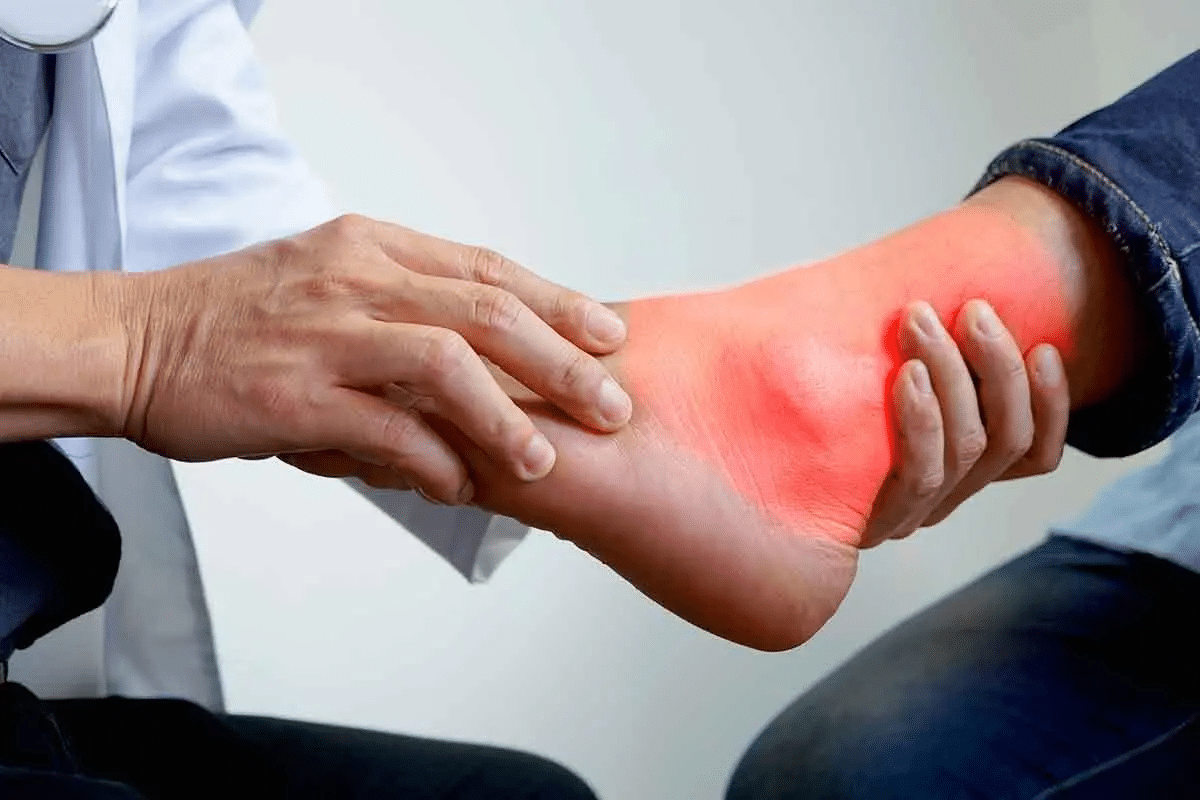
Colchicine is a key player in managing gout. Knowing its role and how it fights inflammation can greatly improve treatment. It’s important to understand its definition, FDA approval, and how it works to fully appreciate its role in treating gout.
What Is Colchicine?
Colchicine comes from the Colchicum autumnale plant, also known as the autumn crocus. It has been used for centuries to treat gout. Colchicine works by stopping immune cell replication and reducing inflammation, showing effects within one hour.
FDA Approval Status and Indications
The FDA has approved colchicine for treating gout. It’s approved for relieving acute gout attacks and preventing future attacks. Following the recommended dosage is key to avoid side effects.
How Colchicine Targets Gout Inflammation
Colchicine mainly fights inflammation by affecting cell structures. It stops the formation of microtubules, which are key in neutrophil activation and migration. This action makes colchicine a strong treatment for acute gout attacks, directly tackling the inflammation.
Understanding colchicine’s mechanism and its role in treating gout helps healthcare providers create better treatment plans. Its effectiveness in managing gout inflammation shows its vital role in fighting this debilitating disease.
The Science Behind How Colchicine Fights Gout Inflammation
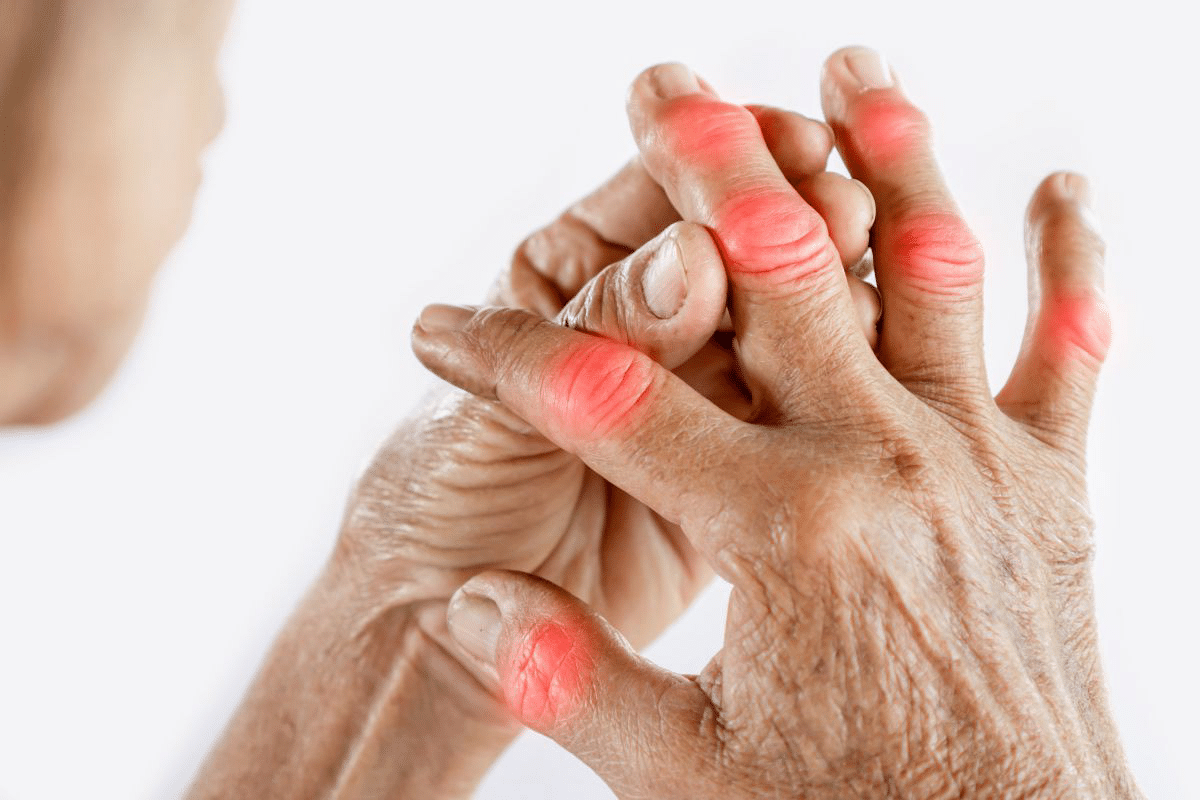
Colchicine fights gout inflammation by affecting certain cell processes. It has been used for decades to treat gout. Its unique action makes it effective.
Cellular Mechanism of Action
Colchicine stops microtubule polymerization. This is key for cell functions like white blood cell migration. It blocks metaphase in two ways, reducing gout inflammation.
Key aspects of colchicine’s cellular mechanism include:
- Inhibition of microtubule polymerization
- Disruption of mitotic spindle formation
- Suppression of white blood cell migration
Timeline of Anti-Inflammatory Effects
Colchicine’s anti-inflammatory effects take time. Treatment should start within 24 hours of a gout attack for best results. The relief timeline includes an initial dose and more as needed.
|
Timeframe |
Colchicine Effect |
|---|---|
|
0-24 hours |
Initial dose, onset of action |
|
24-48 hours |
Peak anti-inflammatory effect |
|
48-72 hours |
Continued reduction in inflammation |
Why Colchicine Works Specificially for Gout
Colchicine is great for gout because it targets inflammation. Gout causes sudden, severe inflammation. Colchicine stops this inflammation, making it a top choice for treatment.
Knowing how colchicine works helps doctors use it better to fight gout.
Standard Dosage Protocol for Acute Gout Attacks
For those with acute gout attacks, the colchicine dosage is clear. It’s important to know the right amount to treat gout symptoms effectively.
Initial Dose Recommendations
The first dose of colchicine for gout is 1.2 mg at the first sign of pain. This dose is key to reducing gout pain. For those taking 500 mcg strength, take 2 tablets and another dose after an hour.
Follow-up Dosing Schedule
After the first dose, take a follow-up dose of 0.6 mg after 1 hour. This schedule helps colchicine work best against inflammation. Sticking to this schedule is important for gout relief.
Maximum Safe Dosage Limits
The maximum safe dosage of colchicine for gout is 1.8 mg in 1 hour. Taking more can lead to side effects. So, it’s key to not go over the maximum safe dosage limits for safe treatment.
In short, the standard treatment for acute gout includes an initial 1.2 mg dose, followed by 0.6 mg after 1 hour. The maximum safe dose is 1.8 mg per course. Following this protocol is essential for effective and safe treatment of acute gout with colchicine.
How to Take Colchicine for Acute Gout: Step-by-Step Guide
For those with acute gout attacks, taking colchicine right can help a lot. We’ll show you how to use it correctly.
Recognizing When to Start Treatment
First, know when to start taking colchicine. Medical advice says to start at the first sign of gout. Starting early is key for best results.
Doctors say, “The sooner you take colchicine, the better it works to lessen the attack’s severity.”
Proper Administration Techniques
Colchicine is usually taken by mouth, as a tablet or liquid. Always follow your doctor or pharmacist’s instructions. Take it exactly as told, don’t take more than you should.
Timing Your Doses Correctly
For acute gout, start with 1.2 mg, then 0.6 mg an hour later. It’s important to time your doses right for best effect. Follow your doctor’s advice for further doses.
Guidelines say, “Wait at least 3 days after an attack before taking more doses.” This helps avoid side effects and keeps the medicine working well.
What to Do If You Miss a Dose
If you miss a dose, take it as soon as you remember. But if it’s almost time for the next one, skip it and stick to your schedule. Don’t take extra doses to catch up, as it can cause more harm.
“Take this medicine exactly as directed by your doctor. Do not take more of it, and do not take it for a longer time than your doctor ordered.”
By following these steps and your doctor’s advice, you can manage acute gout attacks with colchicine well.
Navigating Colchicine’s Different Strengths and Formulations
It’s important to know about the different strengths and forms of colchicine for managing gout. Colchicine is available in tablets, capsules, and a liquid solution. This variety lets patients pick the best option for them.
Understanding 500 mcg vs. 600 mcg Tablets
Colchicine tablets come in 500 mcg and 600 mcg strengths. The 500 mcg tablet is 0.5 mg, and the 600 mcg is 0.6 mg. The right choice depends on what your doctor recommends.
A common starting dose is 1.2 mg, which is two 600 mcg tablets. Then, you take 0.6 mg, or one 600 mcg tablet, an hour later. Knowing these strengths is key for correct dosing.
|
Tablet Strength |
Equivalent Dose (mg) |
Common Usage |
|---|---|---|
|
500 mcg |
0.5 mg |
Initial or follow-up doses |
|
600 mcg |
0.6 mg |
Standard dosing for acute gout |
Liquid vs. Tablet Formulations
Colchicine is not just in tablets but also as a liquid solution (Gloperba®). The liquid form is great for those who can’t swallow tablets or need flexible dosing.
Liquid Formulation Benefits:
- Easier to administer for patients with swallowing difficulties
- Allows for more precise dosing adjustments
- May be better tolerated by some patients
Brand Name vs. Generic Options
Colchicine is available as both brand-name and generic drugs. Brand-name drugs are often seen as higher quality due to strict testing. But, generic versions must show they are just as effective as the brand-name.
“Generic drugs are required to have the same active ingredient, strength, dosage form, and route of administration as the brand-name product.” – FDA
When deciding between brand-name and generic colchicine, think about cost, insurance, and what you prefer. Both are good options if they’re made by trusted companies and approved by health authorities.
Preventive Colchicine Therapy for Chronic Gout
Preventive colchicine therapy is key for managing chronic gout. It helps patients reduce gout flare-ups. Knowing how to use colchicine for prevention can improve their quality of life.
Daily Dosage for Prevention
The standard dose for prevention is 0.6 mg once or twice daily. The maximum daily dose is 1.2 mg. The exact dose depends on the patient’s response and tolerance.
Key Considerations:
- The typical starting dose is 0.6 mg per day.
- The dose can be increased to 1.2 mg per day if necessary.
- Patients should follow their doctor’s instructions regarding dosage adjustments.
Duration of Preventive Treatment
The length of preventive treatment varies. It depends on the patient’s needs and gout severity. Some may need it long-term, while others for a shorter period.
Factors influencing treatment duration include:
- The frequency and severity of gout attacks.
- The patient’s response to colchicine therapy.
- The presence of other health conditions that may affect gout management.
Combining with Other Preventive Medications
Colchicine can be combined with other medications for better results. Common combinations include colchicine with urate-lowering therapies (ULTs) like allopurinol or febuxostat.
|
Medication Combination |
Benefits |
|---|---|
|
Colchicine + Allopurinol |
Reduces uric acid production and prevents gout attacks. |
|
Colchicine + Febuxostat |
Effective for patients who cannot tolerate allopurinol. |
Monitoring Effectiveness
Regular monitoring is vital to check if preventive colchicine therapy is working. It involves tracking gout attacks, side effects, and kidney or liver function changes.
By monitoring closely and adjusting treatment as needed, patients can maximize the benefits of preventive colchicine therapy. This helps them better control their gout.
Important Timing Considerations for Optimal Results
To get the most out of colchicine treatment, understanding the timing is key. The drug’s effectiveness in managing acute gout attacks depends on when and how it’s used.
The 24-Hour Treatment Window
For the best results, start colchicine within 24 hours of a gout attack. Early intervention is key to maximize its anti-inflammatory effects and lessen symptoms.
- Starting treatment within this timeframe can greatly improve outcomes.
- Waiting too long may reduce the drug’s effectiveness.
Minimum Waiting Period Between Treatment Courses
After treating an acute gout attack with colchicine, wait at least 3 days before starting again. This break prevents side effects and keeps the drug effective.
Following this guideline is vital for safe and effective treatment.
When to Resume Treatment After an Acute Attack
Deciding when to start colchicine again depends on how well the patient responds and if symptoms continue. If symptoms don’t go away or come back, see a healthcare provider for advice.
By carefully considering when to use colchicine, patients can improve their treatment results and manage gout symptoms better.
Managing Side Effects of Colchicine
Colchicine is good for treating gout attacks, but it can have side effects. These can range from mild stomach issues to serious problems. Knowing about these side effects and how to handle them is key to keeping treatment on track and making patients comfortable.
Common Gastrointestinal Reactions
The most common side effects of colchicine affect the stomach and intestines. Diarrhea is the most common symptom, happening in about 23% of users. Other issues include vomiting (17%) and nausea (4% to 17%). These problems often get better as the body gets used to the drug.
Rare but Serious Side Effects
Colchicine can also cause serious side effects that need quick medical help. These include myopathy and neuromuscular toxicity, which are more likely in people with kidney problems or those taking other drugs with colchicine. Bone marrow suppression is another rare but serious issue that can cause severe infections or bleeding.
Strategies to Minimize Adverse Effects
To lessen side effects, take colchicine with food to ease stomach upset. If side effects are too bad, your doctor might change the dose or suggest a different treatment. Also, checking your kidney function and blood counts regularly can spot problems early.
When to Contact Your Doctor
If you have severe or ongoing stomach problems, muscle weakness or pain, or any other unusual side effects, call your doctor. Regular check-ups can help manage side effects and adjust your treatment as needed.
Drug Interactions and Safety Precautions
To get the most from colchicine, knowing about drug interactions and safety steps is key. Colchicine needs careful thought about its interactions with other drugs and health conditions. This ensures it’s used safely and works well.
Medications That Affect Colchicine Metabolism
Colchicine works with the body’s P-glycoprotein and the CYP3A4 enzyme. Other drugs can change how colchicine is processed in the body.
Strong CYP3A4 inhibitors like clarithromycin and ketoconazole can raise colchicine levels. This might cause too much of the drug. On the other hand, CYP3A4 inducers such as rifampicin can lower colchicine levels. This could make the drug less effective.
|
Medication Class |
Examples |
Effect on Colchicine |
|---|---|---|
|
Strong CYP3A4 Inhibitors |
Clarithromycin, Ketoconazole |
Increased colchicine levels |
|
CYP3A4 Inducers |
Rifampicin |
Decreased colchicine levels |
|
P-glycoprotein Inhibitors |
Cyclosporine, Verapamil |
Increased colchicine levels |
Pre-existing Conditions That Require Dosage Adjustments
Some health issues might mean you need to adjust your colchicine dose. For example, people with renal impairment or hepatic dysfunction might need smaller doses because their bodies clear the drug less efficiently.
- Renal impairment: Dose adjustment necessary
- Hepatic dysfunction: Dose adjustment necessary
- Both renal and hepatic impairment: Caution advised, potentially significant dose reduction
Alcohol and Food Interactions
Drinking alcohol can make side effects worse when taking colchicine. Some foods can also change how colchicine works. For example, grapefruit juice can block CYP3A4, leading to higher colchicine levels.
Laboratory Monitoring Recommendations
Regular lab tests are important for safe colchicine use, more so for long-term users or those at risk for side effects. Tests should include:
- Complete Blood Count (CBC) to check for myelosuppression signs
- Liver function tests to watch for liver damage
- Renal function tests to check for kidney problems
Knowing about these interactions and precautions helps doctors give better colchicine treatment for gout. This reduces risks and boosts benefits.
Special Dosing Considerations for Specific Patient Groups
Some patients need special dosing of colchicine because of unique factors. These factors can affect how well the drug works and how safe it is. Adjusting the dose is key to help patients get the most from colchicine while keeping risks low.
Elderly Patients
Elderly patients need special care with colchicine. This is because their kidneys may not work as well with age. They might also have other health issues. So, doctors often adjust the dose to protect them from side effects.
Patients with Kidney or Liver Disease
People with kidney or liver problems need careful dosing of colchicine. This is because the drug can build up to harmful levels. Reducing the dose helps prevent bad effects. The amount of the reduction depends on how severe the kidney or liver issue is.
Patients Taking Multiple Medications
Those on many medications, including colchicine, need careful dosing. Some drugs can change how colchicine works in the body. It’s important to check all medications to avoid harmful interactions.
Pregnancy and Breastfeeding Considerations
Using colchicine during pregnancy or breastfeeding requires careful thought. While it’s usually safe, it should be used with caution. The dose should be as low as possible. Women breastfeeding should also be cautious, as colchicine can get into breast milk.
|
Patient Group |
Dosing Consideration |
Rationale |
|---|---|---|
|
Elderly Patients |
Potential dose reduction |
Increased risk of neuromuscular toxicity and rhabdomyolysis |
|
Patients with Kidney or Liver Disease |
Dose reduction based on severity of impairment |
Risk of drug accumulation to toxic levels |
|
Patients Taking Multiple Medications |
Careful review of medication regimen |
Potential for drug interactions affecting colchicine metabolism |
|
Pregnancy and Breastfeeding |
Use with caution, lowest effective dose |
Potential risks to fetus or baby |
What to Expect: Timeline for Relief and Recovery
When you take colchicine for a gout attack, knowing when you’ll feel better is key. Colchicine works fast to ease gout symptoms.
Typical Onset of Symptom Relief
Colchicine starts working in one hour. It quickly eases the pain and swelling of gout. This fast action makes colchicine a top choice for gout attacks.
Duration of Treatment Effects
How long colchicine works can vary. But usually, you take it until the gout attack goes away, which is a few days. Sticking to your doctor’s dosage plan is important for the best results.
Signs of Treatment Success
When colchicine works well, you’ll see less pain and swelling. You’ll also move better in the joint that hurts. Look for less swelling, less pain, and better joint movement as signs it’s working.
When to Consider Alternative Treatments
If colchicine doesn’t help enough or causes bad side effects, you might need something else. Talk to your doctor about this. They can check if it’s working and suggest other options if it’s not.
Also, remember that colchicine can lower your white blood cells. This makes you more likely to get infections. Keep an eye on your health and tell your doctor if you notice any infection signs.
Conclusion: Optimizing Your Colchicine Treatment Plan
Understanding how to take colchicine and knowing its side effects is key. This helps patients get the most out of their treatment. Managing gout and Familial Mediterranean Fever (FMF) with colchicine needs a full plan. This includes the right dosage, knowing about drug interactions, and watching for side effects.
We talked about the importance of when to take colchicine, the different types available, and adjusting doses for each person. To make your treatment better, work closely with your doctor. They can create a plan that fits your needs.
Colchicine helps prevent gout attacks and controls FMF if you keep taking it. So, sticking to your treatment is very important. By following the advice in this article and talking openly with your doctor, you can manage your condition well. This will help you live a better life.
FAQ
What is the recommended dosage of colchicine for an acute gout attack?
Start with 1.2 mg, then take 0.6 mg an hour later. Don’t take more than 1.8 mg in one go.
How do I take colchicine for acute gout?
Take it by mouth, with or without food. Always follow the dosage and timing your doctor tells you.
What is the difference between 500 mcg and 600 mcg colchicine tablets?
The difference is in the strength. The 600 mcg is often used for gout. The 500 mcg might be for other issues or as your doctor advises.
Can I take colchicine with other medications?
Colchicine might not mix well with some drugs. Always tell your doctor about all the meds you’re on.
How long does it take for colchicine to work for gout?
You should start feeling better in 12-24 hours after starting treatment.
How often can I take colchicine for gout attacks?
Wait at least 3 days before taking it again. Always follow what your doctor says.
What are the common side effects of colchicine?
You might feel sick to your stomach, vomit, or have diarrhea.
Can I take colchicine during pregnancy or breastfeeding?
Talk to your doctor before taking colchicine if you’re pregnant or breastfeeding. They’ll consider your situation carefully.
How do I store colchicine?
Keep it at room temperature, away from light and moisture. Follow the label or your doctor’s advice.
What should I do if I miss a dose of colchicine?
If you forget, take it as soon as you remember. But if it’s almost time for the next one, just skip it and keep to your schedule.
Can I take colchicine for preventive therapy?
Yes, for chronic gout, you can take it daily. Your doctor will tell you the right dose.
How long can I take colchicine for gout?
How long you take colchicine depends on your condition and how well it works. Your doctor will guide you.
References
National Center for Biotechnology Information. Colchicine Dosage for Acute Gout Management. Retrieved from https://www.ncbi.nlm.nih.gov/books/NBK431102/