Having prostate surgery can be scary, and worrying about pain is normal. At our place, we focus on making sure you’re comfortable and do well. We don’t just care about fixing the problem; we care about how you feel too.
New ways to do surgery have made things better. Now, we have options like single-port robotic prostatectomy. This method means you can heal faster and feel less pain.
image is to be corrected’
We know that prostate removal surgery is sometimes needed. It helps with prostate issues like cancer. We want to help you understand your options so you can choose what’s best for you.
Key Takeaways
- Minimally invasive techniques reduce recovery time and pain.
- Single-port robotic prostatectomy is a highly effective option.
- Advanced surgical methods prioritize patient comfort and well-being.
- Prostate removal surgery is a common treatment for prostate conditions.
- Informed decision-making is key for good treatment results.
Understanding Prostate Surgery Pain and Recovery
Understanding prostate surgery pain and recovery is key for patients. Prostate surgery is a common treatment for prostate cancer. It uses different techniques that affect post-operative pain and recovery.
Why Pain Management Matters in Prostate Procedures
Pain management is vital in prostate surgery. It affects the patient’s comfort and recovery. “Pain is a personal experience and can vary greatly from one individual to another,” says experts. This means each patient needs a pain management plan that fits them.
According to the clinical research, knowing what to expect is important. This knowledge helps patients make informed decisions about their care.
Traditional vs. Minimally Invasive Approaches
Traditional open surgery and minimally invasive approaches differ in prostate surgery. Minimally invasive methods, like laparoscopic and robotic surgeries, cause less tissue damage. This leads to less pain and shorter hospital stays.
Our surgeons use advanced technologies for precise procedures. This reduces trauma to tissues. It also lowers the risk of complications and supports a quicker recovery.

Key Factors That Influence Post-Surgical Discomfort
Several factors affect post-surgical discomfort. These include the surgical technique, the patient’s health, and their pain tolerance. Comorbidities or pre-existing conditions also play a role. Understanding these helps us tailor pain management.
While the prostate gland is important, patients can live without it. After a radical prostatectomy, patients can lead active lives. They might need to make some lifestyle changes.
Our goal is to minimize pain and support a quick recovery. By choosing the right surgical technique and pain management strategies, we improve the patient’s experience and outcomes.
Single-Port Robotic Prostatectomy: Minimizing Pain Through Technology
Single-port robotic prostatectomy is a new way to do surgery. It uses advanced technology to make patients feel less pain. This method is a big step forward in urology.
How This Advanced Robotic Technique Works
This surgery uses a top-notch robotic system. It lets surgeons work with more precision and control. The robotic system’s advanced instrumentation helps avoid hurting tissues, which means less pain and faster healing.
A single cut is made for the surgery. This cuts down on the pain and scarring from many cuts. The robotic system gives a clear, 3D view of the area. This helps surgeons remove the prostate gland accurately.
Same-Day Discharge and Reduced Pain Benefits
One big plus of this surgery is that many patients can go home the same day. This is because the surgery is less invasive. It makes recovery easier and more comfortable.
- Less pain after surgery because of less tissue damage
- Lower chance of problems from big cuts
- Many patients can go home the same day, making recovery better
- Patients can get back to their normal life faster
Clinical Evidence for Pain Reduction
Many studies show that single-port robotic prostatectomy really works. Clinical evidence supports its benefits. These include less pain, shorter hospital stays, and quicker recovery.
- Studies show a big drop in pain after surgery.
- The surgery’s small cuts mean less pain and discomfort later.
- Patients are very happy with their surgery and results.
By using the latest in robotic tech, single-port robotic prostatectomy is a great option for prostate surgery. It aims to reduce pain and improve results.
Photoselective Vaporization (Laser PVP): Gentle Light-Based Treatment
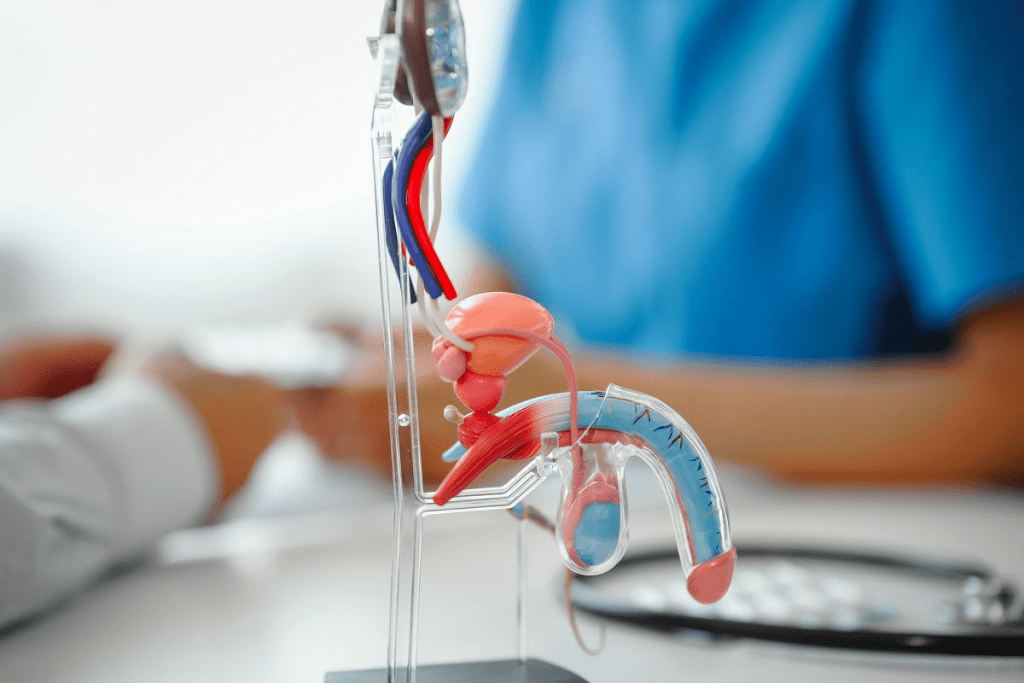
Photoselective vaporization, or laser PVP, is a new way to treat an enlarged prostate. It uses laser energy to remove extra prostate tissue. This helps ease urinary symptoms and improves life quality for patients.
The Surgical Process
The laser PVP surgery uses a powerful laser to remove prostate tissue. It’s done through a small incision, with the laser going through a cystoscope. This method is precise and doesn’t harm nearby areas much.
Key steps in the laser PVP procedure include:
- Insertion of the cystoscope through the urethra.
- Visualization of the prostate tissue using the cystoscope’s camera.
- Application of laser energy to vaporize the excess tissue.
- Removal of the vaporized tissue, relieving the obstruction.
Pain Management Benefits
Laser PVP is great for reducing pain after surgery. It causes less damage to tissue than old methods. This means less pain for patients during recovery.
The benefits of laser PVP in pain management include:
- Less post-operative pain due to minimal tissue damage.
- Reduced need for post-operative analgesics.
- Shorter hospital stays, often allowing for same-day discharge.
Long-Term Outcomes and Quality of Life
Laser PVP offers quick relief from urinary problems and long-term benefits. Studies show patients see lasting improvements in their symptoms.
The long-term benefits of laser PVP include:
- Significant reduction in urinary symptoms.
- Improved urinary flow rates.
- Enhanced quality of life due to reduced symptoms and minimal side effects.
Aquablation Prostatectomy: Water-Jet Precision with Minimal Discomfort
Aquablation prostatectomy is a new way to treat prostate problems. It uses high-pressure water jets to remove tissue with great care. This method aims to ease prostate issues with little pain and quick recovery.
How High-Pressure Water Jet Technology Works
The aquablation method uses a robotic system with water jets to cut away prostate tissue. This water-jet technology is precise, removing only the bad tissue. It also helps avoid damage to other areas, leading to faster healing.
During the surgery, a cystoscope helps the surgeon see the prostate. A robotic handpiece delivers the water jets. The real-time imaging and robotic precision allow for a treatment that fits each patient’s needs perfectly.
Dramatic Symptom Improvement Statistics
Studies show that aquablation prostatectomy greatly improves urinary symptoms in men with BPH. Patients see a big drop in symptoms, making their lives better. The symptom improvement happens fast and lasts long.
- Significant reduction in International Prostate Symptom Score (IPSS)
- Improvement in urinary flow rates
- Enhanced quality of life due to reduced symptoms
Sexual Function Preservation Benefits
Aquablation prostatectomy is great for keeping sexual function intact. The water jets are precise, avoiding damage to nerves and tissues important for sex. This means many men keep their erectile function after the surgery.
Research shows aquablation prostatectomy is good for sexual function compared to other surgeries. It’s a good choice for men worried about how surgery might affect their sex life.
Comparing Prostate Surgery Options for Pain Minimization
Understanding the differences in prostate surgery options is key to less pain and faster recovery. We’ve looked at various techniques. Now, let’s compare their pain levels, recovery times, and how they fit each person’s needs.
Side-by-Side Pain Level Comparison
Each prostate surgery has its own pain level. For example, single-port robotic prostatectomy is less invasive, which might mean less pain after surgery. On the other hand, traditional open prostatectomies might cause more pain because of the bigger cuts.
Photoselective vaporization (laser PVP) and aquablation also have their own benefits. Laser PVP uses light to cause less damage. Aquablation uses a high-pressure water jet for precise cuts.
Minimally invasive surgeries usually have less pain. But, how much pain you feel can also depend on your health and the surgeon’s skill.
Recovery Timeline Differences
The time it takes to recover is another important factor. Single-port robotic prostatectomy often lets you go home the same day, which shortens your hospital stay. Photoselective vaporization also has a quicker recovery time than traditional surgeries.
Aquablation uses a water-jet technology for fast symptom relief, leading to a quicker recovery.
Knowing these recovery times helps patients plan their care after surgery better.
Personalized Factors in Surgical Selection
Choosing the right prostate surgery depends on many personal factors. These include your health, prostate size, and symptoms. For example, aquablation might be better for those with bigger prostates. Single-port robotic prostatectomy is good for those wanting a less invasive option.
It’s important to talk to your doctor about your specific needs. This way, you can choose the surgery that’s best for you.
Conclusion
Minimally invasive prostate surgeries have changed how we treat prostate issues. They offer less pain and quicker recovery times. Knowing about the different prostate surgery options helps patients make better choices.
We looked at several methods, like Single-Port Robotic Prostatectomy and Photoselective Vaporization (Laser PVP). Each has its own benefits for pain and recovery. These new ways of doing prostate surgery have greatly improved results for patients.
Managing pain well is key in prostate surgery. These modern methods focus on keeping patients comfortable. Now, patients have options that help with both their prostate problems and post-surgery pain. The idea of removing the prostate is more complex, with many surgical choices available.
In short, the least painful prostate surgery options use the latest technology and are less invasive. This makes the treatment process more comfortable and efficient. As medical tech keeps getting better, we’ll see even more ways to improve prostate surgery, helping patients even more.
FAQ
What is the least painful prostate surgery?
The least painful prostate surgeries are the minimally invasive ones. These include single-port robotic prostatectomy, photoselective vaporization (laser PVP), and aquablation prostatectomy. They focus on making the patient as comfortable as possible.
What are the benefits of single-port robotic prostatectomy?
Single-port robotic prostatectomy is less invasive. It leads to faster recovery and less pain. This is thanks to the robotic technology and the single incision used.
How does laser PVP compare to traditional prostate surgery in terms of pain?
Laser PVP is a gentle treatment that uses light to vaporize excess prostate tissue. It offers better pain management than traditional surgery.
What is aquablation prostatectomy, and how does it preserve sexual function?
Aquablation prostatectomy uses high-pressure water jets to remove prostate tissue precisely. This method minimizes damage to surrounding areas and helps preserve sexual function.
Can I live without a prostate?
Yes, living without a prostate is possible. Prostate removal surgery, or radical prostatectomy, is usually done for cancer or other conditions. Always talk to a healthcare provider before making this decision.
What are the side effects of prostate removal surgery?
Side effects of prostate removal surgery vary by person and surgery type. Common ones include urinary incontinence, erectile dysfunction, and changes in ejaculation.
How long does it take to recover from prostate surgery?
Recovery time for prostate surgery depends on the surgery type and individual factors. Minimally invasive surgeries like single-port robotic prostatectomy and laser PVP often have faster recovery times than open surgery.
What is the difference between radical prostatectomy and other prostate surgeries?
Radical prostatectomy removes the prostate gland, mainly for cancer treatment. Other surgeries, like laser PVP and aquablation, treat enlarged prostate or other issues. They might not remove the whole prostate.
Can the prostate be removed, and what are the implications?
Yes, the prostate can be removed through radical prostatectomy. Removing the prostate can lead to side effects like urinary incontinence and erectile dysfunction. Discuss these risks with a healthcare provider.
References:
- Santis Health. (2025, August 26). Which prostate surgery type is right for you?https://santishealth.org/types-of-prostate-surgery/
- Impertore, D., et al. (2017). Radical prostatectomy in the robotic era: Comparison of three different methods”retropubic, robotic, and perineal. Journal of Urological Surgery.https://jurolsurgery.org/articles/radical-prostatectomy-in-the-robotic-era-comparison-of-three-different-methods-retropubic-robotic-and-perineal/jus.127
- Condon, B., et al. (2019). Myth-busting patients’ pain: Comparing robotic-assisted versus open radical prostatectomy. Journal of Urology, 2020.https://pmc.ncbi.nlm.nih.gov/articles/PMC7225464/