
Osteoporosis makes bones thin and fragile, raising the chance of fractures. Bisphosphonates are a key treatment for osteoporosis. They work by stopping bone loss through preventing osteoclasts.Explaining how do bisphosphonates work to slow bone loss, strengthen bones, and reduce fracture risk in osteoporosis patients.
Studies show bisphosphonates lower fracture risk. They cut down hip and vertebral fractures significantly. Knowing how bisphosphonates work helps doctors treat osteoporosis better.
Key Takeaways
- Bisphosphonates inhibit bone resorption, reducing fracture risk.
- They are a primary treatment for osteoporosis and osteopenia.
- Clinical trials have shown a significant reduction in hip and vertebral fractures.
- Bisphosphonates promote osteoclast apoptosis, slowing bone loss.
- Proper administration is key for good treatment results.
Understanding Osteoporosis and Bone Metabolism
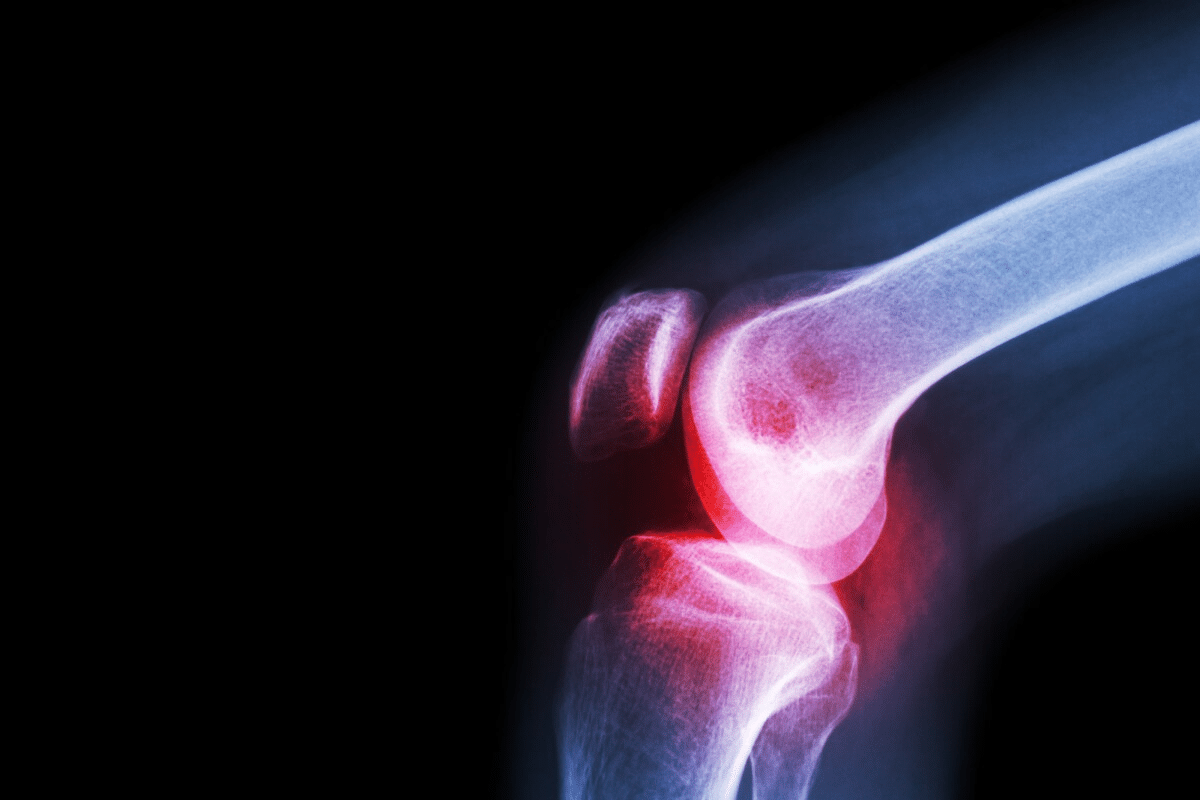
Osteoporosis is a condition where bones weaken, making them more likely to break. It happens when bone resorption (breaking down) is more than bone formation (building up). This imbalance is key to understanding osteoporosis.
The Pathophysiology of Osteoporosis
Osteoporosis is caused by an imbalance in bone cells. Osteoclasts break down bone, while osteoblasts build it. When osteoclasts work too hard, bone density drops, leading to osteoporosis.
Normal Bone Remodeling Process
Bone remodeling is a constant process that keeps bones healthy. It involves osteoclasts and osteoblasts working together. Hormones like parathyroid hormone and vitamin D help control this process.
Risk Factors for Developing Osteoporosis
Several factors can increase the risk of osteoporosis. These include genetic predisposition, hormonal changes, and lifestyle choices. A diet lacking calcium and vitamin D, smoking, and not exercising enough are all risks.
|
Risk Factor |
Description |
|---|---|
|
Genetic Predisposition |
Family history of osteoporosis |
|
Hormonal Changes |
Postmenopausal hormonal shifts |
|
Lifestyle Factors |
Diet low in calcium and vitamin D, smoking, lack of exercise |
What Are Bisphosphonates?
Bisphosphonates are a group of drugs that help prevent and treat bone loss. They are often given to people with osteoporosis. This condition makes bones weak and increases the risk of fractures.
Definition and Classification
Bisphosphonates are man-made compounds similar to a natural substance in our bodies. They are sorted into two main types. The first type includes nitrogen-containing bisphosphonates like alendronate and risedronate. The second type includes non-nitrogen containing bisphosphonates, such as etidronate and clodronate.
History of Bisphosphonate Development
The journey of bisphosphonates started in the 1960s with etidronate. Over time, many more have been developed. These advancements have made them safer and more effective.
Role in Modern Osteoporosis Management
Bisphosphonates are key in fighting osteoporosis. They help by reducing bone loss and increasing bone density. Drugs like alendronate (Fosamax), risedronate (Actonel), and ibandronate (Boniva) are very effective. They lower the risk of fractures in both the spine and other parts of the body.
How Do Bisphosphonates Work?
Bisphosphonates are key in treating osteoporosis and other bone issues. They affect bone metabolism. This is why they’re used to manage osteoporosis.
Binding to Hydroxyapatite in Bone
Bisphosphonates bind to hydroxyapatite on bone surfaces. This is important. It lets them be part of the bone matrix, where they can act on bone cells.
Inhibition of Osteoclast Activity
After binding, bisphosphonates stop osteoclasts from working. Osteoclasts are the cells that break down bone. By stopping them, bisphosphonates lower bone turnover, which is high in osteoporosis patients.
“Bisphosphonates are effective in reducing the risk of fractures in osteoporosis patients by decreasing bone turnover.” Natalie H. Kelly, et al.
The Mevalonate Pathway Inhibition
Nitrogen-containing bisphosphonates block the mevalonate pathway. This pathway is key for osteoclast function and survival. Blocking it causes osteoclast death.
Effects on Bone Turnover and Strength
Bisphosphonates reduce bone turnover, making bones stronger. They slow down bone breakdown. This creates a stable bone environment, lowering fracture risk.
|
Effect |
Description |
|---|---|
|
Binding to Hydroxyapatite |
Bisphosphonates bind to hydroxyapatite in bone, allowing them to exert their effects. |
|
Inhibition of Osteoclast Activity |
Reduces bone resorption by inhibiting osteoclasts. |
|
Mevalonate Pathway Inhibition |
Inhibits the mevalonate pathway, leading to osteoclast apoptosis. |
|
Reduced Bone Turnover |
Decreases the rate of bone resorption, increasing bone strength. |
In conclusion, bisphosphonates work in several ways. They bind to bone, stop osteoclasts, and affect the mevalonate pathway. This leads to less bone breakdown and stronger bones.
Types of Bisphosphonates for Osteoporosis Treatment
Bisphosphonates are key in fighting osteoporosis. They are split into types based on their nitrogen content and how they work. Knowing this helps doctors pick the right treatment for each patient.
Nitrogen-Containing Bisphosphonates
The most powerful bisphosphonates for osteoporosis are nitrogen-containing ones. Alendronate, risedronate, ibandronate, and zoledronic acid are examples. They stop the mevalonate pathway, which slows down bone loss.
A study in the Journal of Bone and Mineral Research found these bisphosphonates cut down vertebral fractures in women with osteoporosis.
“Nitrogen-containing bisphosphonates have been shown to effectively reduce bone turnover and increase bone mineral density, reducing fracture risk.”
|
Nitrogen-Containing Bisphosphonate |
Dosing Frequency |
Administration Route |
|---|---|---|
|
Alendronate |
Weekly |
Oral |
|
Risedronate |
Weekly or Monthly |
Oral |
|
Ibandronate |
Monthly or Quarterly |
Oral or Intravenous |
|
Zoledronic Acid |
Annually |
Intravenous |
Non-Nitrogen Containing Bisphosphonates
Non-nitrogen containing bisphosphonates, like etidronate and clodronate, are less strong. They work by blocking osteoclasts. Though not as common, they’re used in some cases.
Choosing between nitrogen-containing and non-nitrogen containing bisphosphonates depends on many factors. These include the patient’s health, possible side effects, and the treatment’s purpose. Knowing about these bisphosphonates helps doctors find the best treatment for osteoporosis.
Indications for Bisphosphonate Therapy
Bisphosphonates are used to treat osteoporosis in many cases. They are a type of medicine that helps prevent and treat osteoporosis in different groups of people.
Postmenopausal Osteoporosis
Postmenopausal osteoporosis is a big reason to use bisphosphonates. After menopause, women lose estrogen, which can make bones weaker. Bisphosphonates help keep bones strong by stopping bone loss. This lowers the chance of breaking bones.
“Bisphosphonates are a top choice for treating postmenopausal osteoporosis,” says clinical guidelines. They help lower the risk of fractures.
Male Osteoporosis
Male osteoporosis is not as common as in women but is serious. It’s a big worry for older men or those with certain risks. Bisphosphonates help men keep their bones strong and lower the risk of fractures.
Glucocorticoid-Induced Osteoporosis
People on long-term glucocorticoids face a risk of osteoporosis. Bisphosphonates are used to prevent and treat this condition. They help protect bones from the harmful effects of glucocorticoids.
Prevention vs. Treatment Indications
It’s important to know the difference between prevention and treatment with bisphosphonates. They are used for both, but the choice depends on a person’s risk of fractures.
In summary, bisphosphonates are used for different types of osteoporosis, including postmenopausal, male, and glucocorticoid-induced. Knowing when to use them is key to managing osteoporosis well.
Contraindications and Precautions for Bisphosphonate Use
It’s important to know the risks and precautions of bisphosphonates for safe treatment of osteoporosis. These drugs are key in fighting osteoporosis, but they come with some dangers.
Absolute Contraindications
Some conditions make bisphosphonates a bad choice. For example, severe kidney problems can get worse with these drugs. Also, low calcium levels are a big no-no because bisphosphonates can make it worse.
People who can’t sit or stand for 30 minutes should not take oral bisphosphonates. This is because they can irritate the esophagus.
Relative Contraindications
Some conditions might not completely rule out bisphosphonates, but they need extra care. For example, those with stomach issues might need different treatments or close watch. If kidney problems are not too severe, doctors might adjust the dose or choose another option.
Special Populations
Some groups need extra attention when it comes to bisphosphonates. Pregnant or nursing moms should usually avoid them because of possible harm to the baby. Kids and teens with osteoporosis need careful thought because we don’t know all the long-term effects.
Elderly patients might need their doses adjusted because of kidney function changes.
In summary, bisphosphonates are helpful for osteoporosis, but doctors must weigh the risks and benefits for each patient. This ensures the best treatment with the least harm.
Administration Methods and Dosing Protocols
The way bisphosphonates are given affects how well they work for osteoporosis. They can be taken by mouth or through an IV. The dose and how often it’s given can help patients stick to their treatment.
Oral Administration Guidelines
Most people with osteoporosis take oral bisphosphonates. To get the most out of them, take them on an empty stomach in the morning. Drink a full glass of water and stay upright for at least 30 minutes to an hour after.
Intravenous Administration
Intravenous bisphosphonates are given straight into a vein. This is for those who can’t take pills or have stomach problems. It’s 100% effective and great for severe cases or cancer patients.
Dosing Frequency Options
Bisphosphonates come in different doses and frequencies. You might take them daily, weekly, monthly, or even just once a year. The choice depends on the type of bisphosphonate, what you prefer, and your doctor’s advice.
|
Administration Method |
Dosing Frequency |
Examples |
|---|---|---|
|
Oral |
Daily, Weekly, Monthly |
Alendronate, Risedronate, Ibandronate |
|
Intravenous |
Quarterly, Yearly |
Zoledronic acid |
Having options in how and when bisphosphonates are given helps doctors make treatment plans that fit each patient. This can make it easier for patients to follow their treatment and get better results.
Managing Side Effects and Optimizing Treatment
Managing osteoporosis with bisphosphonates needs a deep understanding of side effects. It’s important to know how to handle them. Bisphosphonates help prevent fractures but can cause side effects.
Common Side Effects
Side effects like heartburn, nausea, and abdominal pain are common. These can be lessened by taking the medicine on an empty stomach. Make sure to drink a full glass of water and stay upright for 30 minutes after.
Experts say, “Proper administration techniques can significantly reduce the incidence of gastrointestinal side effects associated with oral bisphosphonates.”
“Proper administration techniques can significantly reduce the incidence of gastrointestinal side effects associated with oral bisphosphonates.”
Rare but Serious Complications
But there are rare but serious issues like osteonecrosis of the jaw (ONJ) and atypical femur fractures (AFF). ONJ is when the jaw bone is exposed and won’t heal. AFFs are fractures that happen with little or no trauma.
Monitoring and Prevention Strategies
Regular checks are key to avoid these complications. Dental exams before starting treatment and checking kidney function are important. Teaching patients about signs of problems is also vital.
- Regular dental check-ups
- Periodic renal function assessment
- Patient education on signs and symptoms of complications
Improving Patient Adherence
To get patients to stick to treatment, make it easier. Using once-monthly or once-yearly doses can help. Also, listening to their concerns and giving clear instructions can make a big difference.
By knowing the side effects and how to manage them, doctors can make treatment better. This leads to better results for patients.
Conclusion: Long-Term Considerations in Bisphosphonate Therapy
Using bisphosphonates for a long time to treat osteoporosis needs careful thought. These drugs can help lower the risk of bone fractures. But, they can also cause problems like unusual bone breaks and jaw damage.
Doctors should keep a close eye on patients taking these drugs. They need to watch for any side effects and change treatment plans if needed. This includes checking bone health and deciding if treatment should continue.
Healthcare providers must balance the good and bad of bisphosphonates. This way, they can help patients with osteoporosis the most. Proper management of these drugs can reduce fractures and improve health.
FAQ
What are bisphosphonates and how do they work?
Bisphosphonates are medicines for osteoporosis. They stop bone breakdown and help bones grow stronger. They work by sticking to bone and slowing down bone loss.
What is the role of bisphosphonates in managing osteoporosis?
Bisphosphonates help manage osteoporosis by reducing fractures and slowing bone loss. They are used for postmenopausal, male, and glucocorticoid-induced osteoporosis.
What are the different types of bisphosphonates used for osteoporosis treatment?
Bisphosphonates come in two types: nitrogen-containing and non-nitrogen containing. Nitrogen-containing bisphosphonates, like alendronate, are more effective.
What are the indications for bisphosphonate therapy?
Bisphosphonates treat osteoporosis in postmenopausal women, men, and those with glucocorticoid-induced osteoporosis. They also treat Paget’s disease and bone metastases.
What are the contraindications and precautions for bisphosphonate use?
Don’t use bisphosphonates if you have low calcium, severe kidney disease, or certain stomach problems. Be careful if you have kidney issues or take certain drugs.
How are bisphosphonates administered?
Bisphosphonates are given orally (e.g., alendronate) or intravenously (e.g., zoledronic acid). Oral forms need special care to avoid stomach problems. Intravenous forms are given in a doctor’s office.
What are the common side effects of bisphosphonates?
Side effects include stomach issues, muscle pain, and flu-like symptoms. Rare but serious problems are jaw bone damage and unusual fractures.
How can patient adherence to bisphosphonate therapy be improved?
Improve adherence by educating patients and simplifying dosing. Monitor for side effects and offer support. Regular check-ups help too.
What are the long-term considerations in bisphosphonate therapy?
Long-term therapy needs regular bone density and kidney checks. Risks like jaw damage and fractures increase with time. Benefits and risks should be reviewed often.
References
National Health Service (NHS). Evidence-Based Medical Guidance. Retrieved from https://www.nhs.uk/medicines/zoledronic-acid-for-osteoporosis/