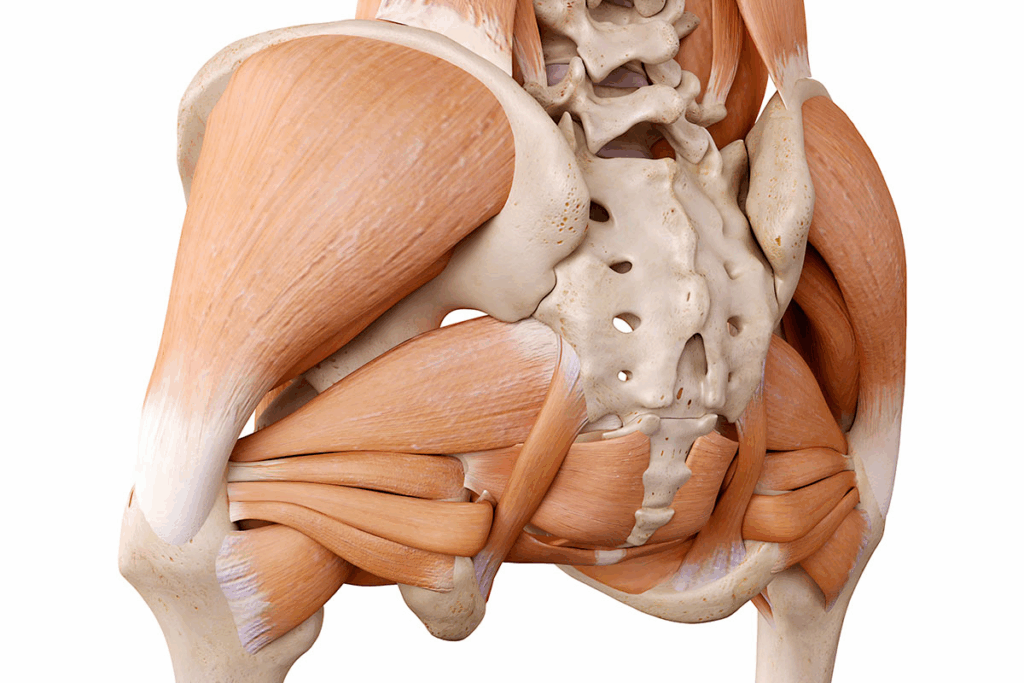
We often think the pelvic floor is just for women, but men have one too. The male pelvic floor is a complex structure. It’s made of muscles and connective tissue. It’s key for controlling urine, bowel movements, sex, and keeping the core stable.Guide to the male pelvic muscle anatomy, explaining its structure, function, and importance for health.
Medical Expert. Quallich says, “The male pelvic floor goes from the pubic bone to the tailbone. It forms a sling that supports organs and helps with bladder, bowel, and sex functions.”
Knowing about your pelvic floor is key for good health and life quality. We’ll look into why the male pelvic floor is important for overall health.
Key Takeaways
- The male pelvic floor is a complex structure that supports urinary control, bowel function, and sexual performance.
- Men have a pelvic floor, and it’s essential for their overall health.
- The pelvic floor muscles play a vital role in core stability and overall well-being.
- Understanding pelvic floor anatomy is critical for maintaining optimal health.
- Pelvic floor dysfunction can impact quality of life.
The Male Pelvic Floor: Yes, Men Have One Too

Many people think men don’t have a pelvic floor. But, it’s a key part of their health. The male pelvic floor includes muscles, ligaments, and fascia. These work together to support many bodily functions.
Debunking Common Misconceptions
Some believe men don’t have pelvic floor muscles. Jessica, a physical therapist, says this isn’t true. Men’s pelvic floor muscles are vital for their health, including urinary, bowel, and sexual functions.
This myth likely comes from focusing more on women’s health, like during childbirth. But, the male pelvic floor is just as important. It helps keep the bladder, bowel, and sexual organs in place. It also supports continence and sexual function.
Historical Understanding vs. Modern Medical Knowledge
In the past, the male pelvic floor wasn’t studied as much. But, today, we know a lot more thanks to new medical knowledge.
Thanks to better imaging and studies, we now understand the male pelvic floor better. This has helped doctors diagnose and treat pelvic floor issues in men more effectively.
Aspect | Historical Understanding | Modern Medical Knowledge |
Focus | Primarily on women’s health | Equal emphasis on men’s and women’s pelvic health |
Anatomical Understanding | Limited by technology and anatomical studies | Advanced through medical imaging and detailed anatomical studies |
Treatment Options | Limited treatment options available | Varied and effective treatment options, including physical therapy and surgery |
Knowing about the male pelvic floor helps us tackle issues like urinary incontinence and sexual problems. This knowledge lets men take care of their pelvic health better.
Male Pelvic Muscle Anatomy Explained
The male pelvic floor is a complex structure that supports many bodily functions. It has muscles and tissues that act like a sling or hammock. This structure is key for supporting the abdominal and pelvic organs.
The Hammock-Like Structure
The male pelvic floor muscles form a hammock-like structure. This structure cradles the pelvic organs, like the bladder, prostate, and rectum. It’s vital for keeping these organs in place and for controlling urine and stool.
The hammock-like structure is made up of different muscle groups and fascial layers. Together, they form a strong and flexible support system.
Layers and Components
The male pelvic floor has several layers, including the endopelvic fascia, pelvic floor muscles, and superficial fascia. The pelvic floor muscles are the main players. They contract and relax to help with various bodily functions.
These layers and components work together. They provide support, help maintain continence, and aid in sexual function. Knowing about these parts helps us understand the complexity of male pelvic muscle anatomy.
- The endopelvic fascia provides a layer of connective tissue that supports the pelvic organs.
- The pelvic floor muscles, including the levator ani and coccygeus muscles, form the primary muscular layer.
- The superficial fascia contains the superficial perineal muscles and other tissues.
Key Muscles of the Male Pelvic Floor
It’s important to know about the muscles in the male pelvic floor. This area has many layers of muscles and tissues that support it.
Levator Ani Muscles
The levator ani muscles are key to the pelvic floor. They help support the pelvic organs, keep things in place, and help with sex. The main muscles are:
- Pubococcygeus muscle
- Iliococcygeus muscle
- Puborectalis muscle
Together, these muscles act like a hammock for the pelvic organs. The pubococcygeus muscle helps control urine flow. The puborectalis muscle helps keep stool in.
Perineal Muscles
The perineal muscles are also vital. They sit between the pubic bone and the tailbone. They have two layers: the superficial and the deep.
The superficial layer includes muscles like the:
- Ischiocavernosus muscle
- Bulbospongiosus muscle
- Superficial transverse perineal muscle
These muscles help with sex and support the pelvic area. The deep layer has the external urethral sphincter. It’s key for keeping urine in.
Supporting Tissues
The male pelvic floor also has connective tissues like fascia and ligaments. These tissues add extra support to the pelvic organs and keep the pelvic floor strong.
It’s important for these tissues to work right to avoid pelvic floor problems.
Muscle Fiber Types and Their Functions
It’s important to know about the muscle fiber types in the male pelvic floor. This area has different muscle fibers. They help keep urine and stool in, support pelvic organs, and help with sex.
Slow-Twitch Type 1 Fibers
Slow-twitch Type 1 fibers are about two-thirds of the male pelvic floor muscles. They are good for long-lasting support and keeping things in place. They don’t get tired easily and help keep the pelvic floor muscles tight for a long time.
Fast-Twitch Type 2 Fibers
Fast-twitch Type 2 fibers make up about one-third of the male pelvic floor muscles. They are best for quick, strong actions like coughing or sudden movements. They help keep things in place during these quick actions.
How These Fibers Work Together
The mix of slow-twitch and fast-twitch fibers in the male pelvic floor is key. Slow-twitch fibers give long-lasting support. Fast-twitch fibers help with quick, strong actions. Together, they keep everything working right.
A study on pelvic floor muscle function found, “The pelvic floor muscles contain a mix of slow-twitch and fast-twitch fibers, which work together to maintain continence and support pelvic organ function” (
This mix of fiber types enables the pelvic floor to perform its various roles effectively.
).
Fiber Type | Proportion | Function |
Slow-Twitch Type 1 | Two-Thirds | Endurance, long-term support |
Fast-Twitch Type 2 | One-Third | Short, intense activities |
In conclusion, the muscle fiber mix in the male pelvic floor is vital. Knowing about slow-twitch and fast-twitch fibers helps us understand how it works. It keeps things in place and supports pelvic organs.
The Essential Functions of the Male Pelvic Floor
The pelvic floor in men is key to daily life and health. Medical Expert, supports organs, and helps with sex. It’s made of muscles, ligaments, and fascia, working together for support and function.
Maintaining Urinary Continence
The male pelvic floor is vital for controlling urine. The levator ani muscle helps keep the urethra and bladder neck in place. Strong muscles mean men can choose when to urinate, avoiding leaks.
Supporting Fecal Continence
The pelvic floor also helps with bowel control. It supports the anal sphincter, letting men control their bowel movements. This is key for avoiding accidents and keeping the bowel healthy.
Providing Organ Support
The pelvic floor supports vital organs like the bladder, prostate, and rectum. Its muscles and ligaments keep these organs in place, preventing issues like prolapse.
Role in Sexual Function
The pelvic floor is also important for sex. It helps with erections and ejaculation. Weak muscles can lead to sexual problems. Kegel exercises can strengthen these muscles, boosting sex life.
In summary, the male pelvic floor is essential for health. It helps with urine and stool control, organ support, and sex. Understanding its role can help men keep their pelvic floor healthy, improving their life quality.
Common Pelvic Floor Issues in Men
Men often face various pelvic floor problems that affect their life quality. The pelvic floor is key for controlling urine and stool, supporting organs, and aiding in sex. When it’s not working right, it can cause many issues.
Pelvic Floor Dysfunction
Pelvic floor dysfunction means the muscles and tissues in the pelvic floor don’t work right. This can make it hard to relax or tighten the muscles. Pelvic floor dysfunction can cause pain, leaky bladder, and trouble with bowel movements.
Hypertonic (Tight) Pelvic Floor
A hypertonic pelvic floor means the muscles are too tight and can’t relax. This can cause pain, trouble with ejaculation, and hard time starting to pee. Men might also feel pain when they poop.
Hypotonic (Weak) Pelvic Floor
A hypotonic pelvic floor has weak muscles. This can lead to leaks after prostate surgery and trouble controlling stool. It can also hurt sex because of lack of muscle support.
Prevalence and Risk Factors
Pelvic floor problems are more common in men than people think. Studies show a wide range of how common it is, based on age and other factors. Risk factors include age, prostate surgery, neurological issues, and lifestyle choices.
Condition | Common Symptoms | Potential Risk Factors |
Pelvic Floor Dysfunction | Pelvic pain, urinary incontinence, bowel difficulties | Age, neurological conditions, surgery |
Hypertonic Pelvic Floor | Pelvic pain, pain during ejaculation, urinary hesitancy | Stress, muscle overuse, certain postures |
Hypotonic Pelvic Floor | Urinary incontinence, fecal incontinence, decreased sexual function | Age, prostate surgery, muscle weakness |
Knowing about these pelvic floor issues in men is key for early treatment. Recognizing symptoms and risk factors helps men get the right care. This can improve their life quality.
Diagnosing and Treating Male Pelvic Floor Problems
Diagnosing and treating pelvic floor issues in men requires a detailed approach. This method includes various diagnostic tools and treatments. Each plan is made to fit the needs of the patient.
Diagnostic Approaches
Getting a correct diagnosis is key to treating male pelvic floor problems. Doctors use different tools to find out what’s wrong. These include:
- Medical history and symptom assessment
- Physical examination, including digital rectal examination
- Urodynamic studies to assess bladder function
- Imaging studies such as ultrasound or MRI
- Electromyography (EMG) to evaluate muscle function
These methods help doctors understand the cause of the problem. They then create a treatment plan.
Diagnostic Tool | Purpose | Benefits |
Medical History | Assess symptoms and overall health | Provides context for symptoms and possible underlying conditions |
Physical Examination | Evaluate pelvic floor muscle tone and strength | Helps identify areas of tension or weakness |
Urodynamic Studies | Assess bladder function and urine flow | Provides detailed information on bladder performance |
Treatment Options
Treatment for male pelvic floor problems is tailored to each patient. It may include:
- Pelvic floor physical therapy to strengthen or relax muscles
- Medications to manage symptoms such as pain or urinary issues
- Lifestyle modifications, including dietary changes and exercise
- Biofeedback therapy to improve muscle control
- In some cases, surgical intervention may be necessary
The right treatment depends on the diagnosis, symptom severity, and patient preferences.
Using a multi-faceted approach to diagnosis and treatment helps men with pelvic floor problems. This way, healthcare providers can improve their quality of life.
Pelvic Floor Exercises and Maintenance for Men
The male pelvic floor is key for controlling urine and feces, and for sex. Keeping it strong is vital. A strong pelvic floor can make life better, by preventing leaks and improving sex.
Kegel Exercises
Kegel exercises are a must for strengthening the pelvic floor. To do a Kegel, men should:
- Find the right muscles by stopping urine flow mid-stream (but don’t do this often)
- Hold these muscles for 5-10 seconds
- Then, release for 5-10 seconds
- Do this for 10-15 reps, 3 times a day
Being consistent is important for Kegels. Try to do them every day, like in your morning or evening routine.
Reverse Kegels
Reverse Kegels help relax the pelvic floor muscles. This is good for men with pelvic floor tension or pain.
- Begin by taking a deep breath in, letting your pelvic floor relax and drop
- As you breathe out, gently squeeze your pelvic floor muscles
- Keep repeating, focusing on feeling your muscles relax and contract
Diaphragmatic Breathing
Diaphragmatic breathing can lower stress and relax the pelvic floor. To do it:
- Start by lying on your back with knees bent and feet flat
- Put one hand on your belly and the other on your chest
- Breathe in deeply through your nose, letting your belly rise while your chest stays steady
- Slowly breathe out through your mouth, feeling your belly fall
Doing this breathing regularly can improve pelvic floor function and relaxation.
Lifestyle Modifications
Along with exercises, some lifestyle changes can help pelvic floor health. These include:
Lifestyle Change | Benefit |
Maintaining a healthy weight | Reduces pressure on the pelvic floor |
Avoiding heavy lifting | Decreases strain on pelvic floor muscles |
Quitting smoking | Improves overall health and reduces coughing strain |
By adding these exercises and lifestyle changes, men can greatly improve their pelvic floor health. This can make their life better and more enjoyable.
Conclusion: The Importance of Pelvic Floor Awareness for Men
Knowing about the male pelvic floor is key to staying healthy and avoiding pelvic floor disorders. Medical Expert’s role in health. This knowledge helps men take care of their pelvic floor.
Being aware of the pelvic floor helps prevent problems like urinary incontinence, erectile dysfunction, and pelvic pain. Men can learn about their pelvic floor’s anatomy and how to keep it healthy. They can also find out about exercises and lifestyle changes that help.
It’s important to educate and raise awareness about pelvic floor health. This empowers men to manage their health better, leading to a better life. As we learn more about the male pelvic floor, it’s clear that knowing about it is essential for men’s health.
FAQ
Do men have a pelvic floor?
Yes, men have a pelvic floor. It’s important for keeping urine and stool in, supporting organs, and helping with sex.
What is the male pelvic floor anatomy?
The male pelvic floor is like a hammock. It has layers and parts like the levator ani muscles and perineal muscles.
What are the key muscles of the male pelvic floor?
The main muscles in the male pelvic floor are the levator ani and perineal muscles. They work together to keep things in place and support organs.
What are the different types of muscle fibers in the male pelvic floor?
The male pelvic floor has slow-twitch and fast-twitch fibers. They help keep things in place and support organs.
Can men have pelvic floor dysfunction?
Yes, men can have pelvic floor dysfunction. This can make muscles too tight or too weak, causing problems like incontinence or constipation.
How are male pelvic floor problems diagnosed?
Doctors use a medical history, physical exam, and tests like urodynamic studies to find pelvic floor problems in men.
What are the treatment options for male pelvic floor problems?
Treatments include pelvic floor exercises, lifestyle changes, and sometimes medical or surgical help.
Can men benefit from Kegel exercises?
Yes, Kegel exercises can help men strengthen their pelvic floor muscles. This improves continence and sex life.
Are there any lifestyle modifications that can help maintain male pelvic floor health?
Yes, staying healthy, avoiding constipation, and good bowel habits can help keep the pelvic floor healthy in men.
Is it common for men to experience pelvic floor issues?
While women often face pelvic floor problems, men can too. It’s important to talk about male pelvic floor health to get help early.
Can men have a tight pelvic floor?
Yes, men can have a tight pelvic floor. This can cause pain, trouble with urination, or sex problems.
Do men have perineal muscles?
Yes, men have perineal muscles. They are part of the pelvic floor and help support organs and keep things in place.
Reference
National Center for Biotechnology Information. Evidence-Based Medical Guidance. Retrieved from https://www.ncbi.nlm.nih.gov/books/NBK482200/