Prolapsed bladder, also known as cystocele, is common in elderly women. It happens when pelvic floor muscles and tissues weaken.prolapsed bladder in elderlyBladder Sling: Common Name for Bladder Repair Surgery
Recovering from surgery for a prolapsed bladder is a big step. It helps you regain your quality of life and confidence. The recovery time is usually one to six weeks, based on the surgery’s extent.
At Liv Hospital, we focus on personalized care for elderly women with prolapsed bladder issues. Our approach combines international medical standards with caring treatment. This ensures each patient gets the best care possible.
Key Takeaways
- Prolapsed bladder surgery recovery time varies from one to six weeks.
- Personalized care is key for elderly women after surgery.
- Liv Hospital offers detailed treatment that combines care with international standards.
- Knowing the recovery process helps set realistic goals.
- Planning post-surgical care is important for a smooth recovery.
Understanding Prolapsed Bladder in Elderly
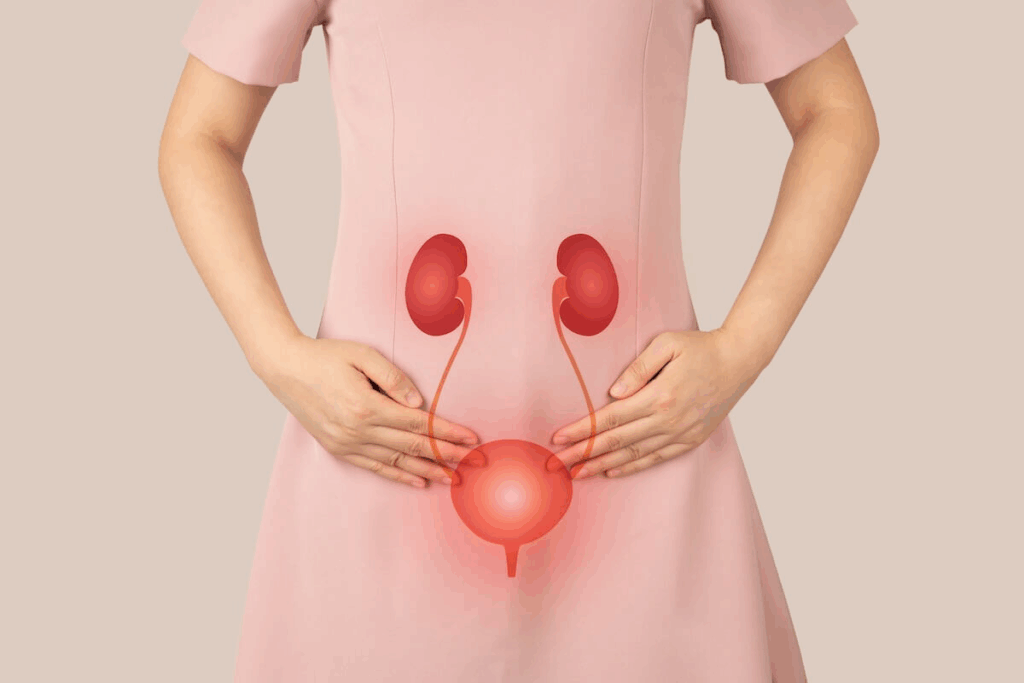
As women get older, the chance of having a prolapsed bladder goes up. This can really change their life. A prolapsed bladder happens when the bladder pushes into the vagina, causing pain and other symptoms. It’s a big problem for many older women around the world.
What Causes Pelvic Organ Prolapse in Older Women
Pelvic organ prolapse in older women is mainly because of weak muscles and tissues. Things that make these muscles weak include:
- Age-related muscle loss
- Menopause and lower estrogen levels
- Previous pelvic surgeries
- Chronic coughing or straining
- Genetic factors
These things can make the pelvic organs, like the bladder, move out of place. Knowing why this happens helps doctors find the best treatment.
Common Symptoms and Their Effect on Daily Life
The symptoms of a prolapsed bladder can be different for everyone. They often include feeling like the bladder is full, trouble peeing, and pain during sex. These symptoms can really mess up daily life, causing:
- Hard time doing physical activities
- Feeling sad or upset because of pain or discomfort
- Wanting to stay home because of embarrassment or fear of accidents
It’s important to notice these symptoms early. This way, women can get the right medical help and improve their life.
When Surgical Intervention Becomes Necessary
Surgery is an option when the prolapse is very bad and affects daily life a lot. It’s also considered when other treatments don’t work well. Choosing to have surgery is a big decision. It depends on the woman’s health, how bad the symptoms are, and what the surgery might do.
Surgery to fix pelvic organ prolapse can be very effective. It works well for most women, with 88 percent being happy with the results. For older women, the decision to have surgery also looks at their overall health and how well they can recover.
There are different surgeries for elderly women with uterine prolapse. The goal is to fix the problem and make the pelvic organs work right again.
Pre-Surgery Preparation Steps
Getting ready for prolapsed bladder surgery is key to a smooth recovery. We’ll guide you through important steps. This will help you face the challenges of pop surgery recovery and know the recovery time for prolapsed uterus surgery.
Essential Medical Evaluations and Tests
Your healthcare team will do many tests before surgery. These tests check if you’re ready for the procedure. You might have:
- A full physical check-up to see how healthy you are
- Imaging tests like ultrasound or MRI to see how bad the prolapse is
- Urodynamic tests to check how your bladder works
- Blood tests to find any health issues that might affect surgery or recovery
These tests help your surgeon plan the best surgery for you. They also spot any possible risks.
Setting Realistic Expectations with Your Surgeon
Talking openly with your surgeon is very important. You should know what to expect before, during, and after surgery. This includes the surgery type, recovery time, and possible complications. Knowing what to expect helps you prepare mentally and emotionally.
Ask your surgeon any questions you have. This includes worries about pop surgery recovery or the whole process.
Practical Home Preparations for Recovery
Getting your home ready for your return is also important. Think about:
- Getting comfortable clothes, heating pads, and any needed medicines
- Getting help with chores and personal care when you first get home
- Setting up a cozy recovery area with pillows, blankets, and things to do
- Planning for follow-up care, like getting to appointments
By doing these things, you can make your home recovery-friendly. This helps you recover smoothly and comfortably.
A good recovery time for prolapsed uterus surgery starts with good preparation. Follow these steps to ensure a successful outcome.
Surgical Approaches for Treating Prolapsed Bladder in Elderly
Elderly patients with a prolapsed bladder have many surgical options. The right surgery depends on how severe the prolapse is, the patient’s health, and their wishes.
Reconstructive Surgery Options
Reconstructive surgery is the most common treatment for a prolapsed bladder. It aims to fix the pelvic area without harming sexual function. There are two main types of surgery, based on which part of the vaginal wall is affected.
We will look at the benefits and things to consider for each reconstructive surgery. This will help you understand what to expect from these procedures.
Comparing Vaginal and Abdominal Approaches
Surgeries can be done through the vagina or the abdomen. The vaginal method is less invasive and quicker to recover from, making it popular for older patients. The abdominal method is needed for more serious cases or when other surgeries are needed.
Surgical Approach | Benefits | Considerations |
Vaginal | Less invasive, quicker recovery | May not be suitable for complex cases |
Abdominal | More thorough, good for complex cases | Longer recovery, more invasive |
Minimally Invasive Techniques: Laparoscopic and Robotic
Minimally invasive techniques like laparoscopic and robotic surgery offer smaller cuts, less blood loss, and faster healing. These methods are gaining popularity for treating prolapsed bladders in the elderly.
Robotic surgery, in particular, offers better precision and flexibility. It makes complex procedures easier. But, not all places offer these techniques, and not all doctors are skilled in them.
It’s important to know about the different surgical options for a prolapsed bladder. By understanding the benefits and drawbacks of each, patients can make better choices with their healthcare team.
Immediate Post-Operative Care
Getting the right care right after prolapsed bladder surgery is key to a smooth recovery. We’ll guide you through this important time. Understanding the basics of post-operative care is vital for your recovery.
Typical Hospital Stay Duration
Patients usually stay in the hospital for at least one night after pelvic floor repair. But, new surgical methods are making stays shorter. If the surgery is simple, you might go home the same day.
Your stay will depend on your health, the surgery’s complexity, and your doctor’s advice. For those 80 and older, surgery can be a successful treatment.
Effective Pain Management Strategies
Managing pain well is a big part of post-operative care. We use medicines and other methods to reduce pain. Your healthcare team will create a pain plan just for you.
It’s important to stick to your pain plan and talk to your doctors about any pain changes.
Some common pain management strategies include:
- Using a combination of oral pain medications
- Employing regional anesthesia techniques when appropriate
- Utilizing non-pharmacological methods such as ice packs or relaxation techniques
Initial Movement Guidelines and Restrictions
After surgery, it’s important to rest but also move a bit to heal and avoid problems. You’ll be told not to lift heavy, bend, or do strenuous activities at first. As you get better, you’ll be able to move more.
Activity | Immediate Post-Op (0-2 days) | Early Recovery (2-7 days) |
Heavy Lifting | Avoid | Avoid |
Bending | Avoid | Limit |
Strenuous Activities | Avoid | Gradually resume |
Gentle Walking | Encouraged | Increase as tolerated |
Following these guidelines is important for a smooth recovery. Your healthcare team will give you advice based on your situation and progress.
First Two Weeks of Recovery
The first two weeks after prolapsed bladder surgery are key for a good recovery. Patients must watch their body’s healing and follow certain rules for the best results.
Managing Discomfort and Pain at Home
After leaving the hospital, managing pain is top priority. Doctors usually give pain meds to help with the pain. It’s important to take the right amount and talk to your doctor if the pain doesn’t go away or gets worse.
Some people might feel cramps or pressure in their pelvic area for about two weeks. This can last up to six weeks for some. Using warm compresses or taking warm baths can help ease the discomfort.
“Pain is the body’s way of signaling that something is amiss. Effective pain management is key for a smooth recovery.” Medical Expert, Gynecologist
Bathroom Habits and Possible Urinary Issues
Changes in bathroom habits are common after surgery. Some might have trouble fully emptying their bladder. It’s important to keep an eye on how much urine you make and talk to your doctor if you have any issues.
Symptom | Action |
Urinary Retention | Consult healthcare provider for guidance on catheterization or other interventions. |
Difficulty Emptying Bladder | Practice double voiding techniques and monitor urine output. |
Activity Restrictions and Gradual Mobilization
In the first two weeks, it’s important to rest but also move a bit. Avoid heavy lifting, bending, or hard activities that could hurt the pelvic area.
Short walks and gentle stretching can help prevent blood clots and improve blood flow. But, it’s important to listen to your body and not do too much.
How long it takes to recover can vary. Open surgery might need 4 to 6 weeks to heal fully. Laparoscopic or vaginal surgery might only take 1 to 2 weeks. Knowing these times can help plan your care after surgery.
Weeks 3-6: Progressive Healing Phase
As we move into weeks 3-6 after prolapsed bladder surgery, we focus on slowly increasing daily activities. This is key for recovery from pelvic organ prolapse surgery. It helps patients regain strength and get back to their usual routines.
Safely Increasing Daily Activities
In this phase, patients should gradually increase their activities. Gentle exercise is recommended to aid healing and boost well-being. About 48 percent of elderly women fully recover from surgery in less than 3 months. This shows the need for a careful and gradual recovery.
Introduction to Gentle Physical Therapy
Gentle physical therapy can be started in weeks 3-6 to help with healing and strengthen the pelvic floor. It’s important to do this under a healthcare professional’s guidance. This ensures the exercises are right for the patient’s condition and recovery stage.
Nutrition and Hydration for Optimal Healing
Eating a balanced diet and staying hydrated are essential for healing. Patients should eat foods high in fiber, vitamins, and minerals. This helps support their recovery. Proper nutrition and hydration can greatly affect the prolapsed bladder operation recovery time, helping patients heal faster.
By following these tips and working with their healthcare provider, patients can smoothly go through the healing phase. This sets them up for a successful long-term recovery.
Long-Term Recovery Expectations
Women who have prolapsed bladder surgery need to know how long it takes to recover. The time it takes to heal from a bladder prolapse operation can vary. This is true, even more so for women over 80.
Typical Recovery Timeline for Women Over 80
Women over 80 might take longer to recover than younger women. It usually takes 6 to 12 weeks to start feeling better. But, it can take up to 6 months to fully recover. Remember, everyone heals at their own pace.
Recovery Stage | Timeline | Key Activities |
Initial Recovery | 0-6 weeks | Rest, pain management, follow-up appointments |
Progressive Healing | 6-12 weeks | Gradual increase in daily activities, gentle physical therapy |
Full Recovery | Up to 6 months | Return to normal routines, pelvic floor strengthening exercises |
Factors That Influence Recovery Speed
Several things can affect how fast you recover after uterine prolapse surgery recovery. Your overall health, any health issues you have, the surgery type, and following your doctor’s advice are important.
- Overall health and presence of comorbidities
- Surgical technique and extent of surgery
- Post-operative care and adherence to instructions
- Age and physical condition of the patient
Follow-up Appointments and Assessments
It’s important to have follow-up visits to check on your recovery. Usually, you’ll see your urogynecologist six weeks after surgery. Serious problems are rare, happening in only 3 cases out of 128 elderly patients studied.
At these visits, your doctor will check how you’re healing. They’ll also answer any questions you have and help you slowly get back to normal activities.
Physical Rehabilitation for Optimal Results
Recovering from prolapsed bladder surgery needs a good physical rehab plan. This plan meets each patient’s unique needs. Surgery is often used to fix the problem, making the pelvic area normal again and easing symptoms.
Pelvic Floor Strengthening Exercises
Strengthening the pelvic floor is key after surgery. Kegel exercises are a simple but powerful way to do this. They help control the bladder and prevent future problems.
Safe Movement Techniques for Daily Activities
Safe movements are also important for recovery. Avoid heavy lifting and bending to protect the pelvic area. Use the right lifting methods and rest often.
- Use leg muscles to lift objects, keeping your back straight
- Avoid bending at the waist; instead, squat or kneel when necessary
- Take regular breaks to rest and stretch
Gradual Return to Normal Routines
Going back to normal slowly is key. Start with short walks and gradually do more. Avoid hard exercises and heavy lifting for a while. Listen to your body and don’t overdo it.
With a good rehab program, patients can get the best results from surgery. They’ll feel better and enjoy a healthier life.
Emotional and Psychological Aspects of Recovery
Healing after prolapsed bladder surgery is not just about the body. It’s also about the mind and emotions. Patients often feel a mix of relief and worry as they recover. It’s key to understand that emotional healing is as important as physical healing.
Managing Expectations and Patience
Managing your expectations and staying patient are big challenges. You might feel frustrated by not being able to do things you want or feeling pain. It’s important to talk to your doctor about what to expect and how long it will take to heal.
Being patient is key as your body heals at its own pace. Doing things that calm your mind, like meditation, can help you stay positive.
Coping with Temporary Limitations
Dealing with temporary limits is a big part of recovery. You might need to change your daily life, including work and social plans. It’s important to focus on what’s most important and slowly get back to normal as your doctor advises.
Here’s a table showing what you might need to adjust in your daily life during the first few weeks:
Activity | Immediate Post-Surgery (0-2 weeks) | Early Recovery (2-6 weeks) |
Physical Activity | Limited to gentle movements and short walks | Gradually increase walking distance and introduce light stretching |
Driving | Not recommended | Resume driving when comfortable and safe to do so |
Work/Social Activities | Avoid | Gradually return to work and social engagements |
Support Resources for Elderly Patients
Elderly patients need support to heal well. This support includes medical care, emotional help, and practical aid. Family, caregivers, and support groups are very important in providing this care.
It’s a good idea for patients and their families to look into resources like home care, counseling, and support groups. Keeping in touch with loved ones and healthcare providers can greatly improve their emotional and mental health.
By focusing on emotional and psychological healing and using available support, patients can have a better recovery. This can greatly improve their life after surgery.
Conclusion: Life After Prolapsed Bladder Surgery
Recovering from prolapsed bladder surgery is a big step towards a better life, mainly for elderly women. We’ve covered everything from getting ready for surgery to caring for yourself after it. This includes long-term recovery steps.
Most people do well after this surgery. But, like any surgery, there can be complications. Knowing how long it takes to recover and what challenges you might face helps set realistic goals. A good recovery plan, with physical therapy and emotional support, is key to the best results.
By following the advice in this article, patients can make their recovery smoother. It’s vital to stick to the post-surgery care plan and keep up with follow-up visits. With the right care and support, women can beat the challenges of a prolapsed bladder and feel much better overall.
FAQ
What is the average recovery time for prolapsed bladder surgery?
Recovery time for prolapsed bladder surgery is usually 6 to 12 weeks. It depends on your health, age, and surgery type.
How long does it take to recover from uterine prolapse surgery?
Recovery from uterine prolapse surgery takes weeks to months. Most women can start normal activities in 6 to 8 weeks. Full recovery might take up to 3 months.
What are the benefits of minimally invasive techniques for prolapsed bladder surgery?
Minimally invasive techniques, like laparoscopic and robotic surgery, have many benefits. They include smaller cuts, less pain, shorter hospital stays, and quicker recovery times than open surgery.
How can I manage pain after prolapsed bladder surgery?
Managing pain after surgery involves medication, rest, and gentle movement. Your healthcare provider will give you specific advice on managing your pain.
Are there any activity restrictions after prolapsed bladder surgery?
Yes, there are activity restrictions after surgery. You should avoid heavy lifting, bending, and strenuous activities for several weeks to heal properly.
How soon can I resume normal activities after prolapsed bladder surgery?
The time to resume normal activities varies. Most women can start their usual routines in 6 to 12 weeks. Always follow your healthcare provider’s advice.
What role does physical therapy play in recovery from prolapsed bladder surgery?
Physical therapy, like pelvic floor strengthening exercises, is key in recovery. It helps improve bladder control, reduces complications, and enhances pelvic health.
How important is follow-up care after prolapsed bladder surgery?
Follow-up care is very important after surgery. It helps monitor healing, address complications, and ensure the best outcomes. Regular appointments with your healthcare provider are essential.
Can prolapsed bladder surgery affect fertility?
Prolapsed bladder surgery, except for reconstructive surgery, usually doesn’t affect fertility. But, the type of surgery and individual factors can influence it. Discuss any fertility concerns with your healthcare provider.
What are the possible complications of prolapsed bladder surgery?
Prolapsed bladder surgery can have risks and complications, like infection, bleeding, and injury to nearby organs. Your healthcare provider will discuss these risks and how to minimize them.
References
National Center for Biotechnology Information. Prolapsed Bladder Surgery Recovery: Regaining Quality of Life. Retrieved from https://www.ncbi.nlm.nih.gov/pmc/articles/PMC5932529/