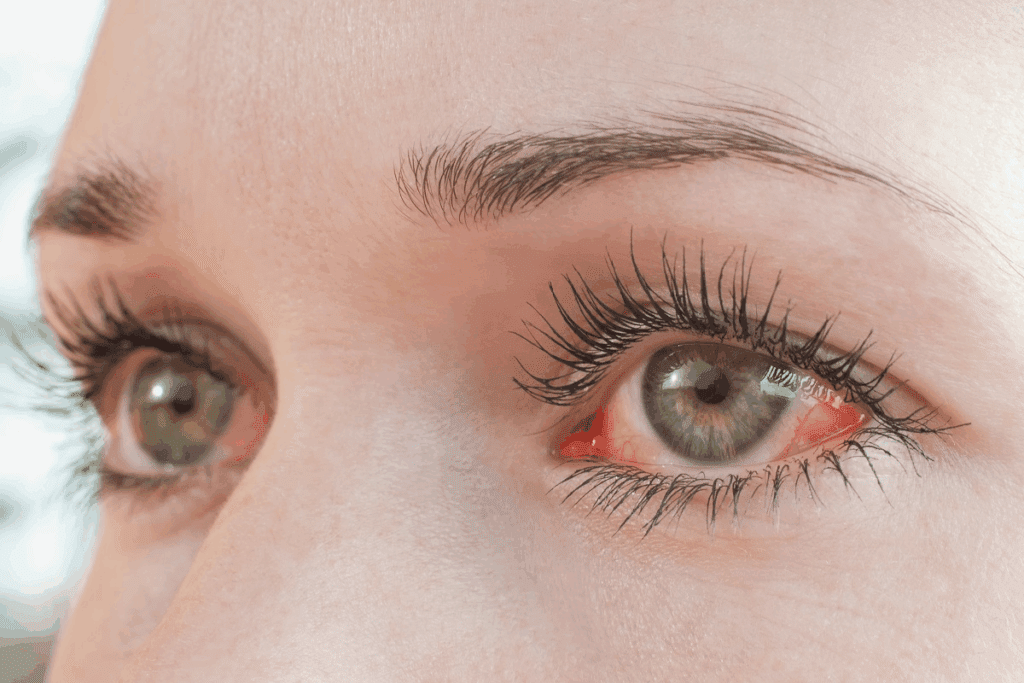
Red and blurry eyes are common complaints. They can be caused by many things, like environmental irritants and lifestyle choices. It’s important to know what might be causing them to decide if you need home remedies or to see a doctor why are my eyes red and blurry.
At Liv Hospital, our ophthalmology team is experienced and caring. We use the latest technology to find out why your eyes are red and blurry. We look at common causes like dry eye, conjunctivitis, and allergies. We also talk about ways to make your eyes feel better and see clearly again.
Key Takeaways
- Red and blurry eyes can result from various factors, including environmental irritants and health conditions.
- Accurate diagnosis is essential for preserving vision and comfort.
- Liv Hospital’s ophthalmology team uses advanced diagnostic protocols.
- Common causes include dry eye syndrome, conjunctivitis, and allergies.
- Potential solutions can help restore vision and comfort.
The Science Behind Red and Blurry Vision

Understanding why our eyes might turn red and blurry is key. Our eyes are complex and need to work right for us to see clearly. When they don’t, it often means something is bothering them.
Normal Eye Function and Appearance
A healthy eye looks clear and isn’t red. The surface of the eye is smooth, and the conjunctiva, a thin membrane, is usually clear or slightly pink. The eye’s parts work together to focus light properly.
Key components of normal eye function include:
- A clear cornea that allows light to pass through
- A lens that adjusts to focus on objects at varying distances
- A retina that converts light into signals sent to the brain
How Redness and Blurriness Develop
Redness happens when the blood vessels on the eye’s surface get bigger or inflamed. This is often due to irritation or infection. Blurriness can come from dryness, inflammation, or problems with the cornea or lens. When the eye gets irritated, it can turn red and blurry at the same time.
The combination of redness and blurriness can be really bothersome. It can mess with daily activities and make life harder. Things like environmental irritants or health issues can cause it.
Prevalence Across Age Groups
Dry eyes affect 5 to 50 percent of people, depending on where they live and who they are. Red and blurry vision can happen to anyone, but some age groups are more at risk. For example, older people might get dry eyes more often, leading to redness and blurriness.
The prevalence of red and blurry vision across different age groups shows how important it is to:
- Know about age-related risks
- Understand how environment and lifestyle affect it
- Get help when symptoms don’t go away
Why Are My Eyes Red and Blurry? Common Triggers

Red and blurry eyes can be caused by many things. These include things around us, our lifestyle, and who we are. Knowing what causes these symptoms can help us avoid them.
Environmental Factors
Things around us can make our eyes red and blurry. Pollen, dust, and other airborne allergens can irritate our eyes. Also, chemical fumes or strong odors can cause irritation. Dry air or extreme temperatures can make things worse.
Environmental Trigger | Effect on Eyes |
Pollen | Redness, itchiness, and blurriness |
Dust | Irritation, redness, and increased tearing |
Chemical fumes | Irritation, redness, and possible damage |
Lifestyle Contributors
Our lifestyle also plays a big part. Too much screen time can strain our eyes. Inadequate sleep or poor nutrition can harm our eyes. Using contact lenses without proper care can also irritate them.
It’s important to know these factors and take steps to prevent them. For example, following the 20-20-20 rule can help reduce eye strain.
Demographic Risk Factors
Some groups are more likely to have red and blurry eyes. Age is a big factor, as older people are more likely to have eye problems. Pre-existing medical conditions, like diabetes, can also affect our eyes.
Knowing these risk factors helps us protect our eyes. Regular eye exams and a healthy lifestyle are key to preventing and managing these symptoms.
Dry Eye Syndrome: A Leading Cause
Red and blurry eyes can be signs of dry eye syndrome. This happens when the eyes don’t make enough tears or when the tears dry out too fast. It’s a common problem that affects millions globally.
Symptoms and Diagnostic Criteria
Dry eye syndrome causes itching, burning, irritation, redness, and blurry vision. Eye doctors check how much and how well tears are made. They also look at the eye’s surface health.
Common diagnostic tests include:
- Tear production tests to measure the quantity of tears.
- Tear quality assessments to evaluate the composition of tears.
- Ocular surface staining to identify damage or irritation.
The 3.2 Million American Women Affected
Women are more likely to have dry eye syndrome, with about 3.2 million in the U.S. experiencing it. Hormonal shifts, like during menopause, can make it worse.
Women, and those going through hormonal changes, should know about dry eye syndrome’s risks and signs.
Connection to Underlying Health Conditions
Dry eye syndrome often links to health issues like diabetes, rheumatoid arthritis, and thyroid problems. Treating these conditions can help reduce dry eye symptoms.
Seeing an eye doctor is key to figuring out why you have dry eye syndrome. They can help find the best treatment for you.
Conjunctivitis (Pink Eye): Types and Symptoms
Conjunctivitis, also known as pink eye, is a common cause of red, blurry vision. It affects millions of people worldwide. This condition happens when the conjunctiva, a thin membrane, gets inflamed.
Viral Conjunctivitis Characteristics
Viral conjunctivitis is the most common type. It’s caused by viruses like adenovirus. It spreads easily through contact with infected people or surfaces.
Symptoms include red eyes, watery discharge, and a gritty feeling. It’s very contagious.
Bacterial Conjunctivitis and Treatment
Bacterial conjunctivitis is caused by bacteria like Staphylococcus aureus or Streptococcus pneumoniae. It spreads through contact with infected eye discharge. Symptoms include thick yellow or green discharge and crusting on eyelids.
Treatment involves antibiotic eye drops or ointment. It’s also contagious.
Allergic Conjunctivitis Management
Allergic conjunctivitis happens when eyes react to allergens like pollen or pet dander. Symptoms include itching, redness, and watery discharge. To manage it, avoid the allergen and use antihistamine eye drops.
Contagion Concerns and Prevention
Both viral and bacterial conjunctivitis are contagious. They spread easily. To prevent it, practice good hygiene like washing hands often and not touching your eyes.
Avoid sharing personal items like towels or makeup. Knowing the type of conjunctivitis is key to managing it. If symptoms don’t improve, see an eye care professional.
Contact Lens Complications
Contact lenses are a popular choice for vision correction. But, they can cause eye problems if not used right. Issues like red eyes, blurry vision, and discomfort can happen if you wear them too long or don’t clean them well.
Overwear and Improper Care
Wearing contact lenses too long can irritate your eyes and raise the chance of infections. Not cleaning them properly can also make your eyes itchier. This is because dirt and other stuff can build up on the lenses.
To stay safe, always follow the wear and cleaning schedule your eye doctor gives you. Regular visits to the eye doctor can catch problems early.
Contact Lens-Induced Dry Eye
Wearing contact lenses can also dry out your eyes. This happens when the lenses take moisture from your eyes. You might feel dry, itchy, or gritty.
To deal with dry eyes, use eye drops and take breaks from wearing lenses. Sometimes, changing to a different lens type can help too.
Giant Papillary Conjunctivitis
Giant papillary conjunctivitis (GPC) is an inflammation that can happen to contact lens users. It makes your eyelid feel uncomfortable, your vision blurry, and your eyes more sensitive to light.
GPC is often caused by not keeping lenses clean. To manage it, clean your lenses better, replace them as advised, and sometimes switch to a different material.
Best Practices for Contact Lens Users
To avoid eye problems, follow these best practices:
- Stick to the recommended wear and replacement schedule
- Clean and disinfect lenses as directed
- Go for regular eye exams
- Tell your eye doctor if you have any issues or discomfort
By doing these things, you can enjoy clear vision and avoid eye problems.
Allergies and Eye Irritation
Red, blurry eyes can be a sign of an allergic reaction. This condition affects people of all ages. When the body’s immune system reacts to something foreign, it can cause eye irritation, redness, and blurry vision.
Seasonal vs. Perennial Allergies
Allergies can be seasonal or perennial. Seasonal allergies happen when certain allergens are present, like pollen. Perennial allergies occur all year and are often caused by indoor allergens like dust mites and pet dander.
Knowing if your allergies are seasonal or perennial helps manage symptoms better. For example, pollen allergies might cause symptoms in spring and fall. Dust mite allergies can cause symptoms all year.
Common Allergens Affecting Eyes
Many allergens can make eyes red and blurry. These include:
- Pollen: Pollen from trees, grasses, and weeds is a big cause of seasonal allergies.
- Pet Dander: Tiny scales from pets, like cats and dogs, can trigger allergic reactions.
- Dust Mites: These tiny creatures in household dust can cause perennial allergies.
- Mold: Mold spores in damp places can also trigger allergic reactions.
Distinguishing Allergic Reactions from Other Conditions
It’s important to tell the difference between allergic reactions and other conditions. Allergic conjunctivitis, for example, causes itching, redness, and swelling. But other conditions like dry eye syndrome or conjunctivitis (pink eye) might look similar but need different treatments.
Condition | Common Symptoms | Treatment Approach |
Allergic Conjunctivitis | Itching, redness, swelling, blurry vision | Avoiding allergens, antihistamines, mast cell stabilizers |
Dry Eye Syndrome | Dryness, irritation, blurry vision | Artificial tears, lifestyle changes, punctal plugs |
Conjunctivitis (Pink Eye) | Redness, discharge, irritation | Antibiotics (for bacterial), antiviral (for viral), supportive care |
Allergy-Specific Treatments
Treatments for allergic eye irritation aim to relieve symptoms and reduce allergen exposure. This includes:
- Avoiding Allergens: The first step is to limit exposure to the allergen causing the reaction.
- Antihistamines: These medications counteract histamine, a chemical released during an allergic reaction.
- Mast Cell Stabilizers: These prevent histamine and other mediators from being released, reducing the allergic response.
- Combination Therapies: Some treatments use antihistamines and mast cell stabilizers together for better relief.
Understanding and treating allergic eye irritation can help people feel better. It improves their quality of life.
Digital Eye Strain and Computer Vision Syndrome
In today’s world, we spend a lot of time in front of screens. This can hurt our eyes. Our eyes face new challenges from digital devices, leading to discomfort and vision problems.
How Screen Time Affects Your Eyes
Looking at screens for a long time can strain our eyes. We blink less, which can dry out our eyes. The blue light from devices can also make our eyes tired and affect our sleep.
Key factors that contribute to digital eye strain include:
- Prolonged screen time without breaks
- Poor lighting conditions
- Inadequate display settings
- Incorrect viewing distances
Symptoms Beyond Redness and Blurriness
Eye strain can show in many ways, not just redness and blurriness. It can cause headaches, eye discomfort, and trouble focusing. Some people might also get dry eyes or be more sensitive to light.
The 20-20-20 Rule and Other Prevention Strategies
To fight eye strain, try the 20-20-20 rule. Look away from your screen every 20 minutes. Look at something 20 feet away for 20 seconds. Adjust your screen settings, take care of your eyes, and take breaks too.
Additional prevention tips:
- Adjust the brightness and contrast of your screen to comfortable levels
- Position your computer directly in front of you, at a distance of about 20-25 inches
- Use good lighting in your workspace, avoiding harsh overhead lights
Ergonomic Considerations for Eye Health
Good ergonomics can help prevent eye strain. Make sure your workspace supports good posture and comfortable viewing. This means setting up your monitor right, using the right chair height, and keeping a good distance from your screen.
Ergonomic Tip | Description | Benefit |
Monitor Positioning | Place the monitor directly in front of you, at a distance of about 20-25 inches | Reduces eye strain and promotes comfortable viewing |
Chair Height | Adjust your chair so that your feet are flat on the floor or on a footrest | Promotes good posture and reduces overall discomfort |
Viewing Distance | Maintain a comfortable distance from your screen to avoid leaning forward | Reduces strain on the eyes and promotes better posture |
Red Eyes with Light Sensitivity: What It Means
Red eyes and light sensitivity together might mean you have a health issue. We’ll look into what this could mean for your eyes.
The Connection Between Photophobia and Eye Redness
Photophobia, or light sensitivity, often goes with red eyes. This is because of inflammation or irritation. It can make simple tasks hard.
Conditions that cause red eyes can also make them light-sensitive. The inflammation or irritation that causes redness also makes eyes more sensitive to light.
Conditions Associated with Both Symptoms
Many eye conditions can cause both red eyes and light sensitivity. These include iritis, keratitis, and uveitis, among others.
- Iritis: Inflammation of the iris that can cause pain, redness, and sensitivity to light.
- Keratitis: Inflammation of the cornea that can result from infection or injury, leading to redness, pain, and photophobia.
- Uveitis: Inflammation of the uvea, which can cause redness, pain, and sensitivity to light.
When Light Sensitivity Signals an Emergency
In some cases, light sensitivity with red eyes is a medical emergency. Severe eye pain, vision changes, or increased sensitivity to light after an injury or surgery need immediate help.
We stress the importance of knowing when your symptoms are serious. If you have severe symptoms, get medical help right away.
Managing Light Sensitivity at Home
While waiting for a doctor or as part of treatment, you can manage light sensitivity at home. Wearing sunglasses with UV protection can help reduce discomfort.
Using dim red lights or closing curtains can also help. Avoiding direct exposure to bright lights or screens can ease symptoms.
Serious Conditions Requiring Medical Attention
Red eyes and blurry vision can mean serious eye problems. These symptoms need quick medical help. It’s key to know what might be causing them.
Uveitis and Inflammation
Uveitis is a serious eye issue. It happens when the middle layer of the eye gets inflamed. This can cause blurry vision and eye pain. Prompt treatment is vital to avoid losing vision.
Uveitis can start from infections, injuries, or autoimmune diseases. Symptoms include redness, pain, light sensitivity, and blurry vision. If you see these signs, get medical help right away.
Keratitis and Corneal Infections
Keratitis is when the cornea gets inflamed, often from infection. It can make your eyes red, painful, and blurry. People who wear contact lenses are more at risk if they don’t clean them properly.
Corneal infections can get worse fast if not treated quickly. Symptoms are redness, pain, discharge, and light sensitivity. You need to see a doctor fast to avoid serious damage.
Glaucoma Warning Signs
Glaucoma damages the optic nerve, often because of high eye pressure. It can cause blurry vision. Regular eye exams are key to catch it early, as it often has no symptoms until it’s too late.
Glaucoma risks include age, family history, diabetes, and being very nearsighted. Symptoms may not show up until it’s too late, so regular check-ups are important.
Retinal Problems
Retinal issues, like detachment or diabetic retinopathy, can cause red eyes and blurry vision. Retinal detachment is an emergency that needs quick medical help to save your vision.
Signs of retinal problems are flashes, floaters, and sudden vision loss. If you see these, get medical help right away to deal with serious issues.
Knowing about these serious conditions shows why you should see a doctor if your eyes are red and blurry. Early treatment can make a big difference.
Treatment Options for Red and Blurry Eyes
Understanding the treatment options for red and blurry eyes is important. It helps restore your vision. The right treatment depends on the cause of your symptoms.
Home Remedies and Self-Care
For mild cases, home remedies and self-care can help. A warm compress can loosen blockages in the tear glands. This promotes healthy tear production. Keeping your eyes clean, avoiding rubbing, and getting enough rest are also good practices.
Simple Home Remedies:
- Warm compress application
- Eye hygiene practices
- Adequate rest and hydration
Over-the-Counter Medications
For red and blurry eyes from dryness or allergies, OTC medications can help. Choose products without preservatives to avoid irritation.
Key OTC Medications:
- Artificial tears
- Antihistamine eye drops
- Decongestants
Prescription Treatments
For severe or persistent cases, prescription treatments are needed. These include antibiotic drops for infections, antiviral meds for viruses, or steroid drops for inflammation.
Condition | Prescription Treatment |
Bacterial Infection | Antibiotic Eye Drops |
Viral Infection | Antiviral Medications |
Inflammation | Steroid Eye Drops |
Advanced Treatments for Chronic Conditions
For chronic conditions like dry eye, advanced treatments are available. These include punctal plugs, intense pulsed light therapy, or surgery. These aim to provide long-term relief and improve quality of life.
Knowing the treatment options for red and blurry eyes is key. By identifying the cause and choosing the right treatment, you can improve your eye health and overall well-being.
Conclusion
Knowing why your eyes are red and blurry is key to finding the right treatment. We’ve looked at many reasons, like environmental factors, lifestyle choices, and health issues.
Common causes include dry eye, conjunctivitis, and problems with contact lenses. But, some issues need medical help. It’s important to notice symptoms and get the right treatment to avoid more problems.
If your eyes stay red and blurry, see a doctor for help. They can check you out and give advice that fits you. Taking action early can help you feel better and keep your eyes healthy.
FAQ
What are the common causes of red and blurry eyes?
Red and blurry eyes can come from many things. This includes dry eye syndrome, conjunctivitis, allergies, and digital eye strain. Also, some health issues can cause it.
How does dry eye syndrome cause red and blurry eyes?
Dry eye happens when the eyes don’t make enough tears or when the tears are bad. This leads to dryness, redness, and blurriness.
What are the symptoms of conjunctivitis?
Conjunctivitis, or pink eye, can make your eyes red, itchy, and blurry. It depends on if it’s viral, bacterial, or allergic.
Can allergies cause red and blurry eyes?
Yes, allergies can irritate your eyes. This can make them red, itchy, and blurry, mostly during pollen seasons or when you’re exposed to allergens.
How does digital eye strain affect the eyes?
Too much screen time can make your eyes tired, dry, and red. It can also cause blurriness, headaches, and discomfort.
What is the 20-20-20 rule, and how can it help?
The 20-20-20 rule helps reduce eye strain. Look away from screens every 20 minutes. Then, focus on something 20 feet away for 20 seconds.
When should I seek medical attention for red and blurry eyes?
If your symptoms don’t get better or get worse, seek help. Also, if you have severe pain, vision loss, or light sensitivity, get medical attention.
Can contact lens wear cause red and blurry eyes?
Yes, wearing contact lenses too long or not caring for them right can cause redness and blurriness. Conditions like giant papillary conjunctivitis can also cause these symptoms.
What are the treatment options for red and blurry eyes?
Treatment varies based on the cause. It might include home remedies, over-the-counter meds, or prescription treatments. For chronic conditions, advanced therapies might be needed.
How can I manage light sensitivity at home?
To manage light sensitivity, avoid bright lights and wear sunglasses. Adjust the lighting in your space to a comfortable level.
What are the warning signs of serious eye conditions?
Severe pain, vision loss, flashes of light, floaters, and light sensitivity are warning signs. These can indicate serious conditions like uveitis, keratitis, glaucoma, or retinal problems.
Why are my eyes red and blurry in the morning?
Morning red and blurry eyes can be due to dry air, allergies, or sleep disorders. You might need to change your sleep environment or habits.
Can red and blurry eyes be a sign of an underlying health condition?
Yes, some health conditions like autoimmune disorders or diabetes can cause eye symptoms. This is why a full medical check-up is important.
References
National Center for Biotechnology Information. Red Eyes and Light Sensitivity: Potential Causes. Retrieved from https://pmc.ncbi.nlm.nih.gov/articles/PMC3485070/