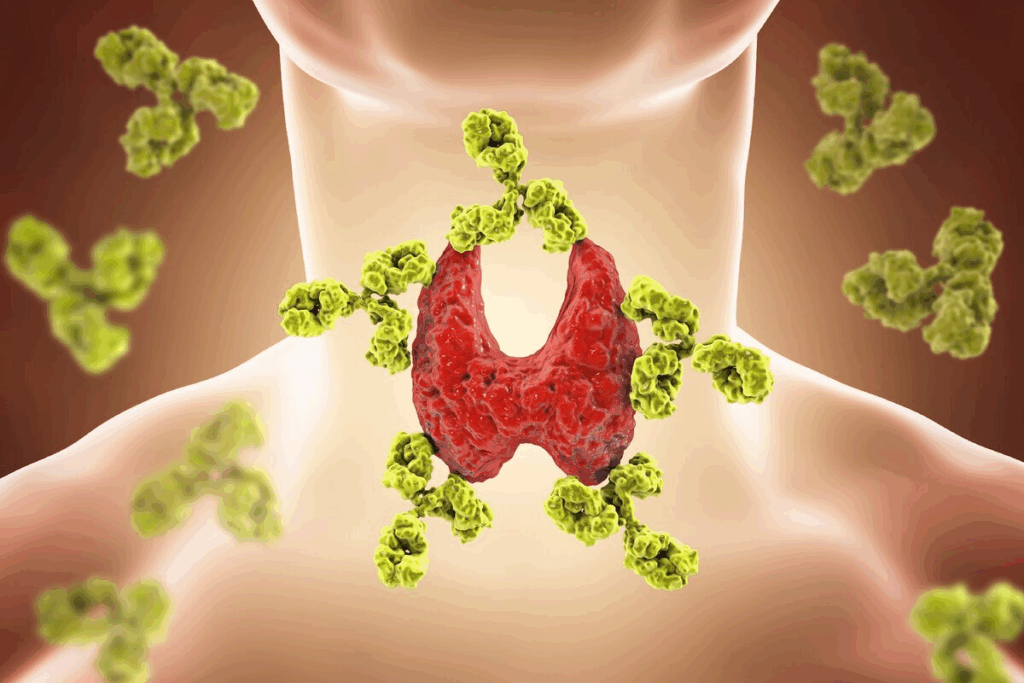
Congenital hypothyroidism is when babies are born with an underactive thyroid. It happens in about 1 in 2,000 to 4,000 babies. If not caught early, it can cause permanent delays in development. But, early detection through newborn thyroid screening can help babies get the treatment they need and grow up normally underactive thyroid in infants.
As a parent, knowing the signs of hypothyroidism in newborns is key. We’ll show you the important signs that might mean your baby needs more tests. Catching it early is vital. Knowing about hypothyroidism risks helps you make better choices for your child’s health.
Key Takeaways
- Congenital hypothyroidism affects 1 in 2,000 to 4,000 babies.
- Early detection through newborn screening is key for normal growth.
- Parents should know the signs of hypothyroidism in newborns.
- Quick treatment can greatly help babies with hypothyroidism.
- Newborn thyroid screening is a vital step in finding hypothyroidism.
Understanding Congenital Hypothyroidism

It’s important for parents and doctors to understand congenital hypothyroidism. This condition means babies are born without enough thyroid hormones. These hormones are key for growth and brain development.
What Is Underactive Thyroid in Infants?
Congenital hypothyroidism is when babies can’t make enough thyroid hormones. This can happen if their thyroid gland is missing, too small, or not working right. It’s vital for their growth and brain development.
Thyroid hormones are very important. They help control how the body uses energy, nerve function, and growth. Without enough, babies can grow and develop slowly.
Prevalence and Risk Factors
About 1 in 2,000 to 1 in 4,000 newborns have congenital hypothyroidism. Some things can make it more likely, like a family history of thyroid problems. Also, certain genetic conditions and exposure to radioactive iodine during pregnancy can increase the risk.
- Family history of thyroid disease
- Genetic conditions such as Down syndrome
- Maternal exposure to radioactive iodine
The Critical Role of Thyroid Hormones in Development
Thyroid hormones are essential for growth and brain development in babies. They help with metabolism, nerve function, and physical growth. It’s very important to have enough thyroid hormones during the first few years of life.
Thyroid hormones are very important. They help with brain and physical growth. Making sure babies have enough is key to avoiding delays and helping them grow well.
Why Early Detection Matters

Early detection of congenital hypothyroidism is key to preventing long-term issues in infants. If untreated, it can cause significant delays and health problems. We’ll look at why early detection is important, the risks of delayed diagnosis, and the benefits of quick treatment.
The Window of Opportunity
The first few weeks of life are critical for catching congenital hypothyroidism. Newborn screening is vital in spotting this condition early. Early intervention can greatly improve outcomes by starting treatment right away.
- Newborn screening happens in the first few days of life.
- Early detection means starting thyroid hormone therapy quickly.
- Quick treatment can stop developmental delays and other issues.
Potential Consequences of Delayed Diagnosis
Missing the early signs of congenital hypothyroidism can harm an infant’s development. Some possible problems include:
- Developmental delays: Not treating early can hurt cognitive and motor skills.
- Growth issues: Untreated hypothyroidism can affect growth, leading to short stature.
- Other health issues: Untreated, it can cause constipation, poor feeding, and jaundice.
Success Rates with Prompt Treatment
Early detection and treatment of congenital hypothyroidism usually lead to great results. Most infants treated early can grow up healthy and normally developed. Success depends on:
- Right dosage of thyroid hormone medication.
- Regular checks to adjust treatment.
- Long-term care to manage the condition well.
Prompt treatment greatly improves health and life quality for infants with congenital hypothyroidism.
Newborn Thyroid Screening Programs
Newborn thyroid screening programs have changed how we find and treat congenital hypothyroidism early. These programs are key in neonatal care, helping doctors spot and manage thyroid issues in babies right after birth.
This screening uses a blood spot test, taking a few drops of blood from the baby’s heel. It’s done when the baby is about 5 days old. The blood is checked for thyroid-stimulating hormone (TSH) and sometimes free thyroxine (FT4).
How Screening Works
The screening starts with a blood sample from the baby’s heel. This sample is then tested in a lab. The test looks at TSH levels, which show how well the thyroid is working. High TSH levels might mean the baby has hypothyroidism, needing more tests.
When Screening Is Performed
The screening is done between 24 and 72 hours after birth, usually around the 5th day. This early timing helps catch congenital hypothyroidism before symptoms show up.
Understanding Screening Results
It’s important for parents and doctors to understand newborn screening results. A normal result means the thyroid is working fine. But an abnormal result might need more tests to figure out what’s wrong.
If the screening shows a problem, more tests will be done to confirm it. These might include more blood tests and imaging studies. Parents should talk to their pediatrician about the results and what to do next.
5 Key Signs of Underactive Thyroid in Infants
Parents need to know the signs of thyroid problems in infants. Early detection is key for treatment and growth. It helps ensure your baby gets the care they need.
Sign #1: Persistent Lethargy and Excessive Sleeping
Infants with hypothyroidism sleep a lot and seem very tired. If your baby is always sleepy and not active, it might be a sign of an underactive thyroid.
Sign #2: Feeding Difficulties and Poor Weight Gain
Feeding problems and slow weight gain are signs of hypothyroidism. If your baby has trouble eating or isn’t gaining weight, see your pediatrician.
Sign #3: Constipation and Digestive Issues
Constipation is a common symptom of an underactive thyroid in infants. If your baby has ongoing constipation or digestive problems, it could mean hypothyroidism.
Sign #4: Prolonged Jaundice Beyond Two Weeks
Jaundice that lasts over two weeks might be a sign of hypothyroidism. While jaundice is common in newborns, long-lasting jaundice needs to be checked.
Sign #5: Hoarse Cry
A hoarse cry can also be a sign of hypothyroidism in infants. If your baby’s cry sounds different, it’s time to see a doctor.
The following table summarizes the key signs of underactive thyroid in infants:
Sign | Description |
Persistent Lethargy | Excessive sleepiness and lack of activity |
Feeding Difficulties | Trouble feeding and poor weight gain |
Constipation | Digestive issues and persistent constipation |
Prolonged Jaundice | Jaundice lasting more than two weeks |
Hoarse Cry | A cry that sounds hoarse or different from normal |
Physical Symptoms to Watch For
Congenital hypothyroidism can show up in many ways in newborns. It’s key to keep an eye out for these signs. Some babies might not show symptoms right away, but certain signs can hint at the condition.
Large Fontanelles (Soft Spots)
Look for large fontanelles, or soft spots, on your baby’s head. These are common in newborns, but in hypothyroidism, they can be bigger or take longer to close. Delayed closure of fontanelles can be a significant indicator of congenital hypothyroidism.
Puffy Appearance and Facial Features
Babies with hypothyroidism might look puffy, mainly around the eyes and face. This is because of extra mucopolysaccharides in the skin, causing puffy facies. Watching for these facial signs can help spot the condition early.
Cool or Mottled Skin
Also, look for cool or mottled skin. Hypothyroidism can mess with circulation and skin temperature, making skin feel cool or look mottled. This is a key symptom that needs checking out.
Enlarged Tongue or Protruding Abdomen
Some babies with congenital hypothyroidism might have an enlarged tongue, or a belly that sticks out. These signs are linked to the condition and should be watched closely. An enlarged tongue can sometimes cause feeding difficulties, making early diagnosis important.
Knowing these symptoms can help catch congenital hypothyroidism early. If you see any of these signs in your baby, it’s vital to talk to a healthcare provider.
Developmental Red Flags in Infants with Hypothyroidism
Infants with hypothyroidism may show signs like delayed milestones and muscle tone issues. It’s important for parents and caregivers to watch their infant’s growth closely.
Delayed Milestones
Untreated congenital hypothyroidism can cause delays in reaching developmental milestones. These include:
- Physical achievements, such as rolling over, sitting up, and walking
- Cognitive developments, like responding to names and beginning to babble
If your infant is falling behind in these areas, talk to your pediatrician.
Muscle Tone Concerns
Infants with hypothyroidism may have muscle tone issues. These can be:
- Hypotonia (low muscle tone), leading to floppiness or a lack of resistance when moving their limbs
- In some cases, hypertonia (increased muscle tone), resulting in stiffness
These issues can make it hard for an infant to feed and move around.
Growth Pattern Abnormalities
Growth pattern abnormalities are another red flag. Infants with untreated hypothyroidism may experience:
- Slowed growth rates, leading to short stature if not addressed
- Delayed bone age, which can be detected through X-ray assessments
It’s key to watch growth patterns and report any concerns to your healthcare provider.
Spotting these red flags early can greatly help infants with hypothyroidism. If you’re worried about your infant’s development, get medical advice.
When to Contact Your Pediatrician
Knowing when to call your pediatrician is key for your baby’s health. As a parent, you notice changes first. This makes your quick action important for early detection.
Emergency Warning Signs
Some signs need urgent care. These include:
- Severe difficulty breathing
- Signs of severe dehydration (such as fewer wet diapers, dry mouth, or sunken eyes)
- High fever above 100.4°F (38°C)
- Lethargy or unresponsiveness
- Seizures or convulsions
If you see these signs, seek immediate medical care. Call emergency services or go to the nearest emergency room without delay.
Non-Urgent but Concerning Symptoms
Some symptoms need a quick call to your pediatrician. These include:
- Prolonged jaundice beyond two weeks
- Poor feeding or difficulty latching
- Excessive sleeping or lethargy
- Constipation or infrequent bowel movements
- Cool or mottled skin
These signs might mean your baby’s thyroid isn’t working right or another health issue.
Preparing for Your Doctor’s Appointment
Being ready for your pediatrician visit is important. Here’s how:
- Keep a log of your infant’s symptoms, including when they started and how long they’ve lasted.
- List any questions or concerns you have for the pediatrician.
- Bring any relevant medical records or test results.
- Be prepared to discuss your infant’s feeding habits, bowel movements, and overall behavior.
Being prepared helps you talk about all your concerns with your pediatrician. This way, you get the most out of your visit.
Diagnostic Process Beyond Screening
After the first screening, a detailed process confirms if an infant has hypothyroidism. This includes various tests to find out if the thyroid is working right and why.
Follow-up Blood Tests
Follow-up blood tests are key to diagnosing and understanding how severe congenital hypothyroidism is. These tests check the levels of thyroid hormones (T4 and T3) and thyroid-stimulating hormone (TSH) in the blood. Elevated TSH levels along with low T4 levels usually mean the diagnosis is confirmed.
Test | Normal Range | Hypothyroidism Indication |
TSH | 0.5-4.5 μU/mL | Elevated |
T4 | 6-17 μg/dL | Low |
T3 | 100-260 ng/dL | Low or Normal |
Thyroid Imaging Studies
Thyroid imaging studies, like ultrasound or radioactive iodine uptake scans, are used to check the thyroid gland’s structure and function. These tests help spot any issues, like thyroid dysgenesis or dyshormonogenesis.
Genetic Testing Considerations
In some cases, genetic testing is suggested to find genetic causes of congenital hypothyroidism. This info is useful for planning families and understanding the risk for future pregnancies.
Treatment Approaches for Infant Hypothyroidism
Thyroid hormone replacement therapy is key for treating infant hypothyroidism. It involves giving synthetic thyroid hormone to replace the missing one. This helps ensure normal growth and development.
Thyroid Hormone Replacement Therapy
The main medication used is levothyroxine (T4). It’s converted to triiodothyronine (T3) in the body. T4 is chosen because it lasts longer, making it easier to give once a day.
We start with a dose based on the infant’s weight, usually 10-15 mcg/kg/day. Our goal is to quickly get thyroid hormone levels right to support growth.
Medication Dosing and Administration
Getting the dose right is very important. Too little or too much can cause problems. The medicine is given orally, mixed with water or breast milk to ensure the infant gets the right amount.
Age | Typical Starting Dose | Monitoring Frequency |
0-3 months | 10-15 mcg/kg/day | Every 1-2 weeks initially |
3-6 months | Adjusted based on TSH/T4 levels | Every 2-3 months |
6-12 months | Continued adjustment | Every 3-4 months |
Monitoring Treatment Effectiveness
Regular blood tests are vital to check thyroid hormone levels and adjust the dose as needed. We aim to keep TSH and free T4 levels in the normal range for the infant’s age.
Key monitoring parameters include:
- TSH levels
- Free T4 levels
- Growth and development milestones
- Clinical symptoms improvement
Managing Side Effects
Thyroid hormone replacement therapy is usually safe but can have side effects if not managed right. Too much can cause irritability, poor weight gain, or fast heart rate. Too little can lead to ongoing hypothyroid symptoms.
We work closely with parents to watch for side effects and adjust treatment as needed. Regular check-ups are key to keeping the infant’s thyroid hormone levels in the right range.
Long-term Management and Follow-up
Managing congenital hypothyroidism long-term is key for a child’s health and growth. As they get older, they need ongoing care. This ensures their treatment works well and catches any problems early.
Growth and Development Monitoring
Keeping an eye on growth and development is vital. Pediatricians check height, weight, and milestones to see if a child is growing right. They also adjust treatment plans as needed.
Growth charts help compare a child’s growth to what’s expected. This lets doctors spot any growth issues. Developmental checks catch up any delays in thinking or moving skills.
Adjusting Treatment Through Childhood
As kids with congenital hypothyroidism get older, their treatment might change. Medication doses often need to be adjusted for growth and metabolism changes. Blood tests check thyroid hormone levels to keep them in the right range.
Parents should talk to their child’s doctor about the treatment. They need to know when to look for signs of needing a treatment change, like energy or growth changes.
Working with a Pediatric Endocrinologist
A pediatric endocrinologist is very important for managing congenital hypothyroidism. They know how to handle complex cases and adjust treatments as the child grows.
Seeing a pediatric endocrinologist regularly is important. It helps keep the child’s condition under control and solves any problems quickly. Working together with doctors is essential for the child’s health.
Supporting Parents of Infants with Thyroid Issues
Getting a diagnosis of congenital hypothyroidism can change a parent’s life. It brings uncertainty and worry about their baby’s future. It’s key to have the right support and guidance during this tough time.
Coping with the Diagnosis
Learning your infant has thyroid issues can be tough. You might feel shocked, deny it, or worry about the future. Acknowledging these feelings is the first step to healing and supporting your child.
Getting help from family, friends, and doctors is important. Building a strong support network helps parents feel less alone and more able to handle their baby’s condition.
Building Your Medical Support Team
Managing congenital hypothyroidism means having a team of healthcare experts. This team usually includes a pediatrician, a pediatric endocrinologist, and sometimes other specialists.
- A pediatric endocrinologist knows a lot about thyroid conditions and how to manage them.
- Nurses and other healthcare workers are key in teaching parents about the condition and treatment.
Connecting with Support Groups
Meeting other parents going through the same thing is very helpful. Support groups, online or in-person, are great for sharing, asking questions, and finding emotional support.
These groups are also a good source of info on managing the condition, dealing with treatment, and the healthcare system.
Conclusion
Early detection and treatment of underactive thyroid in infants are key to avoiding long-term problems. We talked about the important signs to look out for. These include constant tiredness, trouble eating, and lasting jaundice.
It’s very important to catch this early. Quick action can greatly help infants with underactive thyroid. Newborn screening programs help find affected babies. Follow-up tests confirm if a baby’s thyroid is not working right.
Knowing the risks and recognizing signs helps ensure babies get the right care. Treating underactive thyroid in infants needs a full plan. This includes giving thyroid hormones and keeping a close eye on their health.
We stress the need to work with pediatric doctors for the best care. With the right care, babies with underactive thyroid can live happy, healthy lives.
FAQ
What is congenital hypothyroidism?
Congenital hypothyroidism is when babies are born with an underactive thyroid gland. This can cause developmental problems if not treated.
How common is congenital hypothyroidism?
It affects about 1 in 2,000 to 1 in 4,000 newborns worldwide. It’s rare but serious.
What are the risk factors for congenital hypothyroidism?
Risk factors include family history of thyroid issues, certain genetic conditions, and exposure to radioactive iodine during pregnancy.
What is the role of thyroid hormones in infant development?
Thyroid hormones are key for brain growth, development, and nervous system maturation in babies.
Why is early detection of congenital hypothyroidism important?
Early detection is key. Quick treatment can prevent developmental delays and intellectual disabilities.
How is newborn thyroid screening performed?
It’s done with a heel prick blood test in the first few days of life. It checks TSH and/or T4 levels.
What are the signs of underactive thyroid in infants?
Signs include constant tiredness, trouble feeding, constipation, and prolonged jaundice. Also, large fontanelles, puffy skin, cool skin, and an enlarged tongue or belly.
How is congenital hypothyroidism diagnosed beyond newborn screening?
Diagnosis includes follow-up blood tests, thyroid imaging, and sometimes genetic testing.
What is the treatment for congenital hypothyroidism?
Treatment is thyroid hormone replacement therapy with synthetic levothyroxine. It helps normalize hormone levels and supports growth.
How is treatment for congenital hypothyroidism monitored?
Monitoring includes regular blood tests, adjusting medication, and tracking growth and development.
What is the role of a pediatric endocrinologist in managing congenital hypothyroidism?
A pediatric endocrinologist specializes in hormonal disorders in children. They provide expert care and guidance.
How can parents cope with a diagnosis of congenital hypothyroidism in their infant?
Parents can build a support team, join support groups, and stay informed about the condition and its management.
Are there any long-term effects of congenital hypothyroidism if treated promptly?
With timely and proper treatment, many children can live normal, healthy lives. Ongoing monitoring is needed to adjust treatment.
References
National Center for Biotechnology Information. Infant Hypothyroidism: Early Signs and Detection. Retrieved from https://www.ncbi.nlm.nih.gov/books/NBK558913/