
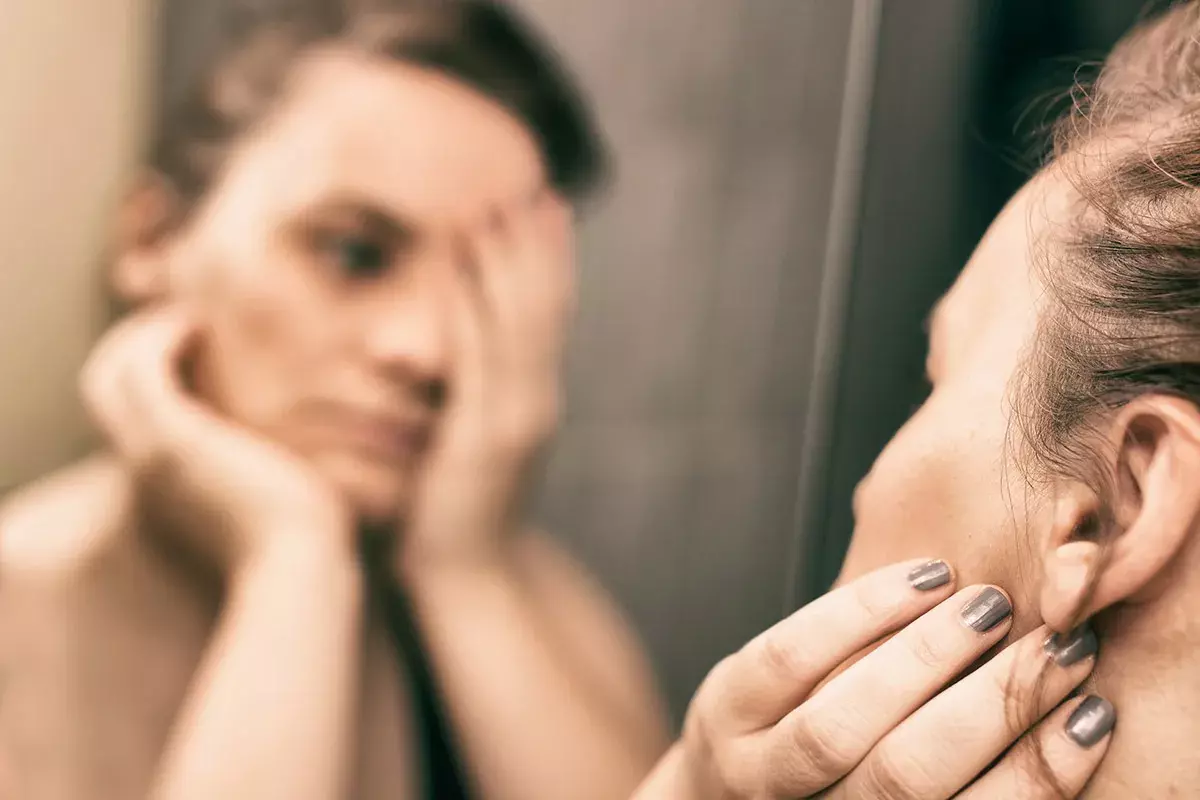
Body Dysmorphic Disorder (BDD), also known as body dysmorphia, is a serious mental health issue. It makes people obsessed with flaws in their appearance. These flaws are often not seen by others or are very minor.
Living with BDD can be very hard. It’s important to spot the signs early. These include checking the mirror too much or spending a lot of time grooming.
About 1-2% of the world’s population has BDD. But many think this number is too low because not enough people get diagnosed. The good news is that BDD can get better with the right treatment. With help from professionals and hard work, recovery is possible.
Key Takeaways
- Body Dysmorphic Disorder is a serious mental health condition that affects a significant portion of the global population.
- Early recognition of BDD symptoms is key for effective treatment.
- BDD recovery is possible with the right professional support and treatment options.
- Cognitive Behavioral Therapy (CBT) is a recognized treatment for BDD.
- Seeking help is the first step towards recovery from BDD.
Understanding Body Dysmorphic Disorder (BDD)
Body Dysmorphic Disorder (BDD) is a mental health issue that affects many people. It causes a lot of distress and makes daily life hard. People with BDD worry a lot about flaws in their appearance that others can’t see or think are small.
What Is Body Dysmorphia?

Body dysmorphia, or Body Dysmorphic Disorder (BDD), is a mental health issue. People with BDD worry too much about a flaw in their appearance. This flaw might not be seen by others or could be very small.
They often focus on specific parts of their body, like their skin, nose, hair, or shape. For more information on BDD, check out NHS.uk. They have a lot of details about the condition.
Common Symptoms and Behaviors
People with BDD might do certain things, like:
- Check themselves in mirrors a lot or avoid mirrors
- Do compulsive grooming
- Worry a lot about how they look
- Do repetitive body checks
- Stay away from social events because of how they feel about their looks
These actions can really affect how they live their lives. Knowing these signs is important for spotting BDD and finding the right help.
Key symptoms include being really worried about how you look, doing the same things over and over to check or fix flaws, and feeling a lot of distress or trouble in daily life.
By knowing the signs of BDD, we can help those affected. We can also guide them to the right treatments.
Does Body Dysmorphia Go Away Without Treatment?

Many people wonder if body dysmorphia can get better on its own. Body Dysmorphic Disorder (BDD) is a complex issue. Knowing how it naturally progresses helps us understand if it can heal without help.
The Natural Course of BDD
Studies show that BDD often lasts a long time without treatment. It can cause a lot of distress and make daily life hard. Most people with BDD start to show symptoms in their teens.
Early treatment is key because BDD can lead to other mental health problems. Without help, people with BDD might also get depression or anxiety.
Recovery Rates and Timelines
How well someone recovers from BDD depends on treatment. With the right help, many people see big improvements or even get better completely. But, it can take a long time, sometimes years.
Research says that with the right treatment, BDD recovery rates are as good as or better than other mental health issues. Early diagnosis and the right treatment are the keys to success.
Factors That Influence Recovery
Many things can affect how well someone recovers from BDD. These include how severe the disorder is, if they have other mental health issues, and how well they respond to treatment. Social support, life stress, and mental health strength also play big roles.
Doctors need to understand these factors to create treatment plans that work for each person. This way, they can help more people get better.
In summary, while body dysmorphia is tough to beat, research shows it can get better with the right treatment. The journey can be long, but with the right help, many people can see big improvements.
Effective Treatment Options for BDD
For those with BDD, many treatments can help. These include therapy and self-help strategies. Each person’s needs are different, so treatments are tailored.
Cognitive Behavioral Therapy (CBT)
Cognitive Behavioral Therapy (CBT) is top for BDD treatment. It helps change negative thoughts and behaviors. People learn to face their fears and find better ways to cope.
Medication Approaches
Medicine, like selective serotonin reuptake inhibitors (SSRIs), can help too. SSRIs are good for BDD symptoms like obsessive thoughts and compulsions.
Self-Help Strategies
Self-help is also key. Keeping a journal, practicing mindfulness, and doing things that boost self-esteem are helpful. Support groups offer a sense of belonging and understanding.
Specialized Treatments for Hair Dysmorphia and Body Dimorphia
For hair dysmorphia or body dimorphia, special treatments are needed. These might include targeted CBT or other therapies. They’re designed to tackle these specific issues.
Recovery from BDD requires a treatment plan made just for you. It combines different therapies and self-help. With the right approach, people can see big improvements in their lives.
Conclusion: The Path to Recovery from Body Dysmorphia
Recovery from Body Dysmorphic Disorder is possible with the right treatment and support. We’ve talked about the complexities of body dysmorphia and the treatment options. These include Cognitive Behavioral Therapy (CBT) and medication.
The journey to recovery needs a treatment plan made just for each person. Mental health experts say seeking help shows strength, not weakness. By asking for help, individuals start their path to recovery.
Good treatment for body dysmorphic disorder involves many steps. It tackles symptoms and the reasons behind them. With the right plan, people can manage their symptoms and live better lives. We urge those with BDD to get professional help and start their recovery.
Creating a supportive and understanding space helps people on their recovery path. The road to recovery is tough, but with the right support, it’s doable. With the right help, overcoming body dysmorphia and finding a positive body image is possible.
FAQ:
What is Body Dysmorphic Disorder (BDD)?
Body Dysmorphic Disorder (BDD) is a mental health issue. People with BDD worry too much about their looks. They see flaws that others don’t see or think are small.
Can body dysmorphia be cured?
There’s no single “cure” for body dysmorphia. But, it can be treated. With the right help, people can manage their symptoms and live better lives.
What are the common symptoms of body dysmorphia?
Signs of body dysmorphia include being very worried about looks. People might check mirrors a lot or spend too much time grooming. They might also avoid being around others because they feel self-conscious.
Does body dysmorphia go away without treatment?
Body dysmorphia usually doesn’t get better on its own. In fact, studies show it can get worse if not treated.
What are the effective treatment options for body dysmorphia?
Good treatments for body dysmorphia include Cognitive Behavioral Therapy (CBT). Medications like SSRIs can also help. Self-help strategies like journaling or relaxation techniques are useful too.
What is Cognitive Behavioral Therapy (CBT) for body dysmorphia?
CBT for body dysmorphia is a form of talk therapy. It helps people change negative thoughts and behaviors linked to their condition.
Can medication help with body dysmorphia?
Yes, medication can help with body dysmorphia. SSRIs, in particular, have been shown to reduce symptoms of BDD.
How long does it take to recover from body dysmorphia?
Recovery time for body dysmorphia varies. It depends on how severe the symptoms are, how well treatment works, and individual circumstances.
What is hair dysmorphia?
Hair dysmorphia is a type of body dysmorphia. It’s when someone worries too much about their hair, seeing it as flawed or defective.
How can I get help for body dysmorphia?
To get help for body dysmorphia, see a mental health professional. A psychologist or psychiatrist who specializes in BDD can help create a treatment plan for you.
References:
National Center for Biotechnology Information. Evidence-Based Medical Guidance. Retrieved from https://www.ncbi.nlm.nih.gov/pmc/articles/PMC1613833/[1



 Departments
 Related Videos
 Our Doctors
 News
News