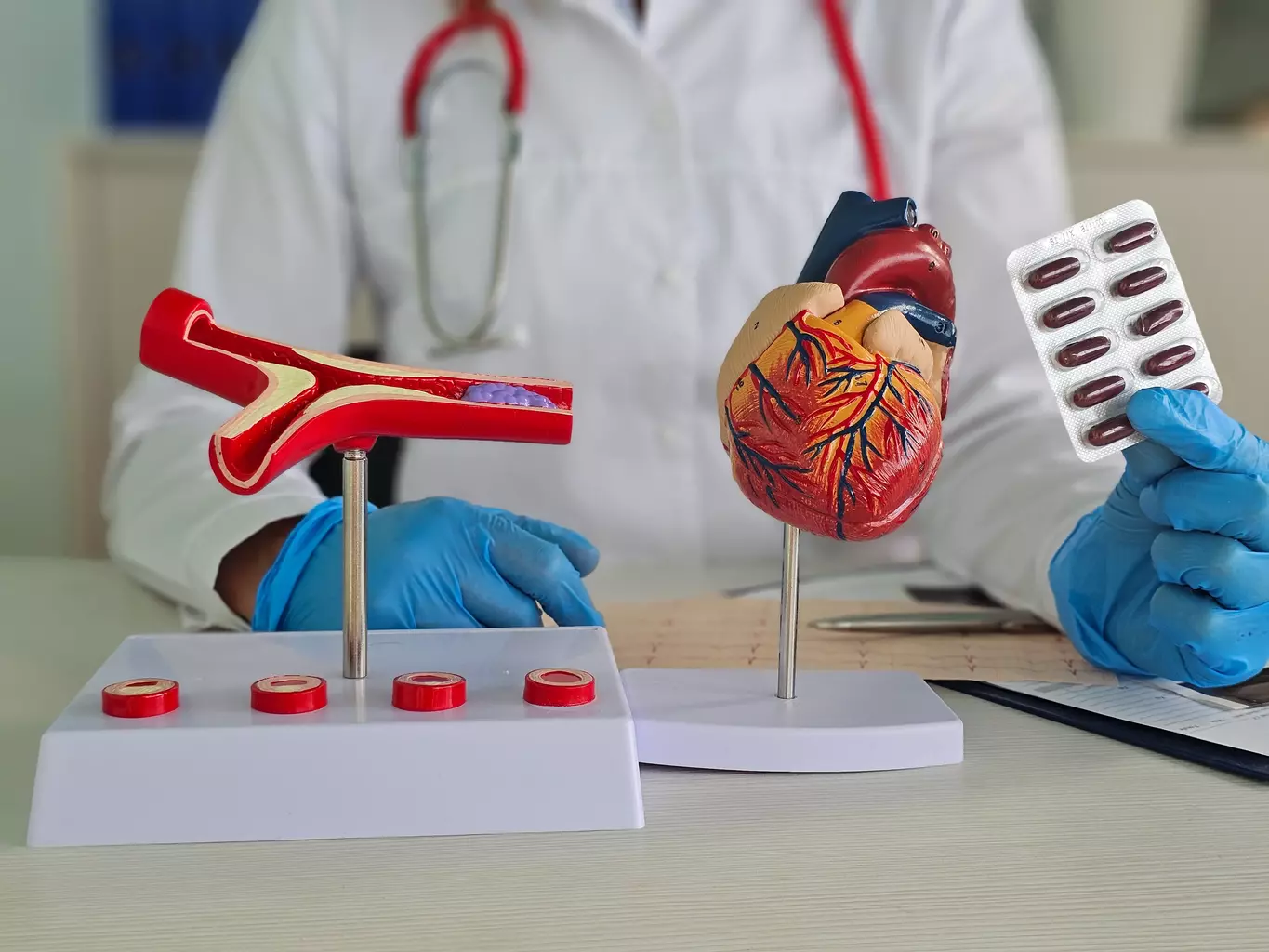
Coronary artery bypass grafting, or CABG, is a surgery to fix blood flow to the heart. It uses a healthy blood vessel to bypass a blocked artery. This helps improve blood flow and lowers the risk of heart damage.
At Liv Hospital, our team is committed to caring for CABG patients with advanced and compassionate care. We know this surgery can be scary. That’s why we make sure our patients know what to expect before, during, and after the surgery.
Key Takeaways
- CABG is a surgical procedure that restores blood flow to the heart.
- The operation involves grafting a healthy blood vessel to bypass a blocked coronary artery.
- Liv Hospital provides advanced, compassionate care to CABG patients.
- Our team ensures that patients are well-informed throughout the process.
- CABG can significantly improve heart health and reduce the risk of future complications.
What Is Coronary Artery Bypass Graft Surgery?
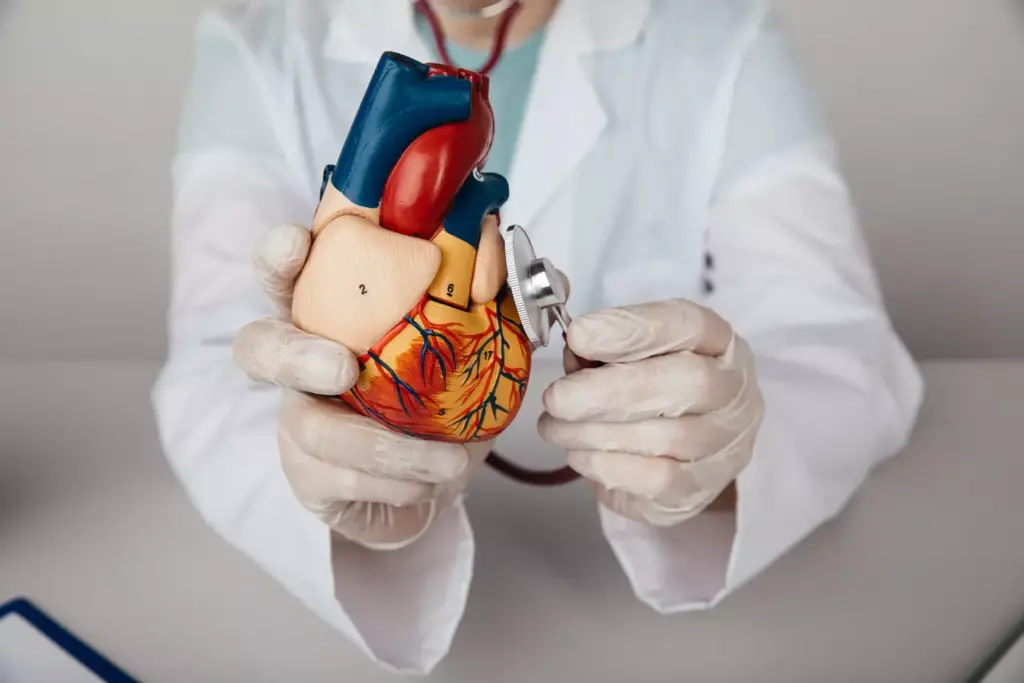
Coronary Artery Bypass Graft surgery is a treatment for heart disease. It helps ease symptoms and boosts heart health. We’ll look into what CABG is, its purpose, and its history.
Definition and Purpose of CABG
CABG is a surgery to treat heart disease. It helps with chest pain and shortness of breath. CABG bypasses blocked arteries to get blood to the heart.
This surgery improves life quality and survival chances. It’s a detailed procedure for severe heart disease.
The Meaning Behind CABG Abbreviation
CABG means Coronary Artery Bypass Grafting. It’s a term for the surgery that bypasses blocked arteries.
Historical Development of the Procedure
CABG surgery has evolved over decades. It has seen major improvements in techniques and results. For more on heart procedures, visit this link.
When Is CABG Surgery Necessary?
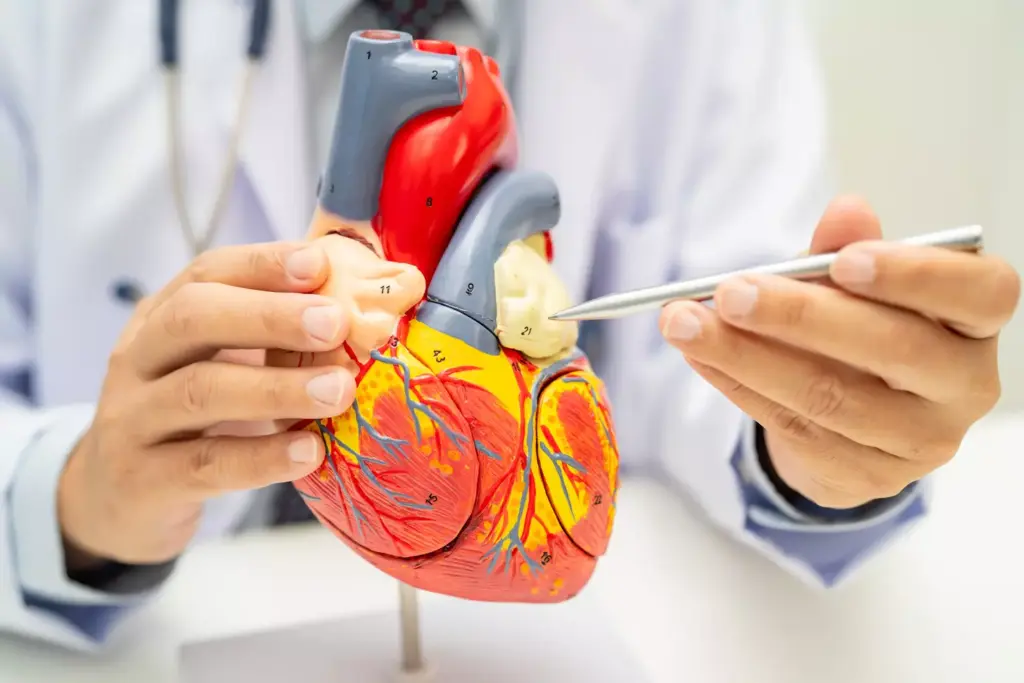
CABG surgery is chosen when a patient’s heart disease is severe and other treatments fail. It’s a critical option for those with advanced coronary artery disease.
Common Indications for CABG
CABG is often needed for those with big blockages in their heart’s arteries. These blockages can cause chest pain and shortness of breath. We find these blockages through tests.
Diagnostic Tests That Determine Need for CABG
Several tests help decide if CABG is needed. Stress tests, coronary angiography, and cardiac catheterization are used. They show how bad the heart disease is and if CABG is the best choice.
Alternatives to Surgical Intervention
There are other ways to treat heart disease, aside from CABG. Medications, lifestyle changes, and less invasive procedures like angioplasty are options. The choice depends on the disease’s severity and the patient’s health.
Types of CABG Surgery
CABG surgery is not a one-size-fits-all procedure; it comes in several types tailored to individual patient needs. Each patient’s condition is unique. The type of CABG surgery recommended can significantly impact the outcome of the treatment.
Traditional Open-Heart CABG
Traditional open-heart CABG involves a sternotomy, where the breastbone is opened to access the heart. This method allows surgeons to perform the bypass grafting using a heart-lung machine. The heart-lung machine takes over the function of the heart and lungs during the surgery.
The use of a heart-lung machine enables surgeons to stop the heart. This provides a clear operating field.
Minimally Invasive CABG
Minimally invasive CABG, on the other hand, involves smaller incisions and may not require the use of a heart-lung machine. This approach can lead to less tissue damage, reduced risk of complications, and quicker recovery times. Minimally invasive CABG is often performed on a beating heart.
This can reduce the risk associated with cardiopulmonary bypass.
Off-Pump CABG
Off-pump CABG is a technique where the surgery is performed on a beating heart without the use of a heart-lung machine. This method requires great skill and precision. The surgeon must operate on a moving target.
| CABG Type | Description | Benefits |
|---|---|---|
| Traditional Open-Heart CABG | Involves opening the chest to access the heart, often using a heart-lung machine. | Allows for complex procedures, well-established technique. |
| Minimally Invasive CABG | Uses smaller incisions, potentially without a heart-lung machine. | Less tissue damage, quicker recovery, reduced risk of complications. |
| Off-Pump CABG | Performed on a beating heart without a heart-lung machine. | Reduces risk associated with cardiopulmonary bypass, potentially fewer complications. |
As shown in the table, each type of CABG surgery has its unique characteristics and benefits. The choice between these types depends on various factors. These include the patient’s overall health, the extent of the coronary artery disease, and the surgeon’s professional judgment.
For more detailed information on CABG surgery and its variations, you can visit reputable sources such as Liv Hospital.
Preparing for Your CABG Procedure
Getting ready for CABG surgery involves several steps. These include pre-surgical tests, adjusting medications, and making lifestyle changes. Knowing these steps can help you feel less anxious and improve your surgery’s success.
Pre-Surgical Testing and Evaluation
Before your CABG surgery, you’ll have to go through some tests. These tests check your overall health. You might have:
- Blood work to check your blood chemistry and find any health issues.
- An electrocardiogram (ECG) to see how your heart’s electrical system works.
- Imaging studies like chest X-rays, echocardiograms, or coronary angiograms to look at your heart and blood vessels.
- Other tests to check your lung and kidney function, and your heart health.
Medication Adjustments
Your doctor might change your medications before surgery. This could mean:
- Stopping some medications that could affect surgery or anesthesia.
- Changing the amount of medications you’re taking to keep you safe during surgery.
- Starting new medications to help improve your health before surgery.
It’s very important to follow your doctor’s advice on medication changes. This helps lower risks and ensures the best results.
Lifestyle Changes
Changing your lifestyle can also help prepare you for CABG surgery. You might need to:
- Quit smoking to lower your risk of problems and improve your health.
- Eat a healthy diet to get the nutrients you need for recovery.
- Exercise regularly to boost your heart health and overall well-being.
- Manage stress with techniques like meditation or deep breathing.
By understanding and following these preparations, you can greatly improve your CABG surgery outcome and recovery.
The CABG Procedure: Step-by-Step
Learning about the CABG procedure can ease worries for patients and their families. This surgery is complex, with many important steps. These steps are key to keeping the patient safe and the surgery successful.
Anesthesia Administration
The first step is giving anesthesia. The surgical team makes sure the patient is comfortable and pain-free during the surgery. They plan and carefully give the anesthetic.
Surgical Access to the Heart
After anesthesia, the team accesses the heart. They make a careful cut in the chest, usually through the sternum. This opens up the heart.
Graft Harvesting and Anastomosis
Graft harvesting means taking a healthy blood vessel from another part of the body. This is often from the leg or arm. It’s used to bypass the blocked coronary artery. Then, the graft is connected to the coronary artery, called anastomosis.
| Step | Description |
|---|---|
| 1. Anesthesia Administration | Ensuring patient comfort and pain-free surgery |
| 2. Surgical Access | Accessing the heart through a careful incision |
| 3. Graft Harvesting | Taking a healthy blood vessel for bypass |
| 4. Anastomosis | Connecting the graft to the coronary artery |
Understanding these steps helps patients prepare for the CABG procedure. It also helps them know what to expect during recovery.
Understanding Heart Grafts Used in CABG
Coronary Artery Bypass Grafting (CABG) is a complex surgery. It uses grafts to bypass blocked or narrowed arteries. These grafts usually come from the patient’s own body.
Saphenous Vein Grafts
The saphenous vein is in the leg. It’s a common graft because it’s available and the right size. But, it can cause varicose veins, a known risk.
Internal Mammary Artery Grafts
The internal mammary artery is the top choice for CABG. It stays open long-term and fights off atherosclerosis well. This makes it better for patients.
Radial Artery Grafts
The radial artery is in the forearm. It’s a good option when more grafts are needed. It’s useful for extra support.
| Graft Type | Advantages | Disadvantages |
|---|---|---|
| Saphenous Vein | Readily available, suitable diameter | Risk of varicose veins, possible blockage |
| Internal Mammary Artery | High long-term patency, fights atherosclerosis | Harvesting is more complex |
| Radial Artery | Good length, extra graft option | Prone to spasm, needs careful patient choice |
The Role of the Heart-Lung Machine in CABG
In CABG surgery, a key tool is the heart-lung machine, or cardiopulmonary bypass (CPB) machine. It takes over the heart and lungs’ jobs. This lets surgeons work on a heart that’s not beating.
How Cardiopulmonary Bypass Works
The machine diverts blood flow from the heart, adds oxygen, and returns it to the body. It does this in several steps. First, it takes blood from the major blood vessels through cannulas. Then, it adds oxygen and removes carbon dioxide.
After that, it pumps the blood back into the body. This makes it safe for surgeons to work on a heart that’s not moving. It lowers the chance of problems during surgery.
As explained by the National Center for Biotechnology Information, using cardiopulmonary bypass is complex. It needs careful control and monitoring to keep the patient safe and the surgery successful.
Benefits and Risks of Cardiopulmonary Bypass
Cardiopulmonary bypass has many benefits. It gives surgeons a clear and bloodless area to work in. This makes it easier to do the grafting procedure right.
But, it also has risks. These can include bleeding, infection, and reactions to the machine’s materials. Despite these dangers, new technology and surgical methods have made it safer and more effective.
Our team of experts works hard to reduce risks. We aim to get the best results for patients having CABG surgery.
Post-Operative Care and Recovery
After CABG surgery, the healing journey starts with post-operative care. This stage is key to ensure a smooth recovery. It helps patients get back to their daily lives quickly. We know this period can be tough, but with proper care, patients can overcome it.
Immediate Post-Operative Care
Right after surgery, patients are watched over in the ICU. Our team checks their vital signs, pain, and any complications. This close watch helps us fix any issues fast and ensures a smooth recovery.
Pain Management Strategies
Managing pain is a big part of post-operative care. We use medicines and other methods to keep patients comfortable. Our team works with patients to adjust the pain treatment as needed.
Follow-Up Care and Rehabilitation
Follow-up care is vital for recovery. Patients see their healthcare provider regularly to check on their progress. They might also start a rehab program to regain strength and improve health.
CABG Surgery Risks and Complications
CABG surgery is a major procedure with possible risks and complications. It’s a top treatment for heart disease. But, it’s key for patients to know the risks involved.
Short-Term Complications
Right after CABG surgery, patients might face bleeding, infection, or anesthesia reactions. Our medical team closely watches these risks to ensure the best results. Bleeding is a common risk with any surgery, including CABG. We take steps to reduce this risk.
Infections are another risk. We follow strict infection control rules to lower this risk. Even so, some patients might get infections. These are treated quickly with antibiotics.
Long-Term Complications
Long-term issues can include graft failure, disease progression, and new heart problems. Graft failure is a big worry. We teach patients about the signs and how to act fast.
Coronary artery disease can spread to other heart areas. Changing lifestyle and taking medicine helps fight this risk.
Graft Patency and Durability
The success of CABG surgery depends on graft patency and durability. We use different grafts, each with its own life span. The graft type affects surgery results.
Graft patency is key for CABG success. The graft type, surgery method, and care after surgery all matter. We stress the need for follow-up care to check graft patency and solve any problems quickly.
Knowing these risks helps patients make better choices about their treatment. Our team is dedicated to giving full care and support during CABG surgery.
Life After CABG Surgery
Life after CABG surgery means making big changes for a better recovery and life. Patients need to get used to new habits to keep their heart healthy.
Lifestyle Changes and Recommendations
Patients must make big lifestyle changes after CABG surgery. This includes eating healthier, being more active, and stopping smoking.
Eating well is key. Focus on fruits, veggies, whole grains, and lean meats. Try to avoid foods high in saturated fats, cholesterol, and sodium.
Being active is also important. Start with simple walks and slowly add more intense and longer workouts.
Medication Management
Managing medications is a big part of life after CABG surgery. Patients take medicines like antiplatelet agents, beta-blockers, and statins to manage their heart health.
It’s important to take all medicines as directed and go to all follow-up appointments. This helps doctors keep an eye on your health and adjust your treatment if needed.
| Medication Type | Purpose | Common Side Effects |
|---|---|---|
| Antiplatelet Agents | Prevent blood clots | Bleeding, bruising |
| Beta-Blockers | Reduce heart workload | Fatigue, dizziness |
| Statins | Lower cholesterol | Muscle pain, liver damage |
Follow-Up Care and Monitoring
Regular check-ups are key to tracking your recovery and managing any issues. These visits help doctors adjust your treatment and answer any questions you have.
It’s important to go to all scheduled appointments and tell your healthcare team about any unusual symptoms or concerns right away.
Advances in CABG Surgery
## Advances in CABG Surgery
The world of Coronary Artery Bypass Grafting (CABG) surgery is always changing. This is thanks to new medical tech and surgical methods. Patients now get safer, more effective surgeries.
### Minimally Invasive Techniques
Minimally invasive CABG has changed the game. It makes incisions smaller, which means less harm to the body. This leads to quicker recovery times.
These methods use smaller cuts, causing less pain and scarring. Surgeons use advanced tools and tech to do complex surgeries with more accuracy.
### New Technologies and Innovations
New tech keeps improving CABG surgery results. Things like 3D printing, advanced imaging, and robotic surgery make surgeries better. For example, 3D printing helps plan surgeries by making detailed heart models.
Robotic surgery lets surgeons do precise work with more control. This is a big step forward in heart surgery.
| Technology | Description | Benefits |
|---|---|---|
| 3D Printing | Creation of heart models for preoperative planning | Enhanced precision, better surgical planning |
| Robotic-Assisted Surgery | Surgeons use robotic systems for more precise dissection and anastomosis | Increased dexterity, reduced risk of complications |
| Advanced Imaging | High-resolution imaging for better visualization of coronary arteries | Improved diagnostic accuracy, better outcomes |
By using these new tools, we’re making CABG surgery better. We’re not just improving immediate results. We’re also making patients’ lives better in the long run. As these technologies get even better, we’ll have even more effective treatments for heart disease.
Conclusion: Improving Outcomes with CABG
Coronary artery bypass grafting (CABG) is a life-saving procedure. It greatly improves outcomes for patients with coronary artery disease. By understanding the procedure, risks, and benefits, patients can make informed decisions about their care.
Advances in CABG have led to better outcomes. Many patients now enjoy a better quality of life and live longer.
Improving outcomes in heart surgery requires a detailed approach. This includes careful patient selection, precise surgical technique, and thorough post-operative care. By focusing on these areas, healthcare providers can optimize CABG outcomes.
Healthcare providers can help patients achieve the best results from their heart surgery. This way, patients can have a better life after surgery.
As medical technology keeps evolving, we can expect even better CABG surgery. This will lead to better patient outcomes and enhanced overall care.
What does CABG stand for?
CABG stands for Coronary Artery Bypass Grafting. It’s a surgery to improve blood flow to the heart.
What is the purpose of CABG surgery?
CABG surgery aims to bypass blocked or narrowed coronary arteries. This restores blood flow to the heart muscle.
What are the common indications for CABG surgery?
CABG surgery is often needed for severe coronary artery disease. This includes multiple blockages, left main coronary artery disease, or failed angioplasty.
What diagnostic tests are used to determine the need for CABG?
Tests like coronary angiography, stress testing, and echocardiography help decide if CABG is needed.
What are the different types of CABG surgery?
There are several CABG types. These include traditional open-heart CABG, minimally invasive CABG, and off-pump CABG.
What is the role of the heart-lung machine in CABG surgery?
The heart-lung machine, or cardiopulmonary bypass, takes over the heart and lungs’ functions. This lets the surgical team work on a stopped heart.
What are the risks and complications associated with CABG surgery?
CABG surgery comes with risks like bleeding, infection, stroke, and graft failure. These are common with major surgeries.
What is the recovery process like after CABG surgery?
Recovery from CABG surgery involves a few days in the hospital. Then, rest and rehabilitation at home follow.
What lifestyle changes are recommended after CABG surgery?
After CABG surgery, patients are advised to eat healthy, exercise, and quit smoking. These lifestyle changes are key.
How long do the benefits of CABG surgery last?
The benefits of CABG surgery can last many years. But, graft durability and patency depend on lifestyle and medical care.
What is the significance of graft patency and durability in CABG surgery?
Graft patency and durability are vital for CABG surgery’s long-term success. They greatly affect the patient’s quality of life and survival.
References
- National Health Service (NHS). (n.d.). How a coronary artery bypass graft is done. Retrieved October 18, 2025, from https://www.nhs.uk/tests-and-treatments/coronary-artery-bypass-graft/how-its-done/ nhs.uk
- Bachar, B. J. (2023). Coronary artery bypass graft. In StatPearls [Internet]. Treasure Island (FL): StatPearls Publishing. Retrieved October 18, 2025, from https://www.ncbi.nlm.nih.gov/books/NBK507836/ nhs.uk+1