Liver Transplant: Benefits and Patient Guide
A liver transplant is one of the most complex and life-saving surgical procedures available in modern medicine. It is performed when the liver can no longer function properly due to advanced disease, irreversible damage, or life-threatening complications.
A liver transplant replaces a failing liver with a healthy donor organ, restoring essential metabolic and detoxification functions. As survival rates continue to improve through medical innovation, global demand for liver transplant procedures has increased. At Liv Hospital, patients benefit from multidisciplinary expertise, advanced imaging, personalized treatment planning, and comprehensive post-surgical care, all essential components for individuals who require a transplant.
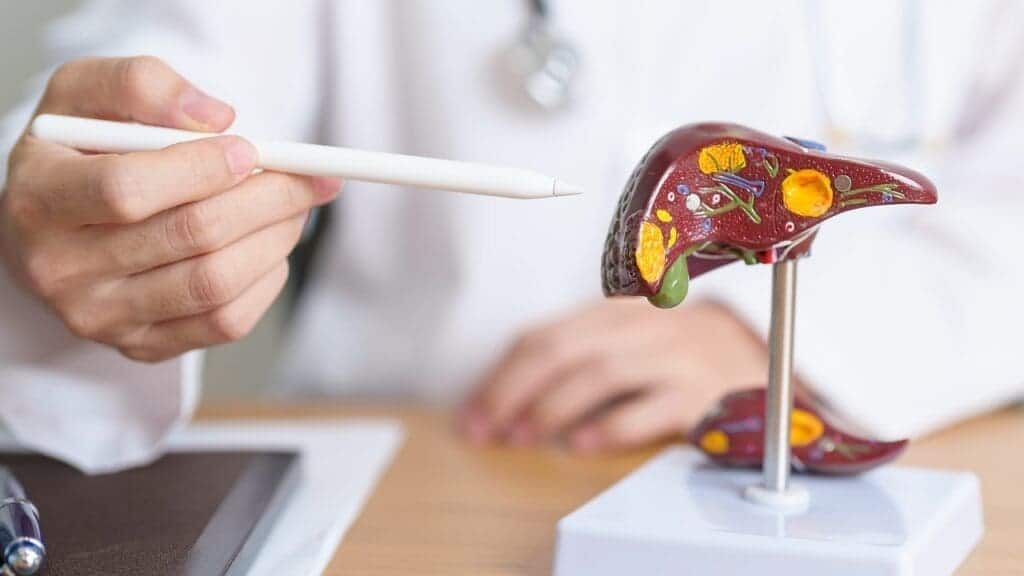
How Liver Disease Progresses
The development of severe liver disease is a gradual process involving inflammation, scarring, and structural distortion of liver tissue. Many people are unaware of declining liver function because early stages produce minimal symptoms. Over time, chronic conditions such as viral hepatitis, fatty liver disease, autoimmune disorders, metabolic disorders, or prolonged alcohol exposure can damage hepatocytes and disrupt blood flow within the liver.
When the organ loses its ability to repair itself, irreversible damage occurs, leading to end-stage liver disease. For many patients, a liver transplant becomes the only viable option to restore function and prevent fatal complications.
Liver Cirrhosis
Liver cirrhosis is a major cause of liver failure worldwide and the leading reason patients are evaluated for a liver transplant. In cirrhosis, scar tissue replaces healthy liver cells, preventing blood from flowing normally through the organ. This scarring gradually limits the liver’s capacity to perform essential functions such as filtering toxins, producing proteins, regulating hormones, and supporting digestion. Symptoms may include fatigue, jaundice, abdominal swelling, confusion, and increased bleeding tendencies. As the condition worsens, portal hypertension develops, leading to variceal bleeding or fluid accumulation. When medications and lifestyle changes can no longer control these complications, a transplant may become necessary.
Causes of Severe Liver Failure
Many conditions can progress to severe liver failure, eventually requiring a liver transplant. Chronic hepatitis B and C remain common causes worldwide. Nonalcoholic fatty liver disease and nonalcoholic steatohepatitis have emerged as major contributors due to rising obesity rates.
Genetic conditions like Wilson’s disease or hemochromatosis also damage the liver over time. Acute liver failure may occur suddenly due to toxins, viral infections, or medication reactions. Regardless of the cause, when the liver loses its ability to regenerate, patients face life-threatening complications that make a transplant the most effective treatment option.
Liver Transplant Criteria
Liver transplant criteria help determine which patients will benefit from surgery and which patients can safely undergo the procedure. These criteria typically include the severity of liver disease, overall physical condition, absence of uncontrolled infections, and patient ability to follow postoperative care.
Most evaluation teams use scoring systems such as MELD to assess urgency and prioritize candidates. Emotional stability, social support, and long-term commitment to follow-up visits are also considered because they influence recovery outcomes. At Liv Hospital, a comprehensive evaluation process ensures that every candidate for a liver transplant receives detailed medical, psychological, and nutritional assessments before surgery.
Preoperative Evaluation and Preparation
Before undergoing a liver transplant, patients must complete an extensive medical assessment. This evaluation includes blood tests, imaging, cardiac screening, nutritional assessment, and consultations with specialists. Education about the surgery, risks, lifestyle adjustments, and postoperative expectations is also essential. Patients must abstain from alcohol, manage infections, and control complications such as ascites or encephalopathy. When a donor organ becomes available, preparation begins immediately to ensure a safe and timely liver transplant.
Surgical Process
The surgical procedure for a liver transplant is highly complex and requires experienced surgeons, anesthesiologists, and specialized nursing teams. During surgery, the failing liver is removed, and the donor liver is implanted with careful reconstruction of major blood vessels and bile ducts. The surgery may take several hours, depending on patient condition and anatomical factors. Liv Hospital uses advanced surgical technology and intraoperative monitoring to support safe and successful outcomes. Every transplant is followed by specialized care in an intensive care unit to stabilize vital functions and manage early postoperative recovery.
Liver Transplant Recovery
Liver transplant recovery is a structured, gradual process that requires adherence to medical guidance and continuous monitoring. Recovery begins in the intensive care unit, where doctors track organ function, control infections, and ensure proper healing.
Over time, patients transition to regular hospital rooms and later to home care with follow-up visits. Immunosuppressive medications are essential for preventing organ rejection, and long-term adherence is required for the success of the transplant. Physical therapy, dietary adjustments, and emotional support also help strengthen recovery. At Liv Hospital, a dedicated transplant team provides ongoing monitoring and personalized rehabilitation programs to ensure that every liver transplant patient maintains stable organ function and optimal health.
Immunosuppression and Long-Term Care
To maintain the health of the transplanted organ, patients must follow lifelong immunosuppressive therapy. These medications prevent rejection but require careful dose management to minimize side effects. Regular blood tests allow physicians to tailor treatment plans based on organ function and drug levels. Long-term care after a liver transplant includes infection prevention, cancer screening, dietary guidance, and management of metabolic conditions. The quality of these long-term services contributes greatly to the success of a liver transplant.
Potential Complications
Like all major surgeries, a liver transplant carries risks. Early complications may include bleeding, infection, or delayed graft function. Long-term complications can involve chronic rejection, bile duct issues, medication side effects, and cardiovascular risks. However, with precise medical care and early detection strategies, most complications are manageable. Liv Hospital is equipped to address these challenges with advanced diagnostics and experienced specialists who monitor each liver transplant patient closely to ensure stable progress.

Role of Donors in Liver Transplantation
A liver transplant can use either a deceased donor organ or a living donor organ. Living donor liver transplantation involves removing a portion of the donor’s liver and transplanting it into the recipient. Both individuals heal, and the liver regenerates over time. Donor evaluation is meticulous to ensure safety for both parties. This option reduces waiting time for a transplant and improves outcomes, especially in regions where donor organ availability is limited.
Living Donor Benefits
Living donor procedures offer several benefits, including shorter waiting periods, healthier organs, and scheduled surgical timing. These advantages allow the transplant team to plan and optimize surgery conditions, improving the overall success rate of a liver transplant. At Liv Hospital, living donor programs are supported by advanced imaging and rigorous screening to safeguard donors and recipients.
Lifestyle After a Liver Transplant
Life after a liver transplant involves long-term adjustments that help protect the new organ and maintain overall wellness. Patients must adopt a balanced diet, avoid harmful substances, stay physically active, and attend regular medical visits. Mental health support is also essential because emotional stress can affect recovery. Maintaining these habits ensures that transplant outcomes remain positive for many years.
Liver Transplant Outcomes and Survival
Survival rates after a liver transplant have improved significantly due to medical advances and specialized postoperative care. Many patients return to normal daily activities, work, and family life. The combination of skilled surgical techniques, effective immunosuppression, and ongoing follow-up care has increased long-term survival. Liv Hospital is recognized for providing high standards of care that support favorable transplant outcomes.
Research and Future Directions
Research continues to refine techniques, reduce rejection rates, and improve medication safety. Advances in regenerative medicine, gene therapy, and organ preservation methods may further enhance liver transplant outcomes. Artificial liver support systems and new antiviral treatments are also expanding treatment options for patients who may eventually need a liver transplant.
Choosing a Transplant Center
Selecting the right facility is essential for anyone considering a liver transplant. Patients should look for experienced surgeons, modern technology, and strong postoperative programs. Liv Hospital provides comprehensive care from evaluation to lifelong follow-up, ensuring that each transplant is handled with precision and compassion.
Cost of Liver Transplant for a Child
The cost of a liver transplant for a child depends on several factors, including the child’s medical condition, the urgency of the surgery, the type of donor, and the required postoperative care. Pediatric transplants often involve additional evaluations, specialized anesthesia, and tailored recovery plans, which can affect total expenses. Liv Hospital provides transparent pricing and advanced pediatric transplant care, but exact costs vary for every child. For the most accurate and personalized information, the safest approach is to consult the pediatric liver transplant team directly.
Conclusion
A liver transplant is a life-extending procedure for individuals with advanced liver disease. Understanding how a transplant works, how recovery progresses, and what long-term responsibilities involve helps patients feel prepared for the journey. With expert teams, advanced diagnostics, and patient-centered care, Liv Hospital remains a leading choice for those seeking a liver transplant. This combination of expertise and compassion ensures that every transplant patient receives high-quality support throughout the entire treatment process.
* Liv Hospital Editorial Board has contributed to the publication of this content .
* Contents of this page is for informational purposes only. Please consult your doctor for diagnosis and treatment. The content of this page does not include information on medicinal health care at Liv Hospital .
For more information about our academic and training initiatives, visit Liv Hospital Academy
Frequently Asked Questions
What is the main purpose of a liver transplant?
It replaces a failing liver with a healthy donor organ to restore essential body functions.
Who is evaluated for a liver transplant?
People with end stage liver disease, cirrhosis, or severe complications that no longer respond to treatment.
How do doctors determine liver transplant eligibility?
They assess disease severity, overall health, MELD score, and the patient’s ability to follow long term care.
How long does liver transplant recovery take?
Initial recovery begins in the ICU, but full rehabilitation usually takes several months.
What medications are needed after a liver transplant?
Patients take lifelong immunosuppressants to prevent organ rejection.
What are the main risks of a liver transplant?
Possible risks include infection, bleeding, rejection, and complications with bile ducts.
Can living donors provide part of their liver?
Yes. A portion of a healthy liver can be transplanted, and both donor and recipient livers regenerate over time.
What lifestyle changes are needed after the transplant?
Healthy eating, avoiding harmful substances, regular exercise, and consistent checkups are essential.
How long does a transplanted liver last?
Many transplanted livers function well for decades with proper care and monitoring.
Why choose Liv Hospital for a liver transplant?
Liv Hospital offers advanced imaging, expert surgical teams, and comprehensive long term follow up for transplant patients.