Lymphedema is a long-term medical condition characterized by persistent swelling caused by an impaired lymphatic system. When lymphatic circulation is disrupted, excess fluid accumulates in tissues, leading to discomfort, heaviness, and reduced mobility. Millions of people worldwide live with this condition, and a significant number of cases develop after cancer treatment.
Secondary lymphedema, often triggered by surgery or radiation therapy, represents a large portion of diagnoses. Breast cancer survivors are among the highest-risk groups, particularly when lymph nodes are removed during treatment. Early detection and timely management are essential to prevent progression and improve long-term outcomes.
Beyond the physical effects, lymphedema can also influence emotional well-being. Many individuals report challenges with self-confidence, body image, and social engagement. Recurrent infections may occur if the condition is not properly managed, emphasizing the importance of specialized medical follow-up.
At int.livhospital.com, patients benefit from a multidisciplinary approach that combines advanced diagnostic imaging, experienced vascular and rehabilitation specialists, and individualized treatment plans tailored to each stage of lymphedema.
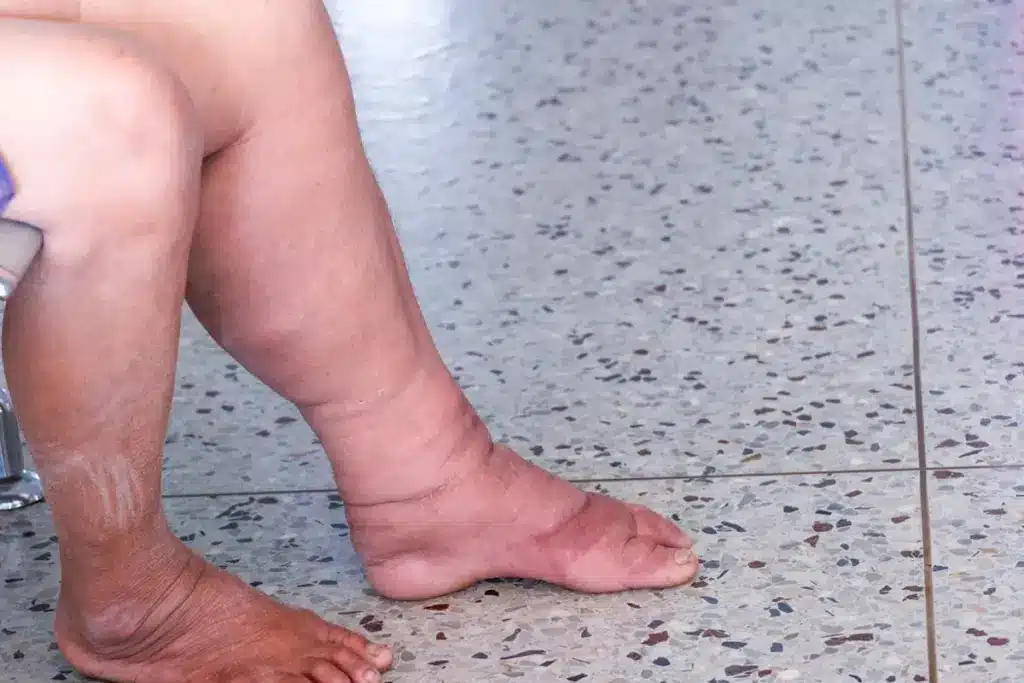
What Is Lymphedema?
Lymphedema develops when the lymphatic system cannot effectively drain lymph fluid. This fluid, rich in proteins and immune cells, begins to collect in tissues, most commonly in the arms or legs. Over time, persistent fluid retention can cause tissue thickening and increased infection risk.
How the Lymphatic System Functions
The lymphatic system is an extensive network of vessels and lymph nodes that transports fluids, waste products, and immune cells throughout the body. Unlike the circulatory system, it does not have a central pump like the heart. Instead, it relies on muscle movement and low internal pressure to move fluid.
When lymph nodes are removed or damaged—such as during cancer surgery or radiation therapy—the drainage capacity decreases significantly. As a result, swelling develops because fluid cannot circulate properly. Radiation treatments may also reduce vessel elasticity, further restricting flow.
Types of Lymphedema
Lymphedema is classified into two main categories depending on its origin.
Primary Lymphedema
Primary lymphedema is a rare, inherited condition caused by abnormalities in lymphatic vessel development. It may appear in infancy, adolescence, or adulthood. Genetic mutations affecting lymph vessel formation are frequently responsible. Symptoms often develop gradually and may worsen over time.
Secondary Lymphedema
Secondary lymphedema is far more common and occurs as a result of external damage to the lymphatic system. Cancer surgeries, especially those involving lymph node removal, and radiation therapy are leading causes. Trauma, infections, severe burns, obesity, and certain inflammatory diseases may also contribute.
Identifying the type of lymphedema is crucial for determining the most effective management strategy.
Common Symptoms of Lymphedema
Symptoms vary depending on the stage and severity of the condition.
Early Signs
In its earliest phase, lymphedema may present subtle symptoms, such as:
- A feeling of tightness or heaviness in the limb
- Mild, fluctuating swelling
- Jewelry or clothing feeling tighter than usual
- Slight asymmetry between limbs
Because these early signs can be overlooked, awareness is essential for prompt evaluation.
Advanced Symptoms
If untreated, lymphedema may progress and lead to:
- Persistent swelling that does not subside
- Skin thickening or hardening (fibrosis)
- Recurrent infections such as cellulitis
- Reduced joint mobility
- Fluid leakage from the skin in severe cases
Advanced, unmanaged lymphedema can significantly impair daily functioning and overall quality of life.
Causes and Risk Factors
Several factors increase the likelihood of developing lymphedema.
Cancer Treatment
Cancer-related surgeries that remove lymph nodes, as well as radiation therapy, are primary contributors. The more lymph nodes removed, the higher the risk. Certain chemotherapy agents may also exacerbate fluid retention.
Other Medical Conditions and Triggers
Additional risk factors include:
- Obesity
- Chronic inflammatory diseases
- Severe trauma or burns
- Parasitic infections in endemic regions
- Autoimmune conditions
Close monitoring after injury or surgery allows for earlier detection and intervention.
How Lymphedema Affects the Body
Physical Effects
Physically, lymphedema may lead to increased limb weight, stiffness, and progressive tissue changes. Chronic swelling can result in fibrosis and elevate infection risk. In rare cases, long-standing lymphedema is associated with serious complications.
Emotional and Psychological Impact
The condition often carries a psychological burden. Changes in physical appearance, discomfort, and lifestyle adjustments may contribute to anxiety or depression. Ongoing support and education are key to comprehensive care.
Diagnosing Lymphedema
Diagnosis typically involves clinical evaluation and imaging techniques.
Healthcare providers measure limb circumference and volume differences. Advanced imaging methods such as lymphoscintigraphy, MRI, or specialized lymphography may be used to assess lymphatic flow and determine disease stage.
At int.livhospital.com, modern diagnostic technologies and expert assessment allow for precise staging and individualized treatment planning.
Treatment Options for Lymphedema
While there is no definitive cure, several therapies effectively manage symptoms and slow progression.
Manual Lymphatic Drainage (MLD)
MLD is a gentle massage technique that stimulates lymph flow and redirects fluid toward functional pathways. It is especially effective in early and moderate stages.
Compression Therapy
Compression garments and multilayer bandaging help maintain fluid balance and prevent swelling from worsening. These are central components of long-term management.
Surgical Treatments
In advanced cases, microsurgical procedures such as lymphaticovenular anastomosis (LVA) or vascularized lymph node transfer (VLNT) may improve drainage. Liposuction can be considered when significant fat deposition occurs due to chronic swelling.
Specialized surgical evaluation and rehabilitation services available at int.livhospital.com ensure that patients receive comprehensive, evidence-based care.
Prevention and Daily Management
Consistent self-care reduces complications and improves quality of life.
Skin Care
- Keep skin clean and moisturized
- Avoid cuts, burns, and insect bites
- Treat minor wounds promptly
- Monitor for redness or signs of infection
Exercise and Lifestyle
- Engage in regular, low-impact exercise
- Maintain a healthy body weight
- Stay hydrated
- Wear compression garments as advised
These measures can significantly reduce symptom severity and infection risk.
Living with Lymphedema
Adapting to life with lymphedema involves both physical and emotional strategies. Working with certified therapists, participating in support groups, and accessing specialized care centers can greatly enhance disease management.
Institutions like int.livhospital.com offer integrated programs combining vascular surgery, physical therapy, oncology collaboration, and patient education. This holistic model supports both the medical and emotional needs of individuals living with lymphedema.
Conclusion
Lymphedema is a chronic but manageable condition. Early recognition of symptoms, accurate diagnosis, and individualized treatment are critical to preventing complications and preserving quality of life. With advanced medical expertise and comprehensive care available at int.livhospital.com, patients can access innovative therapies and long-term support tailored to their unique needs.