A highly specialized physician, a neonatal surgeon, does complex surgeries on newborns. These babies are under four weeks old. They fix birth defects and other serious conditions. These surgeries need a lot of training and skill.
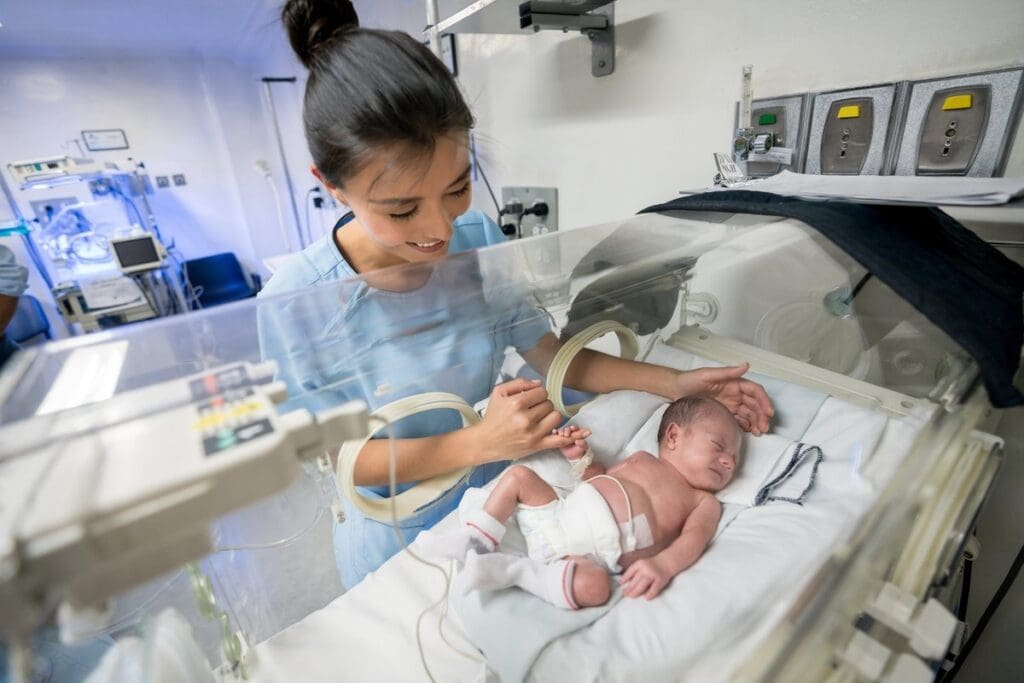
We at our institution aim to give top-notch healthcare. We support patients from all over the world. Our team works together to give newborns the best care. They focus on each baby’s special needs with care and kindness.Get a clear definition of a neonatal surgeon and their critical role in performing surgery on newborns, often in critical conditions.
Key Takeaways
- Neonatal surgeons operate on newborns under four weeks old.
- They address congenital anomalies and critical birth conditions.
- Extensive training is required for these delicate surgeries.
- Our institution provides detailed international patient support.
- A team effort ensures the best care for newborns.
The Role of a Neonatal Surgeon
Neonatal surgeons are part of a team that helps newborns with serious health issues. They often need surgery right away. These doctors are key for babies born early or with problems like breathing issues or infections.
Specialized Care for Newborns Under Four Weeks
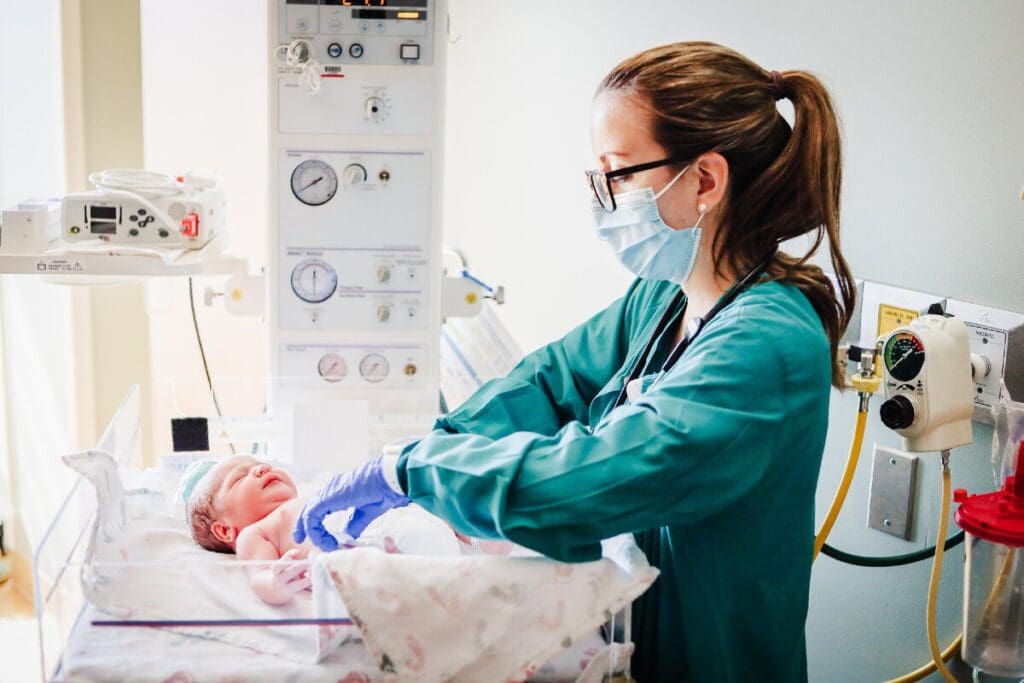
Neonatal surgeons do complex surgeries on newborns. They fix birth defects and other serious problems. Their work is vital for saving babies at risk.
These doctors use advanced techniques and know a lot about newborns. They work with others to give babies the best care. This teamwork is important for good results.
Types of Surgeries Performed
Neonatal surgeons do many surgeries, like fixing hernias and esophageal atresia. New minimally invasive and fetal surgery methods help more babies survive. We use the latest in surgery to care for newborns.
They treat many serious conditions that need surgery right away. New medical and surgical methods help these babies live longer and better. This is our goal.
Being a neonatal surgeon is more than just surgery. It’s about caring for babies before and after surgery. We aim to give babies the best care from start to finish.
Neonatal Surgeon vs. Neonatologist: Understanding the Difference
It’s important for families to know the difference between a neonatal surgeon and a neonatologist. Both are dedicated to newborn care, but they have different roles. Their work together is key to the best care of newborns.
What Does a Neonatologist Do?
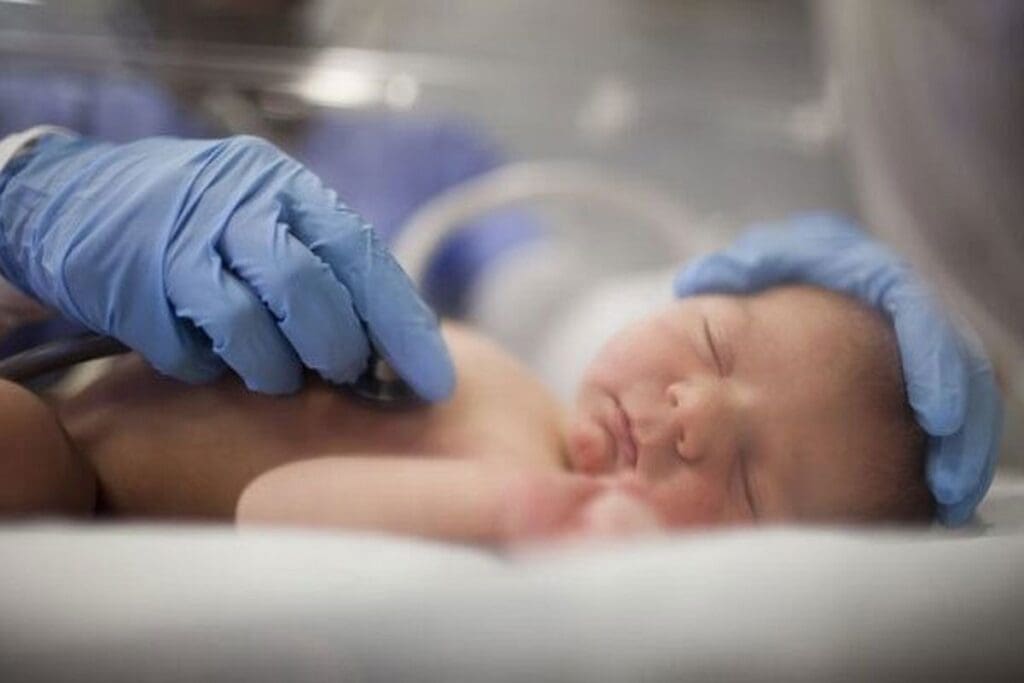
A neonatologist is a pediatrician with extra training for newborns. They focus on newborns under four weeks old. They handle issues like breathing problems, infections, and birth defects.
Neonatologists are the first to help families with newborns needing intensive care. They provide critical care and help plan further treatment. This might include surgery.
When Surgery Becomes Necessary
When a newborn needs surgery, a neonatal surgeon performs the operation. Neonatal surgeons perform various surgeries on newborns. This includes fixing birth defects and more complex operations.
The decision to have surgery is made by the neonatologist and the healthcare team. This team ensures the decision is the best for the newborn.
Collaboration Between Specialists
Caring for critically ill newborns is a team effort. It involves neonatologists, surgeons, and others. Working together is key to the best results.
Together, these professionals provide all-around care for newborns needing intensive care or surgery. Their teamwork is vital for managing complex conditions and improving outcomes.
Education and Training Path to Become a Neonatal Surgeon
Becoming a neonatal surgeon takes a lot of education and training. At Liv Hospital, we focus on top-notch education and training. We know that becoming a neonatal surgeon means hard work in both school and clinical settings.
Medical School Requirements
The first step is a four-year undergraduate degree. Then, you need four years of medical school to get an MD or DO. In medical school, students learn a lot about medicine and surgery.
Surgical Residency Training
After medical school, you must do a five-year residency in general surgery. This training gives you the surgical skills and experience you need.
Pediatric and Neonatal Surgery Fellowship
Next, you need to do a fellowship in pediatric and neonatal surgery. These fellowships teach you how to handle complex surgeries in newborns.
At Liv Hospital, we aim to improve medical care through education. We believe being a neonatal surgeon is more than just education. It’s about understanding neonatal care and caring for patients to the best of your ability.
We stress the need for ongoing education and the latest medical protocols. Our team is dedicated to improving care through education and training. This ensures our surgeons can give the best care to their patients.
Common Conditions Treated by Neonatal Surgeons
Neonatal surgeons lead in treating serious birth defects in newborns. These issues need quick and precise surgery to fix life-threatening problems.
Congenital Diaphragmatic Hernia
Congenital Diaphragmatic Hernia (CDH) is a birth defect where the diaphragm has a hole. This lets organs from the belly move into the chest. It can cause lung problems and underdevelopment.
Prompt surgical repair is key to better survival chances and outcomes.
Esophageal Atresia
Esophageal Atresia happens in about 1 in 4,100 births. It’s when the esophagus forms abnormally. Surgery is needed to fix it and allow normal eating. New minimally invasive surgical techniques help babies recover faster and feel less pain.
Other Critical Congenital Anomalies
Neonatal surgeons also treat omphalocele and myelomeningocele. Omphalocele is when intestines or other organs stick out through the navel. Myelomeningocele is a type of spina bifida.
These conditions need multidisciplinary care and innovative surgical approaches to better results.
We use the latest in neonatal surgery, like better perioperative care and teamwork. Our goal is to lower death rates in the operating room. We’re committed to giving top care to these very sick babies.
Advanced Techniques in Modern Neonatal Surgery
The field of neonatal surgery has seen big changes in recent years. These changes have improved care for newborns with complex conditions. We are dedicated to keeping up with these advancements, ensuring our patients get the best treatments.
“The advancements in fetal surgery have been very important,” says a leading expert. “They have improved survival rates for conditions like congenital diaphragmatic hernia.” Thanks to advanced imaging, we can spot many issues before a baby is born. This lets us prepare the neonatal surgery team ahead of time.
Minimally Invasive Surgical Approaches
One big step forward in neonatal surgery is the minimally invasive surgical approaches. These methods use smaller cuts, causing less harm to the newborn and leading to faster healing. Our surgeons are up-to-date with the latest techniques, like laparoscopy and thoracoscopy, for treating various conditions.
Minimally invasive surgery has many benefits. It lowers the risk of complications and improves how the newborn looks after surgery. As technology gets better, we expect even more progress in this area, helping us care for our patients even better.
Fetal Surgery Innovations
Fetal surgery is another key area of progress. It involves surgeries on the fetus before birth. This can be life-saving for conditions that would cause severe problems or death soon after birth. We’ve seen big improvements in fetal surgery innovations, making it possible to treat complex anomalies more effectively.
“Fetal surgery has opened new avenues for treating congenital anomalies, giving hope to families with tough diagnoses.”
— Leading Fetal Surgeon
Our team, including skilled fetal surgeons, works closely with expectant parents. We help decide the best plan for each situation, giving full support every step of the way.
Perioperative Care Improvements
Improvements in perioperative care have also been key. This includes better preparation before surgery, management during surgery, and care after surgery. All these are vital for the success of the surgery.
By focusing on these areas, we’ve cut down on problems and deaths among newborns having surgery. Our team works together to make sure every part of a newborn’s care is top-notch, from diagnosis to recovery.
As we keep up with new developments in neonatal surgery, our goal is to give the best care to our patients and their families. Thanks to minimally invasive surgical approaches and fetal surgery innovations, we offer new hope and better results for newborns with complex needs.
Career Outlook and Compensation for Neonatal Surgeons
As the world’s healthcare needs grow, neonatal surgeons play a vital role. Their job is both challenging and rewarding. Their pay reflects the hard work and skills needed.
Salary and Benefits
Neonatal surgeons earn well because of their specialized training and critical work. The average salary in the United States is competitive, showing their advanced skills. Salary can vary based on location, experience, and where they work.
- Average annual salary ranges from $400,000 to over $600,000.
- They also get benefits like malpractice insurance and research funding.
- Bonuses and incentives are based on performance and productivity.
Job Opportunities and Global Demand
Worldwide, the need for pediatric surgical specialists is rising. The demand for skilled neonatal surgeons is global. They find work in many places, from big hospitals to private clinics.
- Big cities and major hospitals need neonatal surgeons a lot.
- There are also chances in emerging markets and developing countries.
- Telehealth is making it easier for neonatal surgeons to work remotely.
Work Environment and Challenges
Neonatal surgeons work in stressful places, needing precision and emotional strength. We support these professionals in creating a caring and excellent work environment.
- They often work long hours and face emergencies.
- Working with many teams is key.
- Keeping up with new medical discoveries is important.
Conclusion
Neonatal surgeons are key in healthcare, working with neonatologists and others to save newborns. It’s important to know what neonatologists do to understand their teamwork. This teamwork is vital for treating these young patients.
Neonatal surgeons are experts in surgeries for newborns with serious conditions. Their dedication to quality care is strong. We aim for the best in neonatal surgery.
Together, neonatal surgeons, neonatologists, and others give newborns the best care. This teamwork is essential for great results. It shows our commitment to top-notch healthcare worldwide.
FAQ
What is a Neonatologist?
A neonatologist is a doctor who focuses on newborns, mainly those who are very sick or born too early. They give critical care and are often the first doctors families meet.
What does a Neonatologist do?
Neonatologists give critical care to newborns. They diagnose and treat urgent conditions. They also work with other specialists to ensure complete care.
What is a Neonatal Surgeon?
A neonatal surgeon is a skilled surgeon who does surgeries on newborns, usually in the first month of life. They fix birth defects and critical conditions.
Do Neonatologists do Surgery?
No, neonatologists don’t do surgery. They team up with neonatal surgeons for newborns needing surgery.
How do I become a Neonatal Surgeon?
To be a neonatal surgeon, you need a lot of education and training. This includes medical school, surgical training, and fellowships in pediatric and neonatal surgery.
How Much Does a Neonatal Surgeon Make?
Neonatal surgeons are well-paid because of their hard work and expertise. Their salaries vary, but they are among the highest-paid due to their skill and dedication.
What are some Common Conditions Treated by Neonatal Surgeons?
Neonatal surgeons treat serious birth defects like congenital diaphragmatic hernia and esophageal atresia. These need quick and precise surgery to help the baby.
What is Fetal Surgery?
Fetal surgery is surgery done on the fetus before it’s born. Neonatal surgeons might do fetal surgery for some conditions. They use new technology to help the baby.
What are Minimally Invasive Surgical Approaches in Neonatal Surgery?
Minimally invasive surgery uses new techniques to make small cuts. This reduces harm to the baby and helps them heal faster. Our team uses these methods to help patients.
References:
- Medscape. (2025). Medscape pediatrician compensation report 2025.https://www.medscape.com/slideshow/2025-compensation-pediatrician-6018117