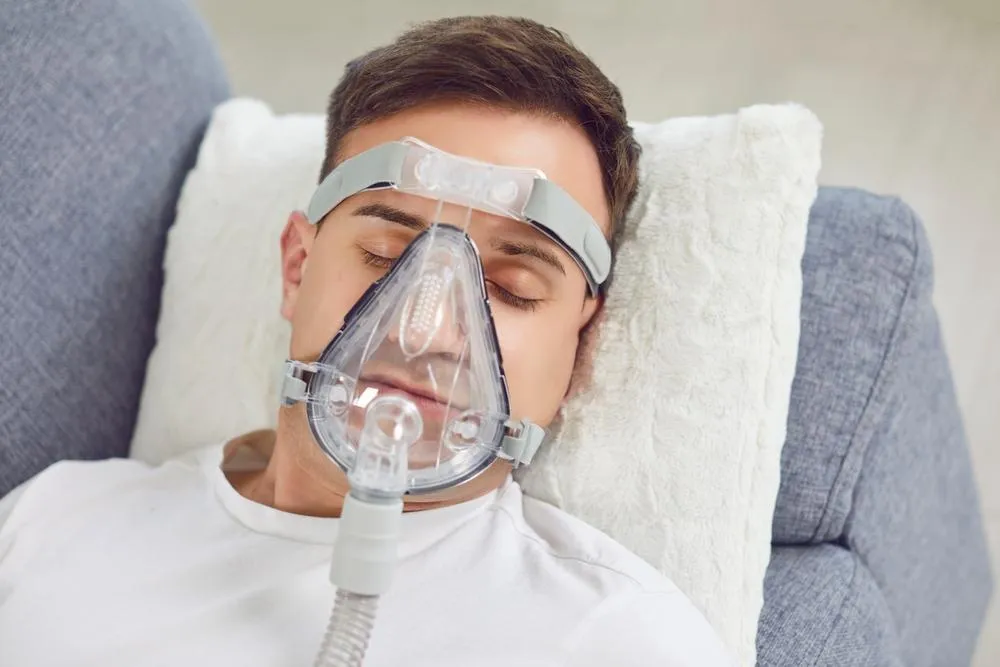
Leaving sleep apnea untreated can severely harm your health and safety. About 25 million adults in the U.S. have obstructive sleep apnea. This condition can cause heart disease, stroke, and even death if not treated. Leaving sleep apnea untreated is dangerous. Discover the critical risks and learn vital, amazing ways to protect your health with expert care.
Studies show that undiagnosed and untreated obstructive sleep apnea can lead to heart problems. It also raises the risk of accidents at work and on the road. It’s important to catch and treat sleep apnea early to avoid these dangers.
Key Takeaways
- Untreated sleep apnea can lead to serious health complications, including heart disease and stroke.
- Approximately 25 million adults in the U.S. are estimated to live with obstructive sleep apnea.
- Early intervention is critical to reducing the risks associated with untreated sleep apnea.
- Undiagnosed sleep apnea can increase the risk of workplace accidents and traffic fatalities.
- Treating sleep apnea can help mitigate its economic and health-related consequences.
Understanding Sleep Apnea and Its Prevalence
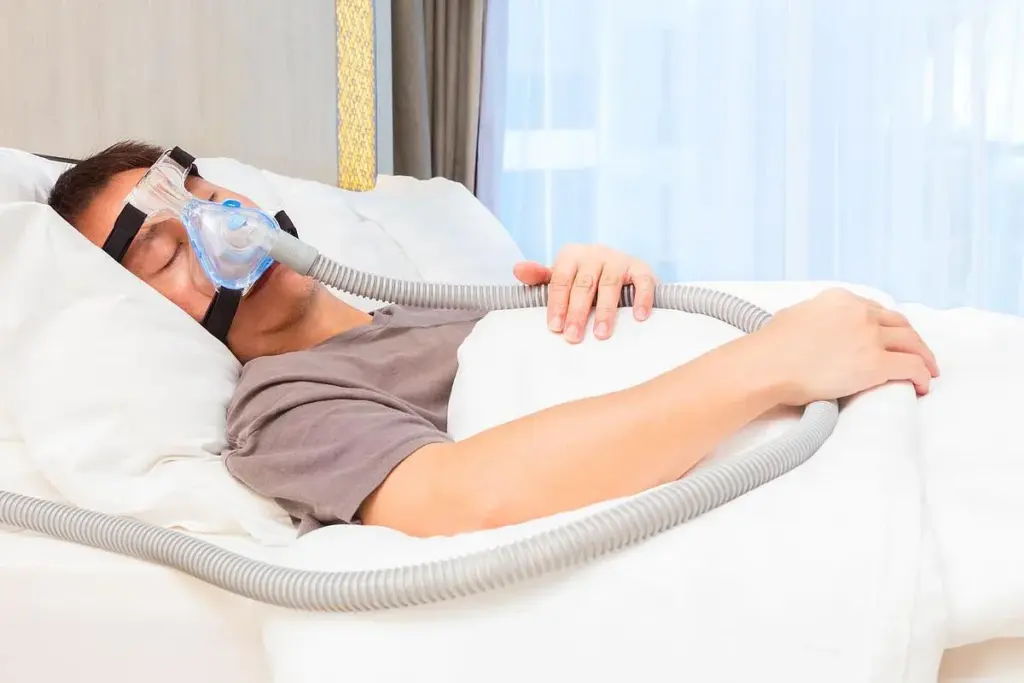
Sleep apnea is a serious sleep disorder that affects many people. It causes pauses in breathing or shallow breathing during sleep. This leads to poor sleep quality and low blood oxygen levels.
What is Sleep Apnea?
Sleep apnea is when breathing stops or gets shallow during sleep. These pauses can happen many times a night. They greatly affect sleep quality and health.
“Sleep apnea is a major risk factor for various health complications, including cardiovascular disease and diabetes,” a study on sleep apnea statistics notes.
Types of Sleep Apnea: Obstructive, Central, and Mixed
There are three main types of sleep apnea:
- Obstructive Sleep Apnea (OSA): The most common, caused by a blockage of the airway. This is usually due to soft tissues in the throat collapsing.
- Central Sleep Apnea (CSA): Happens when the brain doesn’t send the right signals to breathing muscles.
- Mixed or Complex Sleep Apnea: A mix of OSA and CSA, needing detailed treatment.
Prevalence Statistics: 25 Million Adults in the U.S.
About 25 million adults in the U.S. have obstructive sleep apnea. Many of these cases go undiagnosed. Studies show sleep apnea is becoming more common, affecting 26% of adults aged 30-70.
This highlights the need for more awareness and treatment. It’s essential to manage sleep apnea to improve public health.
A sleep specialist once said, “The high prevalence of sleep apnea calls for a detailed approach to diagnosis and treatment. This ensures those affected can live healthier, more productive lives.” His words stress the importance of tackling sleep apnea on a large scale.
Recognizing the Signs and Symptoms of Sleep Apnea
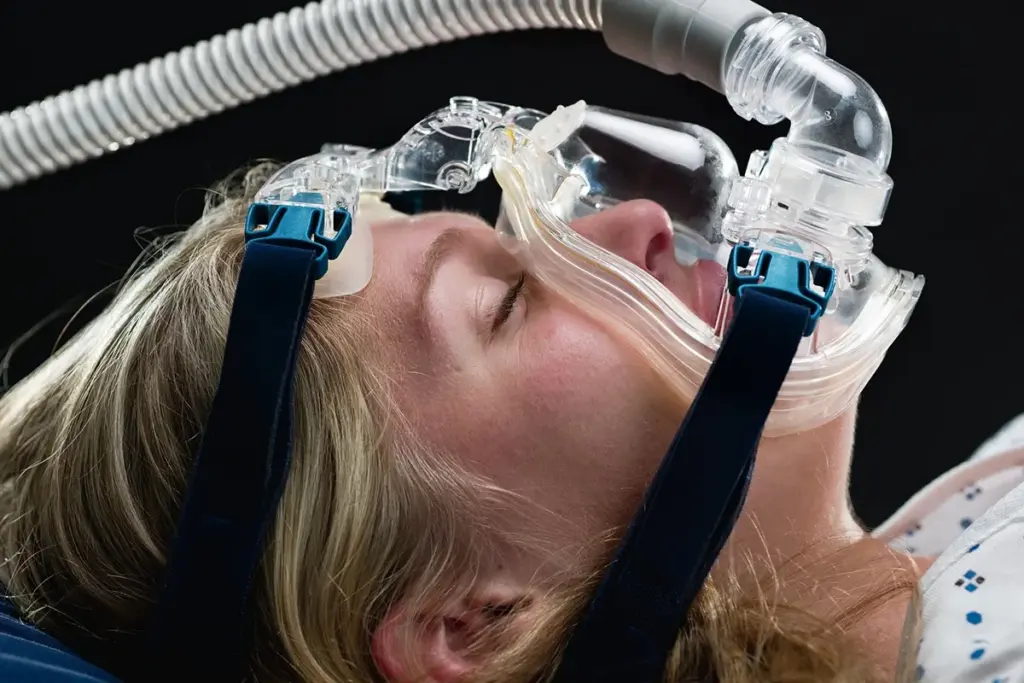
It’s key to know the signs of sleep apnea if you think you or someone you care about might have it. Sleep apnea means you stop breathing or breathe shallowly while sleeping. Its symptoms can really affect your daily life.
Common Nighttime Symptoms and Warning Signs
Nighttime signs are often the first clue to sleep apnea. Look out for:
- Loud snoring
- Pauses in breathing during sleep
- Waking up with a dry mouth or sore throat
- Frequent awakenings during the night
These signs can mess with your sleep quality and how you feel overall.
Daytime Symptoms That Indicate Sleep Apnea
Daytime signs are also important for spotting sleep apnea. They might include:
- Excessive daytime fatigue or sleepiness
- Difficulty concentrating or memory issues
- Morning headaches
- Irritability or mood swings
These symptoms can mess with your job, social life, and overall happiness.
When to Seek Medical Attention
If you or someone you know is showing many of these signs, get medical help. A doctor can do tests to figure out if you have sleep apnea.
|
Symptom |
Description |
Impact on Daily Life |
|---|---|---|
|
Loud Snoring |
Snoring that occurs due to partial upper airway obstruction |
Can disturb the sleep of others |
|
Daytime Fatigue |
Feeling tired or sleepy during the day due to disrupted sleep |
Affects work performance and social interactions |
|
Difficulty Concentrating |
Trouble focusing or making decisions due to lack of quality sleep |
Impacts productivity and daily activities |
Spotting sleep apnea early and getting help can really help. By knowing the signs and getting medical help when needed, you can avoid the dangers of untreated sleep apnea.
The Immediate Effects of Untreated Sleep Apnea
Untreated sleep apnea has many effects on our minds and bodies. It can harm our thinking, mood, and health. Without treatment, it can cause many problems that affect our daily lives and well-being.
Impact on Sleep Quality and Daytime Functioning
Untreated sleep apnea messes up our sleep patterns, leading to poor sleep quality. This can cause:
- Fragmented sleep
- Reduced oxygen levels in the blood
- Frequent awakenings
People may feel very tired and have trouble focusing during the day. This can make it hard to function well during the day.
Cognitive Impairment and Memory Issues
Sleep apnea can harm our thinking and memory if not treated. Poor sleep can lead to:
- Difficulty in concentrating and making decisions
- Memory lapses and learning new information
- Decreased problem-solving skills
Cognitive impairment can be serious. It can affect our work and daily activities.
Mood Disorders and Mental Health Consequences
The mental health effects of untreated sleep apnea are significant. Common issues include:
- Depression and anxiety disorders
- Mood swings and irritability
- Increased stress levels
It’s important to treat sleep apnea to prevent these mood disorders and support mental health.
Cardiovascular Risks of Untreated Sleep Apnea
Untreated sleep apnea is linked to a higher risk of heart diseases. This shows why it’s important to get help early. It can harm the heart and blood vessels.
Hypertension and Blood Pressure Dysregulation
Hypertension is a big risk with untreated sleep apnea. The breathing stops and starts during sleep, causing blood pressure to go up and down. This can lead to high blood pressure all the time.
Studies show that treating sleep apnea can help control blood pressure. This shows how closely these two conditions are connected.
Heart Disease, Arrhythmias, and Heart Failure
Sleep apnea also raises the risk of heart disease. This includes arrhythmias and heart failure. The heart works hard to get enough oxygen, leading to heart problems.
Research finds that how bad sleep apnea is can affect heart disease risk. The more severe the sleep apnea, the higher the risk.
|
Cardiovascular Condition |
Risk Increase with Untreated Sleep Apnea |
Potential Consequences |
|---|---|---|
|
Hypertension |
High |
Cardiovascular disease, kidney disease |
|
Heart Disease |
Moderate to High |
Heart failure, arrhythmias |
|
Stroke |
High |
Disability, mortality |
Stroke Risk and Vascular Damage
Untreated sleep apnea also raises the risk of stroke. This is because it damages blood vessels. The low oxygen levels in sleep apnea cause inflammation and damage to blood vessels.
In conclusion, untreated sleep apnea poses serious heart risks. It’s vital to diagnose and treat it to avoid these dangers.
Metabolic Complications and Diabetes Connection
Sleep apnea can cause big problems if not treated. It can lead to insulin resistance and a higher chance of getting Type 2 diabetes. The connection between sleep apnea and metabolic issues is complex.
Insulin Resistance and Glucose Metabolism Disruption
Studies show sleep apnea is linked to insulin resistance. This means the body’s cells don’t use insulin well. It can cause blood sugar levels to rise, which is a step towards Type 2 diabetes.
During sleep apnea, the body gets less oxygen. This can make the body’s stress system work harder, cause inflammation, and lead to oxidative stress. All these things can make insulin resistance worse.
Type 2 Diabetes Development and Progression
There’s a strong link between sleep apnea and Type 2 diabetes. If sleep apnea isn’t treated, it can make it more likely to get Type 2 diabetes. This is because it can make insulin resistance and hurt the pancreas’s ability to make insulin.
|
Condition |
Effect on Glucose Metabolism |
Risk of Type 2 Diabetes |
|---|---|---|
|
Sleep Apnea |
Increased insulin resistance, disrupted glucose metabolism |
Higher risk |
|
Obesity |
Increased insulin resistance |
Higher risk |
|
Physical Inactivity |
Decreased insulin sensitivity |
Higher risk |
The Obesity-Sleep Apnea Cycle
Obesity can make sleep apnea worse, and sleep apnea can make obesity worse. Being overweight can block the airway, leading to sleep apnea. Sleep apnea can also make it harder to lose weight because it can cause inflammation and make the body less active.
It’s important to break this cycle to manage sleep apnea and avoid metabolic problems. Losing weight and being more active are key parts of treating sleep apnea.
Respiratory System Deterioration Over Time
Sleep apnea can worsen over time if not treated. It affects breathing and lung function. This decline is a big worry for those with untreated sleep apnea.
Progressive Worsening of Breathing Patterns
Untreated sleep apnea can make breathing worse. It causes breathing to stop and start many times during sleep. This puts a lot of strain on the body’s breathing muscles.
Over time, these stops can weaken the muscles. This makes it harder to breathe, even when awake. The strain can also cause inflammation and irritation in the airways. This makes breathing even harder.
As breathing gets worse, people may wake up more often at night. This makes sleep quality even poorer.
Development of Chronic Respiratory Conditions
Untreated sleep apnea can also lead to chronic respiratory conditions. Conditions like COPD can get worse or start because of sleep apnea. The low oxygen levels in the blood can damage lung tissue.
This damage can make chronic respiratory diseases worse. It’s important for people with sleep apnea to watch for signs of these conditions.
Pulmonary Hypertension and Lung Function
Pulmonary hypertension is a big risk for those with untreated sleep apnea. The low oxygen levels and heart strain can cause this condition. It makes lung function and heart health worse.
This can lead to symptoms like shortness of breath. It can also make it hard to do physical activities. This greatly affects quality of life.
Sleep Apnea and Mortality Risk: The Statistics
Untreated sleep apnea greatly increases the risk of death. It’s important to catch it early. This condition affects many parts of the body, leading to heart disease and other serious issues.
All-Cause Mortality Increases Up to Five-Fold
Severe sleep apnea can raise the risk of death by up to five times. Finding and treating sleep apnea quickly is key. It can cut the risk of heart problems and death in half.
The more severe the sleep apnea, the higher the risk of dying. This shows why treating it early is so important.
Cardiovascular-Related Deaths
People with untreated sleep apnea face a high risk of heart-related deaths. Up to 42% of deaths from sleep apnea are due to heart problems. Sleep apnea puts a lot of strain on the heart, leading to high blood pressure and heart disease.
Correlation Between Severity and Mortality Risk
The risk of death goes up as sleep apnea gets worse. This is true for heart disease and other causes. Doctors need to know this to treat sleep apnea properly.
|
Sleep Apnea Severity |
All-Cause Mortality Risk |
Cardiovascular-Related Mortality Risk |
|---|---|---|
|
Mild |
Minimal Increase |
Low |
|
Moderate |
Two-Fold Increase |
Moderate |
|
Severe |
Up to Five-Fold Increase |
High (Up to 42%) |
The table shows how sleep apnea severity affects mortality risks. As severity increases, so does the risk of death from all causes and heart problems. This is why early diagnosis and treatment are so important.
Early treatment of sleep apnea can greatly lower death risks. Knowing the link between sleep apnea severity and mortality helps people take action to manage their condition. This can improve their health outcomes.
Workplace Safety and Productivity Impact
Untreated sleep apnea can harm workplace safety and productivity. It affects a person’s health and daily life, leading to many challenges at work.
Twofold Increase in Workplace Injury Risk
Untreated sleep apnea raises the risk of workplace injuries by twofold. It causes daytime sleepiness, which hurts thinking and reaction times. This makes accidents more likely at work.
Decreased Work Performance and Absenteeism
Sleep apnea also lowers work performance and increases absenteeism. Fatigue and lack of focus reduce productivity. Taking time off for medical visits or to recover from poor sleep also affects work attendance.
“Employees with untreated sleep apnea are more likely to experience decreased productivity and increased absenteeism, ultimately affecting the overall performance of the organization.”
Annual Economic Impact: Over $86 Billion in Lost Productivity
The yearly cost of untreated sleep apnea is huge, with over $86 billion in lost productivity. This includes direct costs like medical bills and workers’ compensation. It also includes indirect costs like reduced productivity and efficiency.
- Direct costs: Medical expenses, workers’ compensation claims
- Indirect costs: Lost productivity, reduced job performance
Driving Hazards and Public Safety Concerns
Sleep apnea can make driving very dangerous if not treated. It causes drivers to feel very tired during the day. This tiredness can lead to accidents, which can be deadly.
Drowsy Driving Statistics and Accident Rates
Untreated sleep apnea is a big cause of car accidents. In 2019, drowsy driving was linked to 697 deaths, according to the NHTSA. But, the real number might be even higher because not all accidents are reported.
Key statistics on drowsy driving include:
- The American Automobile Association (AAA) says drowsy driving causes about 21% of all fatal crashes.
- A study in the journal Accident Analysis & Prevention shows drivers with sleep apnea are more than twice as likely to crash.
Motor Vehicle Accident Risk Increase
Not treating sleep apnea raises the risk of car accidents a lot. It makes drivers too sleepy to react fast or make good decisions while driving.
“Drowsy driving is a serious problem that can have devastating consequences. It’s vital for people with sleep apnea to get treatment to lower this risk.” –
NHTSA Official
$15.9 Billion in Annual Crash-Related Expenses
Drowsy driving costs the U.S. about $15.9 billion each year. This money goes to medical bills, lost work time, and damage to property.
The financial impact isn’t just on those in accidents. It also hurts the whole economy. It shows why treating sleep apnea is so important to cut down on drowsy driving and its costs.
The Economic Burden of Untreated Sleep Apnea
Untreated sleep apnea has big economic costs. It hurts a person’s health and life quality. It also has big economic effects.
Healthcare Utilization and Direct Medical Costs
Untreated sleep apnea means more doctor visits and hospital stays. This raises the cost of medical care. The costs include:
- Hospitalizations due to sleep apnea-related complications
- Emergency department visits
- Outpatient care and diagnostic tests
- Pharmacological treatments for related conditions
More doctor visits happen because sleep apnea raises the risk of other health problems. These problems need ongoing care.
Indirect Costs: Productivity and Quality of Life
Untreated sleep apnea also costs a lot indirectly. It affects work and life quality. The costs include:
- Absenteeism: More days off work due to health issues
- Presenteeism: Less work done while at work due to tiredness
- Unemployment: More chance of losing a job or having trouble keeping one
It also hurts personal life, daily activities, and overall happiness.
The Cost-Benefit Analysis of Treatment vs. Non-Treatment
Treating sleep apnea is cheaper in the long run. Treatment can cut down on healthcare costs by controlling symptoms and lowering the risk of other health problems. It also boosts work and life quality, reducing indirect costs.
A study showed that continuous positive airway pressure (CPAP) therapy improves health and saves money over time.
|
Cost Category |
Untreated Sleep Apnea |
Treated Sleep Apnea |
|---|---|---|
|
Direct Medical Costs |
Higher due to increased healthcare utilization |
Lower due to reduced comorbidities and healthcare utilization |
|
Indirect Costs |
Higher due to reduced productivity and quality of life |
Lower due to improved productivity and quality of life |
In conclusion, untreated sleep apnea has big costs. It includes direct medical costs and indirect costs like lost work and life quality. Early treatment can greatly reduce these costs. It improves health and saves money for society.
Diagnosing Sleep Apnea: The Path to Treatment
Getting treatment for sleep apnea starts with a correct diagnosis. This involves understanding the condition, recognizing symptoms, and doing detailed medical tests.
Diagnostic Methods and Sleep Studies
Sleep studies are key for diagnosing sleep apnea and figuring out how severe it is. These studies can be done in a sleep lab or at home with portable devices. In-lab studies, called polysomnography (PSG), track brain waves, muscle activity, and heart rate while you sleep.
Home sleep apnea tests (HSATs) are simpler and track airflow, breathing, and oxygen levels. They’re cheaper and easier to use, but don’t give as much detail as PSG.
Understanding the Apnea-Hypopnea Index (AHI)
The Apnea-Hypopnea Index (AHI) is a key measure for sleep apnea severity. It counts pauses in breathing per hour of sleep. The AHI is found by dividing the number of pauses by the sleep hours.
|
AHI Score |
Sleep Apnea Severity |
Description |
|---|---|---|
|
0-4 |
Normal |
No sleep apnea diagnosis |
|
5-14 |
Mild |
Mild sleep apnea; treatment may be recommended based on symptoms |
|
15-29 |
Moderate |
Moderate sleep apnea; treatment is usually recommended |
|
30 or more |
Severe |
Severe sleep apnea; treatment is strongly recommended |
Why Early Detection Significantly Improves Outcomes
Finding sleep apnea early is important. It lets you start treatment early, which can greatly improve your health. Without treatment, sleep apnea can cause heart disease, metabolic problems, and increase the chance of accidents.
Early diagnosis means you can get treatments like CPAP therapy, oral appliances, or make lifestyle changes. These can help reduce the risks of sleep apnea.
CPAP Therapy: The Gold Standard Treatment for Sleep Apnea
CPAP therapy has changed how we treat sleep apnea. It’s seen as the best way to help patients. CPAP, or Continuous Positive Airway Pressure, therapy keeps the airway open. This stops apneic episodes from happening.
Maintaining Airway Patency
CPAP therapy keeps the airways open with a constant air flow. This stops them from collapsing. It’s key for uninterrupted sleep and better quality of life for those with sleep apnea.
Overcoming Adherence Challenges
But, getting used to CPAP therapy can be tough. Patients struggle with the mask and the machine’s noise. To help, there are new masks, humidifiers, and machines with features like ramp settings.
Benefits of Consistent Use
Using CPAP therapy regularly brings big benefits. It improves sleep, boosts daytime energy, and lowers heart disease risk. These are key for those with sleep apnea.
|
Benefits |
Description |
|---|---|
|
Improved Sleep Quality |
Reduces apneic episodes, leading to better rest |
|
Enhanced Daytime Functioning |
Less daytime fatigue, improved concentration |
|
Reduced Cardiovascular Risk |
Lowers the risk of heart disease and stroke |
Alternative Treatment Options for Sleep Apnea
There are other ways to treat sleep apnea beyond traditional methods. These options are great for those who find CPAP therapy hard or want something less invasive.
Oral Appliances and Positional Therapy
Oral appliances are special devices made just for you. They help keep your airway open while you sleep. A study on the National Center for Biotechnology Information website shows they can really improve sleep for people with sleep apnea.
Positional therapy is another option. It uses a device to help you sleep on your side. This can help prevent airway blockages, which are common when sleeping on your back.
Lifestyle Modifications and Weight Management
Making lifestyle changes is often the first step for mild sleep apnea. Losing weight can be very effective, as it can greatly improve symptoms. Even a little weight loss can make a big difference.
Other changes include regular exercise, avoiding alcohol and sedatives before bed, and keeping a consistent sleep schedule. These not only help with sleep apnea but also improve your overall health.
Surgical Interventions and Emerging Treatments
For some, surgery might be an option when other treatments don’t work. Surgery can range from simple to complex, aiming to remove blockages or change the shape of parts of your body.
New treatments and devices are being researched all the time. These could lead to even better ways to manage sleep apnea in the future.
Conclusion: The Critical Importance of Addressing Sleep Apnea
Untreated sleep apnea is a big health risk and a public safety issue. Treating it is very important. It affects not just one person’s health but also the safety of everyone around.
If sleep apnea is not treated, it can cause serious health problems. These include heart disease, metabolic disorders, and even death. It also makes workplaces less safe and less productive. People with untreated sleep apnea are more likely to get hurt at work and do poorly on the job.
It’s key to tackle sleep apnea to lower health risks and keep everyone safe. Treatments like CPAP therapy and changing your lifestyle can really help people with sleep apnea.
By focusing on diagnosing and treating sleep apnea, we can make our community safer and healthier. We need to spread the word about how important treatment is. We must also warn about the dangers of ignoring sleep apnea.
FAQ
What is sleep apnea?
Sleep apnea is a sleep disorder. It causes pauses in breathing or shallow breathing during sleep. It can be obstructive, central, or mixed.
What are the common symptoms of sleep apnea?
Symptoms include loud snoring and stopped breathing episodes. You might also wake up suddenly, have morning headaches, and feel tired during the day.
How is sleep apnea diagnosed?
Doctors use sleep studies to diagnose it. These can be done at home or in a sleep center. They look at the Apnea-Hypopnea Index (AHI).
What is the Apnea-Hypopnea Index (AHI)?
The AHI counts apnea and hypopnea episodes per hour of sleep. It shows how severe sleep apnea is.
Can sleep apnea be cured?
Sleep apnea can’t be “cured” like some diseases. But, it can be managed. Treatments include CPAP therapy, oral appliances, and lifestyle changes.
What are the risks of untreated sleep apnea?
Untreated sleep apnea raises the risk of heart disease and Type 2 diabetes. It also increases the risk of accidents at work and in cars.
How does CPAP therapy work?
CPAP therapy uses a mask to deliver air. This keeps the airway open during sleep. It prevents apneas and hypopneas.
What are the benefits of CPAP therapy?
CPAP therapy improves sleep quality and reduces daytime sleepiness. It also lowers blood pressure and reduces heart risks.
Are there alternative treatments for sleep apnea?
Yes, there are alternatives. They include oral appliances, positional therapy, and lifestyle changes. Weight management and surgery are also options.
How does sleep apnea affect workplace productivity?
Sleep apnea can make work harder. It leads to more absences and a higher risk of injuries. This costs a lot of money.
What is the economic burden of untreated sleep apnea?
Untreated sleep apnea costs a lot. It leads to high healthcare costs, lost productivity, and a lower quality of life. The annual cost is over $86 billion.
Can sleep apnea increase the risk of driving accidents?
Yes, it does. Drowsy driving from untreated sleep apnea raises the risk of car crashes. This costs $15.9 billion a year.
Is there a link between sleep apnea and cardiovascular disease?
Yes, there is. Untreated sleep apnea increases the risk of heart problems. This includes high blood pressure, heart disease, and stroke.
How does sleep apnea relate to Type 2 diabetes?
Sleep apnea is linked to insulin resistance. This disrupts glucose metabolism. It can lead to Type 2 diabetes.
References
- Rising prevalence of sleep apnea in U.S. threatens public health1
- Source: American Academy of Sleep Medicine2
- URL: https://aasm.org/rising-prevalence-of-sleep-apnea-in-u-s-threatens-public-health/
- Clinical consequences and economic costs of untreated obstructive sleep apnea syndrome
- Source: National Center for Biotechnology Information (NCBI)
- URL: https://www.ncbi.nlm.nih.gov/pmc/articles/PMC5698527/
- The Global Burden of Obstructive Sleep Apnea
- Source: National Center for Biotechnology Information (NCBI)
- URL: https://www.ncbi.nlm.nih.gov/pmc/articles/PMC12071658/
- 2025 Sleep Apnea Statistics: Prevalence, Risks, & Key Facts
- Source: CPAP.com
- URL: https://www.cpap.com/blogs/sleep-apnea/sleep-apnea-statistics