Pediatric leukemia, including acute lymphoblastic leukemia (ALL), has made remarkable progress in treatment. The leukemia survival rate has dramatically improved, with about 90% of children with ALL now surviving at least five years after diagnosis, compared to just 14% in the 1960s. This new era of pediatric oncology offers hope, as advanced treatments and ongoing research continue to save and improve the lives of children with leukemia. However, survival rates can vary depending on the leukemia type, risk factors, and treatment response.
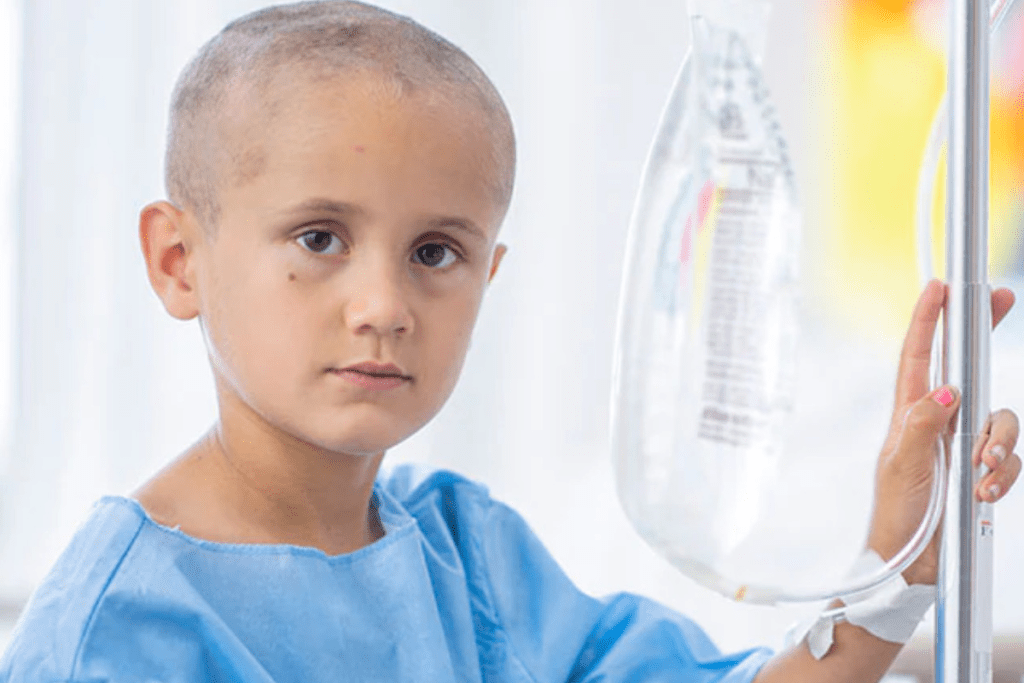
In countries with good healthcare, the five-year survival rate for ALL in kids is about 90%. This shows how vital top-notch care and treatments are.
Key Takeaways
- Pediatric leukemia, mainly ALL, has a high cure rate in developed countries.
- The overall five-year survival rate for children with ALL is approximately 90%.
- Access to innovative treatments and protocols is key to better results.
- Groups pushing for the latest treatment standards are very important.
- Keeping up with research and progress is essential for keeping cure rates high.
The Landscape of Childhood Leukemia
Childhood leukemia is a cancer that affects the blood and bone marrow. It’s the spongy tissue inside bones where blood cells are made. We’ll look into its definition, incidence, and types to understand it better.
Definition and Blood Cell Development
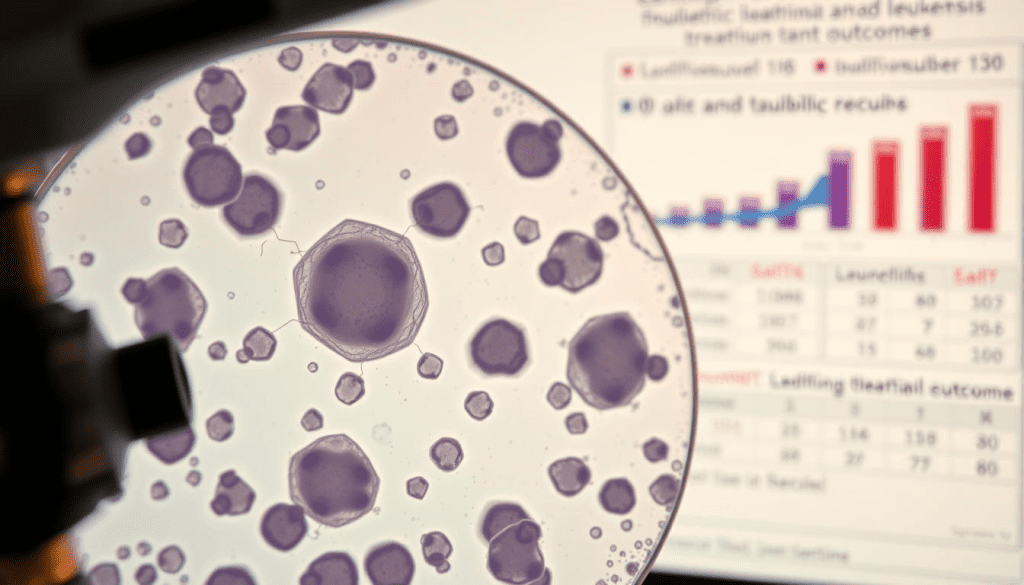
Childhood leukemia is a cancer that affects the blood and bone marrow. The bone marrow is where blood cells are made. In leukemia, this process is disrupted, leading to abnormal white blood cells.
Incidence Rates in the United States
Leukemia is the most common cancer in children, according to the National Cancer Institute. In the United States, about 4,800 new cases are diagnosed each year. Most of these cases are acute lymphoblastic leukemia (ALL), making up about 80% of diagnoses.
Most Common Types in Children
The most common type of leukemia in children is Acute Lymphoblastic Leukemia (ALL). It makes up about 80% of cases. Acute Myeloid Leukemia (AML) is less common in children but is more common in adults.
- Acute Lymphoblastic Leukemia (ALL): The most common type, characterized by the rapid production of immature lymphocytes.
- Acute Myeloid Leukemia (AML): A less common type in children, involving the rapid growth of myeloid cells.
Remarkable Progress in Leukemia Survival Rate Over Decades
In the last few decades, doctors have made huge leaps in treating leukemia in kids. This progress shows how far we’ve come in medical research, treatment, and care.
Historical Survival Statistics
Years ago, getting leukemia was almost a death sentence. B, thanks to medical science, leukemia survival rates have soared. The 5-year survival rate for kids with leukemia has seen a big jump.
For example, the American Cancer Society reports a big leap in survival rates. Kids with Acute Lymphoblastic Leukemia (ALL) now have a 5-year survival rate of over 90%, up from about 80% in the 1980s.
“The progress in treating childhood leukemia is one of the most significant achievements in modern oncology,” said a leading oncologist. “We have moved from a era where survival was the exception to one where it is now the norm.”
The 60% Reduction in Death Rates
One key sign of progress is the big drop in death rates for kids with leukemia. There’s been a more than 60% reduction in mortality rates over recent years. This is thanks to better treatments, a deeper understanding of the disease, and improved care.
Today, over 84% of kids with leukemia survive at least 5 years after diagnosis. This shows the hard work of doctors to fight this tough disease.
As we keep pushing forward in leukemia research, it’s vital to keep up the pace. We must keep working to boost survival rates and improve life for patients.
Understanding Risk Classification in Pediatric Leukemia
Risk stratification is key in managing pediatric leukemia. It helps doctors sort patients into groups. This way, they can design treatments that work best. We’ll look at how this affects treatment success in kids with leukemia.
Low-Risk Patients: 95%+ Treatment Success
Low-risk kids with leukemia often see treatment success rates over 95%. They usually do well with standard treatments like chemotherapy. This shows how far medical science has come in treating these kids.
“The treatment of low-risk leukemia has become increasingly effective, giving hope to families,” said a top pediatric oncologist. His words highlight the progress in treating low-risk leukemia.
Average-Risk Patients: 90-95% Effectiveness
A lot of kids with leukemia fall into the average-risk category. Their treatment success rates are between 90% and 95%. While not as high as low-risk patients, it’s a good sign of how well treatments work.
Doctors use a mix of intense therapy and careful watching for average-risk patients. This approach aims to boost success while reducing side effects.
High-Risk Leukemia: Challenges and Outcomes
High-risk leukemia is tough to treat, with less favorable outcomes. But research and new treatments are helping improve survival rates.
High-risk patients often get more intense treatments, like stem cell transplants. While results can vary, there’s hope for better futures thanks to ongoing research.
Studies show that classifying leukemia by risk is vital for choosing the right treatment. Knowing a patient’s risk factors helps doctors make better decisions. This can lead to more effective treatments.
Factors Influencing Curability and Prognosis
Knowing what affects leukemia’s curability and prognosis is key to good treatment plans. For kids with leukemia, several important factors influence how well they do and how long they live.
Age at Diagnosis Impact
The age at which they get diagnosed matters a lot. Kids between 1 and 9 years old usually do better than infants or teens. Age helps doctors decide the best treatment and how likely a cure is.
Genetic and Molecular Markers
Genetic and molecular markers are very important for leukemia prognosis. Some genetic changes can make treatment more likely to work. For example, some genetic profiles mean a better chance of being cured, while others might need more intense treatment.
Initial Response to Treatment
How well a patient responds to treatment at first is also very important. Those who quickly get better after starting treatment usually do better than those who don’t. The first treatment phase is key to the whole treatment’s success.
These factors”age, genetic and molecular markers, and how well treatment works at first”really shape leukemia’s curability and prognosis in kids. By understanding and working with these factors, doctors can make treatment plans that fit each patient’s needs better.
Key Factors Influencing Prognosis:
- Age at Diagnosis: Children between 1 and 9 years old generally have a better prognosis.
- Genetic and Molecular Markers: Favorable genetic profiles improve prognosis, while high-risk features may require aggressive treatment.
- Initial Response to Treatment: Rapid remission is associated with a better prognosis.
By looking at these factors, we can get a better handle on the complex world of pediatric leukemia. This helps us create treatment plans that are more likely to help patients.
Standard Treatment Protocols for Childhood Leukemia
Childhood leukemia treatments aim to be effective yet gentle. They change as new research and trials come out.
Phases of ALL Treatment
Acute Lymphoblastic Leukemia (ALL) treatment in kids has several phases. Each phase has its own goal.
- Induction Phase: This first phase tries to get rid of leukemia cells in the bone marrow and blood.
- Consolidation Phase: Next, consolidation therapy aims to kill any leukemia cells left.
- Maintenance Phase: The last phase is maintenance therapy. It helps keep leukemia from coming back.
The National Cancer Network says pediatric ALL treatment combines chemotherapy, immunotherapy, and targeted therapy.
AML Treatment Approaches
Acute Myeloid Leukemia (AML) treatment in kids is more complex. It often includes intense chemotherapy.
- Induction Chemotherapy: This phase tries to kill leukemia cells and achieve remission.
- Consolidation Chemotherapy: High-dose chemotherapy is used to kill any leukemia cells left.
- Stem Cell Transplantation: Sometimes, a stem cell transplant is needed. It replaces damaged bone marrow with healthy cells.
Central Nervous System Prophylaxis
Preventing leukemia from spreading to the CNS is key to treating childhood leukemia. This is done through CNS prophylaxis.
It involves:
- Intrathecal Chemotherapy: Chemotherapy is given directly into the spinal fluid to fight leukemia in the CNS.
- High-Dose Systemic Chemotherapy: Some chemotherapy drugs can get past the blood-brain barrier. They help kill leukemia cells in the CNS.
By following these standard treatment protocols, we can greatly improve leukemia outcomes for kids.
Advanced Treatment Options Enhancing Cure Rates
New treatments have changed the outlook for kids with leukemia. These advanced treatments have greatly improved cure rates. Now, we have new therapies that help patients more.
Stem Cell Transplantation Indications
Stem cell transplantation is a key treatment for some kids with leukemia. It replaces bad bone marrow with healthy cells. This can come from the patient or a donor.
It’s used for:
- High-risk or relapsed leukemia
- Specific genetic markers indicating a poor prognosis
- Failure to achieve complete remission with initial chemotherapy
Stem cell transplantation offers a potentially curative option for these high-risk patients, providing a new chance at long-term survival.
Targeted Molecular Therapies
Targeted molecular therapies are a big step forward in treating leukemia. They target specific genetic flaws in leukemia cells. Examples include:
- Tyrosine kinase inhibitors (TKIs) for Philadelphia chromosome-positive ALL
- Monoclonal antibodies targeting specific leukemia cell surface antigens
These targeted therapies have shown significant promise in improving outcomes for patients with specific molecular subtypes of leukemia. They precisely target cancer cells, reducing harm to normal cells.
Radiation Therapy Applications
Radiation therapy is important for some kids with leukemia. It’s used less now because of better chemotherapy. But it’s used in certain cases, like:
- Central nervous system (CNS) involvement at diagnosis
- Testicular relapse
- As part of the conditioning regimen for stem cell transplantation
Modern radiation therapy techniques, such as intensity-modulated radiation therapy (IMRT), allow for more precise targeting of the tumor, minimizing exposure to surrounding healthy tissues.
These advanced treatments have greatly helped improve cure rates in pediatric leukemia. By tailoring treatment to each patient, we can get better results and reduce long-term side effects.
The Challenge of Relapse: When Leukemia Returns
Relapse is a big challenge in treating pediatric leukemia. It affects many children. Despite better treatments, leukemia coming back is a big threat.
About 15% of kids with leukemia see it come back. The rate changes based on the leukemia type and treatment. Knowing when and why it comes back helps find better treatments.
Relapse Rates and Patterns
Many things affect how often leukemia comes back in kids. These include the leukemia type, how well it first responds to treatment, and its genetic makeup. Early relapses are often harder to treat than late ones.
- Early Relapse: Happens soon after treatment starts. It’s usually harder to treat.
- Late Relapse: Occurs after a long time in remission. It might have a better chance of success.
Salvage Therapy Approaches
Salvage therapy tries to get leukemia into remission again. It includes:
- Intensive Chemotherapy: Uses strong chemotherapy to kill leukemia cells.
- Stem Cell Transplantation: A chance for a cure if a donor is found.
- Targeted Therapies: New treatments that target leukemia’s specific genetic flaws.
For the latest on research and treatments, check out the Children’s Cancer Organization. They work to improve leukemia care for kids.
Outcomes After Recurrence
Results for kids with leukemia that comes back vary a lot. They depend on when and where the leukemia comes back, and how well treatment works. Some kids get a second chance at long-term survival, but others face a tougher road.
We keep working to find better treatments for kids with leukemia that comes back. This means more research and clinical trials are needed.
Breakthrough Immunotherapies Revolutionizing Treatment
New hope is on the horizon for kids with leukemia thanks to immunotherapy. This treatment uses the body’s immune system to fight cancer. It’s showing great promise in treating leukemia in children.
CAR T-Cell Therapy Success
CAR T-cell therapy is a form of immunotherapy. It changes a patient’s T-cells to attack cancer. This personalized treatment has been a game-changer for kids with relapsed or refractory leukemia.
Studies show CAR T-cell therapy can lead to complete remission in many patients. Some reports show response rates up to 90%. Its ability to be tailored to each patient makes it a hopeful treatment for pediatric leukemia.
Bispecific Antibodies
Bispecific antibodies are another innovative treatment for pediatric leukemia. They bind to two targets at once, helping to destroy cancer cells. This approach is showing promising results in early trials.
Early trials of bispecific antibodies have shown promising results. Some patients have seen a significant drop in leukemia cells. This therapy might be a less toxic option compared to CAR T-cell therapy.
Immune Checkpoint Inhibitors
Immune checkpoint inhibitors are another strategy being explored. They help the immune system fight cancer more effectively. This is an early stage of research in pediatric leukemia.
While it’s early, preliminary data suggest immune checkpoint inhibitors could offer new treatment options. Researchers are working to find biomarkers to predict who will benefit most from this therapy.
In conclusion, immunotherapies like CAR T-cell therapy, bispecific antibodies, and immune checkpoint inhibitors are changing the game for pediatric leukemia. As research progresses, we can look forward to better outcomes and survival rates for these young patients.
Geographic and Socioeconomic Disparities in Survival
The fight against pediatric leukemia is complicated by many factors. These include where a child lives and their family’s financial situation. These elements greatly affect how well children with leukemia can be treated.
Developed vs. Developing Countries
Survival rates for kids with leukemia vary a lot between rich and poor countries. Rich countries have better healthcare, leading to more children surviving. Poor countries struggle with less access to care, fewer specialists, and not enough resources.
Research shows a big gap in survival chances. For example, a kid with leukemia in the U.S. has over a 90% chance of living. But in some poor countries, that number drops to 20-30%.
Urban vs. Rural Treatment Access
Even in the same country, getting care can be harder for kids in rural areas. They face long trips to hospitals and fewer local doctors.
- Limited Access to Specialized Care: Rural areas often lack pediatric oncology specialists and advanced treatment facilities.
- Transportation Barriers: Long distances to treatment centers can deter families from seeking or continuing treatment.
- Economic Burden: The cost of travel and accommodation for treatment can be a significant financial strain on families.
Insurance and Financial Barriers
How much money a family has and their insurance also matter. Families without good insurance or enough money can’t afford leukemia treatment. This includes costs for medicines, hospital stays, and follow-up care.
- Lack of Insurance: Uninsured families may not be able to afford necessary treatments.
- Insufficient Coverage: Even with insurance, some families face high out-of-pocket expenses.
- Financial Assistance Programs: Various organizations offer financial aid to help alleviate the economic burden on families.
To improve survival rates for kids with leukemia, we need to tackle these issues. We must work on better healthcare, more access to care, and help with costs. This can greatly help children with leukemia.
Long-term Survivorship and Quality of Life
As pediatric leukemia treatment gets better, we focus more on long-term survival and quality of life. Surviving leukemia is a big win, but we also need to tackle the long-term challenges survivors face.
Late Effects of Treatment
Leukemia survivors might deal with late effects from their treatment. These can be physical and health-related issues. Some common late effects include:
- Cardiovascular problems: Some chemotherapy and radiation can harm the heart.
- Secondary cancers: There’s a small chance of getting secondary cancers later in life.
- Endocrine disorders: Treatment can mess with hormone production, causing growth issues or thyroid problems.
Neurocognitive Outcomes
Leukemia treatment can affect the brain and thinking skills. Some survivors might struggle with:
- Memory and concentration: Some treatments can make it hard to remember things or focus.
- Learning disabilities: Kids might find it tough in school.
- Processing speed: It might take longer to understand information.
Psychosocial Well-being
The mental and social health of leukemia survivors is key to their long-term well-being. They might face emotional and social challenges, such as:
- Anxiety and depression: The trauma of cancer treatment can lead to mental health issues.
- Social reintegration: Survivors might find it hard to get back into school and social activities.
- Family dynamics: The experience can change family relationships and dynamics.
We stress the importance of full care and support for pediatric leukemia survivors. Understanding the late effects, brain and thinking issues, and mental and social health helps us provide better care and resources for them.
Clinical Trials Advancing Pediatric Leukemia Care
Clinical trials are changing how we treat pediatric leukemia, giving hope to patients and their families. These trials are key to improving care, thanks to new research and precision medicine. They show great promise.
Many trials are underway, looking into new treatments for pediatric leukemia. This research is moving the field forward, helping doctors give better care to their patients.
Current Promising Research
Research today is all about finding better, more targeted treatments for pediatric leukemia. Immunotherapies, like CAR T-cell therapy, are showing great results in trials. Other areas include new chemotherapies and using genetic profiling to choose treatments.
Precision Medicine Approaches
Precision medicine is key in treating pediatric leukemia, allowing for treatments tailored to each patient. By looking at a patient’s leukemia’s genetics and molecules, doctors can pick the best treatments. This also helps avoid bad side effects.
With precision medicine, doctors can also find the right treatments for high-risk patients. This can lead to better outcomes for those with tough-to-treat diseases.
Reduced Toxicity Protocols
Another important area is making treatments less toxic. These efforts aim to lessen the long-term side effects of treatment. This is vital for survivors’ quality of life.
By using targeted therapies and optimizing treatment plans, doctors can lower the risks of cardiac toxicity and secondary malignancies. This is critical for kids, who may live many years after being diagnosed.
In summary, clinical trials are essential in improving pediatric leukemia care. Current research and precision medicine are leading to better patient outcomes. As trials share their results, we can look forward to more progress in treating this disease.
Conclusion: The Promising Future of Pediatric Leukemia Treatment
We see a bright future in pediatric leukemia treatment. Research and new treatments are making a big difference. Studies show that more money for research will help kids live longer and better lives.
New therapies and technologies are giving us hope. We’re dedicated to top-notch healthcare for all patients, including those from abroad. By learning more about pediatric leukemia, we can make treatments better. This will help kids and their families a lot.
It’s key to keep supporting research and new treatments. This way, we can give kids with leukemia the best care. And we’ll keep making the future of leukemia treatment even brighter.
FAQ
Is pediatric leukemia curable?
Yes, pediatric leukemia is highly curable today. Modern treatments have greatly improved. The cure rate for acute lymphoblastic leukemia (ALL) has seen a big jump over the years.
What are the survival rates for childhood leukemia?
Children with ALL have a 5-year survival rate of over 90% in developed countries. For acute myeloid leukemia (AML), the rate is about 60-70%. These numbers have gone up a lot thanks to better treatments.
How does risk classification affect treatment outcomes in pediatric leukemia?
Risk level is very important in treatment planning. Low-risk patients have a success rate of over 95%. But high-risk patients face tougher challenges with lower survival rates.
What factors influence the prognosis of pediatric leukemia?
Several things affect how well a child will do. These include age, genetic markers, and how well they respond to treatment. Younger kids and those with certain genetic markers usually do better.
What are the standard treatment protocols for childhood leukemia?
Treatments for ALL include several phases: induction, consolidation, and maintenance. AML treatment often includes strong chemotherapy and sometimes stem cell transplantation.
What advanced treatment options are available for pediatric leukemia?
New treatments include stem cell transplantation, targeted therapies, and CAR T-cell therapy. These options have shown great promise, helping more patients, even those at high risk or who have relapsed.
How common is relapse in pediatric leukemia, and what are the outcomes?
About 15-20% of patients experience relapse. While treatment can work, outcomes vary. This depends on when and where the relapse happens.
What are the late effects of leukemia treatment in children?
Survivors might face issues like brain problems, secondary cancers, and organ damage. It’s vital to have long-term care to manage these effects.
How do socioeconomic factors impact survival rates for pediatric leukemia?
Access to care, insurance, and social status can greatly affect survival. Patients in poorer countries or from lower-income backgrounds often face worse outcomes.
What role do clinical trials play in advancing pediatric leukemia care?
Clinical trials are finding new treatments and improving existing ones. They have greatly helped increase cure rates and improve life quality for kids with leukemia.
What is the significance of long-term survivorship care for pediatric leukemia patients?
Long-term care is critical for managing late effects and supporting psychosocial health. It helps survivors deal with life after treatment.
Can leukemia be cured with immunotherapy alone?
Immunotherapy is very promising, but it is usually used with other treatments. It often targets remaining disease or relapse.
How has the survival rate for acute myeloid leukemia (AML) improved over time?
Survival for AML has greatly improved, though it’s lower than for ALL. Better chemotherapy, stem cell transplants, and targeted therapies have helped a lot.
References
- American Cancer Society. (2025). Prognostic factors and survival rates for childhood leukemia.https://www.cancer.org/cancer/types/leukemia-in-children/detection-diagnosis-staging/survival-rates.html
- American Society of Clinical Oncology. (2023). CAR T-cells for cure in pediatric B-ALL. Journal of Clinical Oncology, 41(4), 1-10.https://ascopubs.org/doi/10.1200/JCO.22.02345
- Our World in Data. (2025). Childhood leukemia: How a deadly cancer became treatable.https://ourworldindata.org/childhood-leukemia-treatment-history
- National Cancer Institute. (2024). Advances in leukemia research.https://www.cancer.gov/types/leukemia/research
- Karimi, M., et al. (2002). An analysis of prognostic factors and the five-year survival rate in childhood acute lymphoblastic leukemia. Medical Science Monitor, 8(12), 792-796.https://www.researchgate.net/publication/10972593_An_analysis_of_prognostic_factors_and_the_five-year_survival_rate_in_childhood_acute_lymphoblastic_leukemia