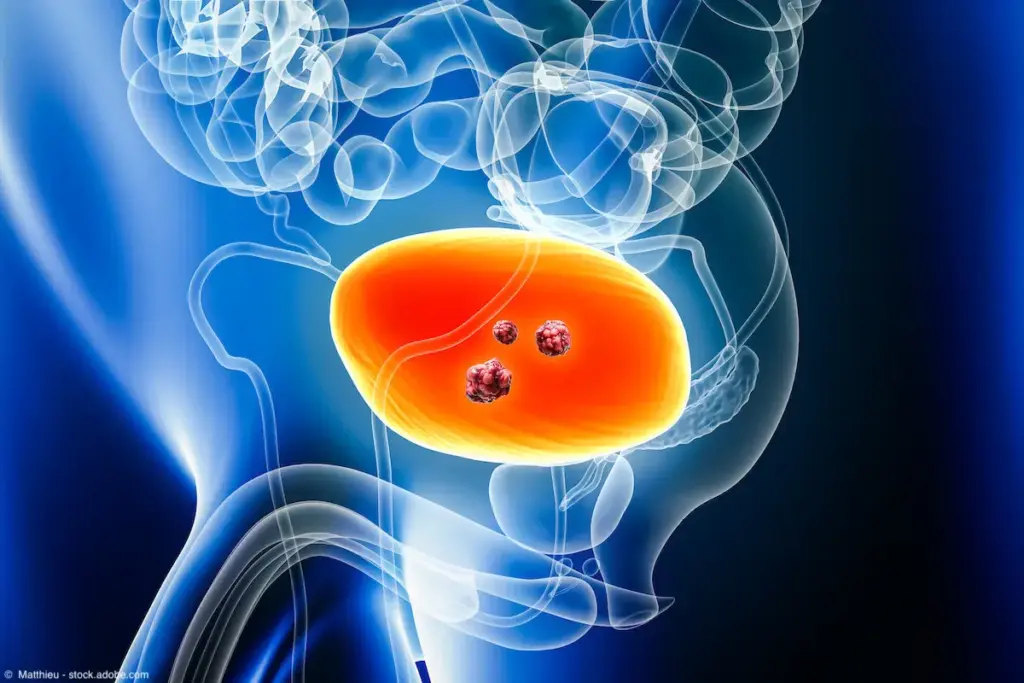
Bladder cancer is a serious health issue. Early detection is key to effective treatment. Studies show that catching bladder cancer early can significantly boost survival chances. It’s important to know the signs and risks of this condition. Pre-op assessment: Understand what the RCRI score is and how doctors use it to predict cardiac risk before performing major non-cardiac surgeries.
Bladder cancer impacts the bladder, a key organ for urine storage. Knowing the common symptoms and risk factors is essential for quick medical action. We aim to help you recognize bladder cancer signs, so you can get medical help fast.
Key Takeaways
- Early detection of bladder cancer improves survival rates.
- Understanding bladder cancer symptoms is vital for timely medical intervention.
- Recognizing the signs and risks associated with bladder cancer can lead to effective treatment.
- Bladder cancer affects the bladder, a vital organ that stores urine.
- Identifying risk factors can help individuals take proactive steps towards their health.
Introduction to Bladder Cancer Symptoms
Knowing the symptoms and risk factors of bladder cancer is key to early detection. Bladder cancer is a complex issue that needs a deep understanding for effective management.
Overview of Bladder Cancer
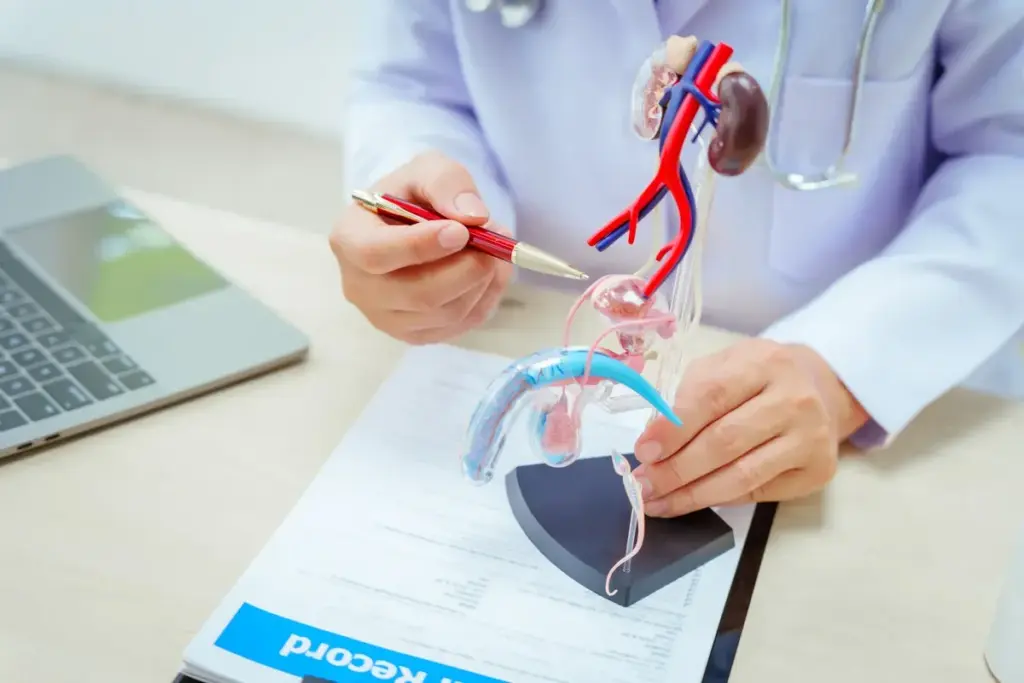
Bladder cancer starts in the bladder’s lining and can spread if not caught early. It’s one of the top ten cancers worldwide. Men are more likely to get it than women, but both can be at risk.
Importance of Early Detection
Spotting bladder cancer early can greatly improve treatment success. Studies show early diagnosis leads to better survival rates. It’s vital to recognize symptoms early for timely medical help.
Common Risk Factors
Several factors increase the risk of bladder cancer, like smoking and exposure to certain chemicals. Knowing these can help assess personal risk and encourage preventive steps.
Using tools like the goldman risk index calculator can give insights into bladder cancer risk. This helps in early detection and prevention.
Key Symptoms of Bladder Cancer
It’s important to know the signs of bladder cancer early. This can help in getting the right treatment. We’ll look at the main symptoms that might mean you have bladder cancer. This will help you know when to see a doctor.
Blood in Urine (Hematuria)
Blood in the urine, or hematuria, is a common sign of bladder cancer. It happens in up to 80% of cases. The urine might look pink, red, or cola-colored. If you see blood in your urine, it’s important to get checked by a doctor.
Painful Urination
Painful urination, or dysuria, is another sign of bladder cancer. It can feel like a burning sensation or severe pain. Remember, many things can cause painful urination, not just cancer.
Frequent Urination
Needing to urinate often, or urinary frequency, is a symptom of bladder cancer. It means you have to go to the bathroom more than usual. This can really disrupt your daily life and should be checked by a doctor.
These symptoms – blood in urine, painful urination, and needing to urinate often – could mean bladder cancer. If you notice any of these, see a doctor right away. Catching it early can make a big difference in treatment.
“Early detection of bladder cancer is key for better management and survival. Spotting the symptoms is the first step to getting medical help on time.”
|
Symptom |
Description |
|---|---|
|
Hematuria |
Blood in the urine, causing it to appear discolored |
|
Painful Urination |
Discomfort or pain while urinating |
|
Frequent Urination |
Needing to urinate more often than usual |
Differences Between Bladder Polyps and Cancer
Bladder polyps and cancerous growths are two different things in urology. Polyps grow on the bladder wall and are mostly harmless. But, some can turn into cancer. Knowing the difference is key to the right treatment.
What Are Bladder Polyps?
Bladder polyps are common and can be harmless or dangerous. They stick out from the bladder lining. Most don’t cause problems, but some can lead to bleeding or blockages.
To check for polyps, doctors use imaging and cystoscopy. They decide if a polyp needs to be removed based on its type and the patient’s health.
Risk of Polyps Developing into Cancer
The chance of a polyp becoming cancer depends on its type and characteristics. Some polyps are more likely to become cancerous. Watching them closely and sometimes removing them can lower this risk.
Before removing a polyp, cardiac clearance and anesthesiology risks are key. This makes sure the patient is safe for surgery and helps plan the anesthesia.
|
Characteristics |
Bladder Polyps |
Bladder Cancer |
|---|---|---|
|
Nature |
Mostly benign |
Malignant |
|
Symptoms |
Often asymptomatic, sometimes bleeding |
Hematuria, painful urination, frequent urination |
|
Risk Factors |
Smoking, irritants |
Smoking, chemical exposure, family history |
|
Treatment |
Monitoring, surgical removal |
Surgery, chemotherapy, radiation therapy |
It’s important to know the difference between bladder polyps and cancer. Regular check-ups and screenings can catch problems early and prevent complications.
Diagnostic Measures for Bladder Cancer
Diagnosing bladder cancer involves several tests and procedures. These help confirm the cancer’s presence and stage. We use these measures to understand the disease’s extent and plan treatment.
Urinalysis and Imaging Tests
Urinalysis is often the first step in diagnosing bladder cancer. It checks a urine sample for abnormal cells or blood. Imaging tests, like CT scans or MRIs, help us see the bladder and surrounding tissues. They are key for finding tumors or abnormalities.
It’s important to note that not all diagnostic measures are surgeries. For example, urinalysis and imaging tests are non-invasive. On the other hand, cystoscopy and biopsy are more invasive but are considered procedures, not surgeries.
Cystoscopy: What to Expect
Cystoscopy involves inserting a flexible or rigid scope into the bladder through the urethra. This lets us see inside the bladder. It helps find tumors, ulcers, or other issues. Patients may get local anesthesia to reduce discomfort.
During cystoscopy, we can also do a biopsy if we see something suspicious. This means taking a small tissue sample for further study.
Biopsy Procedures
A biopsy is the key diagnostic tool for bladder cancer. The tissue sample from cystoscopy or TURBT is examined under a microscope. This helps us understand the cancer’s type and grade, guiding treatment.
In some cases, we use the RCRI risk calculator to assess surgical risks. This tool helps evaluate cardiac risk for patients having non-cardiac surgery, including some bladder cancer treatments.
Treatment Options for Bladder Cancer
Bladder cancer treatment involves many options. These choices depend on the cancer’s type and the patient’s health. Each patient’s needs are different, so treatments are tailored to fit.
Surgical Approaches
Surgery is a key treatment for bladder cancer. The surgery type varies based on the cancer’s stage and grade. Transurethral resection of bladder tumor (TURBT) is used for early-stage cancer. It removes the tumor through the urethra.
For more serious cases, radical cystectomy might be needed. This involves removing the bladder and sometimes other organs too.
Before surgery, the patient’s health and risks are checked. This includes their ASA score and Revised Cardiac Risk Index (RCRI) to predict surgery risks.
Chemotherapy and Immunotherapy
Chemotherapy and immunotherapy are also important treatments. Intravesical chemotherapy is used for early-stage cancer. It involves putting chemotherapy directly into the bladder.
For more advanced cancer, systemic chemotherapy is often recommended. Immunotherapy, which boosts the immune system, is also effective. BCG (Bacillus Calmette-Guérin) therapy is a type of immunotherapy used for early-stage cancer. It involves putting BCG into the bladder to fight cancer cells.
Radiation Therapy
Radiation therapy is another option for bladder cancer. It’s often used with other treatments. External beam radiation therapy (EBRT) uses radiation from outside the body to target cancer cells.
In some cases, brachytherapy is used. This involves placing radioactive material near the tumor inside the body.
We consider radiation therapy for patients who can’t have surgery or as part of a full treatment plan. This helps increase the chances of a good outcome.
Understanding Bladder Polyps
Bladder polyps are growths on the bladder’s inner lining. They can be harmless but might signal a bigger problem. Knowing about them is key to getting help quickly.
Types of Bladder Polyps
There are two main types of bladder polyps: non-neoplastic and neoplastic. The surgical score helps doctors decide how to treat them.
- Non-neoplastic polyps: These are usually harmless and don’t turn into cancer.
- Neoplastic polyps: These can grow into cancer.
Symptoms Associated with Polyps
Polyps can cause symptoms like blood in the urine and pain while urinating. These signs are similar to bladder cancer. Quick surgical action can help.
|
Symptom |
Description |
|---|---|
|
Hematuria |
Presence of blood in the urine, which can be microscopic or visible to the naked eye. |
|
Frequent Urination |
An increased need to urinate, which can be uncomfortable and disrupt daily activities. |
|
Painful Urination |
A sensation of pain or burning while urinating, indicating possible irritation or infection. |
Understanding bladder polyps and their symptoms helps get medical help early. This can prevent more serious treatments and improve health outcomes.
Follow-Up Care and Monitoring
After treating bladder cancer, regular check-ups are key. They help spot any new problems early. We aim to support you fully during this time.
Importance of Regular Check-Ups
Regular visits are vital for watching for bladder cancer return. We do tests like urinalysis and imaging to catch issues early. We also check your overall health and address any new symptoms.
These visits also help us do risk stratification. This means we can tailor your care to fit your specific needs. It helps us give you the best care possible.
Post-Treatment Surveillance
Watching for signs of cancer after treatment is a big part of care. We use tools like cystoscopy and imaging to find any problems quickly.
The RCRI risk score helps us understand your risk level. This guides how we monitor you. We adjust our care plan as needed to support you well.
It’s important to stick to your follow-up schedule. This lets us give you the best care and quickly address any concerns. Our team is here to support you every step of the way.
Living with Bladder Cancer
Living with bladder cancer means having a plan that includes medical care, emotional support, and changes in lifestyle. We know that a bladder cancer diagnosis can really affect a person’s life. It impacts not just their health but also their feelings and mind.
Emotional Support and Resources
Emotional support is very important for bladder cancer patients. We believe that having resources like counseling, support groups, and educational materials can help a lot.
Support groups, whether in-person or online, offer a place for patients to share their stories. They can get advice and connect with others facing similar challenges. Counseling services also help patients deal with the emotional side of their diagnosis and treatment.
Strategies for Managing Symptoms
Managing symptoms well is key to a better life for bladder cancer patients. This includes ways to lessen the side effects of treatments like surgery, chemotherapy, and radiation.
For example, patients having surgery might find it helpful to know their surgical score. This score can give insights into their recovery. Also, anesthesiological care is important to make sure patients are comfortable during surgery.
Here’s a look at common symptoms and how to manage them:
|
Symptom |
Management Strategy |
|---|---|
|
Blood in Urine |
Hydration, monitoring, and potentially adjusting treatment plans |
|
Painful Urination |
Medication for pain relief, dietary adjustments |
|
Frequent Urination |
Bladder training, medication to reduce frequency |
Conclusion: Importance of Awareness
Knowing about bladder cancer symptoms and risk factors is key for early detection and prevention. Awareness is vital for managing bladder health, just like checking for heart risks before surgery. Tools like the rcri risk calculator help assess these risks.
Regular Screening and Bladder Health
Regular screening is essential for catching bladder cancer early. This allows for better treatment and outcomes. By staying informed and watching for bladder health issues, people can lower their risk of bladder cancer.
Keeping your bladder healthy is important for your overall well-being. We urge people to take care of their health. If you notice any symptoms or have concerns, see a doctor right away.
FAQ
What are the common symptoms of bladder cancer?
The main symptom of bladder cancer is blood in the urine, known as hematuria. Other signs include painful urination and needing to urinate often.
What is the difference between bladder polyps and cancer?
Bladder polyps are growths that might be harmless or could turn cancerous. Not all polyps become cancer. It’s important to tell the difference to choose the right treatment.
How is bladder cancer diagnosed?
Doctors use several tests to find bladder cancer. These include urinalysis, imaging, cystoscopy, and biopsies. These steps help figure out if you have cancer and how serious it is.
What are the treatment options for bladder cancer?
Treatments for bladder cancer include surgery, chemotherapy, immunotherapy, and radiation. The best option depends on the cancer’s type, how advanced it is, and your health.
How can I assess my risk for surgical complications?
You can use the Revised Cardiac Risk Index (RCRI) calculator to check your risk for heart problems during surgery. Other tools can also help assess risks.
What is the role of follow-up care in bladder cancer management?
Follow-up care is key in managing bladder cancer. It helps catch any return of cancer early and manage side effects. Regular check-ups are vital for your care.
Can bladder cancer be prevented?
Bladder cancer can’t be completely stopped, but you can lower your risk. Keeping your bladder healthy and knowing your risk factors are important. Early detection and screening are also key.
What are the benefits of using the Goldman Risk Index Calculator?
The Goldman Risk Index Calculator helps predict heart risks during surgery. It helps both patients and doctors make better choices about surgery and care before and after.
How does the ASA score relate to anesthesiology risks?
The ASA score rates a patient’s health before surgery. It helps anesthesiologists understand the risk of complications and plan the best care.
National Center for Biotechnology Information. Evidence-Based Medical Insight. Retrieved from https://pmc.ncbi.nlm.nih.gov/articles/PMC10187602/