

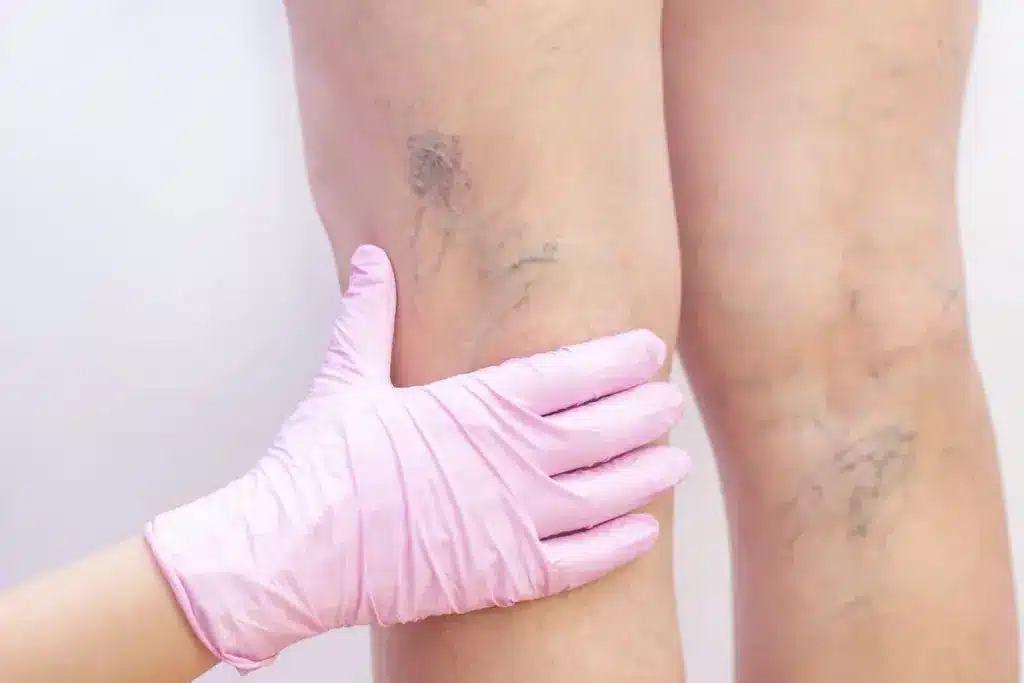
Feeling pain in your leg after vein ablation can be worrying. We know it can affect your recovery and how you feel. Vein ablation is a treatment for varicose veins. It uses heat to close off the vein.
Even though it works well, vein ablation can cause pain after. In this article, we’ll look at why leg pain happens, what you can expect during ablation recovery, and how to handle the pain.
Key Takeaways
- Leg pain is a common side effect after vein ablation.
- Understanding the causes of leg pain can help manage it.
- Effective pain management strategies are available for ablation recovery.
- Vein ablation is a procedure used to treat varicose veins.
- Proper care and guidance can minimize complications.
Understanding Vein Ablation Procedures

If you have varicose veins, knowing about vein ablation is key. This method, also called endovenous ablation, is a non-surgical way to treat varicose veins. It works by closing off the vein that’s causing problems.
Vein ablation is popular because it’s effective and has less downtime than old-school surgery. It uses heat to damage the vein wall, which then closes off.
What is vein ablation and how does it work?
Vein ablation starts with a thin catheter being put into the vein under ultrasound. The catheter then sends out energy that heats the vein wall. This makes the vein close off.
This redirects blood to healthier veins. It helps ease symptoms of varicose veins.
The main vein ablation methods are Endovenous Laser Ablation (EVLA) and Radiofrequency Ablation (RFA). EVLA uses laser heat, while RFA uses radiofrequency waves. Both are effective, but they differ in how much pain you might feel after.
Common types of vein ablation techniques
There are a few vein ablation techniques, but EVLA and RFA are the most used. Here’s what you need to know:
- Endovenous Laser Ablation (EVLA): Uses laser energy to heat the vein, causing it to close.
- Radiofrequency Ablation (RFA): Employs radiofrequency waves to achieve vein closure.
Both EVLA and RFA are good at treating varicose veins. Studies show they work well, with success rates between 90% to 98%. The choice between them depends on the doctor, your condition, and the veins’ anatomy.
Knowing about these procedures helps you get ready for treatment. It includes what pain you might feel and how long it takes to recover.
Normal Pain Expectations After Vein Ablation
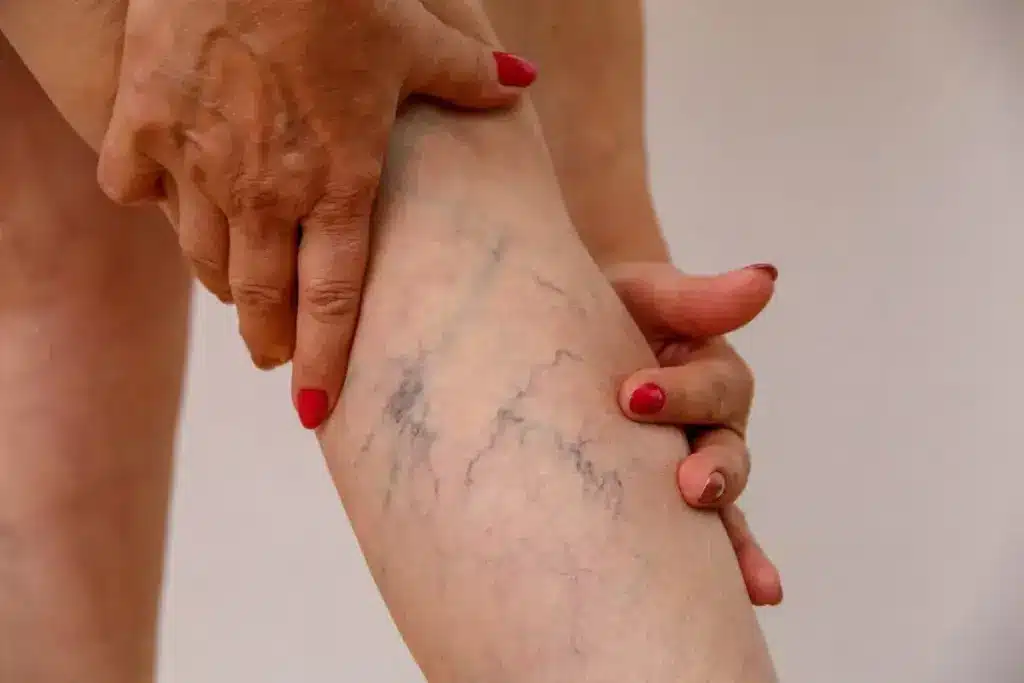
Vein ablation is a common treatment for varicose veins. Patients usually feel some pain after the procedure. Knowing what pain to expect can help with recovery.
Typical pain levels in the first 24-48 hours
In the first 24-48 hours, patients often feel moderate to severe pain. Studies show that EVLA patients have an average pain score of 7.97. RFA patients have a score of about 7.57 at 8 hours post-procedure. Pain is managed with medication and other relief methods.
To understand pain differences, let’s look at EVLA and RFA procedures.
Pain differences between EVLA and RFA procedures
EVLA and RFA are both effective for treating varicose veins. EVLA uses laser heat, while RFA uses radiofrequency energy. Research shows EVLA pain is slightly higher than RFA during the initial recovery.
|
Procedure |
Average Pain Score |
Method of Ablation |
|---|---|---|
|
EVLA |
7.97 |
Laser Heat |
|
RFA |
7.57 |
Radiofrequency Energy |
Knowing these differences helps patients and doctors choose the best treatment. It’s based on pain tolerance and other factors.
Why Pain Occurs Following Vein Ablation
Understanding why pain happens after vein ablation can ease patient worries. Pain is a big concern, and knowing why it happens helps manage recovery better.
Physiological Mechanisms of Post-Ablation Pain
Pain after vein ablation comes from how the body reacts to the treatment. The heat from the procedure can cause tissue inflammation, leading to pain. This is the body’s way of healing.
Nerves near the treated vein can also get irritated. This nerve irritation can cause pain or discomfort, adding to the overall pain after the procedure.
Tissue Inflammation and Nerve Irritation
The vein ablation process heats the vein, causing tissue inflammation around it. This inflammation is a big reason for pain after the procedure. Also, as the vein closes, it can irritate nearby nerves, making the pain worse.
It’s important to remember that these factors are part of the healing process. Knowing this can help patients deal with their recovery better.
By understanding the causes of post-ablation pain, we can manage it better. Our goal is to help patients recover well by understanding how their body reacts to vein ablation.
Hematoma Formation and Its Impact on Pain
Hematoma formation is a possible issue after vein ablation that can affect pain levels. A hematoma is when blood collects outside of blood vessels. This can happen when there’s bleeding into the tissue around the treated vein.
We know that a hematoma can cause more pain and discomfort. It’s important to know the signs of a hematoma and how to handle the pain.
How Hematomas Develop After Vein Ablation
Hematomas can occur after vein ablation due to bleeding into the tissue. Several factors can influence this risk, like the procedure technique and patient characteristics. Proper post-procedure care also plays a role.
Signs of hematoma formation may include:
- Swelling or bruising at the procedure site
- Increased pain or tenderness
- Warmth or redness around the area
- A palpable mass or lump
Managing Pain from Post-Procedure Hematomas
Managing pain from post-procedure hematomas involves monitoring the hematoma and using pain management strategies. Patients should follow their healthcare provider’s post-procedure care instructions. This may include applying compression, elevating the affected limb, and using pain relief medications as directed.
Effective pain management is key for comfort and a smooth recovery. Understanding signs of complications and having a pain management plan can help. This way, patients can lessen the impact of hematomas on their recovery.
It’s vital for patients to watch for signs of complications like increasing pain or swelling. If they notice any concerning symptoms, they should seek medical attention. This can help prevent further complications.
Factors That Influence Pain Severity
It’s important to know what affects pain after vein ablation. Pain levels can vary a lot between people. This is because of both personal and procedure-related factors.
Patient-specific Risk Factors
Personal health risks can greatly impact pain after vein ablation. Things like overall health, other health issues, and how well someone handles pain matter. For example, people with diabetes or who are overweight might feel more pain.
Procedural Factors Affecting Pain Outcomes
How the vein ablation is done and the doctor’s skill also play a big part. Different methods, like Endovenous Laser Ablation (EVLA) and Radiofrequency Ablation (RFA), can lead to different levels of pain. The doctor’s experience can also affect how much pain you feel during recovery.
Knowing these factors helps doctors create better plans for treatment and recovery. This can help lower pain and improve results for everyone.
Distinguishing Between Normal Discomfort and Concerning Pain
After vein ablation, knowing if your pain is normal or a problem is key. Recovery can be tough, but knowing what to expect helps a lot.
Expected Pain Patterns During Recovery
Pain after vein ablation usually follows a pattern. You might feel discomfort or pain in the treated area first. This pain often peaks in the first few days and can feel like a dull ache or tightness.
Most people find their pain gets better a lot in the first week. You might also see some bruising, swelling, or redness. These should get better on their own.
It’s important to watch your symptoms closely. Tracking your pain and other symptoms helps you know if you’re recovering right or if you need more help.
Warning Signs That Require Medical Attention
While some pain is okay, there are signs that mean you should see a doctor. If your pain gets worse, you have severe swelling or redness that spreads, or you have fever, chills, or discharge from the incision, get help. These could be signs of infection.
Also, watch for numbness, tingling, or a big change in your leg’s look. These are signs you should talk to your doctor. Being careful about these signs can help avoid problems and make recovery smoother.
Knowing the difference between normal pain and something serious helps you feel more confident during recovery. If you’re unsure about your symptoms, it’s always better to talk to your doctor.
Long-Term Side Effects of Vein Ablation
It’s important to know the long-term side effects of vein ablation. This helps manage what patients expect and get. Vein ablation is usually safe and works well, but some people might face ongoing issues.
Chronic Pain Incidence and Characteristics
Chronic pain is a possible long-term side effect for up to 15% of patients. It can come from nerve damage or ongoing inflammation. Chronic pain greatly affects a patient’s life, so it’s key to understand it well.
A study shows chronic pain rates vary. This depends on the procedure used and the patient’s health.
Nerve damage during the procedure often leads to chronic pain. This pain can feel like burning, tingling, or shooting. It can be treated with medicine or other methods.
Other Persistent Side Effects Beyond Pain
Other long-term side effects include skin discoloration, swelling, and telangiectasias (small, dilated blood vessels). These can be upsetting for patients and might need extra treatment. It’s vital to follow up to tackle these issues quickly.
Patients should know about these possible long-term side effects. Talking to their healthcare provider about any worries is important. This way, patients can make better choices about their treatment.
Pain Management Strategies After Vein Ablation
Managing pain well is key to a smooth recovery after vein ablation. We know that controlling pain after the procedure is vital. It helps patients get back to their usual activities quickly and without discomfort.
Medication Options for Post-Procedure Pain
There are many ways to handle pain after vein ablation. Over-the-counter pain relievers like acetaminophen or ibuprofen are often suggested. Sometimes, stronger prescription drugs are needed for more intense pain.
|
Medication Type |
Common Examples |
Usage |
|---|---|---|
|
Over-the-counter |
Acetaminophen, Ibuprofen |
For mild to moderate pain |
|
Prescription |
Stronger pain relievers |
For severe pain as directed by a physician |
Non-Pharmaceutical Approaches to Pain Relief
There are also non-medical ways to ease pain after vein ablation. Wearing compression stockings and keeping the affected limb up can help a lot. Also, gentle walking and avoiding hard activities aid in a smoother recovery.
When to Consider Additional Medical Intervention
Most people manage their pain with these methods. But, some might need more help. If pain doesn’t go away or gets worse, seeing your doctor is important. They can check things out and suggest more treatment if needed.
By using both medicines and non-medical methods, and knowing when to ask for more help, patients can manage their pain well. This way, they can have a successful recovery after vein ablation.
Recovery Timeline: When Will the Pain Subside?
Recovery after vein ablation varies, but a general outline helps set expectations. “The recovery process is not just about the procedure itself, but about how well you heal and recover afterwards,” says a leading vascular surgeon.
First Week After Vein Ablation
The first week is usually the most uncomfortable. Pain levels vary, but most feel some discomfort. Following your doctor’s post-procedure care instructions is key to avoid complications and ease pain. As the body heals, pain usually decreases a lot.
Rest and avoid hard activities. Light walking is recommended to keep blood flowing and prevent clots. Medication and compression stockings help manage pain during this time.
Weeks 2-4 of Recovery
By weeks 2-4, symptoms improve a lot. Pain lessens, and bruising and swelling go down. This is a time of gradual recovery where you can start doing more activities, but only with your doctor’s okay.
Keep an eye on your progress and report any odd symptoms to your doctor. Follow-up appointments are important to check on the vein’s closure and address any issues.
Long-term Pain Resolution Expectations
In the long run, most patients see their pain go away completely. Some feel better for months after. Sticking to post-procedure instructions and attending follow-ups is key for long-term success.
“The majority of our patients report a significant reduction in pain and improvement in their quality of life following vein ablation,” notes a specialist in vascular medicine.
Knowing the recovery timeline and what to expect can ease anxiety. By following the recovery plan and talking with your healthcare team, you can get the most out of vein ablation.
Advanced Pain Reduction Techniques in Modern Vein Ablation
Modern vein ablation now focuses on reducing pain, making treatments more comfortable. We keep improving in vascular treatments, adding new pain management methods. This helps patients get better results.
Femoral Nerve Blocks and Their Effectiveness
Femoral nerve blocks are a big step forward in pain reduction during vein ablation. They target the femoral nerve to lessen pain in the leg. Studies show that patients with these blocks feel less pain after the procedure and need less pain meds.
Research highlights how nerve blocks boost patient comfort. They offer pain relief without the side effects of oral meds. This makes recovery smoother and more comfortable for patients.
Emerging Protocols for Minimizing Post-Procedure Pain
New methods are being developed to reduce pain after vein ablation. These include personalized pain management plans and advanced pain meds. New techniques aim to cause less tissue damage during procedures.
These new approaches help cut down on opioid use, which is good for reducing opioid addiction. By combining non-medical and targeted pain relief, patients can feel better during recovery.
Quality and Safety Protocols in Vein Ablation Centers
The importance of quality and safety in vein ablation is huge. As medical tech gets better, it’s key for centers to keep up. This ensures patients are safe and get the best results.
Ensuring Optimal Outcomes
Top vein ablation centers focus on quality. They do this by:
- Training staff regularly on new techniques.
- Using the latest pain management methods.
- Following strict safety steps to lower risks.
This approach helps patients recover better and feel more satisfied.
Continuous Improvement in Pain Management
Improvement is vital for quality care. Vein ablation centers keep up by:
|
Improvement Area |
Description |
Benefit |
|---|---|---|
|
Regular Feedback |
Getting patient feedback to spot areas for betterment. |
Higher patient happiness. |
|
Staff Training |
Keeping staff updated on new pain management methods. |
Better pain control results. |
|
Protocol Updates |
Changing protocols based on new research and guidelines. |
Improved patient safety and results. |
By always looking to improve, centers stay at the top of quality care.
At our vein ablation centers, we aim for the highest care quality. We focus on ongoing improvement and the best results for our patients. This way, we ensure the best experience for everyone.
When to Seek Medical Attention for Post-Ablation Pain
Vein ablation is usually safe, but sometimes pain after it can mean a problem that needs quick help. Knowing when to get medical help is key to a smooth recovery.
Signs of Possible Complications That Need Immediate Care
Watch how your body reacts after vein ablation closely. Some signs might mean you have a complication, like:
- Increasing pain that doesn’t get better with medicine
- Swelling or redness around the treated area that gets worse
- Warmth or tenderness to the touch
- Visible signs of a blood clot, like a hard cord under the skin
- Fever over 100.4°F (38°C)
If you see any of these signs, call your doctor right away. Spotting problems early can stop them from getting worse.
Telling Normal Recovery from Complications
Telling normal pain after vein ablation from signs of trouble can be hard. Normal recovery usually means some pain that gets better over time. But, if you notice anything odd or getting worse, it’s safer to be cautious.
|
Symptom |
Normal Recovery |
Potential Complication |
|---|---|---|
|
Pain Level |
Mild to moderate, improving with time |
Severe, worsening, or not responding to pain medication |
|
Swelling |
Mild, decreasing over time |
Significant, increasing, or accompanied by redness and warmth |
|
Fever |
No fever or low-grade fever that resolves |
High fever (above 100.4°F or 38°C) |
Knowing these differences helps you get medical help when you need it. This ensures a safe and effective recovery from vein ablation.
Conclusion: Balancing Expectations and Outcomes
Vein ablation is a top choice for treating varicose veins, but it can cause pain after the procedure. Knowing why, what to expect, and how to manage pain is key for a smooth recovery. By setting realistic goals, patients can better handle their recovery.
It’s also vital to be aware of vein ablation’s long-term side effects. While most people get better quickly, some might face ongoing pain. Using advanced pain relief methods and full care can make a big difference in how well patients do.
At our institution, we aim to provide top-notch healthcare and support for patients from around the world. We use the newest vein ablation and pain management techniques. This helps patients get the best results and live better lives.
FAQ
What is vein ablation recovery time?
Recovery time from vein ablation varies. Most people can get back to normal in a few days to a week. But, it can take several weeks to fully recover.
What are the signs of a blood clot after vein ablation?
Signs of a blood clot include pain, swelling, redness, or warmth in the leg. If you notice these, get medical help right away.
How does vein ablation help circulation?
Vein ablation closes off bad veins. This reduces blood flow to the affected vein. Blood then goes to healthier veins.
What are the risks of vein ablation?
Risks include pain, bruising, swelling, infection, and nerve damage. Serious problems are rare but can happen.
Can I exercise after radiofrequency ablation?
Yes, you can exercise after radiofrequency ablation. But, avoid hard activities for a few days. Start normal activities slowly as your doctor advises.
What are the long-term side effects of vein ablation?
Long-term side effects are rare. They can include chronic pain, skin discoloration, or swelling. These are usually manageable.
How can I manage pain after vein ablation?
Manage pain with medicines, compression stockings, and elevating the leg. Also, try non-medical pain relief methods.
When should I seek medical attention for post-ablation pain?
Get medical help if pain, swelling, redness, or warmth in the leg gets worse. These could be signs of complications.
What is the difference between EVLA and RFA procedures?
EVLA uses laser heat, while RFA uses radiofrequency waves. Both treat varicose veins but have different pain levels after the procedure.
What are the common complications of vein ablation?
Common issues include pain, bruising, swelling, and nerve irritation. Serious problems are rare.
How effective is vein ablation in treating varicose veins?
Vein ablation is very effective. It greatly reduces symptoms and improves life quality for most patients.
National Center for Biotechnology Information. Evidence-Based Medical Insight. Retrieved from

























