
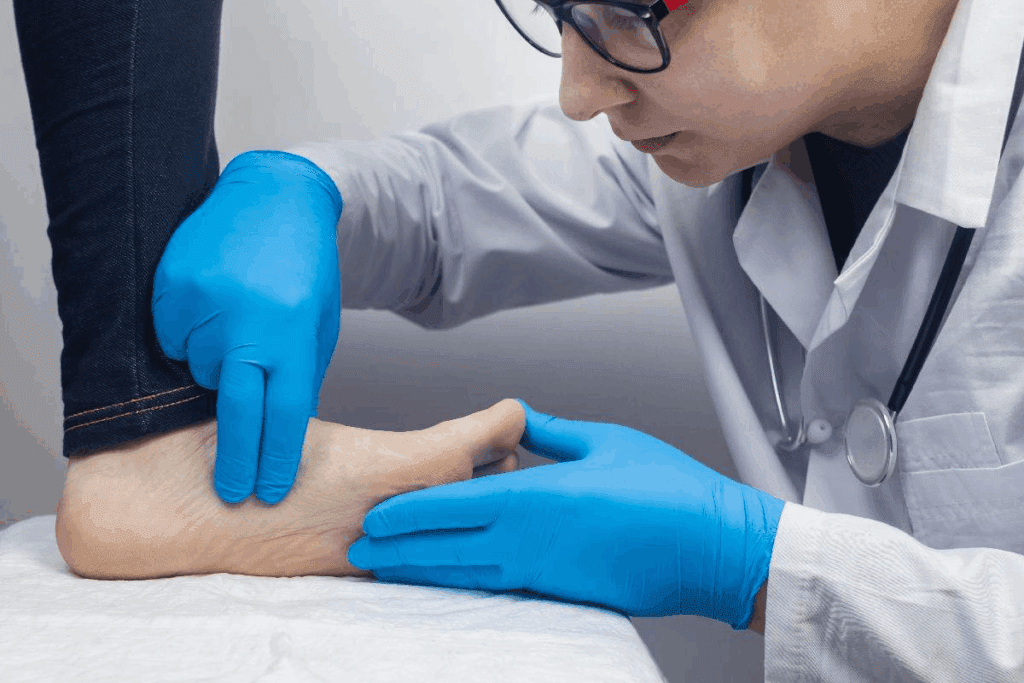
Did you know nearly 1 in 10 people will get bursitis at some point? Bursitis happens when the fluid-filled sacs around joints become inflamed. These sacs, called bursae, help joints move smoothly by reducing friction.
If bursitis isn’t treated, it can cause serious problems. Untreated bursitis complications may include chronic pain, limited mobility, and even permanent joint damage. We’ll look at the risks and long-term effects of bursitis to help you understand why timely treatment matters. Seeing a doctor early is key to avoiding theseuntreated bursitis complications and maintaining joint health.
Key Takeaways
- Bursitis is a common condition that affects the fluid-filled sacs around joints.
- Untreated bursitis can lead to chronic pain and limited mobility.
- Seeking medical attention is key to preventing long-term effects.
- Early treatment can greatly improve outcomes for bursitis patients.
- Knowing the risks of untreated bursitis is vital for managing it well.
Understanding Bursitis: A Brief Overview
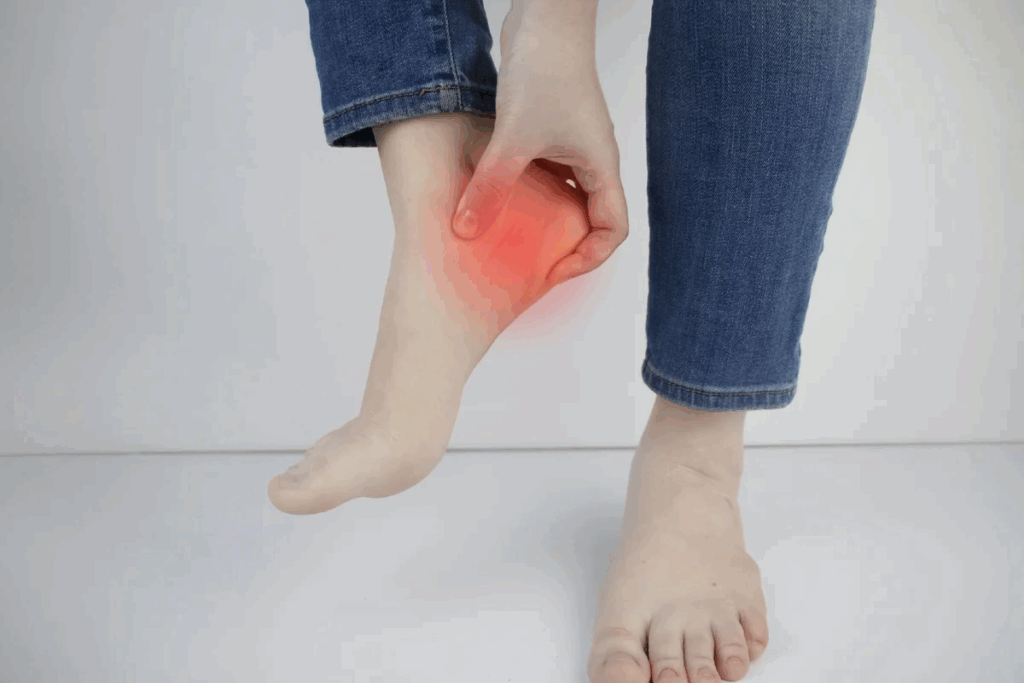
To understand bursitis, we need to know about bursae. Bursae are small, fluid-filled sacs. They reduce friction between bones, tendons, and muscles, making movement smooth.
What are bursae and their function
Bursae act as cushions. They reduce friction and allow for smooth movement between bones, tendons, and muscles. They are found in areas with a lot of movement or pressure.
The main job of bursae is to:
- Reduce friction between moving parts
- Cushion and protect sensitive tissues
- Facilitate smooth movement and flexibility
Common types and locations of bursitis
Bursitis can happen in different parts of the body. It often affects the:
| Location | Type of Bursitis | Common Causes |
| Shoulder | Subacromial bursitis | Repetitive motion, direct blow |
| Knee | Prepatellar bursitis | Kneeling, direct blow |
| Elbow | Olecranon bursitis | Direct blow, leaning on the elbow |
| Hip | Trochanteric bursitis | Running, cycling, direct blow |
| Ankle | Retrocalcaneal bursitis | Running, tight footwear |
Knowing the different types and locations of bursitis is key. It helps in diagnosing and treating it effectively. By understanding causes and symptoms, we can manage it better and avoid long-term problems.
Early Signs and Symptoms of Bursitis
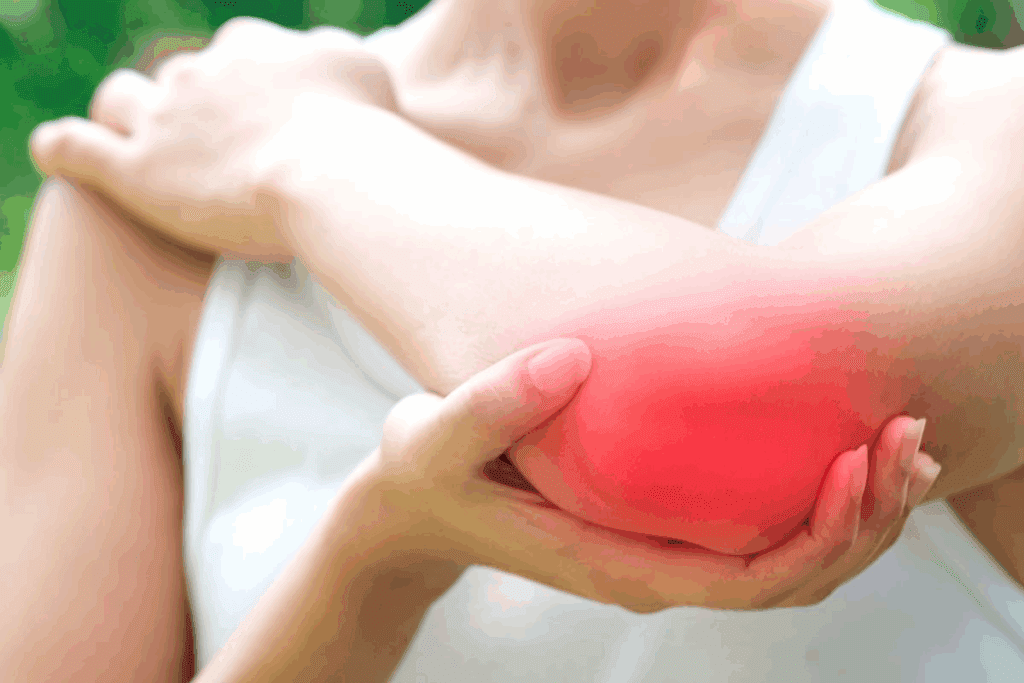
Knowing the first signs of bursitis is key to managing it well. Bursitis shows up in different ways, depending on where and how bad the inflammation is.
Initial Inflammation Indicators
The first signs of bursitis include pain in the affected joint when you move it. You might also see swelling, redness, and warmth to the touch. These signs mean the bursae are inflamed and irritated.
- Pain when moving the affected joint
- Swelling or redness around the joint
- Warmth or tenderness to the touch
Pain Patterns and Characteristics
The pain from bursitis can feel different. It might be constant or only hurt when you move the area. Knowing how the pain moves is important for figuring out if you have bursitis.
- Sharp pain during specific movements
- Aching or stiffness after periods of rest
- Increased pain when pressure is applied
Visual and Physical Changes
Bursitis also brings visual and physical changes. The area might swell, turn red, or feel warm. Sometimes, the skin looks inflamed or irritated.
Spotting these early signs is vital for getting help quickly. If you notice any of these, see a doctor right away. They can help figure out what’s wrong and how to treat it.
Normal Healing Timeline for Treated Bursitis
The healing process for bursitis, when treated effectively, typically follows a predictable timeline. Most people can recover from bursitis in a few weeks with the right treatment.
Expected Recovery with Proper Treatment
When bursitis is treated correctly, the body heals well. The first steps usually involve reducing inflammation and pain. Rest, ice, compression, and elevation (RICE) are often recommended to manage symptoms.
Anti-inflammatory medications help reduce swelling and pain. Sometimes, physical therapy is suggested to keep joints moving and muscles strong. This helps improve the healing process.
Treatment Approaches for Different Types of Bursitis
The treatment for bursitis depends on the type and severity. For example, septic bursitis needs antibiotics, while non-septic bursitis is treated with anti-inflammatory measures.
Here’s a look at different treatments and their expected recovery times in the table below:
| Treatment Approach | Type of Bursitis | Expected Recovery Time |
| RICE and Anti-Inflammatory Medications | Non-septic bursitis | 2-6 weeks |
| Antibiotics | Septic bursitis | Several weeks to a few months |
| Corticosteroid Injections | Chronic or severe non-septic bursitis | A variable often provides quick relief |
| Physical Therapy | All types, for rehabilitation | Ongoing, to prevent recurrence |
The table shows that recovery times vary based on treatment and bursitis type. It’s key to follow a healthcare professional’s advice for the best results.
Knowing about different treatments and their recovery times helps people plan their recovery from bursitis better.
Untreated Bursitis Complications: The Progressive Timeline
Untreated bursitis can lead to serious complications over time. The rate of progression varies based on the type of bursitis and individual health. It’s important to understand these risks.
First 1-2 Weeks Without Treatment
In the early stages, symptoms may seem minor. But ignoring treatment can cause more inflammation and pain. In the first 1-2 weeks, you might notice:
- Increased swelling and redness around the affected joint
- Heightened sensitivity to touch or movement
- Reduced range of motion due to pain and stiffness
1-3 Months of Persistent Inflammation
As bursitis progresses, inflammation becomes chronic, causing ongoing pain and reduced mobility. At this point, you may experience:
- Chronic pain that interferes with daily activities
- Visible deformity or swelling that becomes more pronounced
- Weakness in the surrounding muscles due to disuse
Here’s a summary of the possible complications at different stages:
| Stage | Symptoms | Complications |
| 1-2 weeks | Increased inflammation, pain, swelling | Reduced mobility, increased sensitivity |
| 1-3 months | Chronic pain, visible deformity, muscle weakness | Interference with daily activities, possible infection |
| 3+ months | Long-term pain, structural damage, and possible permanent deformity | Significant impact on quality of life, possible long-term disability |
Long-term Consequences (3+ Months)
Untreated bursitis for a long time can cause severe and lasting effects. You may face:
- Permanent damage to the joint and surrounding tissues
- Increased risk of developing chronic pain conditions
- Potential for secondary complications such as tendonitis or ligament damage
Seeking medical attention early is key to avoiding these complications and ensuring a quicker recovery.
Chronic Pain Development and Management Challenges
Turning acute pain into chronic pain in bursitis patients is complex. If acute pain isn’t treated well, it can keep going and become chronic. This greatly affects a patient’s quality.
How Acute Pain Transitions to Chronic Pain
Acute pain from bursitis is a first defense against inflammation. But if the cause isn’t fixed, pain signals can keep going. This can turn into chronic pain. The change in pain pathways and factors like pain tolerance play a big role.
Key factors contributing to the transition include:
- Inadequate treatment of the initial bursitis
- Persistent inflammation
- Nerve sensitization
- Psychological factors such as stress and anxiety
Pain Management Difficulties in Advanced Cases
Dealing with chronic pain from bursitis is tough. Advanced cases need a mix of treatments. This includes medicines and non-medical methods.
Effective pain management may involve:
- Medications like NSAIDs or corticosteroids can help cut inflammation
- Physical therapy to boost joint movement and strength
- Alternative therapies like acupuncture or mindfulness-based stress reduction
Pain management experts say, “A plan that covers both physical and mental pain is key for better results.”
Managing chronic pain is a long journey. It needs patience, effort, and teamwork between doctors and patients.
Joint Damage and Structural Changes
Bursitis not only causes pain but can also result in mobility loss and functional impairment, affecting daily activities and quality of life.
Cartilage Deterioration Risks
Untreated bursitis can harm the cartilage in your joints. Cartilage is key to cushioning and smooth movement. Without treatment, the inflammation can damage the cartilage, causing it to wear down.
This damage not only hurts but also makes the joint less functional. Cartilage deterioration can leave the joint without its protective layer. This makes it more prone to damage and could lead to osteoarthritis.
Bone Spurs and Other Structural Complications
Untreated bursitis can also cause bone spurs and other structural issues. Bone spurs are extra bone growths that try to fix the damage. But they can irritate and harm the surrounding tissues instead.
Other problems include:
- Joint deformity
- Reduced range of motion
- Increased risk of further injury
To show how untreated bursitis can change joints, here’s a table:
| Stage | Description | Potential Complications |
| Initial Inflammation | Bursitis causes swelling and pain in the affected joint. | Pain, reduced mobility |
| Cartilage Deterioration | Ongoing inflammation damages the cartilage. | Osteoarthritis, chronic pain |
| Bone Spur Formation | The body forms bone spurs in an attempt to repair damage. | Further irritation, joint deformity |
The table shows how untreated bursitis can lead to serious joint damage. It’s important to get medical help to avoid these problems.
Mobility Loss and Functional Impairment
Bursitis not only causes pain but can also result in mobility loss and functional impairment, affecting daily activities and quality of life. If not treated, it can make it hard to move and do daily tasks.
As bursitis gets worse, the range of motion becomes a big concern. The pain and swelling make joints stiff. This makes it hard to do simple things like get dressed or walk.
Range of Motion Limitations
Bursitis not only causes pain but can also result in mobility loss and functional impairment, affecting daily activities and quality of life.
Bursitis not only causes pain but can also result in mobility loss and functional impairment, affecting daily activities and quality of life.
Impact on Daily Activities and Independence
Bursitis can make daily tasks hard. Simple things like bathing or cooking become challenges. This affects not just the person with bursitis but also their family and caregivers.
Also, losing independence can lead to feelings of frustration, depression, or anxiety. It’s important to treat bursitis early to avoid these problems.
We know keeping independence is key to well-being. So, getting medical help for bursitis quickly is important. It helps avoid long-term mobility issues and keeps functional ability.
In conclusion, mobility loss and functional impairment from bursitis are serious concerns. Understanding the risks and acting early can help avoid these issues. This way, people can keep their independence and quality of life.
Muscle Weakness and Atrophy Concerns
Bursitis not only causes pain but can also result in mobility loss and functional impairment, affecting daily activities and quality of life. Important to understand how bursitis affects our muscles and movement.
Compensatory Movement Patterns
People with bursitis often change how they move to avoid pain. These changes might help in the short term, but can cause muscle imbalances. For example, hip bursitis might make someone change their walk, putting strain on other muscles and joints.
These changes can make some muscles work too hard, leading to fatigue and strain. It’s key to fix these patterns to avoid lasting damage.
Secondary Muscle Deterioration
Long-term changes in movement can weaken muscles. Overused or underused muscles lose strength and function. This can harm not just the area with bursitis but other parts of the body too.
| Muscle Group | Effect of Compensatory Patterns | Potential Long-term Consequences |
| Hip Flexors | Overuse due to an altered gait | Chronic strain, reduced mobility |
| Lower Back Muscles | Strain from compensating for hip pain | Lower back pain, decreased strength |
| Gluteal Muscles | Underuse due to reduced activity | Muscle atrophy, weakness |
It’s vital to understand these effects to create effective treatments. Treatments should not only fix the bursitis but also help maintain muscle strength and mobility.
Infection Risks: Septic Bursitis Development
Bursitis not only causes pain but can also result in mobility loss and functional impairment, affecting daily activities and quality of life.
Bursitis Infection: Understanding the Risks
Septic bursitis happens when the bursa gets infected, usually with bacteria. This can occur through a cut or wound in the skin over the bursa or through the bloodstream from another infected site. People with a weakened immune system, previous bursitis, and certain medical conditions like diabetes or rheumatoid arthritis are at higher risk.
Dangers of Systemic Infection
If septic bursitis is not treated, the infection can spread to other parts of the body. This can lead to systemic infection, or sepsis. Sepsis is a life-threatening condition that requires immediate medical attention.
The consequences of untreated septic bursitis can be severe. We outline some possible complications and their implications in the table below:
| Complication | Description | Potential Outcome |
| Sepsis | Systemic infection that can lead to organ failure | Life-threatening if not treated promptly |
| Chronic Pain | Ongoing pain due to persistent inflammation | Reduced quality of life |
| Joint Damage | Potential for irreversible damage to the joint | Permanent loss of joint function |
It is vital to seek medical attention if symptoms of bursitis worsen or if signs of infection appear. Early diagnosis and treatment can greatly improve outcomes and prevent serious complications.
Tendon and Ligament Complications
Bursitis can harm nearby tissues like tendons and ligaments if not treated. These are key for joint stability and movement.
Adjacent Tissue Damage
Bursae are close to tendons and ligaments. Inflammation can spread, causing pain and reduced mobility. This can also increase the risk of injury.
As tendon complications and ligament damage happen, daily activities become harder. People may struggle to do simple tasks.
Rupture and Tear Risks
Severe bursitis can weaken tendons and ligaments. This makes them more likely to rupture or tear. Such injuries can greatly affect mobility and quality of life.
It’s important to understand the risk of adjacent tissue damage. Treating bursitis early can prevent these problems. It helps keep tendons and ligaments strong around the affected joint.
Nerve Compression and Neurological Effects
Bursitis can lead to nerve compression, causing neurological effects. Untreated bursitis puts pressure on nerves, leading to symptoms.
Numbness, Tingling, and Weakness Patterns
Nerve compression from bursitis can cause numbness, tingling, and weakness. These symptoms can get worse if not treated.
For example, hip bursitis might cause numbness or tingling down the leg. Elbow bursitis can affect the forearm or hand. Knowing these patterns helps in diagnosing and treating bursitis.
Long-term Nerve Damage Possibilities
Untreated bursitis can cause long-term nerve damage. This can lead to persistent numbness, chronic pain, or permanent weakness.
The table below shows the neurological effects of untreated bursitis and the long-term risks.
| Symptom | Short-term Effect | Long-term Consequence |
| Numbness | Intermittent sensation loss | Permanent sensory loss |
| Tingling | Occasional tingling sensation | Chronic paresthesia |
| Weakness | Temporary muscle weakness | Permanent muscle atrophy |
Seek medical help if symptoms don’t go away or get worse. Early treatment can prevent long-term damage and improve outcomes for bursitis patients.
Permanent Deformity and Cosmetic Concerns
Bursitis not only causes pain but can also result in mobility loss and functional impairment, affecting daily activities and quality of life.
Visible Joint Changes
Untreated bursitis can make your joints look different. This is because of long-term inflammation. You might see swelling, redness, and even deformity.
The joint might get bigger or look off shape. This is not just about looks; it can also make the joint harder to move.
In some cases, the deformity can really limit how you move and cause ongoing pain. Seeing these changes can also deeply affect a person’s mind.
Psychological Impact of Physical Deformities
The mental effects of physical changes from untreated bursitis are significant. People might feel self-conscious about how they look. This can make them pull back from social events and lower their self-worth.
Healthcare providers need to treat the physical and mental sides of bursitis. Starting treatment early can stop both the physical and mental problems.
When Untreated Bursitis Requires Surgical Intervention
Untreated bursitis can lead to surgery if not treated. Bursitis can cause serious problems if ignored. We will look at when surgery is needed.
Indications for Emergency Treatment
Emergency treatment is needed for infected or severely inflamed bursitis. Septic bursitis is a serious infection that needs quick action. “Prompt treatment is key to stopping infection spread and avoiding long-term harm,” doctors say.
We will talk about emergency signs. These include a lot of pain, swelling, redness, and fever.
- Severe pain that interferes with daily activities
- Significant swelling or redness around the affected joint
- Fever or chills accompanying the bursitis symptoms
- Pus or discharge from the affected bursa
Surgical Procedures for Advanced Cases
Advanced bursitis may need surgery. Bursectomy, removing the inflamed bursa, is one option. We will look at different surgeries, including open and minimally invasive ones.
Untreated bursitis can lead to serious problems needing surgery. It’s important to get medical help early to avoid these issues.
Conclusion: The Importance of Early Bursitis Treatment
Early treatment of bursitis is key to avoiding long-term problems and achieving better results. We’ve looked at bursitis from start to finish, including its signs, symptoms, and possible complications if not treated.
Getting medical help quickly is vital to stop bursitis from getting worse. This helps avoid chronic pain, joint damage, and loss of mobility. Knowing how important early treatment is helps people get help fast, leading to a better recovery.
Good treatment for bursitis not only relieves symptoms but also stops complications. This lets people keep their independence and quality of life. We stress the need to see a doctor as soon as bursitis symptoms appear for the best results.
FAQ
What is bursitis, and how does it occur?
Bursitis is when the bursae, fluid-filled sacs, become inflamed. These sacs cushion joints and reduce friction. It can happen from repetitive motion, direct trauma, or infection.
What are the early signs and symptoms of bursitis?
Early signs include pain, swelling, and warmth around the joint. You might also feel limited mobility and stiffness.
How long does it take for bursitis to heal with proper treatment?
With the right treatment, bursitis can heal in a few weeks. Treatment includes rest, ice, compression, and elevation. Physical therapy and medication are also used.
What happens if bursitis is left untreated?
Bursitis not only causes pain but can also result in mobility loss and functional impairment, affecting daily activities and quality of life.
Bursitis not only causes pain but can also result in mobility loss and functional impairment, affecting daily activities and quality of life.
Yes, untreated bursitis can turn into septic bursitis. This is a serious condition that needs immediate medical attention.
How does bursitis affect mobility and daily activities?
Bursitis can limit your range of motion. This causes pain and stiffness, affecting your daily activities and independence.
Can bursitis cause muscle weakness and atrophy?
Yes, bursitis can lead to muscle deterioration. This results in muscle weakness and atrophy due to compensatory movement patterns.
What are the risks of chronic pain from bursitis?
Chronic pain from bursitis can be hard to manage. It may lead to long-term pain management challenges.
Bursitis not only causes pain but can also result in mobility loss and functional impairment, affecting daily activities and quality of life.
Yes, untreated bursitis can cause visible joint changes and permanent deformity. This can have a significant psychological impact.
When does untreated bursitis require surgical intervention?
Untreated bursitis may need surgery for severe joint damage, infection, or complications that don’t respond to conservative treatment.
What are the possible long-term consequences of untreated bursitis?
Untreated bursitis can lead to chronic pain, joint damage, and mobility loss. It also increases the risk of arthritis and other complications.
Bursitis not only causes pain but can also result in mobility loss and functional impairment, affecting daily activities and quality of life.
To prevent bursitis, avoid repetitive motion and wear protective gear. Maintaining a healthy weight is also important.
What are the treatment options for septic bursitis?
Treatment for septic bursitis includes antibiotics and draining the infected bursa. In some cases, surgery is needed.
References
- Aaron, D. L., Patel, A., Kayiaros, S., & Calfee, R. (2011). Four common types of bursitis: diagnosis and management. Journal of the American Academy of Orthopaedic Surgeons, *19*(6), 359–367. https://pubmed.ncbi.nlm.nih.gov/21628647/



 Departments
 Related Videos
 Our Doctors
 News
News