
Upper back pain is common, hitting many, mainly those who sit a lot. Studies show that adding stretching to your routine can cut upper back pain by 30% in just eight weeks.upper back pain from stretchingLeft Side Pain and Leg Pain: 8 Causes of Pain Radiating from Stomach to Back
Sitting for too long, bad posture, or not being flexible can make your upper back tight and sore. But, the right stretches can ease this pain and get you moving better. At Liv Hospital, we use top-notch, proven methods to help with upper back issues.
Key Takeaways
- Stretching exercises can alleviate upper back pain.
- Incorporating stretching routines can improve flexibility.
- Targeted stretches can restore mobility.
- Liv Hospital offers world-class upper back care.
- Evidence-based approaches can reduce upper back pain.
Understanding Upper Back Pain and Tension
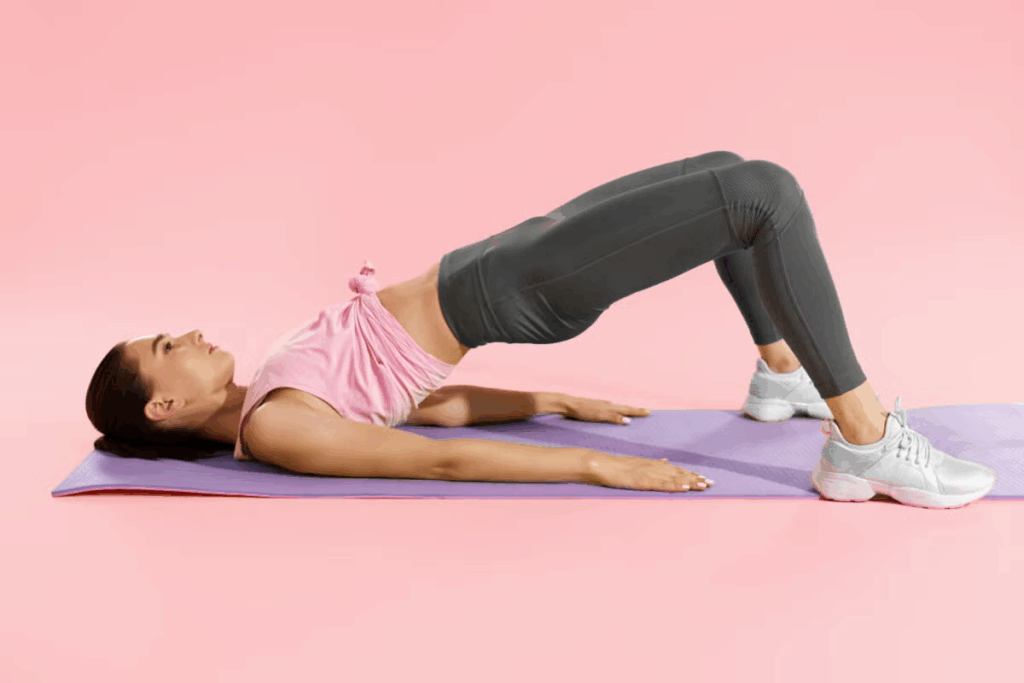
Knowing why upper back pain happens is key to feeling better. This pain, which can feel stiff and tight, can really get in the way of daily life. It affects how well you feel every day.
Common Causes of Upper Back Discomfort
Poor posture is a big reason for upper back pain. This happens when the muscles in front of you are stronger than those in back. This imbalance makes you lean forward, putting strain on your upper back.
Other reasons include:
- Muscle fatigue from overuse or repetitive strain
- A sedentary lifestyle weakening back muscles
- Poor working conditions, like bad ergonomic setups
The Impact of Sedentary Lifestyle on Upper Back Health
Being inactive can weaken the muscles that support your spine. Regular exercise, like stretching and strengthening, can help. Studies show that exercise can cut back pain risk by 33% if done often.
Doing both stretching and strengthening exercises 2 to 3 times a week works best. This mix improves your upper back’s flexibility and lessens pain.
Signs Your Upper Back Needs Attention
It’s important to know when your upper back needs help. Look out for these signs:
- Persistent pain or stiffness in the upper back region
- Difficulty maintaining good posture
- Reduced range of motion or flexibility
- Muscle tension or spasms
If you notice any of these, start doing regular stretching and strengthening exercises. This can help ease upper back tension and boost your spinal health.
The Science Behind Upper Back Pain from Stretching
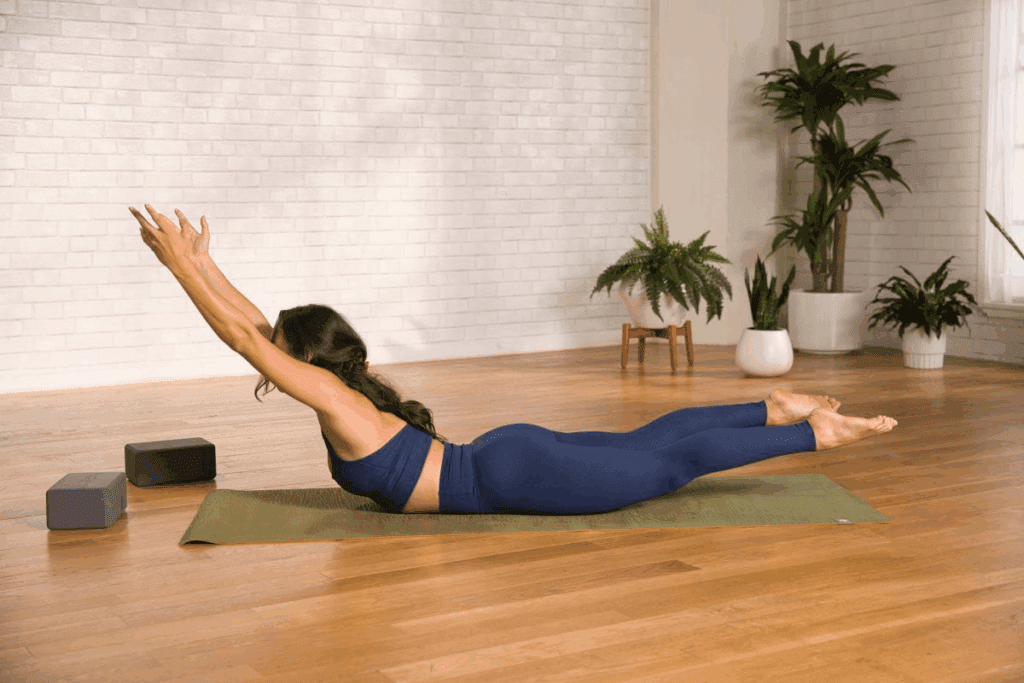
It’s important to know how stretching helps with upper back pain. Tight muscles in the neck, shoulders, and upper back can make daily life hard. This pain can really affect how well you live.
Studies show that stretching can really help with upper back pain. People who stretch regularly feel less pain and can move more easily. This is true for those with tight or weak muscles in the neck, shoulders, and upper back.
Research on Stretching and Pain Reduction
Many studies have looked into stretching and upper back pain. One key finding is that stretching can cut upper back pain by 30% in eight weeks. This shows stretching can be a big help in managing pain.
Stretching works by making muscles and tendons more flexible. It also helps you move better. Knowing how stretching helps us understand why it eases pain.
How Stretching Affects Muscle-Tendon Flexibility
Stretching is key for keeping muscles and tendons flexible. When they’re flexible, they don’t put as much strain on the upper back. Regular stretching can make muscles and tendons more flexible over time. This leads to less muscle tension and pain.
The Connection Between Range of Motion and Pain Relief
Range of motion is how far you can move a joint or joints. Stretching can improve this, making the upper back less stiff and painful. Stretching makes it easier to move, which helps reduce pain.
Stretching Benefit | Description | Impact on Upper Back Pain |
Improves Flexibility | Enhances muscle-tendon flexibility | Reduces muscle tension and pain |
Increases Range of Motion | Improves joint mobility | Decreases stiffness and discomfort |
Reduces Muscle Tension | Relaxes muscles | Alleviates pain and promotes relaxation |
Understanding upper back pain and how stretching helps is key. It lets people take steps to feel better and live better.
Preparing Safely for Your Stretching Routine
Before you start stretching, it’s important to get your body ready. This helps you get the most out of your stretches and keeps you safe from injury. There are a few key steps to follow to make sure you’re stretching right and safely.
Essential Equipment and Space Requirements
You’ll need some basic gear and a good place to stretch. A comfortable, non-slippery surface is key, and a good yoga mat can help. Make sure you have enough clear space around you to move without bumping into anything or anyone.
While not necessary, a foam roller or a stretching strap can be helpful for deeper stretches. But, they’re not needed for beginners.
Warm-Up Recommendations
Warming up is important to avoid injuries. Do 5 to 10 minutes of light cardio like walking or jogging to get your blood flowing. If you’re tight in a certain area, try moist heat for 15 to 20 minutes before stretching to loosen up your muscles.
When to Consult a Healthcare Professional
If you have pre-existing medical conditions like severe back pain or recent injuries, talk to a doctor before starting any new exercise. They can give you advice and make sure you’re stretching safely.
Common Mistakes to Avoid
One big mistake is stretching too aggressively without warming up, which can hurt your muscles. Another is not listening to your body; if you feel pain, stop right away. Also, poor posture while stretching can make it less effective and even cause harm.
Common Mistakes | Consequences | Prevention Tips |
Stretching too aggressively | Muscle strains, injury | Start slow, listen to your body |
Not warming up properly | Increased risk of injury | Engage in 5-10 minutes of light cardio |
Poor posture during stretching | Reduced effectiveness, potentially harmful | Maintain proper form, use aids if necessary |
Knowing these common mistakes and how to avoid them can help you stretch safely and effectively. This way, you can improve your upper back health without worrying about injury.
Beginner Upper Back Stretches
Start with these easy upper back stretches to get into a routine. They help improve flexibility and reduce tension.
Cat-Cow Stretch
The Cat-Cow stretch makes your spine more mobile. It’s a great way to start stretching.
How to Perform the Cat-Cow Stretch:
- Start on your hands and knees.
- Arch your back, lifting your tailbone and head towards the ceiling (Cat Pose).
- Then, round your back, tucking your chin to your chest and your tailbone towards the floor (Cow Pose).
- Repeat for 1-2 minutes.
Benefits | Tips |
Improves spinal flexibility | Move slowly and smoothly |
Reduces upper back tension | Keep your knees slightly bent |
Child’s Pose with Arm Extensions
Child’s Pose is a restful stretch for the upper back and shoulders. Adding arm extensions makes it even better.
How to Perform Child’s Pose with Arm Extensions:
- Kneel on the floor with your knees wide apart.
- Sit back onto your heels.
- Stretch your arms out in front, lowering your forehead to the ground.
- Hold for 2-3 minutes, extending your arms and stretching your upper back.
Benefits | Tips |
Stretches upper back and shoulders | Keep your arms straight |
Promotes relaxation | Breathe deeply and slowly |
Seated Upper Back Stretches
Seated upper back stretches help ease tension and boost flexibility. They’re perfect for those with tight schedules or who sit a lot.
Seated Twist Stretch
The Seated Twist Stretch is a simple yet effective way to ease upper back tension. Here’s how to do it:
- Sit comfortably with your feet flat on the floor.
- Twist your torso to one side, keeping your feet and hips facing forward.
- Place your hand on the outside of your knee to deepen the stretch.
- Hold for 30 seconds and repeat on the other side.
This stretch not only improves flexibility but also reduces stiffness in the upper back. Regular practice can lead to significant improvements in overall back health.
Seated Forward Fold with Clasped Hands
The Seated Forward Fold with Clasped Hands is another great stretch. Here’s how to do it:
- Sit with your legs extended in front of you.
- Clasp your hands together and stretch your arms out in front.
- Slowly fold forward, reaching as far as you comfortably can.
- Hold the position for 30 seconds.
This stretch helps in elongating the spine and relieving tension in the upper back muscles. It’s great for those who sit or work on computers a lot.
Stretch | Primary Benefit | Secondary Benefit |
Seated Twist Stretch | Improves flexibility | Reduces upper back tension |
Seated Forward Fold with Clasped Hands | Elongates the spine | Relieves upper back muscle tension |
“Stretching is not just about relieving tension; it’s about creating a more flexible and resilient body.”
— Fitness Expert
Adding these seated upper back stretches to your daily routine can greatly improve flexibility and reduce pain. Remember to do them regularly for the best results.
Standing Upper Back Stretches
Standing upper back stretches are key for better flexibility and less pain in the upper back. They’re great for anyone who sits a lot or has jobs that involve lifting heavy things.
Doorway Pectoral Stretch
The Doorway Pectoral Stretch is easy yet very effective. Stand in a doorway with your hands on the doorframe at shoulder height. Lean forward until you feel a stretch in your chest and upper back. Hold for 30 seconds and do it 3 times.
This stretch helps your posture and eases upper back tension. It targets the pectoral muscles, which get tight from sitting too much or bad posture.
Wall Angels
Wall Angels are a great standing stretch for the upper back. Stand with your back against a wall and feet shoulder-width apart. Bend your arms at 90 degrees and place them against the wall. Slowly slide them up and down, keeping elbows and hands on the wall. Do this 10-15 times.
Wall Angels strengthen the muscles between your shoulder blades. They also improve your posture, which can lessen upper back pain and boost flexibility.
Exercise | Benefits | Repetitions |
Doorway Pectoral Stretch | Improves posture, reduces upper back tension | 3 sets of 30 seconds |
Wall Angels | Strengthens muscles between shoulder blades, improves posture | 10-15 repetitions |
Advanced Upper Back Stretches and Releases
Advanced upper back stretches and releases help improve flexibility and reduce tension. They are great for those who have already mastered basic stretches. These exercises can further enhance your range of motion and reduce discomfort.
Exercise 7: Thread the Needle
The “Thread the Needle” exercise is a highly effective stretch for the upper back. It targets the rhomboids and upper trapezius muscles. Here’s how to do it:
- Start on your hands and knees, with your wrists under your shoulders and knees under your hips.
- Reach your right hand under your left arm, threading it through the space.
- Lower your right shoulder and head to the ground, stretching your upper back.
- Hold for 30 seconds and then repeat on the other side.
This exercise is great for improving flexibility and reducing tension in the upper back. It’s a fantastic addition to your stretching routine.
Exercise 8: Foam Roller Upper Back Release
Using a foam roller for upper back release is an excellent way to alleviate tension and improve flexibility. Here’s how to do it:
- Place the foam roller on the floor and lie on it, across your upper back.
- Support your head with your hands and cross your arms over your chest.
- Slowly roll the foam roller up and down your upper back, focusing on areas of tension.
- Continue for 3-5 minutes, breathing deeply to enhance the release.
This exercise is great for releasing deep-seated tension in the upper back muscles. It promotes relaxation and flexibility.
By adding these advanced upper back stretches and releases to your routine, you can greatly improve your upper back flexibility and reduce discomfort. Regular practice will lead to better range of motion and overall well-being.
Creating an Effective Upper Back Stretching Routine
An effective upper back stretching routine combines frequency, duration, and proper technique. This ensures optimal results. We need to consider several key factors for a personalized stretching plan.
Recommended Frequency and Duration
Stretch your upper back at least 3-4 times a week for best results. Daily routines are ideal if you’re feeling a lot of tension. Each session should last 10-15 minutes for a thorough stretch.
Here are some general guidelines to follow:
- Frequency: 3-4 times per week, or daily if needed
- Duration: 10-15 minutes per session
- Progression: Gradually increase frequency and duration as your flexibility improves
Combining Stretching with Strengthening Exercises
Combining stretching with strengthening exercises is key. Strengthening your upper back improves posture, reduces tension, and boosts back health.
Some effective strengthening exercises to consider include:
- Rows (using dumbbells or a resistance band)
- Scapular squeezes (sitting or standing)
- Lat pulldowns (using a cable machine)
Sample Weekly Routines for Different Goals
Depending on your goals and fitness level, tailor a weekly routine. It should include upper back stretches and strengthening exercises. Here are some examples:
- Relief from tension: Focus on gentle stretches 3-4 times a week, with 2-3 strengthening exercises 2 times a week
- Improved flexibility: Incorporate more dynamic stretches 4-5 times a week, with 3-4 strengthening exercises 3 times a week
- Enhanced athletic performance: Combine upper back stretches with strengthening exercises 5-6 times a week, focusing on exercises that mimic your sport or activity
Modifications for Different Fitness Levels
Modify your stretching routine based on your fitness level to avoid injury and ensure progress. Beginners should start with gentle stretches and gradually increase intensity. Advanced individuals should try more challenging stretches and exercises.
Some modifications to consider include:
- Beginners: Start with shorter sessions (5-7 minutes) and gradually increase duration
- Advanced: Incorporate more complex stretches and strengthening exercises, increasing frequency and duration as needed
Conclusion
Stretching is a simple yet effective way to alleviate upper back pain and improve flexibility. By incorporating the 8 essential upper back muscle exercises into your daily routine, you can experience significant benefits. These exercises for upper back pain are designed to target the muscles and improve range of motion.
Regular stretching can help reduce muscle tension and improve overall upper back health. Ways to stretch upper back effectively include the cat-cow stretch, child’s pose with arm extensions, and doorway pectoral stretch, among others. By combining these exercises with strengthening routines, you can achieve optimal results.
We recommend establishing a consistent stretching routine, ideally 2-3 times a week, to see noticeable improvements in upper back flexibility and reduced pain. By making stretching a habit, you can maintain a healthy upper back and enjoy a better quality of life.
FAQ
What are the most common causes of upper back pain?
Upper back pain often comes from bad posture, sitting too much, and strained muscles. We talk about these reasons in our section on Understanding Upper Back Pain and Tension.
How does stretching help alleviate upper back pain?
Stretching makes your muscles more flexible, reduces tension, and boosts your range of motion. This can help ease upper back pain. We explain the science behind it in our section on The Science Behind Upper Back Pain from Stretching.
What are some beginner-friendly upper back stretches?
Start with simple stretches like the Cat-Cow Stretch and Child’s Pose with arm extensions. They’re easy and gentle. You can find how-to instructions in our section on Beginner Upper Back Stretches.
How often should I stretch my upper back?
For best results, stretch your upper back daily, ideally 3-4 times a week. Our section on Creating an Effective Upper Back Stretching Routine offers more tips.
Can I stretch my upper back if I have a pre-existing medical condition?
Always talk to a healthcare professional before starting any new exercise, including stretching, if you have a medical condition. We discuss this in our section on Preparing Safely for Your Stretching Routine.
What are some common mistakes to avoid when stretching my upper back?
Avoid bouncing, forcing stretches, not warming up, and forgetting to breathe deeply. We cover these mistakes in our section on Preparing Safely for Your Stretching Routine.
Can strengthening exercises help with upper back pain?
Yes, combining stretching with strengthening can improve your upper back health and reduce pain. We talk about this in our section on Creating an Effective Upper Back Stretching Routine.
How long does it take to see results from upper back stretches?
Results vary, but with regular practice, many notice improvements in flexibility and pain relief in a few weeks. Our section on Creating an Effective Upper Back Stretching Routine offers sample routines and what to expect.
Are there any specific stretches for upper back pain relief?
Yes, stretches like the Seated Twist Stretch, Doorway Pectoral Stretch, and Thread the Needle are great for upper back pain. You can find step-by-step guides for these and more in our guide.
Can I modify upper back stretches to suit my fitness level?
Yes, many stretches can be adjusted for different fitness levels. Our section on Creating an Effective Upper Back Stretching Routine offers tips on making these adjustments.
References
World Health Organization. Evidence-Based Medical Guidance. Retrieved from https://www.who.int/publications/i/item/9789240015128