
Lung cancer can show up in many ways, and back pain is one of them. This pain might be a sign before other symptoms show up.
About 25% of lung cancer patients experience back pain. Knowing how lung cancer and back pain are linked is key for catching it early and treating it well.
Back pain from lung cancer usually hits certain spots. Spotting these patterns can help people get medical help fast.
Key Takeaways
- Lung cancer can cause back pain, often as an early symptom.
- Back pain affects approximately 25% of lung cancer patients.
- Understanding the areas of the back typically affected by lung cancer is vital.
- Prompt medical attention is key when back pain is unusual.
- Early lung cancer detection leads to better treatment and outcomes.
The Connection Between Lung Cancer and Back Pain
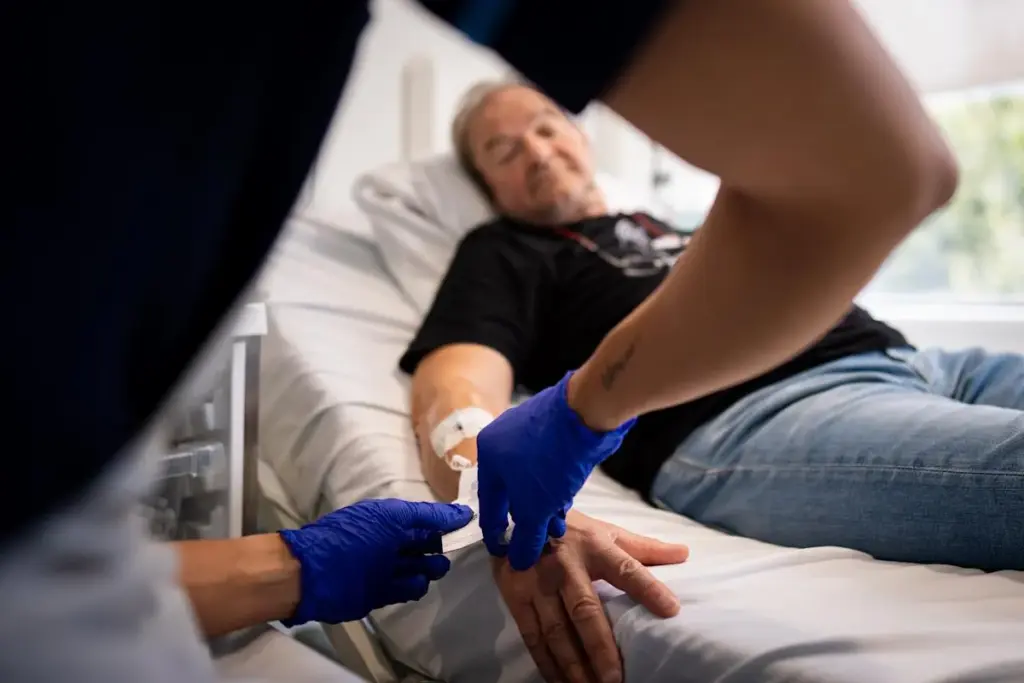
It’s important to know how lung cancer and back pain are linked. Back pain is a key symptom for many lung cancer patients. It can show if the disease is getting worse or spreading.
Prevalence of Back Pain in Lung Cancer Patients
Back pain is common in lung cancer patients, often when the cancer reaches the vertebrae. Research shows many lung cancer patients have back pain. This pain can come from the tumor pressing on nearby areas or from cancer spreading to bones and vertebrae.
Studies show back pain is a big symptom in lung cancer patients. For example, a study found about 40% of patients have back pain. This shows how important it is to pay attention to this symptom.
|
Study |
Prevalence of Back Pain |
|---|---|
|
Study A |
35% |
|
Study B |
42% |
|
Study C |
38% |
Back Pain as an Early Warning Sign
Back pain can be an early sign of lung cancer. Sometimes, it’s the first symptom that makes patients go to the doctor. It’s key to remember that back pain can have many causes. But if it’s ongoing or with other symptoms like coughing or trouble breathing, it could mean lung cancer.
For more on lung cancer and back pain, check out WebMD’s article.
We need to know the reasons for back pain and when it might be serious, like lung cancer. Finding and treating lung cancer early is key to managing the disease well.
Mechanisms of Back Pain in Lung Cancer

It’s important to understand how lung cancer causes back pain. This knowledge helps in managing and treating the condition. Lung cancer can lead to back pain in two main ways: through direct effects of the tumor and metastatic effects.
Direct Tumor Pressure on Surrounding Structures
Lung cancer can cause back pain by pressing on nearby tissues. As the tumor grows, it puts pressure on the spine, ribs, and nerves. This pressure can lead to pain in the back, which may get worse when you breathing deeply or coughing.
For example, when a tumor presses against the ribs or vertebrae, it can cause sharp pain. This pain may feel like it’s coming from the muscles. It can also hurt at the back when breathing or during inhalation, making deep breaths uncomfortable.
Metastasis to Bones and Vertebrae
Another way lung cancer causes back pain is through metastasis to bones and vertebrae. When lung cancer spreads to the bones, it can cause a lot of pain and discomfort. The spine is a common place for metastasis.
When cancer cells infiltrate the vertebrae, they can weaken the bone structure. This can lead to fractures or compressions. Such conditions can cause severe back pain, which may spread to other areas like the arms or legs. Patients may feel sore back when breathing or moving, affecting their quality of life.
Metastasis to the spine can also lead to spinal cord compression. This is a medical emergency that needs immediate attention. Recognizing the signs of spinal cord compression, such as sudden severe back pain, numbness, or weakness in the limbs, is key for timely intervention.
Upper Left Back Pain: A Possible Sign of Lung Cancer
Feeling pain in the upper left back can be scary. It might mean lung cancer, which is a serious issue. This pain could be a sign of lung cancer, if tumors have spread to the spine.
Anatomical Reasons for Upper Left Back Pain in Lung Cancer
Lung cancer can cause pain in the upper left back. This happens when tumors in the left lung’s upper lobe press on nerves or vertebrae. Also, when cancer spreads to the spine, it can cause fractures or press on nerves, leading to pain in the upper back.
Distinguishing Features of Cancer-Related Upper Left Back Pain
Pain from cancer in the upper left back is different. It usually doesn’t go away and can get worse. It might also come with other signs like losing weight, feeling tired, or having trouble breathing. Unlike regular back pain, this type doesn’t get better with rest or usual pain medicines.
|
Characteristics |
Common Upper Left Back Pain |
Cancer-Related Upper Left Back Pain |
|---|---|---|
|
Duration and Progression |
Often acute, may resolve with treatment |
Typically persistent, worsens over time |
|
Response to Treatment |
Usually improves with rest or pain relief measures |
May not respond to typical pain relief measures |
|
Associated Symptoms |
Usually limited to localized pain or stiffness |
Often accompanied by systemic symptoms like weight loss or fatigue |
Understanding lung cancer and back pain is complex. For more info, check out studies in medical journals, like the one here.
Causes of Upper Left Back Pain Beyond Lung Cancer
The upper left back area can hurt for many reasons. Lung cancer is a big worry, but it’s not the only cause. Knowing all the possible reasons is key to finding and treating the problem.
Common Non-Cancerous Causes
Many non-cancerous issues can cause upper left back pain. Musculoskeletal problems are common, like muscle strain from too much use or bad posture. Costochondritis, which is inflammation of the cartilage where ribs meet the sternum, is another cause. Other reasons include:
- Poor posture or muscle imbalances
- Herniated or bulging discs in the spine
- Osteoarthritis or degenerative disc disease
- Scoliosis or other spinal deformities
These problems can usually be treated with physical therapy, pain meds, and changes in how you live.
When to Suspect Something More Serious
Not all upper left back pain is harmless. Some pain could mean a serious problem. Knowing the red flags that mean you need to see a doctor is important. These include:
- Sudden onset of severe pain
- Pain that persists or gets worse over time
- Other symptoms like fever, weight loss, or problems with nerves
- History of trauma or recent injury
If you have any of these signs, seeing a doctor right away is vital. They can figure out what’s causing your pain.
Mid-Back Pain and Lung Cancer
Feeling pain in your mid-back can be scary. It’s important to know how it might be linked to lung cancer. This pain happens in the thoracic spine area, close to the lungs.
How Tumors Affect the Thoracic Spine
Lung cancer can cause mid-back pain. Tumors press on the spine, leading to pain. This is because the lungs are near the spine.
Tumors can harm the thoracic spine in several ways:
- Direct Invasion: Tumors can damage vertebrae, causing pain.
- Metastasis: Cancer can spread to bones, including vertebrae, leading to pain and fractures.
- Pressure on Nerves: Tumors can also press on nerves, causing pain in the mid-back.
Pain in Mid Back When Breathing
Pain in the mid back when you breathe is a serious symptom. It might be related to lung cancer, if the tumor is near the spine or pressing on nerves.
Here are some important points about this pain:
- Pain Characteristics: The pain can feel sharp, dull, or aching. It might get worse with deep breathing or movement.
- Associated Symptoms: You might also cough, have trouble breathing, or find it hard to swallow.
- Importance of Medical Evaluation: If you have persistent or severe mid-back pain, see a doctor right away.
It’s key to find out why you have mid-back pain. If you’re feeling pain when you breathe, talk to a healthcare professional. They can help figure out what’s causing it and find the right treatment.
Lower Back Pain in Lung Cancer Patients
It’s important to know how lower back pain is linked to lung cancer. For patients with lung cancer, back pain is a big issue. This pain often comes from cancer spreading to the lower back vertebrae.
Metastatic Spread to Lumbar Vertebrae
Lung cancer spreading to bones often hits the spine, including the lower back. This spread can cause lower back pain. The pain’s intensity and type can vary. It happens when the tumor presses on nerves and vertebrae.
When cancer spreads to the lower back vertebrae, it can lead to serious problems. These include vertebral fractures or spinal cord compression. It’s key to catch and manage this early to avoid these issues.
Differentiating Cancer-Related Lower Backache from Common Causes
Telling apart cancer-related back pain from usual back pain is vital for the right treatment. Common back pain usually stems from mechanical or musculoskeletal issues. But cancer pain has its own signs.
Here are some key differences:
- Duration and Progression: Cancer pain tends to get worse over time, even with rest or usual treatments.
- Pain Characteristics: Cancer pain is often constant and can come with other symptoms like weight loss, fatigue, or neurological problems.
- Response to Treatment: Usual back pain might get better with physical therapy or pain meds. But cancer pain might not.
|
Characteristics |
Common Lower Back Pain |
Cancer-Related Lower Back Pain |
|---|---|---|
|
Duration |
Often intermittent, related to activity |
Constant, progressive |
|
Pain Quality |
Ache, stiffness |
Persistent, severe, possibly radiating |
|
Response to Treatment |
Typically responds to conservative treatments |
May not respond to conventional pain management |
|
Associated Symptoms |
Usually none |
May include weight loss, fatigue, neurological symptoms |
Knowing these differences helps doctors make better choices for diagnosis and treatment. This can lead to better results for patients.
Pain Characteristics: How Back Pain from Lung Cancer Feels
Back pain from lung cancer can feel different for everyone. It’s important to know what it usually feels like. This knowledge helps doctors diagnose and treat the pain better.
Typical Pain Qualities and Patterns
Back pain from lung cancer can be dull, localized, or aching. It might spread to your limbs. The pain can be steady or come and go, feeling mild or very bad. Sometimes, moving or changing positions can make it worse, like pain in upper back when breathing.
A study found that lung cancer back pain is often a deep, aching feeling. It can be in the upper, middle, or lower back. This pain happens when the tumor presses on nearby tissues or spreads to bones and vertebrae.
“The pain associated with lung cancer can be quite varied, but it often presents as a persistent ache that doesn’t improve with rest.”
A medical expert on lung cancer symptoms
Pain Radiation to Limbs and Other Areas
The pain from lung cancer can also spread to other parts, like your limbs. This happens when the cancer reaches the spine or presses on nerves. For example, upper back and chest pain can happen together if the cancer affects both areas.
|
Pain Characteristic |
Description |
|---|---|
|
Dull, aching pain |
Often described as a deep, persistent ache |
|
Localized pain |
Can be confined to the upper, mid, or lower back |
|
Radiating pain |
May extend to the limbs or other areas |
|
Pain upon breathing |
Can be exacerbated by deep breathing or certain movements |
It’s key to know these pain signs to diagnose and manage lung cancer well. If you have ongoing back pain, and it’s with other symptoms like lungs and back hurt, see a doctor right away.
Upper Back and Chest Pain: Combined Symptoms
Lung cancer can make it hard to tell if it’s in the upper back and chest. It can show up in many ways, making it tough to diagnose. We’ll look at how these symptoms might mean lung cancer and how to tell them apart from other problems.
When Lung Cancer Affects Both Regions
Lung cancer can cause pain in both the upper back and chest. The pain can spread or be felt from the chest to the upper back. This is because the tumor can press on nerves and bones, causing pain in both areas.
Also, lung cancer can spread to bones in the upper back. This can make the bones weak, leading to fractures or compression fractures. This makes the pain even harder to deal with.
Distinguishing from Cardiovascular Issues
Telling lung cancer pain from heart problems can be tricky because the symptoms are similar. Heart issues like angina or heart attacks can cause chest pain that might feel like it’s in the upper back. But lung cancer pain often gets worse over time and might come with other signs like coughing or trouble breathing.
- Chest pain that gets worse with deep breathing or coughing might mean lung cancer.
- Pain that keeps getting worse, even with rest or medicine, could be lung cancer.
- Other symptoms like losing weight, feeling very tired, or coughing up blood with pain might also point to lung cancer.
Getting a detailed medical check-up is key to figuring out why you have upper back and chest pain. Tests like CT scans or MRI can show what’s really going on. It might be lung cancer or a heart problem.
Spinal Cord Compression: A Serious Complication
Spinal cord compression is a serious issue that can happen with lung cancer. It happens when a tumor or lesion presses on the spinal cord. This can cause nerve problems and greatly affect a person’s life quality.
Incidence and Risk Factors
Up to 15% of lung cancer patients with metastasis face spinal cord compression. This is a big worry for those with advanced disease. The risk factors include vertebral metastases, tumor type, and how far the cancer has spread. Knowing these helps catch it early and treat it.
Key risk factors for spinal cord compression in lung cancer patients include:
- Presence of vertebral metastases
- Advanced stage of lung cancer
- Tumor location and size
Recognizing Emergency Warning Signs
It’s important to know the signs of spinal cord compression to get help fast. Symptoms include severe back pain, nerve problems, and changes in bladder or bowel function. Spotting these early can make a big difference in treatment.
Emergency warning signs that need quick medical help include:
- Severe upper left back pain or mid-back pain that gets worse
- Sudden weakness or numbness in the limbs
- Changes in bladder or bowel function
- Difficulty walking or staying balanced
Quick diagnosis and treatment of spinal cord compression are key to avoid lasting nerve damage. If you or someone you know has these symptoms, get medical help right away.
Diagnosing the Cause of Back Pain
Figuring out why someone has back pain is a detailed process. It involves many tests to find the main cause. Doctors look at everything from muscle problems to serious diseases like lung cancer.
Initial Assessment Process
The first step is talking about the pain and doing a physical check-up. We ask about when the pain started, how long it lasts, and what it feels like. We also ask about any other symptoms.
Then, we check how the patient stands, moves, and where it hurts. We test muscle strength, feeling, and reflexes. These tests help us decide what tests to do next.
When Doctors Should Suspect Lung Cancer
Back pain can be a sign of lung cancer, if the tumor has spread or is pressing on nearby areas. We look for signs like a history of smoking, exposure to harmful substances, or a family history of lung cancer. Other warning signs include losing weight without trying, a persistent cough, or trouble breathing.
Imaging tests like MRI or CT scans are key in finding the cause of back pain. They show us the spine and soft tissues in detail. These tests can spot tumors, spread, or other problems that might be causing the pain.
|
Diagnostic Test |
Key Features |
Clinical Utility |
|---|---|---|
|
MRI (Magnetic Resonance Imaging) |
High-resolution images of soft tissues, including tumors and nerves |
Excellent for detecting spinal metastases and neural compression |
|
CT (Computed Tomography) Scan |
Detailed images of bone structures and some soft tissues |
Useful for identifying bone destruction or compression fractures |
|
X-ray |
Basic imaging of bone structures |
Limited utility for soft tissue assessment, but useful for initial screening |
By using what we learn from tests and scans, we can find out why someone has back pain. If lung cancer is a possibility, we do more tests like biopsies or PET scans. This helps us confirm the diagnosis and understand how far the disease has spread.
Advanced Imaging for Back Pain in Suspected Lung Cancer
Advanced imaging is key for diagnosing back pain linked to lung cancer. It’s important to know if the pain comes from the cancer itself or if it’s a sign of cancer spreading to bones or vertebrae.
Limitations of Conventional X-rays
Conventional X-rays are often used to check for bone issues. But, they have big limits when spotting early cancer spread or soft tissue problems. Early cancer spread may not show up on X-rays until it has damaged bones a lot, making it hard to find the cause of back pain early on.
“Conventional X-rays are often insufficient for detecting the early signs of metastatic disease or soft tissue abnormalities that could be causing back pain in lung cancer patients.”
Benefits of MRI and CT Scans
MRI and CT scans give a detailed look at the spine and nearby tissues. MRI is great for seeing soft tissues like the spinal cord and nerve roots, while CT scans show bone details well.
The good things about MRI and CT scans are:
- They can spot cancer spread to the spine or vertebrae early
- They show detailed images of soft tissues and bones
- They help doctors decide on treatments like surgery or radiation
|
Imaging Modality |
Strengths |
Weaknesses |
|---|---|---|
|
Conventional X-ray |
Quick, widely available |
Limited detail, not sensitive for early metastases |
|
MRI |
Excellent soft tissue detail, sensitive for metastases |
More expensive, not as widely available as X-ray |
|
CT Scan |
Excellent bone detail, quick |
Involves radiation, may not detect soft tissue abnormalities as well as MRI |
Treatment for Upper Left Back Pain Related to Lung Cancer
Managing upper left back pain from lung cancer needs a full plan. This plan tackles the pain and the cancer itself. At Liv Hospital, we give our patients the best care for lung cancer. This includes managing pain to help them feel better.
Pain Management Approaches
It’s key to manage pain well for lung cancer patients. There are many ways to handle upper left back pain, like:
- Medications: Using pain meds like NSAIDs, opioids, or corticosteroids to ease pain.
- Interventional Procedures: Doing nerve blocks or spinal injections to target pain directly.
- Palliative Care: Giving full care to meet patients’ physical, emotional, and social needs.
A study on the National Center for Biotechnology Information (NCBI) site says good pain management is key in cancer care. It makes patients’ lives better and improves their quality of life.
Addressing the Underlying Cancer
It’s also important to treat the lung cancer itself to ease upper left back pain. Our care includes:
|
Treatment Modality |
Description |
|---|---|
|
Chemotherapy |
Using chemotherapy to shrink tumors and lessen pain from cancer spread. |
|
Radiation Therapy |
Using radiation therapy to target and shrink tumors, easing pain. |
|
Surgical Intervention |
Doing surgery to remove tumors or affected areas, which can reduce pain. |
By treating both the pain and the cancer, we offer our patients a full care plan. This plan helps improve their overall health and well-being.
Exercises and Stretching for Upper Left Back Pain Relief
Lung cancer patients with upper left back pain can find relief through special exercises. It’s important to talk to healthcare professionals before starting any new exercise. Certain activities can be very helpful.
Safe Physical Activities During Cancer Treatment
When going through cancer treatment, it’s key to choose safe and gentle exercises. Low-impact exercises like walking, swimming, or yoga are great. They help keep you flexible and strong without putting too much strain on your body.
- Walking: A simple yet effective way to improve circulation and maintain cardiovascular health.
- Swimming: Provides a full-body workout with minimal impact on joints.
- Yoga: Enhances flexibility, balance, and can help reduce stress.
These activities help manage upper left back pain and improve overall well-being during treatment.
Working with Physical Therapists
Working with a physical therapist is very beneficial for lung cancer patients with upper left back pain. Physical therapists create personalized exercise programs that meet specific needs and limitations.
- They assess the patient’s current physical condition and pain levels.
- They develop a customized exercise plan that may include stretching, strengthening, and aerobic exercises.
- They provide guidance on proper posture and body mechanics to reduce strain on the back.
By adding exercises and stretching to their care plan, patients can find significant relief from upper left back pain. This improves their quality of life during and after lung cancer treatment.
When to Seek Medical Attention for Back Pain
Knowing when to see a doctor for back pain is key. It helps catch serious issues like lung cancer early. Back pain can come from many things, like muscle problems or serious health issues.
Red Flags That Warrant Immediate Evaluation
Some symptoms with back pain are red flags. They mean you should see a doctor right away. These include:
- Severe or worsening pain: Pain that is very bad, keeps coming back, or gets worse.
- Loss of bladder or bowel control: Sudden trouble with urinating or defecating.
- Numbness or weakness: Sudden numbness, weakness, or paralysis in the legs.
- Unexplained weight loss: Losing a lot of weight without a reason.
- History of cancer: Back pain in people who have had cancer before.
|
Red Flag |
Description |
|---|---|
|
Severe or worsening pain |
Pain that doesn’t get better with rest or gets worse over time. |
|
Loss of bladder or bowel control |
Sudden trouble with urinating or defecating. |
|
Numbness or weakness |
Sudden numbness, tingling, or weakness in the limbs. |
Questions Your Doctor May Ask
When you go to the doctor for back pain, they will ask you questions. They want to know what’s causing it. They might ask:
- Can you describe the pain you’re experiencing?
- When did the pain start, and has it changed over time?
- Do you have a history of cancer or other serious medical conditions?
- Have you experienced any recent trauma or injury?
Answering these questions well helps your doctor figure out what’s wrong. They can then plan the best treatment for you.
Liv Hospital’s Approach to Lung Cancer and Back Pain
At Liv Hospital, we focus on the connection between lung cancer and back pain. We know lung cancer can cause back pain. It’s important to treat both the cancer and the pain together.
We use a team approach to care for our patients. This means experts from different fields work together. This way, we can offer the best and most tailored care.
Multidisciplinary Treatment Teams
Our treatment teams are key to our care. They include:
- Oncologists who specialize in lung cancer
- Pain management specialists who help with back pain
- Radiologists who use new imaging for accurate diagnosis
- Surgeons who perform operations when needed
- Support staff like nurses, physiotherapists, and counselors
This team effort makes sure we cover all parts of a patient’s health. We address the cancer and the back pain together.
Advanced Diagnostic and Treatment Options
Liv Hospital has the latest technology and facilities. This lets us offer top-notch care for lung cancer and back pain. Some of the tools we use include:
- High-resolution MRI and CT scans for accurate diagnosis
- Targeted therapies that target specific cancer cells
- Pain management techniques like nerve blocks and medication
- Surgical interventions when needed, including minimally invasive methods
By using these advanced options and our team approach, we aim to improve patient outcomes. We want to make sure our patients have a better quality of life.
At Liv Hospital, we’re committed to top-notch medical care. We’re dedicated to finding new ways to treat complex conditions like lung cancer and back pain.
Conclusion: Understanding the Significance of Back Pain in Lung Cancer
Back pain is a key symptom that might show lung cancer or its growth. We’ve looked into how back pain and lung cancer are linked. This includes how lung cancer can cause back pain through direct pressure and spreading to bones.
It’s important to spot the link between back pain and lung cancer early. We’ve talked about how different back pain types can be linked to lung cancer. It’s also key to tell apart back pain from lung cancer and usual causes.
Handling back pain in lung cancer patients needs a full plan. This plan should tackle the cancer and the pain. Knowing how back pain relates to lung cancer helps patients and doctors improve care. Good management includes pain relief and treating the cancer.
Places like Liv Hospital have teams that work together for lung cancer and back pain care. They offer advanced tests and treatments. This team effort helps make life better for lung cancer patients.
FAQ
Is upper back pain a sign of lung cancer?
Upper back pain might be a sign of lung cancer if it lasts a long time and you also have trouble breathing or chest pain. But, back pain can have many causes. So, it’s important to see a doctor to find out why you’re feeling pain.
What are the typical characteristics of back pain caused by lung cancer?
Back pain from lung cancer often lasts and gets worse over time. It might also spread to other parts of your body. Knowing these signs can help doctors diagnose and treat the pain.
How does lung cancer cause back pain?
Lung cancer can cause back pain in a few ways. It can press on nearby areas, spread to bones, or affect the spine. Knowing how it happens helps doctors treat the pain.
Can lower back pain be related to lung cancer?
Yes, lung cancer can cause lower back pain, often because it spreads to the spine. It’s important to get a proper diagnosis to tell if the pain is from cancer or something else.
What are the causes of upper left back pain beyond lung cancer?
Upper left back pain can be caused by many things, not just lung cancer. Muscle strain or bad posture are common reasons. It’s key to look at all possible causes when you have back pain.
How is back pain related to lung cancer diagnosed?
Doctors use several steps to figure out if back pain is from lung cancer. They look at your medical history, do a physical check, and might use scans like MRI or CT.
What are the treatment options for upper left back pain related to lung cancer?
To treat upper left back pain from lung cancer, doctors use different methods. They might manage pain, treat the cancer, or suggest exercises to help. Getting care from a place like Liv Hospital is important for managing both pain and cancer.
When should I seek medical attention for back pain?
You should see a doctor for back pain if it’s sudden, very bad, or if you can’t control your bladder or bowels. Quick action is key to treating serious problems.
Can exercises and stretching help relieve upper left back pain related to lung cancer?
Yes, exercises and stretching can help with upper left back pain from lung cancer. But, it’s best to work with a physical therapist to make sure the exercises are safe and right for you during treatment.
How does Liv Hospital approach treating lung cancer and back pain?
Liv Hospital treats lung cancer and back pain with a team approach. They use the latest diagnostic and treatment methods. They also focus on caring for both the pain and the cancer together.
Can spinal cord compression be a complication of lung cancer?
Yes, lung cancer can lead to spinal cord compression, a serious issue. It’s important to know the warning signs to get treatment quickly. Understanding the risks can help doctors spot patients who might be at risk.
How can I differentiate between back pain caused by lung cancer and other causes?
To tell if back pain is from lung cancer or something else, you need a detailed check-up. Doctors will look at your medical history, do a physical exam, and use tests. Knowing what lung cancer pain looks like can help doctors make the right diagnosis.
References
Outcomes4Me. What to know about NSCLC and back pain. https://outcomes4me.com/article/what-to-know-about-nsclc-and-back-pain/
Asian Pacific Journal of Cancer Care (APJCC). Article view (1380). http://waocp.com/journal/index.php/apjcc/article/view/1380
WebMD. Lung cancer — back pain link. https://www.webmd.com/lung-cancer/lung-cancer-back-pain-link
National Center for Biotechnology Information (PMC). PMC3259910 article. https://pmc.ncbi.nlm.nih.gov/articles/PMC3259910/
American Cancer Society. Signs and symptoms of lung cancer. https://www.cancer.org/cancer/types/lung-cancer/detection-diagnosis-staging/signs-symptoms.html