
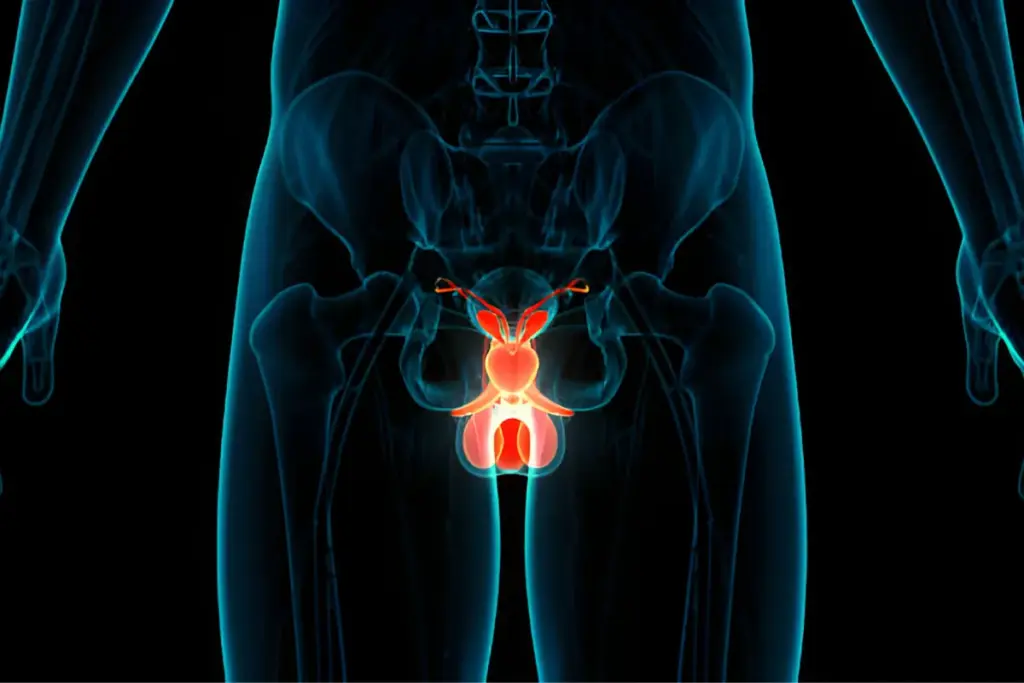
Urethral injuries and conditions can really affect a man’s life. About 1 in 400 men have urethral stricture. This is when the urethra gets narrower, making it hard to pee. Can the male urethra heal? Minor injuries, yes. Get best recovery facts. Strictures need help. Expert care is vital to fix dangerous blocks.
Dealing with urethral problems can be really tough. But, the good news is that sometimes, the male urethra can heal on its own. It’s important to know what causes these issues and what treatments are available. This helps you make the best choices for your health.
Key Takeaways
- The male urethra can potentially heal itself with appropriate treatment.
- Urethral injuries and conditions require proper medical attention.
- Understanding the causes and treatment options is vital for effective healing.
- Men experiencing urethral issues should seek medical care to prevent complications.
- Proper diagnosis is essential for determining the best course of treatment.
Understanding the Male Urethra
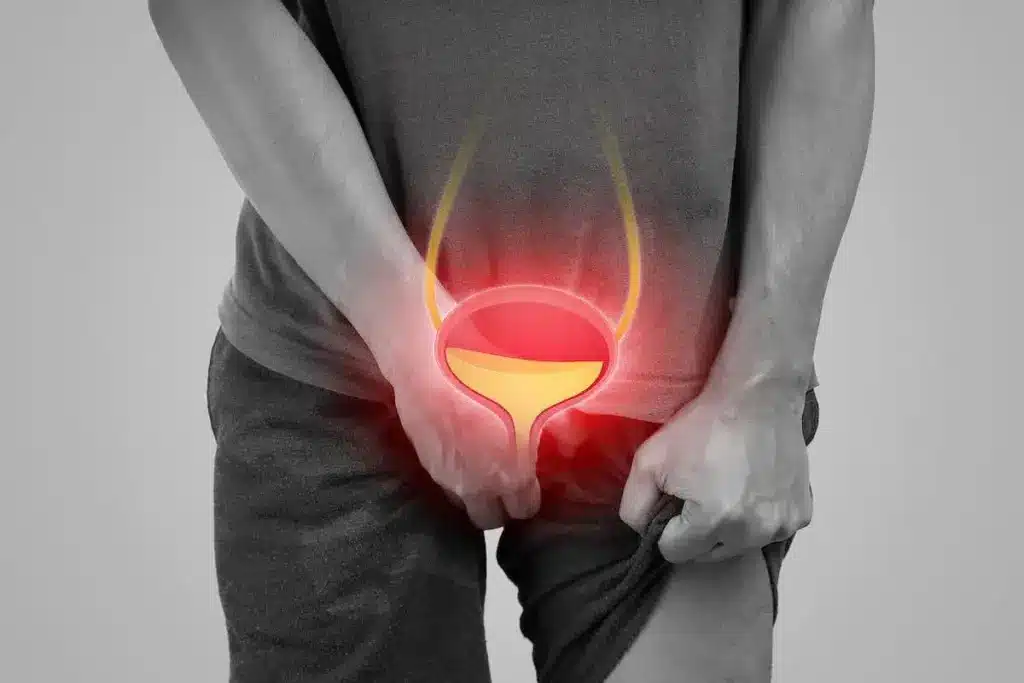
The male urethra is key to both the urinary and reproductive systems. It’s a tube that carries urine from the bladder out of the body. It also serves as a path for semen during ejaculation.
Anatomy of the Urethra
The male urethra is divided into four parts: the prostatic urethra, membranous urethra, bulbar urethra, and penile urethra. Each part has its own role and characteristics.
|
Section of the Urethra |
Description |
|---|---|
|
Prostatic Urethra |
Passes through the prostate gland, receiving secretions from the prostate. |
|
Membranous Urethra |
A short section surrounded by the urethral sphincter, key for urinary control. |
|
Bulbar Urethra |
Located in the bulb of the penis, surrounded by the bulbospongiosus muscle. |
|
Penile Urethra |
Runs along the penis, ending at the external urethral orifice. |
Functions of the Urethra
The urethra has two main jobs: to get rid of urine and to ejaculate semen. It’s vital for both urinary control and reproductive health. Its muscular and mucosal layers help it transport urine and semen.
“The urethra’s dual role in both the urinary and reproductive systems makes it a unique anatomical structure with significant functional importance.”
A Urologist
Common Conditions Affecting the Urethra
Several issues can impact the male urethra, like urethritis, urethral stricture, and urethral discharge. These problems can stem from infections, injuries, or other causes.
- Urethritis: Inflammation of the urethra, often caused by infection.
- Urethral Stricture: Narrowing of the urethra, usually due to scar tissue.
- Urethral Discharge: Abnormal discharge from the urethra, often a sign of infection.
Knowing about these conditions is key for proper diagnosis and treatment. We’ll look at symptoms, diagnosis, and treatment options in the next sections.
How Injuries to the Urethra Occur
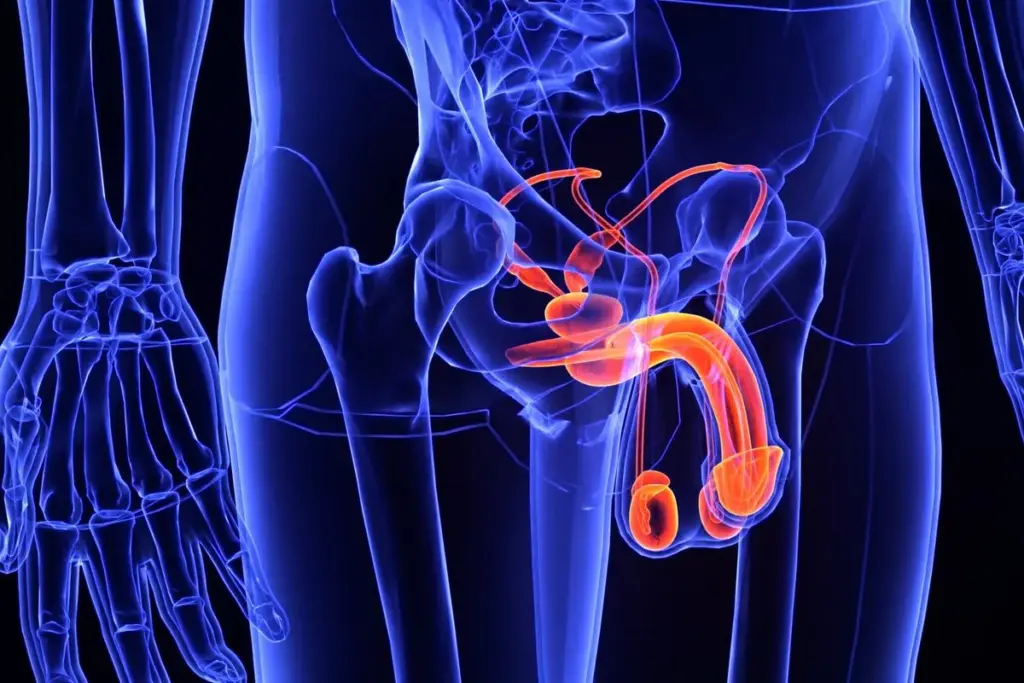
It’s important to know how urethral injuries happen. This knowledge helps prevent them and get medical help fast. Urethral injuries can make life hard, causing pain and discomfort.
Causes of Urethral Injury
Many things can cause urethral injuries. Trauma is a big one, often from accidents or falls. Straddle injuries can also hurt the urethra.
Medical procedures like urethral catheterization can also cause injuries. While it’s usually safe, it can be risky if not done right.
Infections and inflammatory conditions can also harm the urethra. This can lead to injuries or other problems.
Risk Factors for Urethral Damage
Some things make it more likely to get an urethral injury. These include:
- Doing activities that might hurt the genitals
- Having had urethral problems or injuries before
- Having medical procedures that touch the urethra
Knowing these risks helps people stay safe. It also means getting help if they think they might have a urethral injury.
|
Causes/Risk Factors |
Description |
|---|---|
|
Trauma |
External injuries, such as from accidents or falls |
|
Urethral Catheterization |
Medical procedure that can cause urethral trauma if not done carefully |
|
Infections/Inflammatory Conditions |
Can compromise the urethra, leading to possible injuries |
|
Previous Urethral Conditions/Injuries |
Increases the risk of further urethral damage |
Knowing about urethral injury causes and risks helps protect health. It also means getting medical help quickly when needed.
Symptoms of Urethral Issues
It’s important to know the signs of urethral problems early. This way, you can get medical help quickly. We’ll cover the common signs and when you should see a doctor.
Signs of Urethral Injury
Urethral injury signs include pain or discomfort in the urethra. You might also see bloody discharge or have trouble starting to urinate. Severe cases can show visible bruising or swelling around the urethral opening.
Indicators of Infection
Urethral infection signs include painful urination and unusual discharge. You might also feel a burning sensation while urinating. If you notice these, see a healthcare professional right away.
Other Symptoms to Watch For
Other signs of urethral issues are frequent urination and a sudden need to go. You might also feel like your bladder isn’t emptying fully. These symptoms can really affect your daily life and need a doctor’s check-up.
Some people might feel urethral pain or discomfort without seeing any injury or infection. This pain could mean there’s a problem that needs medical attention.
Knowing these symptoms can help spot urethral issues early. This can lower the chance of problems like urinary tract infections. If you’re experiencing any symptoms, it’s best to get a medical check-up.
Diagnosis and Evaluation
To find out what’s causing urethral symptoms, doctors use many tools. It’s key to accurately diagnose urethral issues to choose the right treatment. We use medical history, physical exams, and special tests to check the urethra’s health.
Medical Imaging Techniques
Medical imaging is very important for finding urethral problems. Tools like ultrasound and retrograde urethrography show the urethra’s shape and any issues.
Ultrasound is great for looking at the urethra and nearby tissues. Retrograde urethrography uses a contrast agent to make the urethra visible on X-rays.
Urethroscopy Process
Urethroscopy lets us see inside the urethra directly. A thin, flexible or rigid tube with a camera is inserted into the urethra for this.
This method can spot strictures, stones, or other problems in the urethra. As one expert says,
“Urethroscopy is a valuable tool for diagnosing urethral pathology, giving a detailed view that helps guide treatment.”
Laboratory Tests
Laboratory tests are key for checking the urethra’s health. Urine analysis can find infections or other issues in the urethra.
We also do urine cultures to find specific germs and sensitivity tests to pick the best antibiotic. Tests for STIs might be done if the patient’s symptoms suggest it.
Treatment Options for Urethral Conditions
Treating urethral conditions requires a tailored approach. We consider the condition’s severity and the patient’s health. We’ll look at both non-surgical and surgical options.
Non-Surgical Treatments
Non-surgical treatments are often the first choice. They include medications for pain or infection. Urethral dilation also helps by stretching the urethra.
These treatments are good for early or mild conditions. Medications help manage symptoms. Urethral dilation widens the urethra, providing relief.
Surgical Interventions
For severe cases, surgery may be needed. This can include urethroplasty, a complex repair of the urethra.
Surgery is considered for severe conditions or when non-surgical methods fail. Urethroplasty is helpful for urethral strictures.
Choosing between non-surgical and surgical treatments depends on several factors. We consider the patient’s health, condition severity, and treatment risks. This helps us find the best urethral treatment for each patient.
The Healing Process of the Urethra
The healing of the urethra involves many factors. We will look at these factors to understand how they affect recovery.
Factors Influencing Urethral Healing
Several elements can impact the healing process of the urethra. These include:
- The extent of the injury or disease
- The presence of any underlying health conditions
- The effectiveness of the treatment plan
- The individual’s overall health and lifestyle
Severity of the Condition: The more severe the injury or disease, the more complex the healing process is likely to be. Conditions such as urethral stricture or injury from trauma require careful management.
Recovery Timeframes
The time it takes for the urethra to heal can vary significantly from one individual to another. Factors such as the severity of the condition and the treatment method play a critical role in determining recovery time.
|
Condition |
Treatment Approach |
Typical Recovery Time |
|---|---|---|
|
Mild Urethral Injury |
Conservative Management |
1-3 weeks |
|
Moderate Urethral Stricture |
Urethral Dilation |
2-6 weeks |
|
Severe Urethral Injury |
Surgical Repair |
6-12 weeks |
Understanding the factors that influence urethral healing and the expected recovery time can help individuals manage their expectations and support their recovery process. It’s essential to follow post-operative care instructions and maintain a healthy lifestyle to optimize healing.
Complications and Risks
Urethral conditions and their treatments can lead to various complications. It’s important to be aware of these risks. This knowledge helps us make informed decisions about our care.
Potential Long-Term Effects
Some urethral conditions can cause long-term problems. For example, urethral stricture can narrow the urethra, leading to urinary obstruction. Another issue is incontinence, which can greatly affect a person’s quality of life.
Long-term effects might also include chronic pain or discomfort. These issues may need ongoing management. It’s vital to talk to your healthcare provider about these risks. They can help you understand the possible outcomes for your specific condition.
Complications from Surgery
Surgery for urethral conditions is sometimes necessary but comes with risks. Complications can include infection, bleeding, or reactions to anesthesia. In some cases, surgery can cause iatrogenic injuries, which are complications from medical treatment.
It’s important to consider the benefits and risks of surgery. Knowing the possible complications helps us prepare. It also helps us make informed decisions about our treatment plans.
After surgery, complications like urethral strictures or incontinence can occur. The risk of these complications depends on the surgery type and your overall health.
Lifestyle Changes to Support Urethral Health
Hydration, diet, and exercises are key to good urethral health. Simple lifestyle changes can greatly improve urinary health.
Staying Hydrated for Urethral Health
Drinking enough water is vital for urethral health. It helps remove harmful bacteria and pathogens. Aim for eight glasses of water daily to keep your urinary system working right.
Tips for Staying Hydrated:
- Drink water all day long
- Stay away from sugary drinks that can upset the bladder
- Check your urine color. It should be pale yellow if you’re drinking enough water
Dietary Considerations for Urethral Health
Eating a balanced diet is important for urethral health. Some foods have anti-inflammatory effects that can lower the risk of irritation.
|
Food Group |
Examples |
Benefits |
|---|---|---|
|
Fruits |
Cranberries, Berries |
May help prevent UTIs |
|
Vegetables |
Leafy Greens, Broccoli |
Rich in antioxidants and fiber |
|
Proteins |
Lean Meats, Fish |
Supports overall health and healing |
The Role of Pelvic Floor Exercises
Kegel exercises strengthen the muscles around the urethra. This improves bladder control and lowers incontinence risk.
How to Perform Kegel Exercises:
- Find the pelvic floor muscles by stopping urine flow mid-stream
- Contract these muscles for 5-10 seconds, then release
- Do this 10-15 times, three times a day
By making these lifestyle changes, you can actively support your urethral health and overall urinary well-being.
When to Seek Medical Attention
It’s important to know when you need to see a doctor for urethral health. Urethral problems can get worse fast if not treated right away. This can lead to serious issues that could be prevented with early action.
Urgency of Symptoms
Some symptoms mean you should see a doctor right away. Severe pain when you pee, pain in your pelvic area, and blood in your pee or semen are examples. Urgent symptoms like these show serious problems that need quick doctor attention.
Having trouble starting to pee, painful pee, or weak pee flow also means you should see a doctor. These signs might mean you have a urethral stricture or another blockage that needs a doctor’s check.
Regular Check-Ups
While urgent symptoms need quick action, regular visits to your doctor are also important. Regular check-ups help catch urethral problems early. This way, you can get treatment before things get worse.
At check-ups, your doctor can check your urethral health. They can also give advice on preventive care and answer any questions you have. This helps keep your urethral health good and prevents big problems.
Talk to your doctor about your risk factors and health history to set up the best urethral health monitoring schedule. This way, you get care that fits your needs.
Conclusion: The Importance of Urethral Care
Urethral health is key to our overall well-being. Knowing how to care for it helps us avoid problems and live better lives.
Key Takeaways
We’ve talked about the male urethra’s anatomy and functions. We’ve also covered common issues and treatment options. Plus, we’ve stressed the need for healthy habits to keep the urethra in good shape.
By adding preventive steps to our daily lives, like drinking enough water and eating right, we can lower the chance of urethral problems. Doing pelvic floor exercises is also helpful.
Maintaining Urethral Health
To keep the urethra healthy, it’s important to know the signs of trouble and see a doctor when needed. Regular visits to your healthcare provider can catch issues early.
By focusing on urethral care and healthy habits, we support our overall health. We urge readers to actively care for their urethral health.
FAQ
Can a damaged male urethra heal on its own?
Minor injuries might heal without help. But, serious damage often needs treatment. This helps avoid problems and aids in healing.
What are the common symptoms of urethral problems?
Signs include pain when you pee, discharge, blood in urine or semen, and trouble starting or stopping urine flow.
How are urethral conditions diagnosed?
Doctors use your medical history, a physical check, lab tests, and imaging like ultrasound or retrograde urethrography to diagnose.
What treatment options are available for urethral stricture?
Treatments vary. Non-surgical methods include dilation or stenting. Surgery, like urethroplasty, might be needed for severe cases.
How can I support my urethral health?
Drink plenty of water, eat well, keep clean, and do pelvic floor exercises. These help your urethral health.
When should I seek medical attention for urethral issues?
See a doctor for severe pain, trouble peeing, or infection signs like fever or discharge.
Can lifestyle changes help prevent urethral problems?
Yes, healthy habits like drinking water, avoiding irritants, and managing health conditions can lower risk.
What are the possible complications of untreated urethral conditions?
Untreated issues can cause infections, urinary retention, and kidney damage. This shows why medical care is key.
How long does it take for the urethra to heal after injury or surgery?
Healing time depends on injury or surgery type, health, and following care instructions.
Are there any long-term effects of urethral surgery?
Surgery is usually safe but can lead to stricture recurrence or urinary function changes. Talk to your doctor about this.
National Center for Biotechnology Information. Evidence-Based Medical Insight. Retrieved from https://pubmed.ncbi.nlm.nih.gov/25314941/



 Departments
 Related Videos
 Our Doctors
 News
News