Thinking about surgery can be scary, and wondering about pain is normal. Urethroplasty is a big deal for many because it fixes the urethra. It’s a serious procedure.
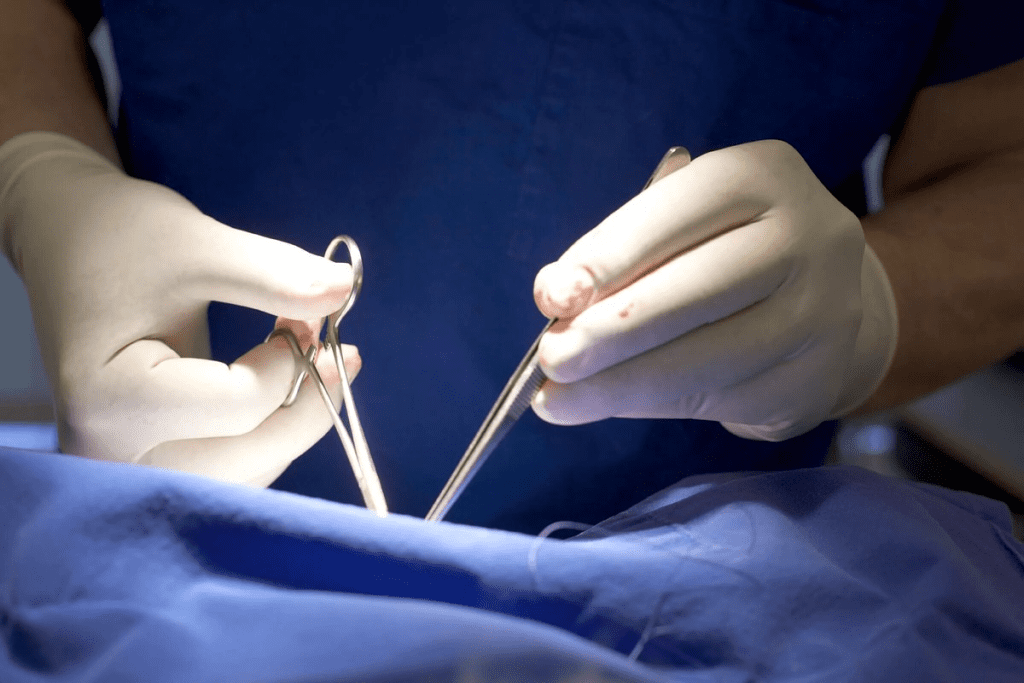
Research shows urethroplasty works well, with success rates from 85% to 95%. This depends on the stricture’s type and size. Most people feel less pain after surgery, with only mild to moderate discomfort. This pain usually goes away in a few weeks.
Key Takeaways
- Urethroplasty has a high success rate of 85-95%.
- Most patients experience a significant reduction in pain after surgery.
- Mild to moderate discomfort is common but typically subsides within weeks.
- General anesthesia is used during the procedure to ensure patient comfort.
- Post-surgery pain management is typically achieved through medication.
Understanding Urethral Stricture Pain Before Surgery
Pain from a urethral stricture can differ for each person. Knowing about this pain is important before surgery. Before surgery, many patients feel pain in their urethra or genitals. Studies show that up to 71% of patients have discomfort because of the stricture.
A urethral stricture can really hurt and affect daily life. Symptoms include a weak or slow urine stream, pain while urinating, and frequent urinary tract infections. It’s important for patients to understand these symptoms to know what they’re dealing with.
Common Pain Symptoms Experienced by Patients
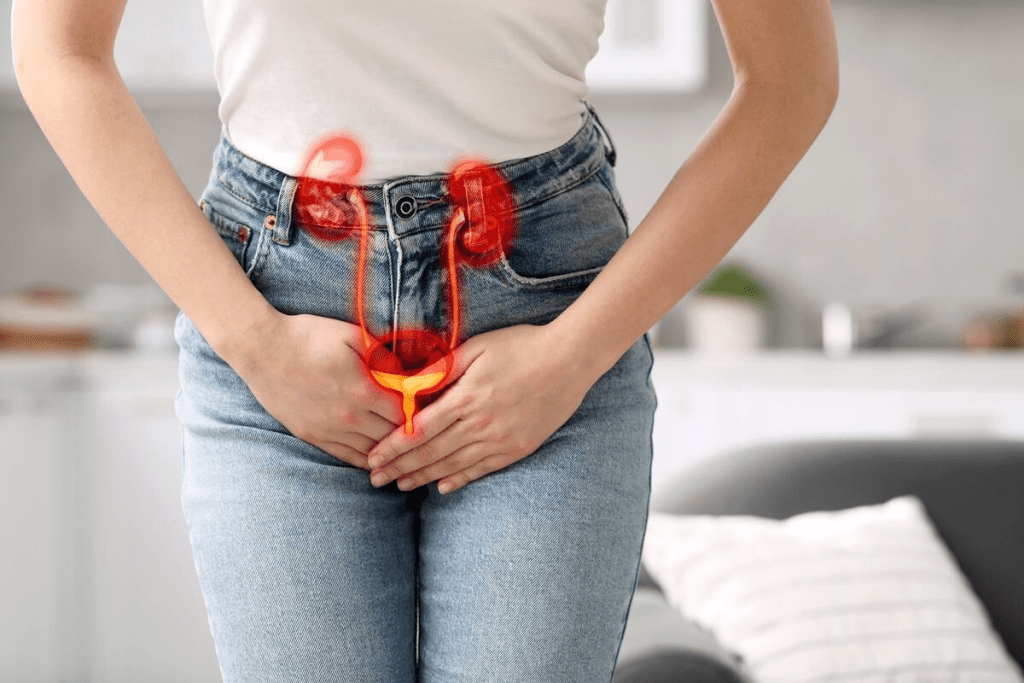
Patients with urethral stricture often feel different types of pain. A narrow urethra can cause urine flow problems, leading to painful urination, says a top urologist. The pain might be in the urethra or genital area and can change in how bad it is.
Some common symptoms include:
- Painful urination
- Weak or slow urine stream
- Recurrent urinary tract infections
- Discomfort or pain in the genital area
In some cases, doctors might do urethral sounding to check the stricture. Knowing what is a sounding rod can help patients understand their diagnosis and treatment choices better.
“Pain management is a critical aspect of treating urethral stricture, both before and after surgery.” -A leading urology expert
By understanding the pain from urethral stricture, patients can prepare better for surgery and recovery. Good pain management can greatly improve a patient’s quality.
What Happens During Urethral Reconstruction Surgery
Our surgeons use advanced techniques to fix the stricture during urethral reconstruction surgery. This surgery, called urethroplasty, can remove the scarred part or use a graft to rebuild it. The method chosen depends on the stricture’s location, length, and how complex it is.
Types of Surgical Approaches for Stricture Repair
There are several ways to repair a urethral stricture:
- Anastomotic urethroplasty, where the scarred section is removed and the urethra is reconnected.
- Substitution urethroplasty, where a graft is used to widen the urethra.
- Frontal suture techniques may be employed to ensure a secure closure.
Pain Management During the Procedure
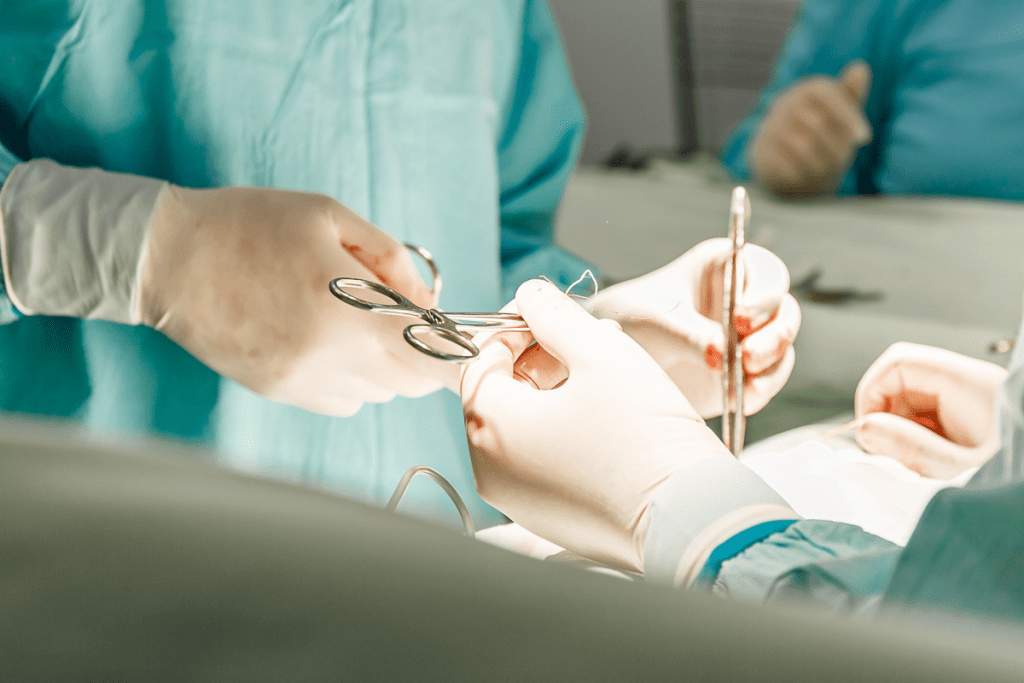
Pain management is key during urethral reconstruction surgery. The surgery is done under general anesthesia to keep the patient comfortable. Effective pain management also continues after the surgery, aiming to reduce pain and aid in recovery.
The Immediate Post-Operative Experience
Right after surgery, patients are watched in the recovery area. Male external catheters might be used for urinary drainage. Most patients feel mild to moderate pain, which can be managed with common pain relievers. The urethral opening is closely watched for any complications.
We focus on thorough post-operative care for a smooth recovery. Our team gives detailed instructions on post-surgery care, including pain management and follow-up appointments.
The Urethral Recovery Timeline: Pain Week by Week
Knowing how long it takes to recover from urethral issues is key. After urethroplasty, patients usually heal in a few weeks. During this time, they might feel some pain. We aim to support patients fully through this process.
Weeks 2-6: The Healing Process
From weeks 2 to 6, healing is in full gear. Most people see their pain lessen as their urethra gets better. It’s vital to stick to the post-op instructions to heal properly and avoid problems. Managing pain well is a big part of this, and we help adjust pain relief plans as needed.
Some pain is okay, but too much is not normal. If pain gets worse or doesn’t go away, call your doctor. We also teach patients about signs of possible complications to watch for.
Effective Pain Management Strategies
Controlling pain is key to a smooth recovery. We use many ways to help patients deal with pain after surgery. These include medicine, lifestyle changes, and check-ups to track healing. It’s good to know most patients don’t have lasting or increasing pain.
- Medication: We guide on using pain relief meds correctly.
- Lifestyle Adjustments: Small changes can make a big difference in comfort.
- Follow-up Care: Regular visits let us tweak pain plans as needed.
By knowing the recovery timeline and using good pain management, patients can feel confident in their recovery. Our team is here to support patients every step of the way, aiming for the best results.
5 Key Factors That Influence Post-Urethral Surgery Pain Levels
Managing pain after urethral surgery is key. We use the latest research to help our patients. Several things can affect how much pain you feel, like the surgery method, stricture complexity, your pain threshold, and any health issues you have.
Surgical Technique and Stricture Complexity
The surgery method used is very important for pain after urethroplasty. Methods like urethral dilation or urethroplasty can affect pain differently. The stricture’s length and where it is also play a big role in pain levels.
- The surgery method can change how long it takes to recover and how much pain you feel.
- How complex the stricture is can make the surgery more detailed and increase pain.
Individual Pain Tolerance and Perception
Everyone feels pain differently. Things like age, health, and past pain experiences can change how you feel pain. It’s important to understand and manage these factors for good pain care.
“Pain is a highly subjective experience and can be influenced by a variety of psychological and physiological factors.” “ A physician
Pre-existing Medical Conditions
Having health issues before surgery can make things harder. Conditions like those needing urethral sounding can affect surgery results and pain after. It’s key to manage these conditions to lessen pain.
- It’s important to manage health issues before surgery.
- Other health problems can change how you feel pain and manage it.
Potential Complications and Their Impact
Complications like infection or stricture return can increase pain. Knowing about treatment for stricture in the urethra and possible issues helps prepare for pain after surgery.
- Watching for complications is key to managing pain well.
- Quick treatment of complications can lessen pain.
Conclusion: Long-Term Pain Outcomes and Quality of Life
Urethroplasty is a top choice for treating urethral stricture disease. It greatly improves long-term pain and quality of life for patients. This surgery fixes the root causes of weak streams and other symptoms.
We focus on advanced pain management to give our patients the best care. Research shows that with the right treatment, patients see big improvements in their life quality. They often need fewer male external catheters and other treatments.
Our aim is to provide top-notch healthcare to our patients. We combine medical skills with care and understanding. Our goal is to help those with urethral stricture disease achieve the best results.
FAQ
What is urethral stricture surgery, and does it hurt?
Urethral stricture surgery, or urethroplasty, fixes and rebuilds the urethra. The surgery itself is not painful because of anesthesia. But some discomfort is expected during recovery. We work hard to keep you comfortable.
What are the common symptoms of urethral stricture?
Symptoms include a weak urine stream, painful urination, and genital area discomfort. These symptoms can really affect your life. Our team is here to help and support you.
How is pain managed during urethral reconstruction surgery?
Our skilled surgeons use different techniques to fix the stricture during surgery. Pain is managed with anesthesia. We make sure you’re comfortable during the procedure.
What can I expect immediately after urethral surgery?
Right after surgery, some discomfort is normal. We have ways to manage pain effectively. Our team is dedicated to helping you recover smoothly.
How long does it take to recover from urethral stricture surgery?
Recovery time varies, but most see big improvements in weeks. We guide you through the healing process, focusing on pain management and recovery.
What factors influence pain levels after urethral surgery?
Several factors affect post-urethral surgery pain, like surgical technique and individual pain tolerance. We look at these factors to provide personalized care and support.
Can urethral stricture surgery improve my quality of life?
Yes, urethroplasty is a highly effective solution for urethral stricture. It significantly improves pain and quality of life. We aim to deliver top-notch care and support for the best outcomes.
What is urethral dilation, and how does it relate to urethral stricture?
Urethral dilation widens the narrowed urethra. It offers temporary relief but urethroplasty is often a better solution. We discuss your options and recommend the best treatment.
Are there any alternative treatments to urethroplasty for urethral stricture?
Alternatives include urethral dilation and male external catheters. But, they might not solve the problem as well as urethroplasty. We assess each patient to find the best treatment.
References
- Seidemann, S., et al. (2025). Transurethral resection of the prostate in extremely elderly men: Safety and efficacy outcomes. BMC Urology.https://pmc.ncbi.nlm.nih.gov/articles/PMC12460449/