
Men with urethral strictures find relief through surgery. Urethral stricture surgery has improved a lot. Urethroplasty is a main procedure for fixing this issue.
Studies show that success rates for this surgery are very good. They range from 82% to 93%. We’ll look at the different urethral reconstruction methods and what makes them successful.
Key Takeaways
- Urethral stricture surgery achieves high success rates, improving patient outcomes.
- The type of procedure and the surgeon’s experience significantly impact success rates.
- Recent studies show long-term success rates between 82% and 93%.
- Urethroplasty is a highly effective procedure for treating urethral strictures.
- Patient factors play a critical role in determining the best outcomes.
The Nature of Urethral Strictures and Their Impact
Understanding urethral strictures is key to improving patients’ lives. About 1% of men in the U.S. have this condition, and it gets more common with age.

Definition and Causes of Urethral Strictures
A urethral stricture is a narrowing of the urethra due to scarring. It can be caused by trauma, infection, or inflammation. These strictures can cause urinary problems, affecting daily life.
Scarring in the urethra narrows it, blocking urine flow. This can happen from injury, infection, or inflammation.
Symptoms and Quality of Life Considerations
Symptoms of urethral stricture include weak urine flow and straining. These symptoms can greatly reduce a patient’s quality of life.
Patients often feel anxious and depressed due to these symptoms. Their overall well-being can suffer greatly.
When Surgical Intervention Becomes Necessary
Surgery is needed when symptoms worsen and other treatments fail. Urethral stricture surgery, or urethroplasty, is considered for long or complex strictures.
Deciding on surgery involves thorough evaluation and tests. Surgery aims to widen the urethra, easing symptoms and improving life quality.
Urethroplasty: The Gold Standard for Stricture Treatment
Urethroplasty has become the top choice for treating urethral stricture. Its success rates are impressive, thanks to new techniques. This makes it the best treatment option.
Evolution of Techniques
Urethroplasty has seen big improvements over time. Early methods were limited by technology and materials. But new innovations in surgical approaches and materials have made it much better.
New, less invasive methods have improved results and recovery times. The use of buccal mucosa grafts has been a major breakthrough. It provides a natural material for repairs.
The 15-Year Cohort Study Results
A 15-year study showed the success. It found a 90.1% success rate. This long-term data proves its lasting benefits.
- The study showed how important experience and technique are.
- It also highlighted the role of choosing the right patients.
- Advances in surgery have led to better results.
Advancements in Surgical Approaches
Urethroplasty has seen big improvements in surgery. Techniques like primary anastomotic urethroplasty and substitution urethroplasty are now more advanced. This allows for more personalized care.
New strategies and diagnostic tools help tackle complex cases. Minimally invasive techniques also reduce risks and speed up recovery.
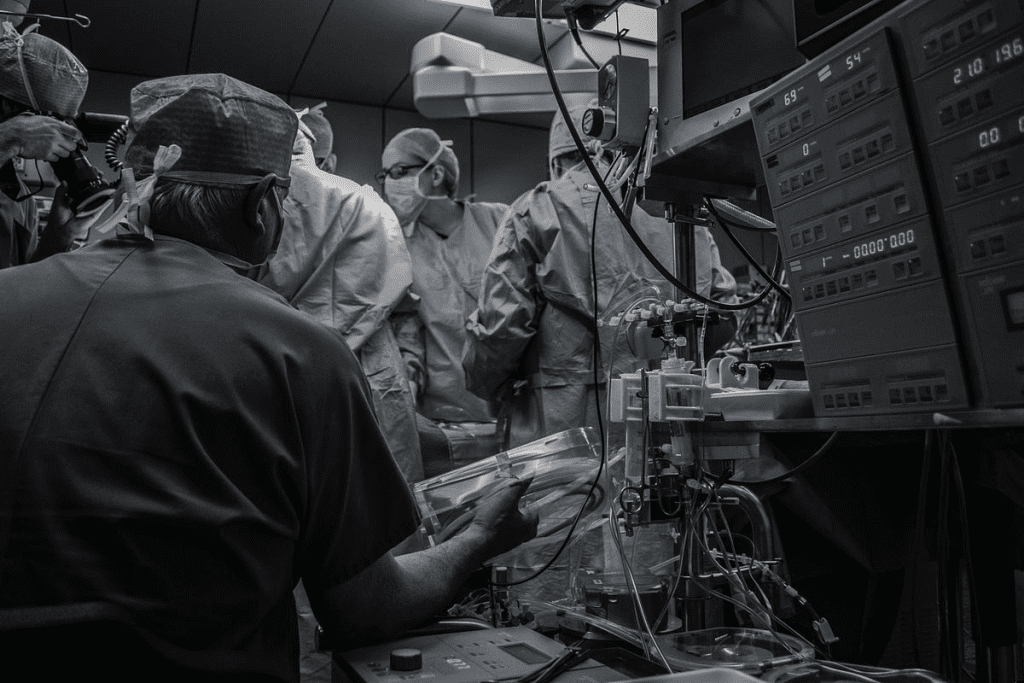
Urethroplasty is leading the way in treating urethral stricture. Its success and ongoing improvements mean better results for patients in the future.
Success Rates by Procedure Type
Knowing how well different urethroplasty procedures work is key to better care. Urethroplasty surgery
uses many techniques, each with its own success rate. We’ll look at the success of primary anastomotic, buccal mucosa graft, and substitution urethroplasty, giving insights into their effectiveness.
Primary Anastomotic Urethroplasty
Primary anastomotic urethroplasty is very effective, with success rates between 80% to 95%. It reconnects the urethra after removing the stricture. Its high success rate comes from carefully removing the diseased part and reconnecting the urethra.
“The success rate for primary anastomotic urethroplasty is very high, making it a top choice for many patients.” Studies show long-term success, with many patients seeing big improvements in symptoms and life quality.
Buccal Mucosa Graft Techniques
Buccal mucosa graft urethroplasty is popular for its success and versatility, with success rates also between 80% to 95%. It uses a graft from the cheek lining to fix the urethral stricture. The graft can be used in different ways.
The graft’s ability to blend well with the urethral tissue is key to its success. “The use of buccal mucosa grafts has changed how we treat complex urethral strictures.” Its high success rate and low complications make it a good choice for both doctors and patients.
Substitution Urethroplasty Outcomes
Substitution urethroplasty replaces the diseased urethral part with a graft or flap from elsewhere in the body. Its success rates are generally a bit lower than primary anastomotic and buccal mucosa graft urethroplasty.
Many factors affect substitution urethroplasty outcomes, like the stricture’s length and complexity, the graft type, and the patient’s health.
“Substitution urethroplasty is a good choice for complex and long urethral strictures, helping many patients feel better,” Experts note.
Even though success rates differ, choosing the right patient and using careful surgical techniques can improve results.
Factors That Decrease Surgical Success Rates
Some things can make urethral stricture surgery less likely to work. Knowing these can help us set the right expectations and plan better treatments.
Stricture Length and Complexity
How long and complex a structure is can affect surgery success. Strictures longer than 2cm often need more complicated fixes.
- More complex cases need advanced surgical methods.
- Longer strictures might need extra treatments.
Recurrent Strictures and Their Challenges
Recurring strictures are tough to treat. They show a more complex issue that might need repeated surgeries or advanced techniques.
- Recurring strictures often come from not fully treating the first time.
- They might need a different surgical method.
Impact of Prior Endoscopic Interventions
Previous endoscopic treatments can affect surgery success. More endoscopic treatments lead to longer strictures needing more complex fixes.
Previous Failed Urethroplasty Attempts
Failed urethroplasty attempts can make future surgeries harder. Patients with failed surgeries might need more detailed and careful treatment plans.
- Failed surgeries can cause more scarring.
- They might need different graft materials or methods.
Understanding these factors helps us tailor treatments to each patient. This can improve the success of urethral stricture surgery.
Patient Selection and Optimal Surgical Candidates
Choosing the right patients for urethral stricture surgery is key to success. We do a detailed check to find the best candidates for surgery.
Pre-Surgical Evaluation Process
The pre-surgery check is vital to see if a patient is right for surgery. We look at their medical history, do a physical exam, and run tests like urethrography and cystoscopy. We also check their overall health, including any health issues that might affect surgery results.
Key factors evaluated during pre-surgical assessment include:
- Stricture length and location
- Previous treatments or interventions
- Patient’s overall health and comorbid conditions
- Patient’s preferences and expectations
Age and Health Considerations
Age and health are big factors in choosing patients for surgery. While age isn’t a big deal, older patients with health issues need extra care. We look at their health, age, and surgery risks.
For example, patients with diabetes or heart disease need extra checks to assess their surgery risk.
Stricture Characteristics and Surgical Planning
The stricture’s length, location, and how complex it is are key to planning surgery. We use imaging and endoscopy to see how bad the stricture is and plan the best surgery.
Surgical planning considerations include:
- Choosing between different urethroplasty techniques
- Deciding if more procedures, like grafting, are needed
- Planning for possible problems and how to handle them
Studies show that training in urethral reconstruction helps pick the best patients and plan better surgeries. This shows how important it is to have the right training.
By carefully looking at these factors, we can pick the best patients for surgery. This helps make urethral stricture surgery more successful.
Complications and Management Following Urethral Surgery
The success of urethral stricture surgery is not just about the first results. It also depends on handling any complications that might come up. Understanding these complications and how to manage them is key.
Early Post-Operative Complications
Right after surgery, problems like infection, bleeding, and trouble peeing can happen. Quick action to fix these issues is vital to avoid bigger problems later. We stress the need for good care after surgery to lower these risks.
For example, an infection can be treated with antibiotics. Bleeding might need more attention or action. Trouble peeing can often be solved with a catheter.
Long-Term Issues and Their Frequency
Long-term problems, though rare, can include more strictures, trouble with erections, and changes in how you pee. Most people see big improvements in their symptoms. But these issues can happen.
Recurrent strictures are a common long-term problem. They can be treated with more surgery or endoscopic methods. How often these problems happen depends on the structure and the surgery method.
Strategies to Minimize Complications
To avoid complications, picking the right patient and doing a thorough check before surgery are key. Using the latest surgical methods and having skilled surgeons also helps a lot.
Good care after surgery is just as important. We give patients clear instructions on wound care, follow-up visits, and what to watch for. This way, we can greatly cut down on complications after urethral surgery.
We also suggest a healthy lifestyle for recovery. This includes eating well and staying hydrated. Regular check-ups help us keep an eye on healing and solve any issues quickly.
Conclusion: The Promising Outlook for Urethral Stricture Treatment
Urethral stricture treatment has made big strides, with urethroplasty leading the way. Studies show it has high success rates. This makes it a top choice for treating this condition.
Urethroplasty offers a hopeful future for patients. It provides a lasting fix for urethral stricture. Knowing what affects success helps doctors create better treatment plans for each patient.
The future looks bright for treating urethral stricture. Urethroplasty’s success and ongoing improvements make it a key treatment. It gives patients a solid and effective way to manage their condition.
FAQ
What is urethroplasty?
Urethroplasty is a surgery to fix or rebuild the urethra. It’s often needed for urethral strictures. We use different methods, like primary anastomotic urethroplasty and buccal mucosa grafting, to make the urethra work right again.
How successful is urethral stricture surgery?
Urethral stricture surgery, like urethroplasty, works well for most people. Success rates are between 80% to 95%. This is because of better surgery techniques and care.
What are the symptoms of a urethral stricture?
Signs of a urethral stricture include weak urine flow and trouble starting or stopping. You might also feel pain while urinating or get UTIs often. If you notice these, see a doctor to find out why.
Can a damaged urethra heal itself?
Minor urethral damage might heal by itself. But serious damage or strictures usually need surgery. We check each case to decide the best treatment.
What is the difference between urethroplasty and ureteroplasty?
Urethroplasty fixes the urethra, while ureteroplasty works on the ureter. The ureter connects the kidney to the bladder. We focus on urethroplasty for urethral strictures.
What are the risks and complications of urethral surgery?
Urethral surgery, like any surgery, has risks. These include infection, bleeding, and the stricture coming back. We work hard to lower these risks and get the best results.
How is a urethral stricture diagnosed?
Doctors use history, physical exams, and tests like retrograde urethrography and urethroscopy to find urethral strictures. These tests help us see where, how long, and how bad the stricture is.
What is the recovery process like after urethral surgery?
Recovery after urethral surgery varies. It depends on the surgery and the person. We give each patient special advice and support to help them recover well and avoid problems.
Can a urethral stricture recur after surgery?
Urethroplasty is very successful, but strictures can come back. We watch patients closely after surgery to catch any problems early and help them.
What is substitution urethroplasty?
Substitution urethroplasty is a surgery to fix or replace a damaged urethral part with a graft or flap. It’s used for complex or long structures.
How does prior endoscopic intervention affect urethroplasty success rates?
Endoscopic treatments before urethroplasty can make it harder. They can cause more scarring and make the surgery more complex. We look at each patient’s history to find the best treatment.
References
- Barbagli, G., Lazzeri, M., & Palminteri, E. (2019). Urethroplasty Using Buccal Mucosa Graft and Other Techniques: Indications and Outcomes. European Urology Focus, 5(6), 932-939.https://www.europeanurology.com/article/S2405-4569(19)30171-3/fulltex