
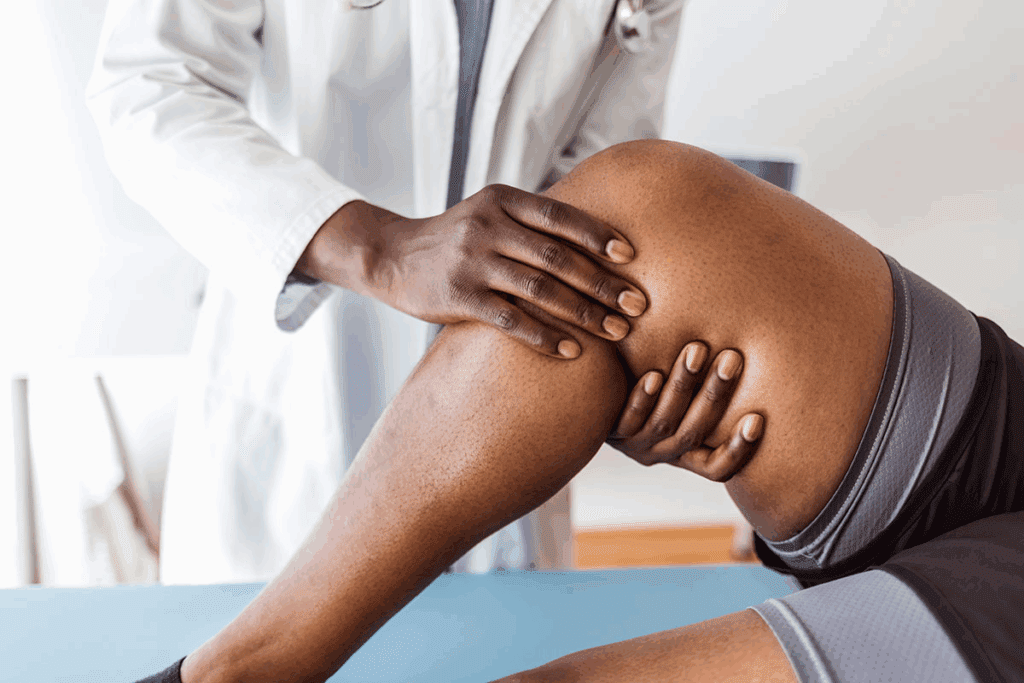
The severity of an Achilles tendon rupture was shown clearly by Tyrese Haliburton’s injury in the 2025 NBA Finals. The young point guard tore his Achilles tendon early in the second quarter. This injury could mean a long recovery for him.Understand the Urgency of Achilles rupture! Find out why Immediate action is Critical for the Best long-term outcome.
This event shows the serious implications of such an injury. It’s not just for pro athletes but for anyone who gets it. Knowing the symptoms and risks of Achilles tendon rupture is key for quick treatment and recovery.
Seeing how urgent Achilles rupture is can really help with treatment. This article will explore the symptoms, risks, and treatment options available.
Key Takeaways
- Understanding the severity of Achilles tendon rupture is key.
- Quickly spotting symptoms can make treatment more effective.
- Achilles tendon rupture can have serious effects on recovery.
- Knowing the risks can help in prevention and treatment.
- There are effective treatment options for Achilles rupture.
Understanding the Achilles Tendon
The Achilles tendon is a key part of our body’s movement system. It connects the calf muscles to the heel bone. This connection helps us walk, run, and jump.
Anatomy and Function
The Achilles tendon is the biggest tendon in our body. It transmits forces from the calf muscles to the foot. It’s made of strong yet flexible fibers from the gastrocnemius and soleus muscles.
This tendon is very important for activities like sprinting or climbing stairs. It helps us push off the ground.
Knowing how the Achilles tendon works is key to understanding its injury risks. Its structure and role in sports make it prone to strain and rupture. This is true for sports that require quick starts or stops.
Vulnerability and Common Stressors
The Achilles tendon faces a lot of stress during exercise. Common stressors include repetitive strain, sudden changes in exercise intensity, and poor warm-up or cool-down routines. Athletes in sports that involve running, jumping, or quick direction changes are more likely to get injured.
It’s important to know what makes the Achilles tendon vulnerable. By understanding its anatomy, function, and stressors, we can prevent injuries. We can also seek medical help quickly if we start to feel pain.
What Constitutes an Achilles Tendon Rupture
An Achilles tendon rupture is a serious injury. It happens when the tendon that connects the calf muscles to the heel bone tears. This injury can be very painful and can happen to anyone, not just athletes.
Partial vs. Complete Ruptures
Achilles tendon ruptures can be either partial or complete. A partial rupture means the tendon is only partially torn. On the other hand, a complete rupture means the tendon is completely torn.
Partial ruptures can cause pain and stiffness but the tendon is not fully broken. Complete ruptures are more serious. They make it hard to walk or stand on tiptoe.
| Type of Rupture | Description | Symptoms |
| Partial Rupture | Tendon is partially torn | Pain, stiffness, some functionality remains |
| Complete Rupture | Tendon is completely severed | Severe pain, inability to stand on tiptoe, significant impairment |
Common Causes and Mechanisms of Injury
The Achilles tendon can rupture because it has limited blood supply. It also faces a lot of stress during physical activities. Sudden contractions of the calf muscles are common causes, often seen in sports that require quick starts and stops.
“The Achilles tendon rupture often occurs during sports that involve running, jumping, and quick changes of direction. Athletes like Tyrese Haliburton, who play basketball, are at a higher risk due to the explosive nature of their sport.”
Other factors that increase the risk of an Achilles tendon rupture include:
- Age-related degeneration of the tendon
- Previous tendon injuries or inflammation
- Certain medications, such as corticosteroids
- Poor training practices or inadequate warm-up routines
Knowing the causes and mechanisms is key for prevention and diagnosis. Recognizing the signs and symptoms early is important. This helps individuals get the medical help they need for effective treatment and recovery.
Recognizing the Signs of Achilles Rupture
It’s important to know the signs of an Achilles rupture to get medical help fast. An Achilles tendon rupture can cause a lot of pain and make it hard to do everyday things or play sports.
Immediate Symptoms
The first signs of an Achilles rupture include severe pain and swelling at the back of the ankle. Annabelle Rose, who had a Pilates accident, said the pain was very intense. She also felt a popping or snapping sound when it happened.
Other signs might be trouble walking, like going up stairs or hills. You might also see a gap or dent in the tendon above the heel.
The Thompson Test and Other Diagnostic Methods
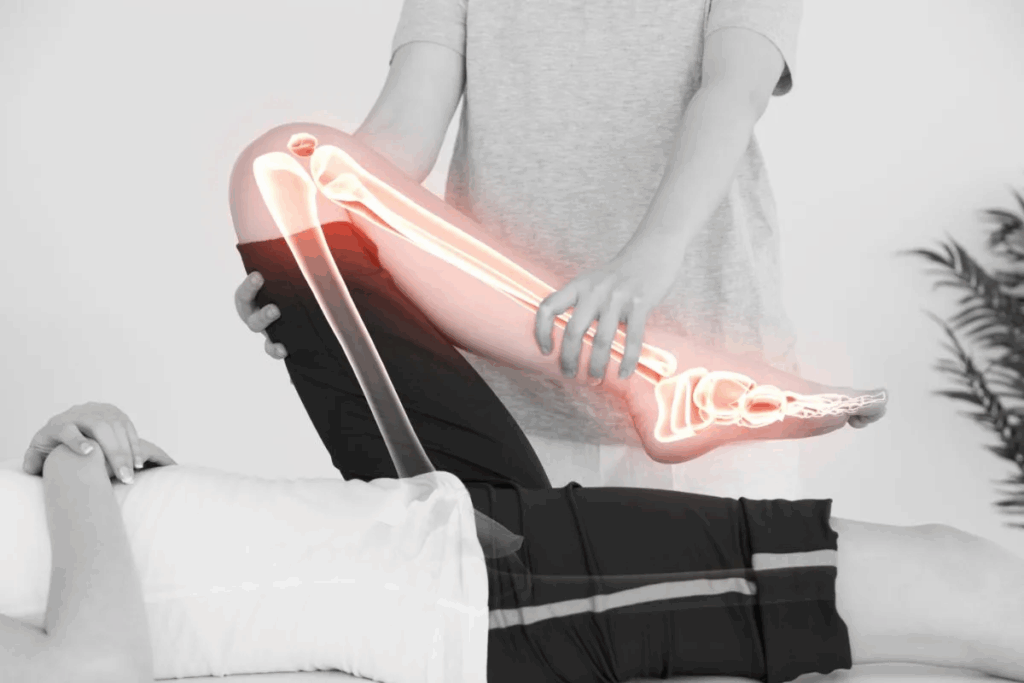
If you notice these symptoms, you need to see a doctor. The Thompson Test is a way to check for a rupture. It involves squeezing the calf muscles. If the tendon is okay, this will make the foot flex down. But if it’s ruptured, the foot won’t move.
Doctors might also use ultrasound or MRI to confirm the diagnosis. These tests help see how bad the injury is.
Getting emergency care right away is key. Quick diagnosis and treatment can help a lot. It might even make your recovery better.
The Urgency of Achilles Rupture: Why Time Matters
Achilles tendon rupture is a serious injury that needs quick medical help for the best results. The Achilles tendon is key for moving and walking. If it breaks, the effects can be severe if not treated fast.
The Critical Treatment Window
The time to treat an Achilles rupture is usually within 48 hours. Immediate treatment for Achilles rupture can greatly help the healing process. Early action can lead to better repair, less chance of problems, and quicker recovery.
Emergency rupture treatment starts with a full check of the injury. Then, the right treatment is chosen. This could be surgery or other methods, based on the injury’s severity and the patient’s health.
Consequences of Delayed Treatment
Waiting too long to treat an Achilles tendon rupture can cause many problems. These include longer healing times, higher risk of breaking again, and possible lasting disability. The effects of delayed tendon repair after rupture can greatly affect a person’s life and ability to do things they used to.
| Complication | Description | Impact on Recovery |
| Prolonged Recovery | Delayed healing process | Increased time off work or activities |
| Re-rupture | Additional strain on the tendon | Further complicates the recovery process |
| Long-term Disability | Permanent damage to the tendon | Potential for chronic pain and limited mobility |
In conclusion, treating Achilles rupture quickly is very important. Fast medical care is key for the best results. This shows why immediate treatment for Achilles rupture is needed to avoid lasting problems.
First Aid and Immediate Response
When an Achilles rupture happens, acting fast is key. It helps lessen damage and aids in healing. The first steps you take can greatly affect how well you recover.
RICE Protocol Application
The main first aid for an Achilles rupture is the RICE method: Rest, Ice, Compression, and Elevation. Rest the leg to prevent more harm. Ice reduces pain and swelling.
Compression with a bandage cuts down swelling. And Elevation of the leg above heart level lessens blood flow, which reduces swelling too.
When to Seek Emergency Care
Knowing when to get emergency help for an Achilles rupture is important. Severe pain, swelling, or trouble walking mean you need to see a doctor right away. Also, if there’s a big deformity or an open wound, get emergency care to avoid infection and get the right treatment.
Acting quickly is important for recovery. Waiting too long can cause more problems and make healing take longer. So, it’s vital to understand the urgency and take the right steps right away.
Medical Evaluation Process
To diagnose an Achilles tendon rupture, doctors use physical exams and imaging studies. This method helps understand the injury fully. It guides the treatment choices.
Physical Examination Techniques
The first step in diagnosing an Achilles tendon rupture is a thorough physical exam. The Thompson Test, or calf squeeze test, is often used. The patient lies on their stomach with their feet off the table.
The doctor then squeezes the calf muscles. If the tendon is okay, the foot will point down. But if it’s ruptured, the foot won’t move, showing a possible rupture.
Doctors also check if the patient can stand on tiptoes. They look for a gap in the tendon and swelling or bruising around it.
“The Thompson Test is a reliable clinical test for diagnosing Achilles tendon ruptures, with a high sensitivity and specificity when performed correctly.” –
Achilles Tendon Rupture Diagnosis Expert
Imaging Studies and Confirmatory Tests
Imaging studies help confirm the diagnosis and show how severe the rupture is. Ultrasound and Magnetic Resonance Imaging (MRI) are the top choices.
- Ultrasound shows how far the tendon is torn and how much it has pulled back.
- MRI gives detailed pictures of the tendon and the area around it. It helps spot partial or complete ruptures.
These tests are key in deciding the right treatment. They help plan whether surgery or non-surgical methods are best. They also help talk about what to expect with the patient.
Choosing between surgery and non-surgical treatment depends on several things. These include how bad the rupture is, the patient’s health, and how active they are. Accurate diagnosis is vital for picking the best treatment.
Surgical Treatment for Achilles Rupture
Many people choose surgery to fix Achilles tendon ruptures. Surgery helps fix the tendon, letting patients get stronger and move better. Whether to have surgery depends on how bad the rupture is, the patient’s health, and how active they are.
Open Surgery vs. Minimally Invasive Techniques
There are two main surgery types for Achilles ruptures: open surgery and minimally invasive techniques. Open surgery uses a big cut to fix the tendon directly. Minimally invasive surgery uses small cuts and special tools to heal faster and with less damage.
“Minimally invasive techniques are becoming more popular,” a study says. “They might help you heal faster and avoid more problems.” But, the right choice depends on the patient and the surgeon’s skills.
Timing of Surgery and Its Impact on Outcomes
When surgery happens can affect how well you do. Studies show that early surgery might lower the chance of problems like tendon rupture again or blood clots. Early surgery usually happens a few days after the injury, before too much swelling.
- Early surgery: reduces complications, promotes faster recovery
- Delayed surgery: may be needed for those with a lot of swelling or other issues
Choosing when to have surgery should be a team decision. It depends on the patient’s situation and what the doctor thinks is best.
Non-Surgical Achilles Rupture Options
For some, not needing surgery to fix an Achilles rupture is a good option. This choice is best for those with mild ruptures or health issues that make surgery too risky.
Casting and Immobilization Methods
Non-surgical treatment often uses casting and immobilization to help the tendon heal. This method keeps the tendon from moving too much by using a cast or walking boot.
The casting process includes:
- First, the ankle is kept in a flexed position to help the tendon ends come together.
- Then, the position is slowly changed to a more neutral one as healing happens.
- A walking boot or cast is used to support the ankle during the healing process.
Candidates for Conservative Treatment
Conservative treatment is best for those who shouldn’t have surgery or have only a partial rupture. This includes:
- People with health issues that make surgery too risky.
- Those with less severe or partial Achilles tendon ruptures.
- Individuals who can follow a long rehabilitation plan.
It’s important for patients to talk to their healthcare provider. This way, they can decide the best treatment plan for their situation.
Pain Management for Achilles Rupture
Managing pain from an Achilles rupture involves two main steps. First, we focus on controlling acute pain. Then, we work on managing chronic discomfort. This ensures a full treatment plan for the injury.
Acute Pain Control Strategies
Right after an Achilles rupture, it’s key to manage the pain. Here are some ways to do it:
- Doctors might give pain relief medicine, like NSAIDs or opioids, to help.
- The RICE method (Rest, Ice, Compression, Elevation) can also reduce pain and swelling.
- Keeping the ankle immobile helps prevent more damage and aids in healing.
Good acute pain management makes recovery easier. It lets patients do better in rehab.
Managing Chronic Discomfort During Recovery
Once the initial pain goes down, we focus on chronic discomfort. Here are some ways to handle it:
- Starting physical therapy slowly helps improve ankle movement and strength.
- Using orthotics or changing shoes can also help reduce tendon stress.
- Therapies like acupuncture or massage can help with ongoing pain.
A personalized rehabilitation plan meets each patient’s unique needs. This makes recovery better for everyone.
| Pain Management Strategy | Acute Phase | Chronic Phase |
| Pain Relief Medication | Yes | Limited |
| RICE Protocol | Yes | No |
| Physical Therapy | No | Yes |
“Pain is a complex phenomenon that requires a multifaceted approach for effective management, even in Achilles tendon ruptures.”
— Expert in Orthopedic Rehabilitation
In conclusion, managing pain from an Achilles rupture is a changing process. It starts with acute pain control and moves to chronic discomfort management. By using different strategies, patients can find relief during their recovery.
Healing Time for Achilles Rupture
The time it takes to heal from an Achilles rupture varies a lot. This depends on several important factors. Knowing these helps set realistic goals and improve the healing process.
Recovery Timeline Expectations
Healing from an Achilles rupture usually takes several months. The first step is immobilization, lasting 2-4 weeks. Then, a long rehabilitation phase follows, lasting up to 6-9 months before you can fully return to activities.
For example, Tyrese Haliburton’s recovery was expected to take 15 months. This shows how different healing times can be for everyone.
The recovery timeline has several stages. These include the immediate injury, immobilization, rehabilitation, and returning to activities. Each stage is vital and needs a careful plan for the best healing.
Factors Affecting Recovery Speed
Many things can affect how fast you recover from an Achilles rupture. These include:
- Age: Older people might heal slower because their tendons are less elastic and their health is not as good.
- Treatment Approach: Whether you have surgery or not can change how long it takes to recover. Surgery might lead to faster and more predictable healing.
- Overall Health: People with health issues, like diabetes, might take longer to recover.
- Adherence to Rehabilitation: Following your rehabilitation program closely is key for the best recovery.
Knowing these factors affecting recovery speed helps tailor treatment plans. This can lead to better results for patients and healthcare providers.
Achilles Rupture Rehabilitation
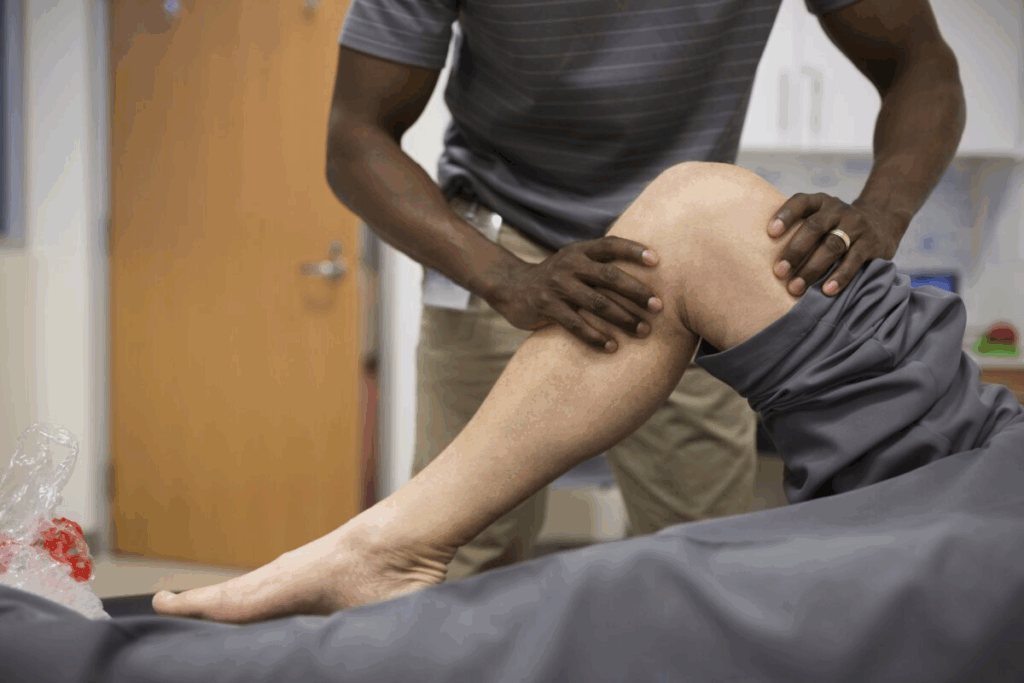
Recovering from an Achilles tendon rupture needs a good rehab plan. This plan helps get the tendon strong and flexible again. It’s all about getting back to normal.
Physical Therapy Protocols
Physical therapy is key in the healing process. First, it helps reduce pain and swelling. Then, it moves on to exercises that improve movement and strengthen the calf.
Next, progressive resistance exercises are added. These help the tendon get stronger and heal faster.
Later, functional training is introduced. This includes activities that are like daily tasks and sports. It’s important for getting ready to do things without worrying about hurting the tendon again.
Return to Activities and Sports
To go back to sports or activities, you need to be strong and move well. You also need to be able to do things without pain. A gradual return to activity is best, starting with simple exercises and getting harder as you get better.
Rehab isn’t just about getting strong. It also helps you feel confident and ready to go back to sports or activities. This way, you’re less likely to hurt the tendon again.
Rehab experts work with you to make a plan that fits your needs. They help you get back to doing things safely and effectively.
Conclusion
The urgency of Achilles rupture is very high. Quick medical help is key to avoid more harm and get the best recovery. Knowing the causes, signs, and treatment choices is important for good care.
Treatment for Achilles tendon rupture can be surgery or non-surgery, based on the injury’s severity. Quick action is vital to avoid problems and help recovery. Most people can get back their strength and move well again with the right care.
Good treatment and rehab need a full plan, including physical therapy, managing pain, and slowly getting back to activities. Understanding the need for fast treatment and following a detailed rehab plan helps people beat Achilles rupture. They can then live a better life again.
FAQ
What are the symptoms of an Achilles tendon rupture?
Symptoms include sudden, severe pain in the ankle’s back. You might hear a snapping or popping sound. Walking becomes hard, and swelling occurs.
How is an Achilles tendon rupture diagnosed?
Doctors use a physical exam, like the Thompson Test, and imaging like ultrasound or MRI to diagnose.
What is the Thompson Test?
The Thompson Test checks if the ankle moves when the calf is squeezed. If it doesn’t, the tendon is likely ruptured.
How urgent is treatment for an Achilles tendon rupture?
Treatment is urgent. Quick action can prevent complications and improve recovery chances.
What are the treatment options for an Achilles tendon rupture?
Options include surgery, either open or minimally invasive, and non-surgical methods like casting.
What is the RICE protocol, and how does it apply to Achilles tendon rupture?
RICE stands for Rest, Ice, Compression, and Elevation. It’s a first aid method to manage pain and swelling after a rupture.
How long does it take to recover from an Achilles tendon rupture?
Recovery time varies. It can take months to over a year, depending on the rupture’s severity and treatment.
Can an Achilles tendon rupture heal without surgery?
Yes, some ruptures can heal without surgery. This is more likely for partial ruptures or in certain patient cases.
What are the risks associated with delayed treatment of an Achilles tendon rupture?
Delayed treatment increases risks. These include re-rupture, longer recovery times, and worse outcomes.
How does physical therapy contribute to the recovery from an Achilles tendon rupture?
Physical therapy is key. It helps regain strength, improve movement, and safely return to activities.
What are the possible complications of Achilles tendon rupture surgery?
Complications include infection, wound issues, nerve damage, and re-rupture. Skilled surgery is vital to avoid these.
How can pain be managed during recovery from an Achilles tendon rupture?
Pain management includes medication and immobilization for acute pain. Chronic pain is managed through exercises and other interventions.
Reference
- National Center for Biotechnology Information. (2012). Tendon injuries of the hand.https://pmc.ncbi.nlm.nih.gov/articles/PMC3377907



 Departments
 Related Videos
 Our Doctors
 News
News