
Ear infections are a common health issue, affecting millions of people worldwide each year. Stage3 ear infections represent a severe form of this condition. If left untreated, they can lead to serious complications.
How bad is it? Urgent care ear infection visits are common. Learn the best stage tips to know if your infection has reached stage 3.
When an ear infection reaches Stage3, it’s a sign that the condition has worsened. It needs immediate care to avoid long-term damage. Knowing how severe Stage3 ear infections are is key to getting the right medical help on time.
Key Takeaways
- Stage3 ear infections are a severe form of ear infection that requires immediate medical attention.
- Seeking urgent care for ear infections can prevent serious complications.
- Understanding the stages of ear infections is critical for timely medical intervention.
- Immediate care for ear infections can significantly reduce the risk of long-term damage.
- Advanced ear infections can lead to serious health issues if left untreated.
Understanding Ear Infections

Ear infections can be very painful and disrupt your day. It’s important to know about their types and how they affect the ear. These infections can happen to anyone, at any age. If you’re feeling ear pain, you might need to see a walk-in clinic right away.
Types of Ear Infections
There are three main types of ear infections. Otitis media, or middle ear infections, is the most common. It happens when bacteria or viruses infect the middle ear, often in children.
- Outer ear infections affect the ear canal and are often caused by bacterial or fungal infections.
- Middle ear infections involve the middle ear and are usually caused by bacterial or viral infections.
- Inner ear infections affect the inner ear and can impact balance and hearing.
The Anatomy of the Ear and Infection Sites
The ear is divided into three main parts: the outer ear, middle ear, and inner ear. Knowing the anatomy helps us understand how infections spread. The outer ear collects sound, while the middle ear sends sound vibrations to the inner ear. There, they are turned into electrical signals for the brain.
Ear infections can cause a lot of discomfort and serious problems if not treated quickly. It’s key to recognize the signs and get urgent medical care for ear discomfort. This helps manage the infection and prevents long-term damage.
The Progression of Ear Infections: Stages1-3
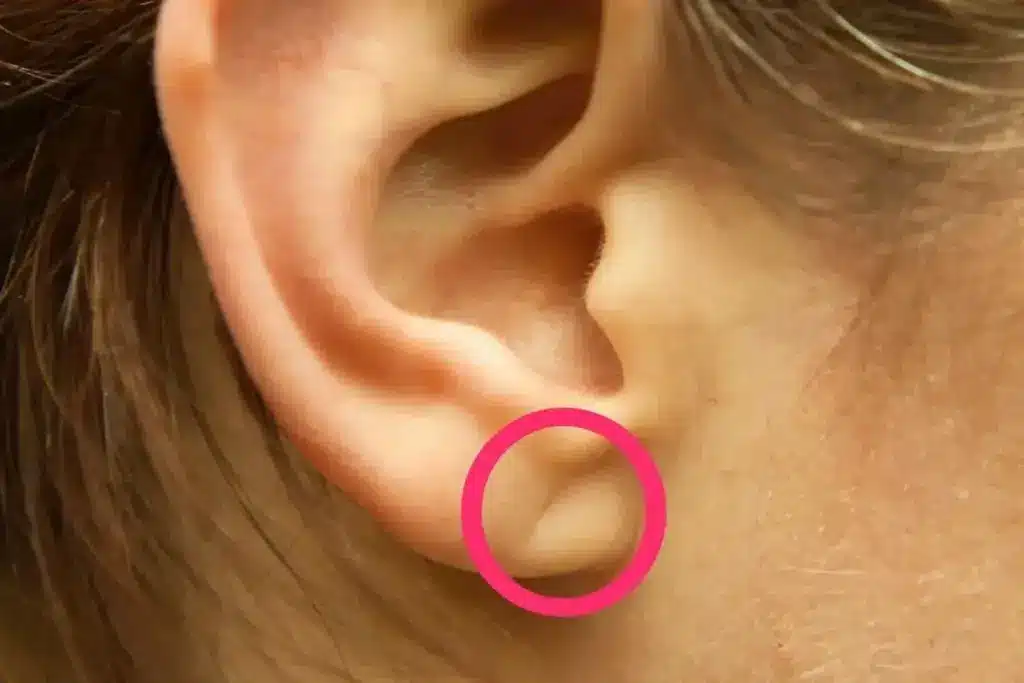
Ear infections go through three stages, each with its own symptoms and severity. Knowing these stages helps figure out the right treatment and when to get emergency ear infection treatment.
Stage 1: Early Infection
The early stage is when the infection starts. Symptoms are mild, like feeling full in the ear, slight hearing loss, or mild discomfort. At this point, treatment can be simple, and a visit to a same day urgent care clinic can help a lot.
Stage 2: Moderate Infection
When the infection gets to the moderate stage, symptoms get worse. You might feel more pain in your ear, have noticeable hearing loss, fever, or be more irritable, which is common in kids. At this stage, you need medical help to stop things from getting worse, and antibiotics might be given.
Stage 3: Severe Infection
The severe stage is when the infection has really taken hold. You might feel a lot of pain, have a high fever, and serious hearing loss. There’s also a chance of complications like mastoiditis or the infection spreading to other parts of your head. Getting medical help right away is key to avoid lasting damage and get the right treatment, which could include stronger medicines or surgery.
It’s important to know how ear infections progress and when to see a doctor. If your symptoms don’t get better or get worse, going to a healthcare provider or an urgent care clinic is a good idea. They can check you out and give the right treatment to fight the infection.
Recognizing Stage3 Ear Infection Symptoms
Knowing the signs of Stage 3 ear infections is key to getting quick help. These infections have severe symptoms that need fast medical check-ups.
Common Symptoms in Adults
Adults with Stage 3 infections often have intense ear pain and hearing loss. The pain can feel sharp and spread to other areas. Severe ear pain that gets worse is a big sign of a Stage 3 infection.
They might also see fluid coming out of their ear, which means the eardrum might be torn. Other signs include dizziness, nausea, and feeling really sick.
Common Symptoms in Children
Children with Stage 3 infections show different signs than adults. They might pull their ear, have trouble sleeping, and be very fussy. They could also have a fever, not hear quiet sounds well, or have trouble balancing.
In babies, symptoms can be less clear. They might have a fever, be very upset, and pull at their ear. It’s very important for parents to watch for these signs and get medical help if they think their baby has an ear infection.
Red Flags That Require Immediate Attention
Some symptoms need immediate help. These include very bad ear pain, high fever (over 102°F), fluid coming out of the ear, and trouble hearing. If you or your child has any of these signs, get urgent care from a specialist right away.
|
Symptom |
Adults |
Children |
|---|---|---|
|
Ear Pain |
Sharp, stabbing pain |
Pulling or tugging at the ear |
|
Fever |
High fever over 102°F |
Fever, irritability |
|
Hearing Loss |
Difficulty hearing |
Less responsive to quiet sounds |
|
Discharge |
Fluid leaking from the ear |
N/A |
It’s very important to know these symptoms and when to see a doctor. If you think you have a Stage 3 ear infection, go to an urgent care specialist for ear issues for the right care.
Causes and Risk Factors for Severe Ear Infections
Severe ear infections come from a mix of common germs, risk factors, and the environment. Knowing these helps in prompt ear infection treatment and avoiding serious problems.
Common Pathogens
Severe ear infections are usually caused by bacteria or viruses. The main bacteria are Streptococcus pneumoniae, Haemophilus influenzae, and Moraxella catarrhalis. Viruses like RSV and influenza can also lead to severe infections by making the ear more open to bacteria.
Predisposing Factors
Some things make you more likely to get severe ear infections. These include:
- Age: Young kids get ear infections more because their immune systems are not fully grown and their Eustachian tubes are different.
- Genetic predisposition: If your family often gets ear infections, you might too.
- Anatomical issues: Problems like cleft palate or Down syndrome can mess with the Eustachian tube.
- Allergies and respiratory conditions: Having allergies, asthma, or other breathing problems can raise your risk.
Seasonal and Environmental Influences
Seasons and the environment also affect ear infections. For example:
- Cold weather: More upper respiratory infections in winter can mean more ear infections.
- Exposure to smoke: Being around tobacco smoke can increase your risk.
- Daycare attendance: Kids in daycare are more exposed to germs.
Knowing about these causes and risks is key for urgent care ear infection management and prevention. By tackling these factors, you can lower your chance of severe ear infections and get help quickly if needed.
Diagnosing a Stage3 Ear Infection
Getting a Stage 3 ear infection diagnosed right is key for good treatment. Doctors use physical exams and imaging to check the infection’s severity. This helps them give the right care.
Physical Examination Procedures
First, doctors do a detailed physical check to spot a Stage 3 ear infection. They use an otoscope to look into the ear canal and eardrum. They look for signs like redness, swelling, and fluid.
They might also do a tympanocentesis. This is when they take a sample of fluid from the middle ear. It helps them find out what’s causing the infection. This is very important for treating severe cases.
Diagnostic Tests and Imaging
More tests might be needed to fully understand the infection. Audiometry tests check for hearing loss. This is very important for kids to make sure they’re developing properly.
In some cases, imaging studies like CT or MRI scans are used. These scans help find problems like mastoiditis or abscesses. These need quick medical help.
“Prompt diagnosis and treatment of ear infections are critical to avoid long-term problems and ensure the best results for patients.” – Dr. Jane Smith, ENT Specialist
If you have bad ear infection symptoms, a walk-in clinic for ear pain can help quickly. In very bad cases, emergency ear infection treatment might be needed to stop serious problems.
When to Seek Urgent Care for Ear Infections
If you’re feeling severe ear infection symptoms, knowing when to go to urgent care is key. Ear infections can be very uncomfortable and might get worse if not treated quickly.
Symptoms Requiring Immediate Medical Attention
Certain symptoms mean you need to see a doctor right away. These include:
- Severe ear pain that doesn’t subside
- High fever (over 102°F)
- Difficulty hearing or sudden hearing loss
- Discharge or fluid leaking from the ear
- Dizziness or loss of balance
If you or your child has any of these symptoms, get medical help fast.
Difference Between Emergency Room and Urgent Care
It’s important to know the difference between the emergency room (ER) and urgent care. The ER deals with serious, life-threatening issues. Urgent care is for less serious problems that need quick attention.
|
Condition |
Emergency Room (ER) |
Urgent Care |
|---|---|---|
|
Life-threatening conditions |
Yes |
No |
|
Non-life-threatening conditions |
Yes |
Yes |
|
Waiting Time |
Often longer due to priority on critical cases |
Generally shorter |
What to Expect at an Urgent Care Visit
Going to urgent care for an ear infection is easy. First, you’ll share your medical history and symptoms.
Then, a healthcare professional will do a physical check-up. This might include:
- Otoscopy to examine the ear canal and eardrum
- Hearing tests if necessary
The doctor will then decide the best treatment. This could be antibiotics, pain relief, or more tests.
Urgent care centers are great for ear infections. They offer same-day service, making them perfect for quick care.
Urgent Care Ear Infection Treatment Options
Urgent care specialists are trained to diagnose and treat ear infections. They use various methods. When you visit an urgent care center for an ear infection, you’ll get a full check-up. Then, they’ll create a treatment plan just for you.
Medication Therapies
Medication is often the first treatment for ear infections. Urgent care providers might give you:
- Antibiotics: To fight bacterial infections and prevent complications.
- Antiviral medications: For viral infections, though their success can vary.
- Over-the-counter pain relievers: Like acetaminophen or ibuprofen to ease pain and lower fever.
- Ear drops: To ease pain and reduce swelling.
It’s important to follow the treatment plan. This ensures the infection is fully cleared and helps avoid antibiotic resistance.
Surgical Interventions
In severe or recurring cases, surgery might be needed. Urgent care specialists might suggest:
- Myringotomy: A procedure to drain fluid from the eardrum through a small incision.
- Ear tubes: To ventilate the middle ear and prevent fluid buildup.
These procedures are done by an ENT specialist. Urgent care providers can help with the referral.
Pain Management Strategies
Managing pain is key in treating ear infections. Apart from medication, other methods include:
- Warm compresses: A warm compress on the affected ear can help with pain.
- Elevating the head: Sleeping with the head slightly raised can reduce pressure and discomfort.
The American Academy of Pediatrics emphasizes the importance of pain management in treating ear infections. (Source:
“The diagnosis and treatment of acute otitis media are critical to prevent long-term complications.”
American Academy of Pediatrics
|
Treatment Option |
Description |
Benefit |
|---|---|---|
|
Antibiotics |
Medication to combat bacterial infections |
Reduces risk of complications |
|
Antiviral medications |
Medication for viral infections |
May reduce severity and duration |
|
Pain relievers |
Over-the-counter medication for pain and fever |
Alleviates discomfort and reduces fever |
Urgent care centers offer immediate relief and effective treatment for ear infections. Knowing the treatment options helps you make informed decisions about your care.
Potential Complications of Untreated Stage3 Ear Infections
Stage 3 ear infections need prompt ear infection treatment to avoid serious problems. If not treated, these infections can cause harm to the ear and overall health.
Short-term Complications
Untreated Stage 3 ear infections can lead to:
- Mastoiditis, an infection of the mastoid bone
- Labyrinthitis, an inner ear disorder that can cause dizziness and hearing loss
- Persistent ear pain and discomfort
The American Academy of Otolaryngology warns, “Mastoiditis is a serious complication that requires immediate medical attention.”
“Mastoiditis is a potentially life-threatening condition that can result from untreated ear infections.”
Long-term Complications
Long-term effects can seriously impact health and quality of life. These may include:
|
Complication |
Description |
|---|---|
|
Permanent Hearing Loss |
Untreated ear infections can damage the eardrum and inner ear structures, leading to permanent hearing impairment. |
|
Tinnitus |
A condition characterized by ringing or other sounds in the ear, which can be a result of inner ear damage. |
|
Chronic Ear Infections |
Recurrent infections can lead to chronic conditions that require ongoing management. |
Life-threatening Complications
In rare cases, untreated Stage 3 ear infections can cause severe problems. These include:
- Meningitis, an infection of the membranes surrounding the brain and spinal cord
- Brain abscess, a collection of pus in the brain tissue
It’s vital to seek rapid care for ear infections to avoid these serious outcomes. Early treatment can greatly reduce the risk of complications.
Recovery and Follow-up Care
Understanding the healing process is key to recovering from a severe ear infection. After treatment at an urgent care center, you’ll start feeling better in a few days. It’s important to stick to your treatment plan and keep up with follow-up appointments for full recovery.
Expected Recovery Timeline
The time it takes to recover from a Stage 3 ear infection varies. It depends on your health and how well the treatment works. Here are some general recovery milestones:
- 2-3 days: You’ll notice a big drop in pain and discomfort.
- 5-7 days: Your hearing should improve, and the fever should go down.
- 1-2 weeks: Most people see their symptoms go away completely.
Some people might have lingering symptoms or complications, which can be serious. If you have other health issues, you might need more medical help.
Follow-up Appointments and Monitoring
Follow-up visits are very important for your recovery. At these appointments, doctors can check if the treatment is working. They can also look for any complications and give advice on what to do next. It’s best to schedule a follow-up within 7-10 days after your first treatment.
“Follow-up care is critical to make sure the infection is gone and there are no lasting problems.” – Dr. Jane Smith, ENT Specialist
At your follow-up, tell your doctor about any symptoms that don’t go away or get worse. This includes:
|
Symptom |
Action |
|---|---|
|
Persistent ear pain |
Consult your healthcare provider for further evaluation |
|
Hearing loss |
Schedule a hearing test if necessary |
|
Fever or discharge |
Seek immediate medical attention |
By knowing what to expect and following up with your care, you can recover well from Stage 3 ear infections. If you have ear pain or think you might have an infection, go to a walk-in clinic for quick help.
Preventing Recurrent Ear Infections
To avoid the discomfort and complications of recurrent ear infections, it’s important to take a few steps. These steps include making lifestyle changes, getting medical help, and adjusting your environment.
Lifestyle Modifications
Making some lifestyle changes can help a lot. Avoiding smoke and keeping clean are key. Washing your hands often, and breastfeeding, can also help fight off infections.
For those who get ear infections a lot, staying away from allergens is important. This means avoiding dust mites, pet dander, and other allergens. Using allergy-proof bedding and keeping pets out of bedrooms can help.
Preventive Medications and Vaccinations
Some medicines and vaccines can really help prevent ear infections. The pneumococcal conjugate vaccine (PCV) and the influenza vaccine are very effective. For those with recurring infections, prophylactic antibiotics might be suggested.
It’s also key to keep up with vaccinations. They help prevent infections that can lead to ear infections. Talking to a healthcare provider at a same day urgent care clinic can help figure out the best prevention plan.
Environmental Controls
Changing your environment can also help prevent ear infections. Reducing cold air exposure and avoiding sudden air pressure changes are good. For kids, avoiding secondhand smoke is very important.
For those prone to ear infections, using ear protection is a good idea. Custom-fitted earplugs can keep water out of your ears.
By following these steps, you can lower your risk of getting ear infections again. If you do get an infection, getting emergency ear infection treatment at a good urgent care is key to avoid serious problems.
Special Considerations for Children with Stage3 Ear Infections
Children with Stage 3 ear infections need extra care. These infections can harm their hearing and development. It’s important for parents and caregivers to understand the risks.
Impact on Hearing and Development
Stage 3 ear infections can hurt a child’s hearing. This can affect their speech and thinking skills. Getting medical help quickly is key to prevent these problems.
Watching a child’s hearing and growth is very important after an infection. If a child keeps having hearing loss, it can make learning and talking hard.
|
Developmental Aspect |
Potential Impact |
Mitigation Strategy |
|---|---|---|
|
Speech Development |
Delayed or impaired speech |
Regular hearing tests, speech therapy |
|
Cognitive Skills |
Difficulty in learning |
Early intervention programs, educational support |
|
Social Development |
Social withdrawal or difficulty interacting |
Encouraging social interaction, counseling |
School and Activity Recommendations
Children with Stage 3 ear infections might need to change their school and activity plans. Talking with teachers is important to make sure the child gets the help they need. This could include extra time on assignments or special listening tools.
When deciding on activities, think about the child’s health. Rest is important, but so is staying active in a way that’s not too hard.
When to Consider Ear Tubes
Some kids with many ear infections might need ear tubes. This surgery helps drain fluid and can reduce infections and hearing loss.
Talking to the doctor about ear tubes is a good idea. They can help decide if it’s the right choice for your child.
Finding the Right Same-Day Urgent Care Clinic for Ear Infections
Choosing the right urgent care clinic is key for managing severe ear infections. There are many options, so it’s important to look at a few key factors.
Urgent care clinics that focus on ear infections are a great choice. They offer quick and effective care without the need for the emergency room. Look for clinics that meet your needs in terms of location, hours, and wait times.
Evaluating Urgent Care Facilities
When searching for a clinic, find ones with experience in treating ear infections. Make sure they have urgent care specialists who know about ear problems. Also, check their location, hours, and wait times to see if they fit your schedule.
Reading reviews and asking for recommendations from others can also help. Talk to friends, family, or your doctor to learn more about a clinic’s reputation and care quality.
Questions to Ask Your Provider
After finding a clinic, it’s important to ask the right questions. Ask about their experience with ear infections, wait times, and treatment options. Here are some questions to consider:
- What is your experience in treating ear infections?
- What diagnostic tests do you perform to determine the cause of the infection?
- What treatment options do you offer for severe ear infections?
- Are follow-up appointments available if needed?
Insurance and Cost Considerations
Before you go, understand the costs and insurance coverage. Some clinics offer financing or accept many insurance plans, which can help with costs.
Check if the clinic is in-network with your insurance to save money. If you’re uninsured or underinsured, ask about self-pay options and discounts.
By carefully choosing a clinic, asking the right questions, and considering costs, you can find a place that offers rapid care for ear infections. This will help you recover quickly and effectively.
Conclusion
Knowing how serious Stage3 ear infections are is key. Getting quick treatment can help a lot. Urgent care is important for fast medical help.
Going to urgent care when symptoms get worse or show red flags is very important. It can greatly improve treatment results. Knowing the causes, symptoms, and treatments helps fight ear infections well.
If you think you have a Stage3 ear infection, urgent care is a good place to go. They can treat ear infections quickly. This ensures you get the care you need fast.
FAQ
What is a Stage3 ear infection, and why is urgent care necessary?
A Stage3 ear infection is very serious and needs quick medical help. Urgent care is key to avoid serious problems and help you get better.
What are the common symptoms of a Stage3 ear infection in adults?
Adults often feel severe ear pain, fever, and hearing loss. They might also notice discharge from their ear.
How do I know if my child’s ear infection is severe and requires immediate attention?
Look out for signs like high fever, severe pain, vomiting, or trouble hearing. If your child shows these, get urgent care right away.
What are the causes and risk factors for severe ear infections?
Ear infections can come from bacteria or viruses. Things like allergies, colds, and sinus infections can make you more likely to get one. Being around smoke also raises the risk.
How are Stage3 ear infections diagnosed?
Doctors use a physical check-up, like otoscopy, and tests like tympanometry or hearing tests to diagnose.
When should I seek urgent care for an ear infection instead of going to the emergency room?
Urgent care is good for ear infections that aren’t life-threatening. But, if you have trouble breathing, facial paralysis, or severe dizziness, go to the emergency room.
What treatment options are available for ear infections at urgent care facilities?
Urgent care might give you antibiotics, help with pain, or sometimes surgery like tympanocentesis or ear tube placement.
What are the possible complications of untreated Stage3 ear infections?
Untreated infections can lead to hearing loss, chronic infections, or even mastoiditis, which is very serious.
How can I prevent recurrent ear infections?
To avoid getting ear infections again, make lifestyle changes, take preventive meds, get vaccinated, and stay away from smoke.
What are the special considerations for children with Stage3 ear infections?
Children need to be watched for hearing loss and developmental delays. They might need to stay out of school and activities. Ear tubes might be an option for them too.
How do I choose the right same-day urgent care clinic for ear infections?
Look at the clinic’s qualifications, services, and insurance. Ask about their experience with ear infections and what treatments they offer.
What can I expect during an urgent care visit for an ear infection?
You’ll get a physical check-up, tests, and a treatment plan. This might include medicine or more steps.
Are there any additional costs or insurance considerations for urgent care visits?
Check with your insurance to know what’s covered and what you’ll pay out of pocket. Some urgent care places offer payment plans or accept many insurance plans.
Reference
National Center for Biotechnology Information. Evidence-Based Medical Insight. Retrieved from https://pubmed.ncbi.nlm.nih.gov/23439890/