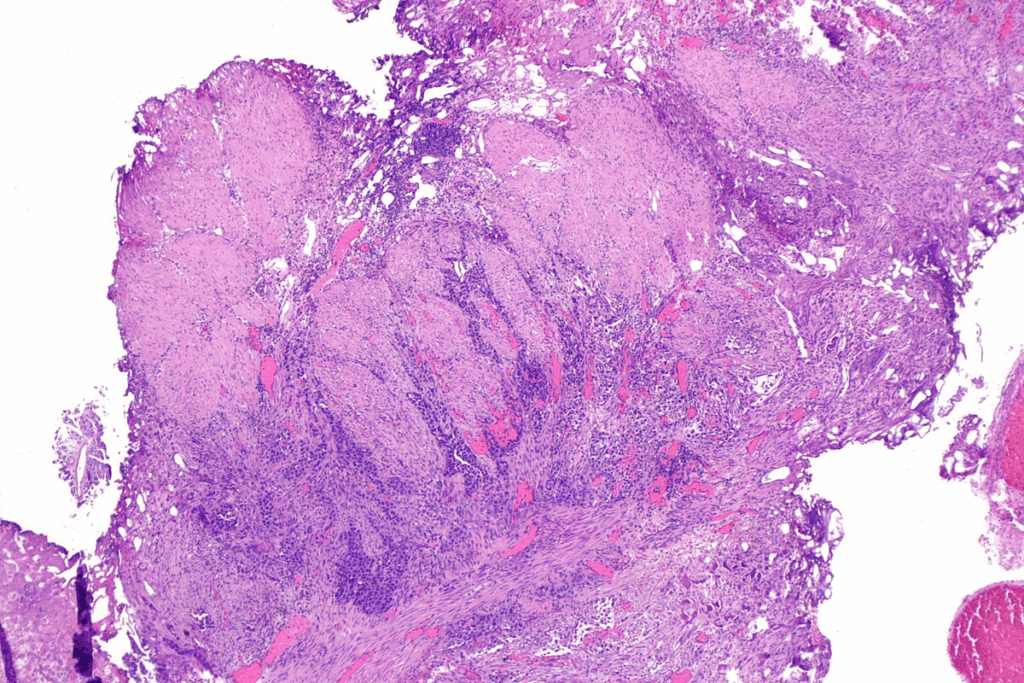
Bladder cancer is a big health issue, affecting millions globally. We aim to help patients by teaching them and using proven prevention strategies. Every year, about 430,000 people get bladder cancer worldwide. In the U.S., the American Cancer Society says there will be about 84,870 new cases in 2025. Learn about urinary bladder cancer prevention by understanding and avoiding the key risk factors associated with the disease.
Knowing the main risk factors helps you lower your risk of getting this disease. At Liv Hospital, we offer top-notch healthcare and support for patients from abroad.
Key Takeaways
- Understanding risk factors is key to preventing bladder cancer.
- Every year, about 430,000 people worldwide get bladder cancer.
- The American Cancer Society predicts about 84,870 new cases in the U.S. for 2025.
- Teaching patients is vital for prevention.
- Liv Hospital gives full support to international patients.
Understanding Bladder Cancer: Statistics and Significance
It’s important to know the stats on bladder cancer to understand its impact. This cancer is common worldwide, affecting many people’s lives and survival chances.
Global and US Prevalence Data
Bladder cancer is a big health issue globally. It’s the 10th most common cancer, with about 550,000 new cases each year. In the US, it causes 83,000 new cases and 17,000 deaths yearly.
The risk of bladder cancer changes based on where you live and who you are. It’s more common in men and older people. Most cases are found in those over 65.
| Region | Incidence Rate (per 100,000) | Mortality Rate (per 100,000) |
| Global | 9.0 | 3.0 |
| United States | 21.1 | 4.3 |
| Europe | 16.1 | 4.5 |
Impact on Quality of Life and Survival Rates
Bladder cancer affects patients’ daily lives. Symptoms like blood in the urine and pain can make everyday tasks hard. Advanced cases can spread to other parts of the body.
Survival rates depend on when the cancer is caught. For early-stage bladder cancer, the 5-year survival rate is about 70%. But, this number drops for more advanced cases. Early detection and treatment are key.
Knowing the stats and importance of bladder cancer helps us fight it better. This knowledge helps doctors, patients, and families make better choices about care.
Smoking: The Leading Risk Factor for Bladder Cancer

Smoking is the main cause of bladder cancer, leading to nearly half of all cases. It affects not just current smokers but also those who have quit and those exposed to second-hand smoke.
How Tobacco Carcinogens Affect the Bladder
Tobacco smoke has many harmful chemicals. These are absorbed into the bloodstream and then filtered by the kidneys into the urine. This urine, full of carcinogens, damages the bladder lining, raising the risk of cancer.
The chemicals in tobacco smoke, like aromatic amines and polycyclic aromatic hydrocarbons, harm the bladder. Long-term exposure can cause genetic mutations and lead to cancer.
Relative Risk Statistics for Current and Former Smokers
Smokers are at least three times more likely to get bladder cancer than non-smokers. The risk is highest for current smokers, but former smokers also face a higher risk.
Quitting smoking lowers the risk of bladder cancer, but it never goes back to zero. This shows why quitting is so important and why former smokers need ongoing checks.
Second-hand Smoke Considerations
While the risk is lower, second-hand smoke also increases bladder cancer risk. This is a big worry for those living or working where they’re often exposed to tobacco smoke.
Lowering second-hand smoke exposure is key to reducing bladder cancer rates. This can be done with smoke-free policies in public and work areas.
Effective Strategies to Quit Smoking for Urinary Bladder Cancer Prevention
Stopping smoking is key to lowering bladder cancer risk. Quitting can greatly reduce bladder cancer and other smoking-related diseases. We’ll look at ways to help you quit smoking and prevent bladder cancer.
Nicotine Replacement Therapies and Medications
Nicotine replacement therapy (NRT) and medications help manage withdrawal and cravings. NRT is available in:
- Nicotine gum
- Nicotine patches
- Nicotine lozenges
- Nicotine inhalers
Prescription drugs like bupropion and varenicline also help. They work by targeting nicotine receptors in the brain, making quitting easier.
Behavioral Support Programs and Resources
Behavioral support programs offer counseling and guidance for quitting. They include:
- Individual counseling
- Group therapy sessions
- Telephone quitlines
- Mobile apps for tracking progress
These resources provide encouragement and strategies for managing cravings. Combining them with NRT or medications boosts quitting success.
Timeline of Risk Reduction After Quitting
Quitting smoking greatly reduces bladder cancer risk over time. The longer you stay smoke-free, the more risk decreases. Key milestones are:
- 20% reduction in risk within 2 years of quitting
- 30% reduction in risk within 5 years of quitting
- 50% reduction in risk within 10 years of quitting
Quitting smoking is a big step towards preventing bladder cancer and improving health.
Occupational Chemical Exposure: Industries at Risk
Certain jobs expose workers to chemicals linked to bladder cancer. Knowing which jobs are at risk helps us prevent this disease. It’s key to understand these risks to keep workers safe.
Dye, Rubber, and Textile Manufacturing Hazards
Jobs in dye, rubber, and textile making are very risky. Workers face chemicals that can cause bladder cancer. Aromatic amines, like benzidine, are big culprits. They’re used in making dyes and pigments.
- Dye manufacturing: Exposure to aromatic amines
- Rubber industry: Use of chemicals like benzidine in production processes
- Textile manufacturing: Possible exposure to dyes and finishing agents
Paint Production and Chemical Processing Risks
Workers in paint and chemical making face big risks too. Solvents and additives in these industries can be harmful. These chemicals can damage the bladder when they’re in the urine.
- Paint production: Exposure to solvents and pigments
- Chemical processing: Handling of potentially carcinogenic substances
Mechanism of Carcinogenesis from Industrial Chemicals
How industrial chemicals cause bladder cancer is complex. First, they get into the body, often through breathing or skin contact. Then, they’re changed into more harmful forms. These forms are in the urine and can harm the bladder, leading to cancer.
It’s vital to know about the dangers of work-related chemical exposure. By finding out which jobs are risky and taking safety steps, we can fight bladder cancer. This helps keep workers safe and healthy.
Workplace Safety Measures to Reduce Bladder Cancer Risk
Keeping the workplace safe is essential to lower bladder cancer risk for workers. It’s important to prevent exposure to harmful substances that can cause bladder cancer.
Personal Protective Equipment Requirements
Using Personal Protective Equipment (PPE) is a key way to lower bladder cancer risk. PPE includes gloves, masks, and protective clothing. It helps prevent skin contact and breathing in harmful chemicals.
Employers must make sure PPE is available, fits right, and is kept in good condition. It’s also important to train workers on how to use PPE correctly.
Workplace Regulations and Compliance Standards
Following workplace regulations and compliance standards is vital. Organizations like OSHA set rules for safe handling of dangerous materials. They also set limits for exposure and require monitoring.
Employers need to keep up with these rules and follow them. This means doing regular risk assessments, keeping accurate chemical exposure records, and training employees.
Employee Education and Exposure Monitoring
Employee education is a big part of workplace safety. Workers need to know about the risks, safety steps, and what to do in emergencies. Regular training keeps everyone alert.
Exposure monitoring checks for hazards and measures harmful substance levels. This helps find and fix risks before they hurt workers.
By taking these steps, we can greatly lower bladder cancer risk in high-risk jobs. It’s a team effort that needs everyone’s commitment.
Chronic Urinary Tract Infections and Inflammation
Chronic inflammation from urinary tract infections can lead to bladder cancer. We will look at how long-term UTIs increase this risk. We will also discuss ways to lower this risk.
Promoting Cancer Development through Chronic Inflammation
Long-term UTIs cause ongoing inflammation in the bladder. This long-lasting inflammation can change bladder cells’ genes, possibly leading to cancer. The damage comes from reactive oxygen species and other inflammatory substances that harm DNA.
Key factors linking chronic UTIs to bladder cancer include:
- Persistent bacterial colonization
- Recurrent episodes of acute inflammation
- Chronic irritation of the bladder mucosa
Effective Management of Recurrent UTIs
It’s important to manage recurring UTIs to avoid serious problems like bladder cancer. Here are some ways to do it:
- Antibiotic prophylaxis for frequent UTIs
- Lifestyle modifications such as increased fluid intake and proper hygiene practices
- Consideration of non-antibiotic preventive measures for recurrent UTIs
| Management Strategy | Description | Benefits |
| Antibiotic Prophylaxis | Long-term use of low-dose antibiotics to prevent UTIs | Reduces frequency of UTIs |
| Lifestyle Modifications | Changes in daily habits to prevent UTIs | Non-invasive, reduces antibiotic use |
| Non-Antibiotic Prevention | Alternative methods to prevent UTIs without antibiotics | Reduces antibiotic resistance |
When to Seek Specialized Urological Care
If you keep getting UTIs or have ongoing symptoms, see a urologist. They can do more tests and create a treatment plan. This plan can help manage UTIs and lower cancer risk.
- Advanced diagnostic testing to identify underlying causes
- Personalized treatment plans to manage UTIs and reduce cancer risk
- Monitoring for possible complications, including bladder cancer
Getting help early and managing UTIs well can greatly lower the risk of bladder cancer.
Genetic Factors and Family History Considerations
Genetic predisposition is a big factor in bladder cancer. Family history is very important. Some genetic mutations can greatly raise the risk of bladder cancer. We will look at the main genetic factors and family history links to bladder cancer risk.
Inherited Gene Mutations Associated with Bladder Cancer
Some gene mutations are linked to a higher bladder cancer risk. For example, RB1 and PTEN gene mutations are associated with a higher risk. These genes help control cell growth and division. Mutations can cause cells to grow out of control.
Lynch Syndrome and Other Genetic Syndromes
Lynch syndrome, or hereditary nonpolyposis colorectal cancer (HNPCC), raises the risk of bladder cancer. People with Lynch syndrome have a higher risk due to DNA mismatch repair gene mutations. Other syndromes, like Cowden syndrome, also linked to PTEN mutations, increase bladder cancer risk.
Genetic Testing and Counseling Options
Genetic testing and counseling are helpful for those with a family history of bladder or related cancers. Testing can find inherited mutations that raise cancer risk. Counseling gives information on risk and how to manage it.
Important points about genetic factors and bladder cancer include:
- Family history of bladder or related cancers
- Presence of specific genetic syndromes like Lynch syndrome
- Inherited mutations in genes such as RB1 and PTEN
Environmental Exposures: Arsenic and Water Safety
Arsenic in groundwater is a big health risk, mainly for bladder cancer. It affects millions worldwide through drinking water. We’ll look at where it’s most common and how to reduce the risk.
Geographic Areas with High Arsenic Contamination
Many places around the world face arsenic in their water, including the U.S., South America, and Asia. In the U.S., California, Nevada, and New England have high levels. We’ll check out these areas and what’s being done to fix it.
| Region | Arsenic Levels (µg/L) | Population Affected |
| California, USA | 10-50 | 1 million+ |
| Nevada, USA | 20-100 | 500,000+ |
| Bangladesh | 50-200 | 10 million+ |
Water Testing Protocols and Home Filtration Systems
To fight arsenic in water, we need good testing and filters. Regular water tests are key. For those in polluted areas, using certified filters is vital.
Key Features of Effective Arsenic Removal Filters:
- Certification by reputable third-party organizations (e.g., NSF International)
- Ability to remove arsenic to levels below 10 µg/L
- Regular maintenance and replacement of filter media
Other Environmental Contaminants of Concern
Other pollutants like chlorination byproducts and pesticides also raise bladder cancer risk. We’ll talk about these and how to avoid them.
Strategies for Minimizing Exposure to Environmental Contaminants:
- Using alternative sources of drinking water when possible
- Implementing home water treatment systems that can remove a broad range of contaminants
- Supporting policies that aim to reduce environmental pollution
Medications That May Increase Bladder Cancer Risk
Certain medications can raise the risk of bladder cancer. These drugs are often needed for health issues, but knowing their risks is key.
Some drugs linked to bladder cancer risk include chemotherapy and diabetes medications. We’ll look into these drugs and why talking to doctors about risks is important.
Cyclophosphamide and Cancer Treatment Agents
Cyclophosphamide is a chemotherapy drug for cancer. Studies show long-term use may raise bladder cancer risk. Damage to the bladder lining is thought to be the cause.
Other cancer drugs might also increase risk. It’s vital for those getting chemotherapy to talk about their risks with doctors.
| Chemotherapy Agent | Bladder Cancer Risk |
| Cyclophosphamide | Increased risk with long-term use |
| Ifosfamide | Potential increased risk |
Pioglitazone and Diabetes Management Alternatives
Pioglitazone helps manage type 2 diabetes but may raise bladder cancer risk. The exact cause is unclear, but it’s thought to be due to bladder irritation and inflammation.
For those with diabetes, weighing pioglitazone’s benefits against its risks is important. There might be other ways to manage diabetes, and doctors can help find the best option.
Risk-Benefit Discussions with Healthcare Providers
When taking drugs that might increase bladder cancer risk, talking to doctors is essential. It’s important to understand the drug’s benefits and risks, your individual risk, and if there are other options.
Patients should ask questions and clarify any concerns about their treatment and bladder cancer risk.
By working with doctors, patients can make informed choices about their care and reduce risks from their medications.
Dietary Approaches to Bladder Cancer Prevention
Research shows that some diets can lower bladder cancer risk. Eating the right foods can help prevent cancer.
Antioxidant-Rich Foods and Their Protective Effects
Eating foods high in antioxidants can protect cells from damage. Antioxidant-rich foods include fruits, vegetables, nuts, and seeds. Berries, leafy greens, and tomatoes are great because they have vitamins C and E, selenium, and more.
For instance, tomatoes and watermelon are good for bladder cancer prevention because of lycopene. Broccoli and cauliflower are also good because they have sulforaphane, which fights cancer.
Hydration Requirements and Water Quality
Drinking enough water is key for urinary tract health and bladder cancer prevention. Water dilutes harmful substances in urine and helps you pee more often. This reduces bladder lining contact with these substances.
Drink 8-10 glasses of water a day. But, make sure your water is clean. Avoid water with contaminants like arsenic to lower your risk.
Foods and Beverages to Limit or Avoid
It’s important to eat good foods and avoid bad ones. Avoid processed meats, foods with lots of saturated fats, and sugary drinks.
- Processed meats, like bacon and sausages, have preservatives that may raise cancer risk.
- Foods with saturated fats can cause inflammation, which is linked to cancer.
- Sugary drinks can lead to obesity and insulin resistance, both cancer risk factors.
By choosing the right foods and staying hydrated, we can lower our bladder cancer risk. A balanced diet and healthy lifestyle are key to well-being and cancer prevention.
Screening and Early Detection for High-Risk Individuals
Early detection is key to improving outcomes in bladder cancer, for those at higher risk. People with a history of smoking, certain chemical exposures, or genetic predispositions are at higher risk. Regular checkups and screenings can help in early detection and prevention.
Risk Assessment Tools and Guidelines
Several tools and guidelines help identify high-risk individuals for bladder cancer. These tools look at age, smoking history, chemical exposures, and family cancer history. Healthcare providers use these to determine risk and suggest screenings.
Key risk factors to consider include:
- Smoking history
- Exposure to certain industrial chemicals
- Family history of bladder cancer
- Previous radiation therapy to the pelvis
- Certain genetic syndromes, such as Lynch syndrome
Warning Signs That Require Medical Attention
Knowing the warning signs of bladder cancer is important for early detection. The most common symptom is hematuria, or blood in the urine. Other symptoms include:
- Painful urination
- Frequent urination
- Urgent need to urinate
- Back or pelvic pain
If you notice any of these symptoms, see a healthcare provider right away.
Available Screening Methods and Their Effectiveness
There are several screening methods for bladder cancer, like urine tests, imaging studies, and cystoscopy. The right method depends on your risk factors and medical history.
Urine tests can find blood or other issues in the urine. Imaging tests, like CT scans or ultrasounds, can spot tumors or bladder abnormalities. Cystoscopy uses a thin tube with a camera to look inside the bladder.
While these methods help in early detection, it’s important to talk about their effectiveness and risks with a healthcare provider. This helps find the best screening for you.
Conclusion: Creating Your Personal Bladder Cancer Prevention Plan
Understanding bladder cancer risk factors is key to prevention. We’ve talked about how smoking, work chemicals, infections, genes, and the environment play a part. These factors can all increase your risk.
To create a prevention plan, make smart lifestyle choices. Quit smoking and follow safety rules at work. Manage infections and watch out for environmental dangers. Eating well and getting regular check-ups are also important.
It’s time to take charge of your health. Use these prevention tips and see your doctor often. This way, you can catch any problems early and lower your risk of bladder cancer.
Living a healthy life and staying informed are essential. By doing so, you can reduce your risk and help create a healthier future for everyone.
FAQ
What are the most significant risk factors for developing bladder cancer?
The main risk factors for bladder cancer are smoking, exposure to harmful chemicals at work, and chronic urinary tract infections. Genetic mutations and arsenic in drinking water also play a role.
How does smoking contribute to bladder cancer risk?
Smoking is a big cause of bladder cancer. Carcinogens from tobacco get into the blood, then the kidneys filter them. These toxins damage the bladder lining, raising cancer risk.
What industries are at higher risk for occupational chemical exposure related to bladder cancer?
Workers in dye, rubber, and textile manufacturing, paint production, and chemical processing face higher risks. They might be exposed to harmful chemicals.
How can workplace safety measures reduce bladder cancer risk?
Using protective gear, following safety rules, and monitoring exposure can lower bladder cancer risk. Employee education is also key.
What is the relationship between chronic urinary tract infections and bladder cancer?
Chronic UTIs can cause bladder inflammation, which may lead to cancer. It’s important to manage UTIs and seek urological care when needed.
Are there genetic factors that increase bladder cancer risk?
Yes, some genetic mutations, like those in Lynch syndrome, raise bladder cancer risk. Genetic testing and counseling may be advised for those with a family history.
How does arsenic in drinking water affect bladder cancer risk?
Arsenic in water is a bladder cancer risk factor, more so in areas with high arsenic levels. Testing and using water filters are essential.
Can certain medications increase bladder cancer risk?
Yes, drugs like cyclophosphamide and pioglitazone may increase bladder cancer risk. It’s important to weigh the benefits and risks with your doctor.
What dietary approaches can help prevent bladder cancer?
Eating foods rich in antioxidants, staying hydrated, and avoiding certain foods can help lower bladder cancer risk.
Who should undergo screening for bladder cancer?
People with a history of smoking, work exposure, or other risk factors should talk to their doctor about screening. Early detection can improve treatment chances.
What are the warning signs that require medical attention for bladder cancer?
Look out for blood in the urine, painful urination, and changes in how often you need to urinate. These signs need medical attention.
References
National Center for Biotechnology Information. (2025). How to Prevent Bladder Cancer Key Risk Factors. Retrieved from https://pubmed.ncbi.nlm.nih.gov/27376048/