

Keeping your bladder healthy is key for your overall well-being. It affects millions of people around the world. To strengthen your bladder, you need to make lifestyle changes, do specific exercises, and eat the right foods.
Improve your urinary bladder health with 7 natural and effective ways to strengthen your bladder muscles and reduce symptoms.
Recent studies show that natural ways can greatly boost bladder function and stop leaks. We’ll look at seven proven methods supported by medical research. These can help you take back control of your bladder health.
This guide covers everything from pelvic floor exercises to diet changes and natural remedies. It shows you how to use these methods in a way that works with your body’s natural systems.
Key Takeaways
- Discover natural methods to improve bladder function
- Learn targeted exercises to strengthen pelvic floor muscles
- Understand the importance of dietary changes for bladder health
- Explore natural remedies that support urinary health
- Regain control over your urinary health with our complete guide
Understanding Bladder Health and Function
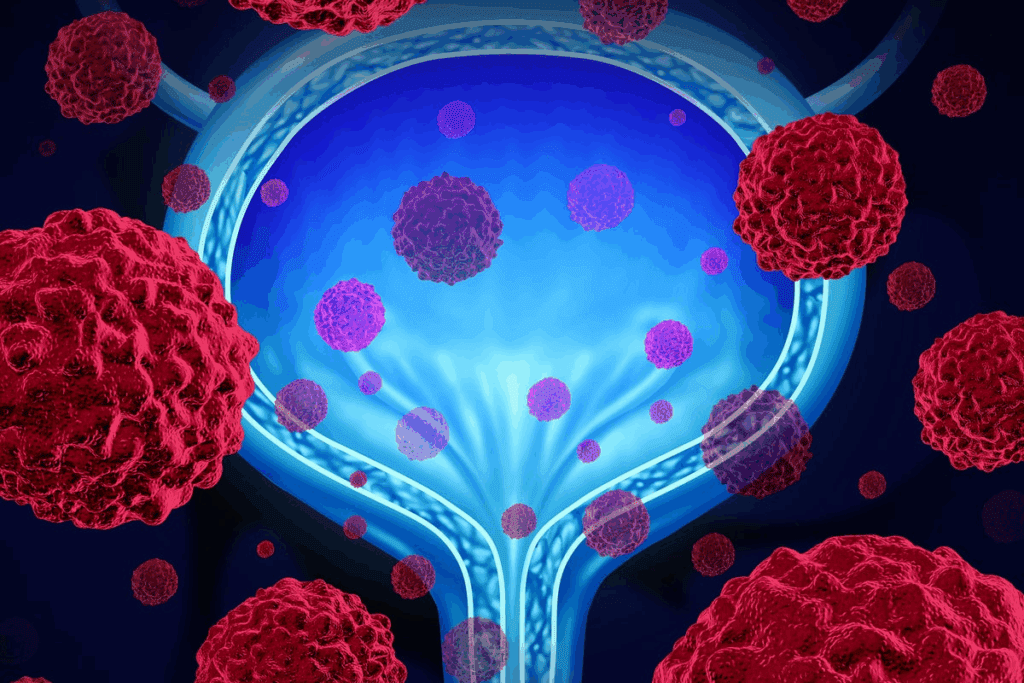
Knowing how the bladder works is key to keeping it healthy. We need to understand the urinary system as a whole to appreciate bladder health.
The Anatomy of the Urinary System
The urinary system, or renal system, helps remove waste and extra fluids. It includes the kidneys, bladder, and tubes (ureters and urethra). The kidneys filter blood to make urine. This urine then goes through the ureters to the bladder for storage. It’s then released from the body through the urethra.
Knowing about the bladder anatomy is important. The bladder is a muscular organ that holds urine. Its size and function are key to good urinary health.
Normal Bladder Capacity and Function
The bladder capacity varies but usually is between 400 to 600 milliliters. The bladder does more than just hold urine. It also signals when it’s time to go and helps empty the body of urine.
A healthy bladder can hold urine for a while, signal when it’s time to go, and empty completely. Age, how much you drink, and your overall health can affect bladder function.
| Aspect | Normal Function |
| Bladder Capacity | 400-600 milliliters |
| Urination Frequency | 4-7 times in 24 hours |
| Urine Volume per Void | 150-250 milliliters |
“A well-functioning urinary system is key to overall health. Understanding its anatomy and normal function is the first step towards maintaining its health.”
To keep the urinary system healthy, stay hydrated, practice good hygiene, and watch for any changes in urination. These steps can help prevent urinary tract problems and keep the bladder healthy.
Common Bladder Issues and Their Causes

It’s important to know about common bladder problems for good urinary health. These issues can really affect how we live, causing discomfort and disrupting our daily routines.
Overactive Bladder Syndrome
Overactive bladder syndrome makes you feel a sudden, strong need to pee. This can lead to involuntary leaks. It’s a big problem worldwide, causing a lot of distress and affecting daily life. Symptoms include needing to pee a lot and waking up at night to pee.
Urinary Incontinence Types
Urinary incontinence is a big issue, affecting 200 million people. There are different types, including:
- Stress Incontinence: You leak pee when you cough, sneeze, or put pressure on your bladder.
- Urge Incontinence: You leak pee when you feel a sudden urge to go.
- Mixed Incontinence: You leak pee from both stress and urge incontinence.
Urinary Tract Infections and Prevention
Urinary tract infections (UTIs) are common bladder problems, often from bacteria. Good hygiene and habits can help prevent UTIs. Drinking lots of water, peeing when you need to, and keeping your genital area clean are key.
Learning about these bladder issues and their causes is a big step towards better health. It can improve our quality of life.
The Importance of Urinary Bladder Health
Good bladder health is key for our overall well-being. It greatly affects our quality of life. A healthy bladder lets us do daily tasks without pain or shame, improving our life quality.
Impact on Daily Activities and Quality of Life
Bladder problems can really mess up our day. For example, people with overactive bladder may need to pee a lot and fast. This can mess up their plans and make them feel stressed and anxious.
Also, bladder issues can stop us from doing things we love. Say, someone with incontinence might stay home because they’re scared of accidents. A study found that incontinence can make people feel isolated and upset.
Connection Between Bladder Health and Overall Wellness
Bladder health is linked to our overall health. Problems with the bladder can mean other health issues like diabetes or infections. Fixing bladder problems is key to managing these conditions.
Also, keeping the bladder healthy can stop infections. These infections can lead to bigger health problems if not treated. A doctor once said,
“A healthy bladder is a cornerstone of overall health, and neglecting it can have far-reaching consequences.”
Understanding how bladder health affects us can help us stay healthy. We can make lifestyle changes, keep good hygiene, and see a doctor when needed.
Pelvic Floor Exercises: The First Natural Way to Strengthen Your Bladder
Pelvic floor exercises are a simple yet effective way to enhance bladder strength and reduce the risk of incontinence. These exercises target the muscles that support the bladder. They help improve bladder control and overall urinary health.
Identifying Your Pelvic Floor Muscles
To start pelvic floor exercises, you first need to identify the correct muscles. One way to do this is by stopping the flow of urine midstream. The muscles you use to do this are your pelvic floor muscles. But, it’s essential not to make this a habit, as it can lead to urinary retention issues.
Tip: You can also identify these muscles by inserting a finger into your vagina and squeezing the muscles around it. If you feel a squeeze, you’re using the correct muscles.
How to Perform Kegel Exercises Correctly
Kegel exercises are a type of pelvic floor exercise that involves contracting and releasing the pelvic floor muscles. To perform Kegel exercises correctly:
- Contract your pelvic floor muscles as if you’re stopping the flow of urine.
- Hold the contraction for 5-10 seconds.
- Release the muscles slowly.
- Repeat the process 10-15 times per session.
- Aim for 3 sessions a day.
Remember, consistency is key. Regular practice will help strengthen your pelvic floor muscles over time.
Creating a Progressive Kegel Routine
As you become more comfortable with Kegel exercises, you can progress your routine. You can increase the number of repetitions, the duration of contractions, or both. Here’s a sample progression table:
| Week | Repetitions | Hold Time (seconds) | Sessions per Day |
| 1-2 | 10 | 5 | 3 |
| 3-4 | 15 | 7 | 3 |
| 5 and beyond | 20 | 10 | 3 |
By incorporating pelvic floor exercises into your daily routine, you can significantly improve your bladder health and overall quality of life.
Hydration Strategies: The Second Natural Way to Support Bladder Function
Drinking enough water is key for bladder health. It keeps the urinary tract healthy. This helps avoid problems like urinary tract infections (UTIs) and supports the bladder’s work.
Finding Your Ideal Water Intake
How much water you should drink varies. It depends on your activity, climate, and health. A common rule is to drink eight 8-ounce glasses a day. But, this can change based on your personal needs.
To find your perfect water amount, think about your activity level, where you live, and any health issues. For example, athletes or people in hot places might need more water to stay hydrated.
Timing Your Fluid Consumption
When you drink fluids matters too. Drinking water at regular times helps keep your body hydrated all day. This is good for your bladder.
- Drink water when you wake up to rehydrate after sleep.
- Have fluids with meals to aid digestion and stay hydrated.
- Don’t drink too much before bed to avoid waking up for the bathroom.
Quality of Fluids and Their Impact
Not all drinks are good for your bladder. Water is the best choice because it’s neutral and doesn’t have calories or irritants.
Drinks like caffeinated or carbonated ones can bother your bladder. Choosing the right drinks is important for bladder health.
Using these hydration tips can help your bladder and overall health. Drinking enough water is a simple way to keep your urinary tract healthy and avoid problems.
Bladder Training Techniques: The Third Natural Way to Build Capacity
Bladder training is a powerful method to boost bladder capacity and lessen incontinence symptoms. It involves setting a regular urination schedule and gradually increasing the time between bathroom visits. This strengthens bladder muscles and improves urinary health.
Establishing a Healthy Urination Schedule
Starting a healthy urination schedule is the first step in bladder training. Begin by visiting the bathroom every 1-2 hours. This helps the bladder store urine more efficiently and reduces the need to urinate.
“Consistency is key when it comes to bladder training,” as it allows the bladder to adjust to the new schedule and strengthens the muscles over time. We recommend using a timer or a mobile app to keep track of the urination schedule and make adjustments as needed.
Gradually Increasing Holding Capacity
After setting a regular schedule, the next step is to increase the time between bathroom visits. Start by delaying urination by 15-30 minutes each day. This lets the bladder expand its capacity. As the bladder gets stronger, you can increase the intervals further, aiming for 4-6 visits a day.
It’s important to listen to your body and not push too hard. Gradually increasing holding capacity helps avoid discomfort and complications.
Dealing with Urgency Sensations
Urgency sensations can be tough to manage during bladder training. But, there are ways to ease these feelings. Try deep breathing, pelvic floor muscle contractions (Kegel exercises), or distraction methods to calm the bladder and reduce urgency.
By combining these techniques with a consistent urination schedule and gradual interval increases, individuals can effectively train their bladder. As Medical Expert, a urologist, notes, “Bladder training is a highly effective method for improving bladder control and reducing symptoms of urinary incontinence.”
With patience and persistence, individuals can see big improvements in their bladder capacity and overall quality of life.
Dietary Changes: The Fourth Natural Way to Protect Your Bladder
Making changes to your diet can greatly help your bladder. Choosing the right foods and drinks can boost your bladder health. This can also lower the chance of bladder problems.
Beneficial Foods for Bladder Health
Some foods are great for your bladder. They include:
- Fruits and Vegetables: They’re full of antioxidants and fiber, keeping your urinary system healthy.
- Whole Grains: They’re high in fiber, helping to avoid constipation and its pressure on the bladder.
- Lean Proteins: Foods like chicken, fish, and tofu are better for your bladder than processed meats.
- Probiotic-Rich Foods: Yogurt and kefir have probiotics that help your gut health, which is linked to bladder health.
Bladder Irritants to Avoid
Some foods and drinks can irritate your bladder. This can make bladder problems worse. Common irritants include:
- Caffeine: In coffee, tea, and some sodas, caffeine can make your bladder work harder.
- Alcohol: It can irritate your bladder and make you need to urinate more.
- Spicy Foods: They can irritate the bladder lining, causing discomfort.
- Acidic Foods: Foods like citrus fruits and tomatoes can irritate the bladder in some people.
Creating a Bladder-Friendly Meal Plan
To support your bladder health, plan your meals carefully. Include good foods and avoid irritants. Here’s a sample meal plan to help:
| Meal | Recommended Foods | Foods to Limit |
| Breakfast | Oatmeal with bananas, yogurt with berries | Coffee, citrus fruits |
| Lunch | Grilled chicken salad, whole grain bread | Spicy dishes, caffeinated beverages |
| Dinner | Baked fish, steamed vegetables, quinoa | Alcohol, acidic foods |
By eating a balanced diet and avoiding bladder irritants, you can naturally protect your bladder.
Lifestyle Modifications: The Fifth Natural Way to Maintain Bladder Strength
Making simple changes in your life can greatly improve your bladder health. These changes can help keep your bladder strong and support your overall health.
Weight Management and Physical Activity
Keeping a healthy weight is key for a healthy bladder. Too much weight can put extra pressure on your bladder and muscles. This can lead to leaks and other bladder problems. Regular exercise helps manage weight and strengthens the muscles that support your bladder.
“Regular exercise is a cornerstone of overall health, and it’s very good for keeping bladder muscles strong,” says a healthcare expert. Walking, swimming, or yoga are great because they boost fitness without straining the bladder too much.
- Aim for at least 30 minutes of moderate-intensity exercise most days of the week.
- Incorporate strength training exercises to build muscle mass, which can help support the bladder.
- Avoid high-impact activities that may put excessive strain on the pelvic floor.
Stress Reduction Techniques
Stress and anxiety can harm your bladder health. Chronic stress can make your bladder muscles tighter, worsening conditions like overactive bladder. Using stress-reducing techniques can help manage these symptoms and support bladder health.
Mindfulness meditation and deep breathing exercises are very effective. They calm your mind and muscles, helping to balance your body and support your bladder.
Bathroom Habits That Make a Difference
Good bathroom habits are also important for bladder strength. Simple changes in your daily routine can greatly affect your bladder health.
- Establish a regular voiding schedule to train the bladder.
- Avoid delaying urination when you feel the need to go.
- Take your time when using the bathroom to ensure the bladder is fully emptied.
By making these lifestyle changes, you can actively work on keeping your bladder strong and your urinary health good. It’s about making lasting changes for better long-term health.
Natural Supplements and Herbs: The Sixth Natural Way to Support Recovery
Certain natural supplements and herbs can help with bladder health and recovery. As we look into natural ways to strengthen our bladder, it’s key to explore these options.
Evidence-Based Herbal Remedies
Many herbal remedies have been used for urinary health. Some of the most notable include:
- Pumpkin Seed Extract: Known for its ability to ease symptoms of overactive bladder.
- Saw Palmetto: May help reduce urinary frequency and urgency.
- Cornsilk: Traditionally used to soothe the urinary tract and support bladder health.
Supplements That May Help
Other than herbal remedies, certain supplements are important for bladder health. These include:
| Supplement | Potential Benefit |
| Magnesium | May help relax the bladder muscle and reduce symptoms of overactive bladder. |
| Vitamin D | Important for overall urinary tract health and may help in reducing the risk of urinary tract infections. |
While these natural supplements and herbs show promise, it’s vital to talk to a healthcare professional before using them. This ensures they are safe and right for you.
Avoiding Bladder Irritants: The Seventh Natural Way to Protect Function
To keep your bladder healthy, it’s key to know and avoid irritants. These can be foods, drinks, household items, or medications. Knowing what irritants are and how to dodge them can greatly help your bladder health.
Identifying and Eliminating Chemical Irritants
Many household products contain chemical irritants. These can include cleaning supplies, personal care items, and some foods. These irritants can make your bladder feel uncomfortable, leading to urgency and frequency.
Some common irritants are:
- Scented soaps and bubble baths
- Certain cleaning products with harsh chemicals
- Fragrances in perfumes and laundry detergents
- Some preservatives in processed foods
To get rid of these irritants, try:
- Switching to fragrance-free or hypoallergenic products
- Using natural cleaning alternatives like vinegar or baking soda
- Choosing unscented personal care products
- Reading food labels to avoid products with artificial preservatives
Managing Medications That Affect the Bladder
Some medications can really impact your bladder. They might make you pee more or irritate your bladder. Others can mess with bladder muscle control.
Medications that can affect your bladder include:
| Medication Type | Potential Bladder Effect |
| Diuretics | Increased urine production |
| Certain antidepressants | Bladder muscle relaxation or contraction |
| Some blood pressure medications | Altered bladder function |
To handle medications that affect your bladder, consider:
- Talking to your healthcare provider about your medications’ effects
- Looking into alternative medications if needed
- Adjusting when you take your medication to lessen bladder impact
- Watching your bladder symptoms and telling your doctor about any changes
By knowing about bladder irritants and avoiding them, you can keep your bladder healthy. This helps your overall urinary health too.
Conclusion: Building a Comprehensive Bladder Health Routine
We can make a personalized bladder health routine by using natural methods. This routine supports our urinary system’s health. It includes pelvic floor exercises, staying hydrated, bladder training, and dietary changes.
Start small to strengthen your bladder. Find your pelvic floor muscles and do Kegel exercises right. Increase your bladder capacity with training and choose bladder-friendly foods. Also, keep a healthy weight, manage stress, and be mindful of your bathroom habits.
By following these habits, we can boost our bladder health and life quality. A good bladder health routine improves our urinary system and overall well-being. We suggest you create a routine that fits you, using the tips from this article to keep your urinary system healthy.
FAQ
What’s good for bladder health?
A healthy diet and enough water are key for bladder health. Eating foods high in antioxidants and fiber, like fruits and veggies, is also good.
How can I make my bladder stronger?
To strengthen your bladder, do pelvic floor exercises like Kegels. Also, train your bladder and make lifestyle changes. Keep a healthy weight and manage stress.
How do I keep my urinary system healthy?
Stay hydrated and practice good hygiene to keep your urinary system healthy. Avoid irritants. Regular health check-ups are also important.
What is bladder training, and how does it work?
Bladder training helps you go longer between bathroom trips. It makes your bladder stronger and improves control.
Are there any natural supplements that can support bladder health?
Certain supplements, like cranberry extract and probiotics, can help. They prevent infections and keep the urinary tract healthy.
How can I relax my bladder?
Manage stress with deep breathing, meditation, or yoga. Avoid caffeine and other irritants to relax your bladder.
What foods are good for bladder health?
Foods rich in omega-3s, antioxidants, and fiber are good for your bladder. Think fatty fish, leafy greens, and whole grains.
How do I clean my urinary system naturally?
Drinking plenty of water is the best way to clean your urinary system. Cranberry juice and herbal teas can also help.
Can I strengthen my bladder through exercise?
Yes, Kegel exercises can strengthen your pelvic floor muscles. This improves bladder control and reduces incontinence risk.
What lifestyle changes can help maintain bladder health?
Keeping a healthy weight, managing stress, and good bathroom habits are key. These changes support bladder health.
How can I identify and eliminate chemical irritants that affect my bladder?
Pay attention to how substances affect your bladder. Common irritants include certain foods, drinks, and personal care products. Avoiding these can help.
References
National Center for Biotechnology Information. How to Strengthen Your Bladder 7 Natural Ways. Retrieved from https://www.ncbi.nlm.nih.gov/pmc/articles/PMC8743604/



 Departments
 Related Videos
 Our Doctors
 News
News