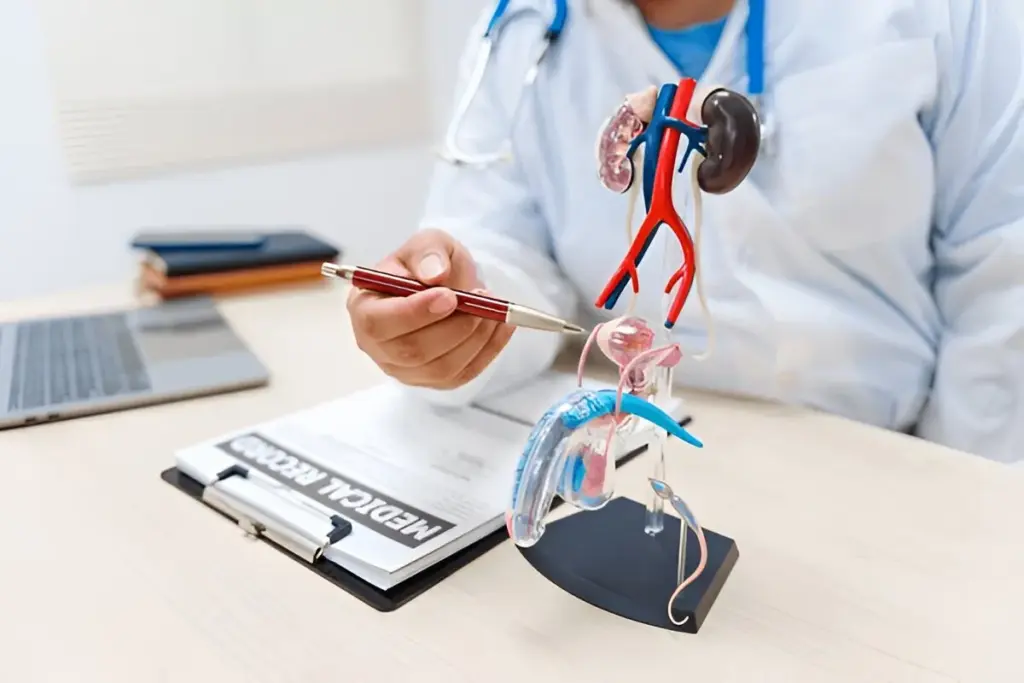
Urinary bladder infections affect millions worldwide, causing discomfort. They can lead to serious problems if not treated. A surprising number of people get infections again and again, showing the importance of knowing about it.
It’s key to know the common signs and symptoms to get help fast. Signs like needing to pee a lot, feeling a burning when you pee, and changes in urine color are important to watch for.
Urinary bladder infection signs and symptoms? Know the 5. Pain and blood are key. Treatment is vital to stop dangerous kidney spread.
Key Takeaways
- Urinary bladder infections are a common problem worldwide.
- Spotting symptoms early is key for good treatment.
- Common signs include needing to pee a lot and urine changes.
- Seeing a doctor quickly can stop bigger problems.
- Knowing the symptoms of bladder infections is vital for getting care on time.
Understanding Urinary Bladder Infections
It’s important to know the basics of urinary bladder infections. These infections, also known as cystitis, happen when bacteria infect the bladder. They are a type of urinary tract infection (UTI).
What is a Urinary Bladder Infection?
A urinary bladder infection occurs when bacteria get into the urinary tract and grow in the bladder. This causes inflammation and uncomfortable symptoms. The main cause is Escherichia coli (E. coli), a bacterium found in the gut.
How Common are Bladder Infections?
Bladder infections are quite common, mainly among women. Women are more likely to get them because their urethra is shorter. This makes it easier for bacteria to get into the bladder.
|
Demographic |
Prevalence of Bladder Infections |
|---|---|
|
Women |
Significantly higher due to anatomical factors |
|
Men |
Less common, often associated with other urinary tract issues |
|
Age Group |
More frequent in sexually active women and older adults |
Key Signs of a Bladder Infection

Knowing the signs of a bladder infection is key to getting the right care. Bladder infections, or urinary tract infections (UTIs), happen when bacteria get into the urinary tract. We’ll look at the main symptoms that show you have a bladder infection.
Frequent Urination and Urgency
One key sign is needing to pee a lot and feeling a strong urge to do so. This can mess up your daily life and sleep. Frequent urination and urgency mean your urinary tract is not okay.
Burning Sensation During Urination
Feeling a burn while you pee is another common sign. This feeling can be mild or very strong. It’s called dysuria. It shows your urinary tract is inflamed or infected.
Cloudy or Strong-Smelling Urine
Changes in urine color or smell can also mean you have a bladder infection. If your urine looks cloudy, dark, or smells bad, it might have bacteria. Seeing blood in your pee is a serious sign that needs quick doctor attention.
The table below shows the main signs of a bladder infection and how they affect people:
|
Symptom |
Description |
Impact |
|---|---|---|
|
Frequent Urination and Urgency |
Sudden, intense need to urinate |
Disrupts daily activities and sleep |
|
Burning Sensation During Urination |
Stinging or burning feeling while urinating |
Causes discomfort and pain |
|
Cloudy or Strong-Smelling Urine |
Urine appears cloudy, dark, or has a strong odor |
May indicate bacterial infection; can be accompanied by blood |
It’s important to know these symptoms to get medical help fast. If you’re showing any of these signs, see a doctor right away for the right treatment.
Recognizing 5 Warning Signs of a Bladder Infection
Knowing the signs of a bladder infection can stop bigger problems. If not treated, bladder infections can cause serious health issues. Here are the main symptoms to look out for.
Lower Abdominal Pain
Lower abdominal pain is a common sign of a bladder infection. This pain can be mild or very strong and keeps coming back. It means you should check it out with a doctor.
Pain During Intercourse
Pain when you have sex is a warning sign you can’t ignore. It’s a sign of infection, including bladder infections. If you keep feeling pain during sex, see a doctor right away.
Blood in Urine
Hematuria, or blood in your urine, is a big warning sign. It makes your urine look cloudy or pink. You need to see a doctor fast to find out why and how to treat it.
Two more important signs are needing to pee a lot and feeling like you have to pee right away. You might also feel a burning feeling when you pee. These signs mean you might have a serious bladder infection that needs quick medical help.
Spotting these signs early can really help with treatment. If you’re showing any of these symptoms, get medical help fast. This can stop the infection from getting worse.
Risk Factors for Developing Bladder Infections
Knowing the risk factors for bladder infections is key to preventing and treating them early. Some people are more likely to get these infections because of different factors.
Gender and Age Considerations
Women are more likely to get bladder infections than men. This is because their urethra is shorter, making it easier for bacteria to get into the bladder. Women, including those pregnant, are at higher risk because of hormonal changes. Older adults also face a higher risk due to decreased mobility and other health issues.
Menopause can also raise the risk in women. This is because estrogen levels drop, causing changes in the urinary tract.
Sexual Activity and Urinary Tract Anatomy
Sexual activity is a big risk factor, mainly for women. Sex can bring bacteria into the urinary tract, raising the infection risk. The shape of the urinary tract also matters. People with abnormalities, like blockages, are more likely to get infections.
- Sexual activity can introduce bacteria into the urinary tract.
- Urinary tract abnormalities can increase the risk of infection.
- Using certain types of birth control, such as diaphragms, can also increase the risk.
Medical Conditions and Immunity
Some medical conditions can make you more likely to get bladder infections. Diabetes, for example, can weaken the immune system, making it harder to fight off infections. Other conditions, like kidney or bladder stones, can also raise the risk by blocking urine flow.
People with weakened immune systems, due to medical conditions or treatments (like chemotherapy), are more at risk. This includes bladder infections.
By knowing these risk factors, you can take steps to prevent infections. And if symptoms show up, seek treatment early.
Complications of Untreated Bladder Infections
Untreated bladder infections can lead to serious problems. If not treated, they can spread to other parts of the urinary tract. This can cause more severe health issues.
Kidney Infections and Urosepsis
Kidney infections, or pyelonephritis, are a serious complication. Bacteria from the bladder can travel up to the kidneys. This can cause scarring and permanent damage.
Urosepsis is another severe complication. It happens when bacteria from the urinary tract get into the bloodstream. This causes a systemic infection and needs immediate medical attention.
Key Statistics on Kidney Infections:
|
Condition |
Risk Factor |
Potential Outcome |
|---|---|---|
|
Kidney Infection |
Untreated Bladder Infection |
Permanent Kidney Damage |
|
Urosepsis |
Bacteria in Bloodstream |
Life-Threatening |
Recurrent Urinary Infections
Untreated bladder infections can cause recurrent UTIs. These repeated infections are hard to treat. They may need stronger antibiotics or other treatments.
Recurrent UTIs can really affect a person’s life. They cause discomfort, pain, and emotional distress.
Diagnosis of Bladder Infections
When symptoms point to a bladder infection, doctors use several methods to confirm it. They look for the bacteria causing the infection.
Urinalysis and Culture
The first step is a urinalysis to check for infection signs. It looks for white blood cells and red blood cells in the urine. Then, a urine culture identifies the bacteria, guiding the right antibiotic treatment.
Urinalysis also finds other issues, like blood or protein in the urine. These could mean a serious infection or another health problem.
Imaging Tests and Scans
For suspected complications or frequent infections, imaging tests might be needed. These include ultrasound, CT scans, or MRI scans. They check the urinary tract for damage or issues.
These tests help doctors find the cause of recurring or complicated infections. They guide further treatment.
Treatment Options for Bladder Infections
Bladder infections need a mix of medical help and self-care. We’ll look at the ways to treat them. This will help ease symptoms and stop them from coming back.
Antibiotics: How They Work
Antibiotics fight bacteria in bladder infections. It’s key to take all the antibiotics given to clear the infection and avoid resistance. We’ll talk about the types of antibiotics and their side effects.
Doctors often prescribe trimethoprim and sulfamethoxazole, nitrofurantoin, or fosfomycin. The right antibiotic depends on the bacteria and the patient’s health. Always follow your doctor’s advice and finish the treatment, even if you feel better early.
Home Remedies and Pain Relief
Home remedies can also help with bladder infection discomfort. Drinking lots of water is important to flush out bacteria. Aim for eight glasses a day to help symptoms and prevent infections.
Other remedies include using a heating pad on the lower abdomen and taking ibuprofen or acetaminophen for pain. Avoiding caffeine, alcohol, and spicy foods can also help.
Combining medical treatment with these home remedies can help manage symptoms and aid in recovery. We’ll look at ways to prevent future infections next.
Preventing Urinary Bladder Infections
To prevent urinary bladder infections, it’s important to practice good hygiene, make lifestyle changes, and know the risk factors. By following these steps, you can lower your chance of getting a bladder infection. We’ll look at how to stay hydrated, practice proper hygiene, and make dietary changes.
Hydration and Proper Hygiene Practices
Drinking enough water is key to preventing bladder infections. Water helps flush out bacteria from your urinary tract. Drink at least eight glasses of water a day to keep your urinary system healthy. Also, wiping from front to back after using the bathroom can prevent bacteria from entering the urethra.
Good hygiene is also important. Shower or bathe regularly and avoid scented soaps or bubble baths that can irritate your urinary tract. By keeping good hygiene and staying hydrated, you can lower your risk of bladder infections.
Diet and Lifestyle Changes
Changing your diet can also help prevent bladder infections. Eat more vitamin C to boost your immune system. Also, avoid foods that irritate the bladder, like spicy or acidic foods, to reduce discomfort. Foods rich in antioxidants, like berries and leafy greens, are good for your urinary health.
Making lifestyle changes can also help. Urinate when you feel the need and don’t hold urine for too long. Also, practice safe sex and void after sex to avoid bacterial transmission. These dietary and lifestyle changes can help prevent bladder infections.
When to Seek Medical Attention
Knowing when to see a doctor for a bladder infection is key. It helps avoid serious problems and gets you the right treatment fast. If your symptoms don’t go away or get worse, you should see a healthcare professional.
Recognizing Severe Symptoms
Signs that mean you need to see a doctor right away include a lot of pain in your lower belly, a high fever, and blood in your urine. If you see any of these, don’t wait to get help. Also, if you keep needing to pee a lot or feel burning when you pee, get it checked out quickly.
Importance of Prompt Medical Care
Seeing a doctor quickly is important to avoid serious problems like kidney damage. If you notice cloudy or smelly urine, or any other signs of a bladder infection, go see a doctor. This way, you can get the right treatment and avoid bigger issues.
Deciding when to see a doctor for a bladder infection is very important for your health. Knowing the early signs of a UTI and acting fast can help you get the right treatment. This can also stop future problems.
FAQ
What are the common signs and symptoms of a urinary bladder infection?
Signs include frequent need to urinate and a burning feeling when you do. You might also notice cloudy or smelly urine. Lower abdominal pain and pain during sex are other symptoms.
What is a urinary bladder infection, and how common are they?
A urinary bladder infection happens when bacteria infect the bladder. They’re quite common, more so in women. This is because their urethra is shorter, making it easier for bacteria to get in.
What are the 5 warning signs of a bladder infection?
The 5 warning signs are frequent urination and a burning feeling. You might also see cloudy or smelly urine. Lower abdominal pain and blood in urine are other signs.
How can I prevent urinary bladder infections?
To prevent them, stay hydrated and practice good hygiene. Wipe from front to back and make dietary changes to lower your risk.
What are the risk factors for developing bladder infections?
Being female and sexually active increases your risk. Certain medical conditions, like diabetes, and a weakened immune system also play a part.
What are the complications of untreated bladder infections?
Untreated infections can lead to kidney infections and urosepsis. They can also cause recurrent urinary tract infections.
How are bladder infections diagnosed?
Diagnosis involves urinalysis and culture. Imaging tests might also be used to confirm the infection and rule out other conditions.
What are the treatment options for bladder infections?
Treatment includes antibiotics to clear the infection. Home remedies and pain relief help manage symptoms.
When should I seek medical attention for a bladder infection?
Seek medical help for severe symptoms like intense pain, fever, or vomiting. Also, if you notice blood in your urine or signs of complications.
Can bladder infections be treated at home?
Some symptoms can be managed at home with remedies like increased fluid intake and pain relief. But, antibiotics are usually needed to fully clear the infection.
How can I reduce my risk of getting a bladder infection?
Reduce your risk by practicing good hygiene and staying hydrated. Making lifestyle changes, like urinating after sex, also helps.
Reference
Nature. Evidence-Based Medical Insight. Retrieved from https://www.nature.com/articles/nrmicro3432