

When minerals and acids build up in urine, they form tiny particles called urinary crystals. These crystals are made in the kidneys. They can be found through a urine test. Their presence might be normal, but it could also mean there’s a health problem.
Knowing what kind and how many crystals are in your urine is key. It helps tell if they’re just a normal finding or if they’re a sign of something serious. At Liv Hospital, we use the latest tech to check urine samples. This helps us give you clear information about your health.
What are urinary crystals? Learn what these common findings in a urine analysis indicate about diet, hydration, and potential stones.
Key Takeaways
- Urinary crystals form when there’s an imbalance of certain substances in the urine.
- The presence of crystals can be normal or indicative of an underlying health condition.
- Understanding the type and quantity of crystals is critical for diagnosis.
- Liv Hospital uses advanced diagnostic techniques for urine analysis.
- Accurate urine analysis can provide insights into possible health issues.
The Science Behind Urinary Crystals and Their Formation
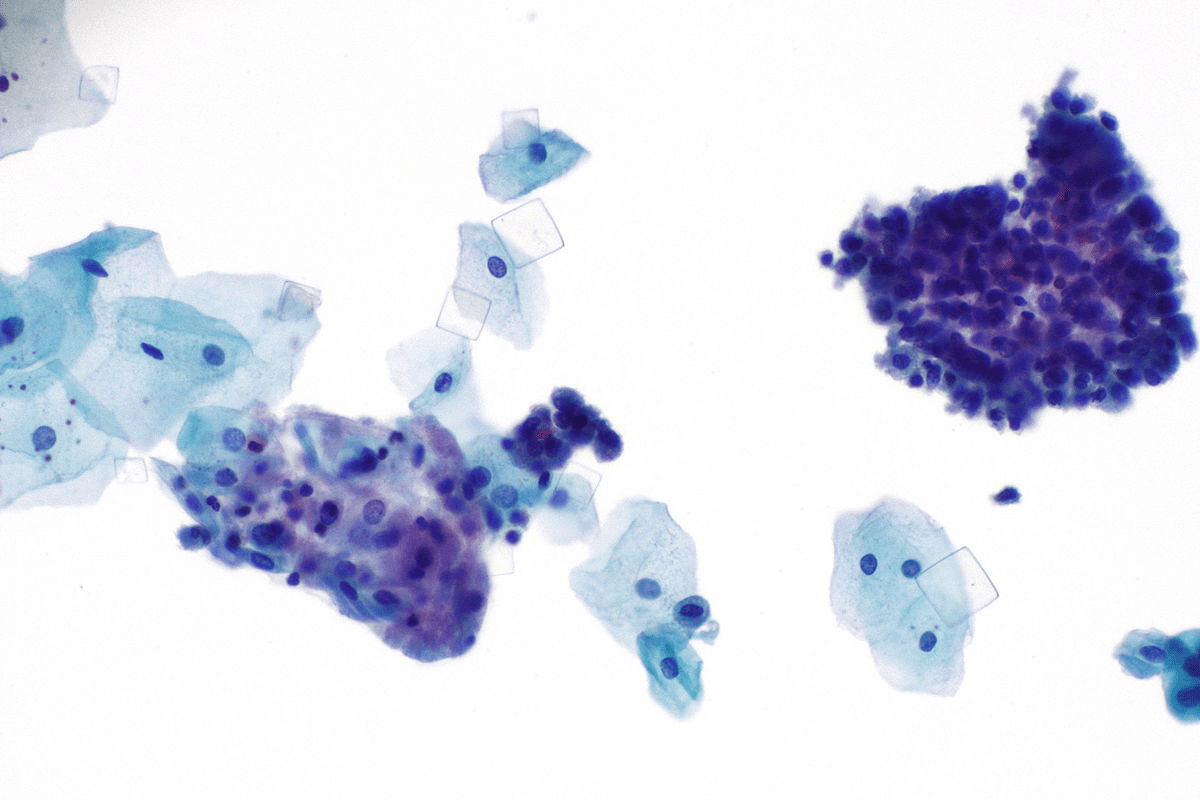
Mineral supersaturation in urine leads to the formation of urinary crystals. This happens when the urine has too much of certain minerals. These minerals include calcium, oxalate, and uric acid.
Mineral Supersaturation in Urine
When urine has too many minerals, it can start to form crystals. This can be due to not drinking enough water, eating certain foods, or having certain health issues. As the mineral levels go up, so does the chance of crystal formation.
Prevalence in Routine Urine Collections
Urinary crystals are more common than you might think. About 8 percent of urine samples have crystals. The most common types are calcium oxalate, uric acid, and amorphous urate crystals.
These crystals can tell us a lot about a person’s health. They can show if there are problems with the kidneys or metabolism.
Type of Crystal | Common Associations | Clinical Significance |
Calcium Oxalate | Dietary factors, metabolic disorders | Potential for kidney stone formation |
Uric Acid | Gout, dehydration, diet rich in purines | Associated with kidney stones and gout |
Amorphous Urate | Acidic urine pH, dehydration | Generally benign but can indicate urinary concentration |
Knowing about the different types of crystals in urine is key for doctors. It helps them figure out and treat health problems. Sometimes, crystals are normal, but other times, they mean there’s a bigger issue.
Types of Common Urinary Crystals Found in Microscopy
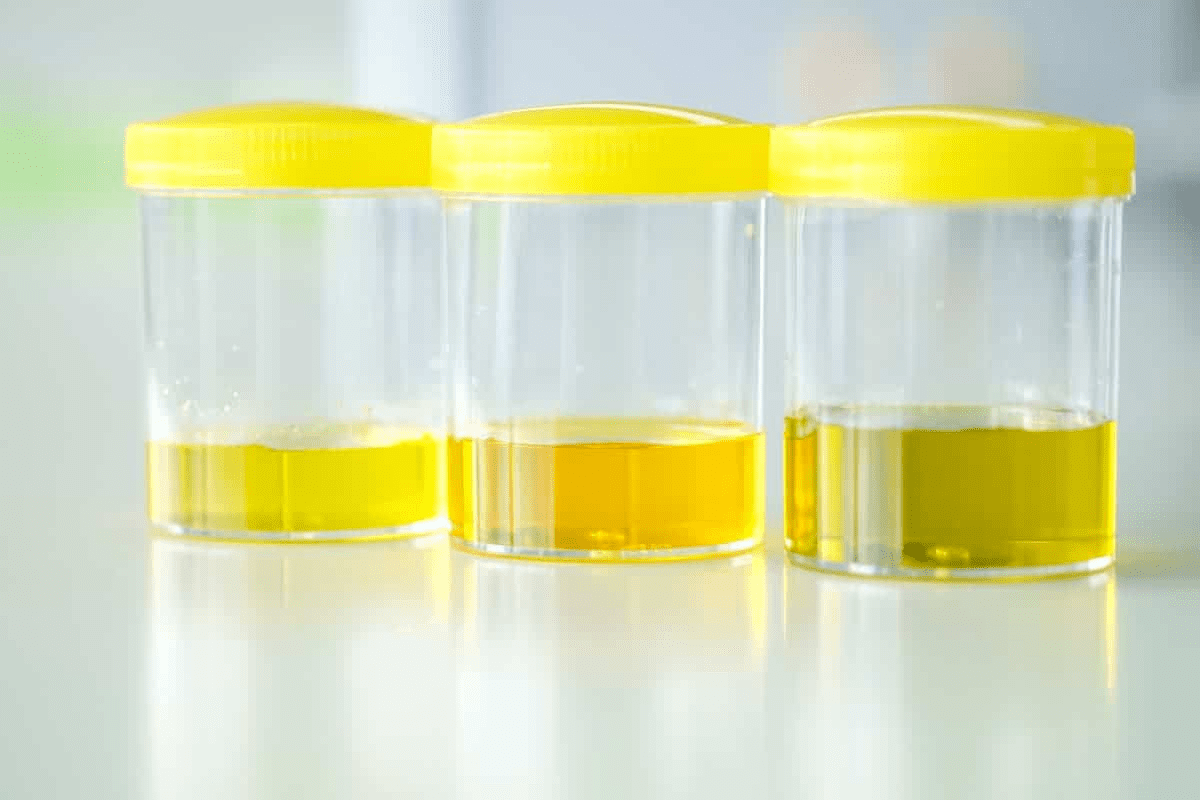
Looking at urine samples under a microscope can show several common crystals. These crystals tell us a lot about a person’s health and what might be wrong.
Calcium Oxalate Crystals in Urine Analysis
Calcium oxalate crystals are the most common in urine. They often mean someone might get kidney stones. A big medical journal says finding these crystals in urine is a big sign of kidney stone risk.
“Calcium oxalate stones are the most common type of kidney stone, and their formation is closely linked to the presence of calcium oxalate crystals in urine.”
These crystals can show up in both acidic and neutral urine. Finding a lot of them means we need to look into the person’s diet and health more.
Uric Acid Crystals in Urine Microscopy
Uric acid crystals appear in acidic urine and are linked to gout or hyperuricosuria. Finding these crystals means someone might be at risk for uric acid stones. They look like needles or diamonds and are yellow or reddish-brown.
Medical books say we can stop uric acid stones by controlling uric acid levels. “Keeping urine pH balanced and lowering uric acid is key to stopping uric acid stones.”
Calcium Phosphate Crystals and Their Significance
Calcium phosphate crystals show up in more alkaline urine. They’re linked to primary hyperparathyroidism or renal tubular acidosis. These crystals can be amorphous, granular, or crystalline.
Seeing calcium phosphate crystals means there might be a problem with calcium and phosphate balance. We need to figure out why and how to fix it.
Knowing what crystals are in urine helps doctors find and treat health problems. By looking at these crystals, we learn about a person’s metabolism. This helps us prevent kidney stones and other issues.
Understanding Amorphous Crystals in Urinalysis
Urine analysis often shows amorphous crystals, which don’t have a clear shape. They can appear in different urine pH levels. These crystals are common in urine tests but can mean different things depending on the situation.
Amorphous Urate Sediment in Acidic Urine
Amorphous urate crystals are usually yellow or yellow-brown. They form in acidic urine. They are linked to eating a lot of purine-rich foods or having certain metabolic disorders.
The presence of these crystals can be normal. But sometimes, it might show a problem like:
- Gout
- High purine diet
- Certain metabolic disorders
Amorphous Phosphate Crystals in Alkaline Conditions
On the other hand, amorphous phosphate crystals are colorless and found in alkaline urine. They can come from eating a lot of phosphate or urinary tract infections. While usually harmless, a lot of them might mean there’s an imbalance or infection.
When Amorphous Crystals Become Abnormal
Amorphous crystals are often normal. But sometimes, their presence is not okay. This happens when they keep showing up or in big amounts, which might mean kidney stones or urinary tract infections.
It’s important to look at the whole picture, including symptoms and other urine test results. This helps figure out if amorphous crystals are a problem.
Signs that might mean these crystals are not normal include:
- Persistent crystalluria
- Associated symptoms like pain or hematuria
- Abnormal urine pH levels
Unusual Crystal Formations in Urine Samples
Healthcare professionals often find unusual crystals in urine. These crystals can tell us a lot about our health. They help us understand how our body works and what might be wrong.
Hexagonal Crystals in Urine: Causes and Meaning
Hexagonal crystals in urine are rare and might mean something is wrong with our metabolism. Medical Expert, a urology expert, says they can show a problem with how our body processes things.
Studies have found links between hexagonal crystals and certain metabolic issues. For example, a Journal of Urology study found these crystals in people with specific metabolic disorders.
Needle-Shaped Crystals in Urine: Clinical Significance
Needle-shaped crystals in urine are also unusual. They can show the presence of certain substances in our urine. This might mean there’s a health problem we need to look into.
These crystals can signal the presence of metabolic byproducts or drugs. For instance, they might show ethylene glycol poisoning. This is a serious condition that needs quick medical help.
Starch Granules in Urine: Identification and Implications
Starch granules in urine are not crystals but are interesting to find. They can be seen under a microscope. Finding them might tell us about our gut health.
Starch granules could mean we’re not absorbing food well or have other gut problems. We need to investigate further to figure out what’s going on.
In summary, finding unusual crystals in urine, like hexagonal and needle-shaped ones, and starch granules, can help us understand our health. Knowing about these formations is key to making the right diagnosis and treatment plan.
How Urine pH Influences Crystal Development
The acidity or alkalinity of urine affects the formation of different crystals. Urine pH is key in deciding which crystals will form. We’ll look at how pH levels impact crystal development and the types of crystals that form under different conditions.
Acidic Urine Crystals: Formation and Types
In acidic urine, some crystals are more common. Uric acid crystals form more easily in acidic conditions. These crystals are linked to gout or can happen when urine is very concentrated due to dehydration.
Several factors contribute to crystal formation in acidic urine:
- Low urine pH
- High uric acid concentration
- Dehydration or low fluid intake
Seeing uric acid crystals means looking at the patient’s medical history and symptoms too.
Crystal Types in Neutral to Alkaline Urine
Neutral to alkaline urine leads to different crystal types. Calcium phosphate crystals are common in alkaline urine. These crystals can be linked to issues with phosphate metabolism or infections.
The main factors for crystal formation in neutral to alkaline urine are:
- High urine pH
- Presence of calcium and phosphate ions
- Certain urinary tract infections
Knowing the crystals that form in different pH levels helps in diagnosing and treating conditions.
Normal vs. Pathological Crystal Presence in Urinalysis
Crystals in urine can be normal, but some patterns may show health issues. We’ll look at the difference between normal and abnormal crystal presence in urine. This will help you know when crystals are okay and when they might mean a health problem.
When Crystal Formation Is Considered Normal
Small amounts of certain crystals, like calcium oxalate, can be normal in urine. They can form from diet, hydration, and metabolism. For example, eating a lot of oxalate-rich foods might lead to calcium oxalate crystals in urine.
But, we must look at the whole picture. This includes how many crystals there are and what type they are.
Red Flags in Crystal Patterns and Quantities
While some crystals are normal, others can mean a health issue. For instance, large amounts of crystals or specific types that don’t usually appear can be a warning sign. We must watch for these signs to give the right diagnosis and treatment.
Things like urine pH, concentration, and other urinary components affect crystal formation. They’re important when we look at urinalysis results.
Knowing the difference between normal and abnormal crystals helps healthcare providers make better decisions for their patients.
From Urinary Crystals to Kidney Stones: The Progression
It’s important to know how urinary crystals turn into kidney stones. This helps in catching problems early and stopping them. Crystals can grow into stones due to several factors like the type of crystal, urine pH, and how much water you drink.
The Crystallization Process in Stone Formation
The journey starts when urine has too many minerals. When these minerals are more than they can dissolve in, they turn into crystals. These crystals can then grow into stones. The stones can be made of different things, like calcium oxalate, uric acid, or calcium phosphate.
Things that can make stones form include how concentrated the urine is, what’s in the urine, and what you eat. Eating a lot of oxalate, for example, can make calcium oxalate stones more likely.
Predicting Stone Risk Based on Crystal Types
Not all crystals are the same when it comes to making stones. Calcium oxalate crystals are often found in kidney stones. If you have a lot of these crystals or other risk factors, you might be more likely to get stones.
- Calcium oxalate crystals are the most common in kidney stones.
- Uric acid crystals can also make stones, mostly in people with acidic urine.
- Calcium phosphate crystals are less common but can also cause stones.
Preventive Measures for High-Risk Individuals
If you’re at risk for kidney stones, there are steps you can take. Drinking enough water helps by making your urine less concentrated. Eating less of foods high in oxalate can also help if you’re prone to calcium oxalate stones.
In some cases, medicine might be needed to stop stones from forming. For example, potassium citrate can make your urine less acidic, which helps prevent uric acid stones.
Knowing how crystals turn into stones and taking steps to prevent it can help those at risk. This way, they can lower their chance of getting kidney stones.
Dietary Influences on Crystal Formation in Urine
What we eat affects how crystals form in our urine. Some foods can lead to certain types of crystals. Our diet plays a big role in our urinary health.
Foods That Promote Specific Crystal Types
Some foods raise the risk of certain urinary crystals. For example, eating a lot of animal protein can lead to uric acid crystals. Foods high in oxalate, like spinach, can cause calcium oxalate crystals.
Eating more calcium can help prevent some crystals. It binds to oxalate in the gut, reducing its absorption. But, too much calcium can cause calcium phosphate crystals.
Nutritional Approaches to Reduce Crystal Formation
There are ways to lower the risk of urinary crystals. Drinking more water is key. It dilutes the urine, making it less likely for crystals to form. Try to drink at least 2 liters a day, based on your activity level.
Also, cut down on sodium. High sodium levels can lead to more calcium in the urine, causing crystals. Eating a balanced diet, not too much animal protein or oxalate, also helps.
“A well-balanced diet, combined with adequate hydration, plays a critical role in preventing urinary crystal formation and reducing the risk of kidney stone development.”
Knowing how diet affects urinary crystals can help us make better choices. Talking to a healthcare provider or dietitian can offer personalized advice.
Medical Conditions Reflected in Urine Crystal Patterns
Urine crystal patterns can tell us a lot about our health. They are influenced by metabolic disorders, infections, and medications. Knowing these factors is key for correct diagnosis and treatment.
Metabolic Disorders and Their Crystal Signatures
Metabolic disorders can change urine composition, leading to specific crystals. For example, people with diabetes mellitus might have glucose in their urine, causing certain crystals. Disorders like hyperoxaluria lead to too much oxalate, forming calcium oxalate crystals.
Other conditions, such as cystinuria, cause cystine crystals because of kidney issues. Spotting these crystals is vital for diagnosing and treating these disorders.
Metabolic Disorder | Crystal Type | Clinical Significance |
Diabetes Mellitus | Variable | Presence of glucose can influence crystal formation |
Hyperoxaluria | Calcium Oxalate | Increased risk of kidney stone formation |
Cystinuria | Cystine | Genetic disorder leading to cystine stone formation |
Urinary Tract Infections and Crystal Changes
Urinary tract infections (UTIs) can change urine, affecting crystals. UTIs caused by urease-producing bacteria make urine alkaline, leading to struvite crystals and infection stones.
Crystals in urine during a UTI can help diagnose. For example, triple phosphate crystals (struvite crystals) suggest a UTI from urease-producing bacteria.
Medication Effects on Crystal Formation
Some medications can change urine and crystal formation. For instance, sulfonamide antibiotics can crystallize in urine, possibly harming the kidneys in acidic conditions.
Other drugs, like indinavir for HIV, can cause drug crystals in urine. Knowing these effects is important for managing long-term medication use.
Understanding how medical conditions affect urine crystals helps doctors make better diagnoses and treatment plans. This shows why it’s important to look at the bigger picture when analyzing urine samples.
Laboratory Analysis and Identification of Urinary Sediment
The lab analysis of urinary sediment is key to spotting crystals that show health issues. It’s vital to correctly identify these crystals for diagnosis and treatment.
Microscopic Examination Techniques
Microscopic examination is a main tool in labs for urinary sediment analysis. It involves spinning a urine sample to focus the sediment. Then, it’s looked at under a microscope. Microscopic examination techniques help spot various things in urine, like crystals, cells, and casts.
There are different microscopy methods, like brightfield and polarized. Brightfield is used for regular urinalysis. Polarized microscopy is best for finding crystals because they show up well under it.
Interpreting Crystal Findings in Urine Analysis Reports
Understanding crystal findings in urine reports is complex. It needs knowing the clinical context and the types of crystals. Certain crystals can point to health problems, like kidney stones or metabolic disorders.
Calcium oxalate crystals are common but can also mean kidney stones. Uric acid crystals might show a risk of uric acid stones or metabolic issues.
Common Errors in Crystal Identification
Accurate crystal identification is critical but mistakes can happen. These include mistaking artifacts or other elements for crystals or not telling different crystals apart.
To avoid these mistakes, lab workers must stick to strict protocols and use several methods to confirm crystal identity. They also need ongoing training and quality checks to keep analysis standards high.
Prevention Strategies to Minimize Crystal Formation
We can prevent crystals in urine by using smart strategies. We’ll look at how drinking enough water, changing your diet, and managing your meds can help. These steps can lower the chance of crystals forming.
Optimal Hydration Practices
Drinking enough water is key to stopping crystals in urine. Water dilutes your urine, making it harder for minerals to form crystals. Try to drink 8-10 glasses of water a day. Your needs might change based on how active you are and where you live.
Here are some tips to help you stay hydrated:
- Drink water all day long.
- Check your urine color; it should be light yellow.
- Don’t drink too much caffeine or alcohol, as they can dry you out.
Dietary Modifications for Specific Crystal Types
Your diet affects crystal formation in urine. Making smart food choices can lower your risk of certain crystals.
For example, if you’re at risk for calcium oxalate stones, you should:
- Eat less of foods high in oxalate, like spinach and beets.
- Make sure you get enough calcium to bind with oxalate in your gut.
Those at risk for uric acid crystals should:
- Eat fewer foods high in purines, like organ meats.
- Keep a healthy weight and manage conditions like gout.
Medication Considerations and Adjustments
Some medicines can affect crystal formation. It’s important to talk to your doctor about your meds to find out if they’re a risk.
“Managing your meds is a big part of stopping urinary crystals. Doctors can give you advice on changing your meds to lower risks.”
Some medicines that might affect crystal formation include:
Medication Type | Potential Effect |
Diuretics | Make your urine more concentrated, which can increase crystal risk |
Calcium supplements | Can raise calcium levels, which might lead to more calcium oxalate crystals |
By knowing what causes crystals and using these prevention tips, you can lower your risk of getting urinary crystals.
Conclusion: Clinical Implications of Crystals in Your Urine Analysis
Urinary crystals can signal serious health issues, like metabolic disorders or kidney stone risks. It’s key for doctors to understand this to give better care. This helps in diagnosing and treating patients properly.
Crystals in urine tell a lot about a person’s health. Doctors can spot health risks by looking at the types and amounts of crystals. This lets them create specific treatment plans to help patients.
Managing urinary crystals well needs a full plan. This includes changing diets, staying hydrated, and adjusting medicines. Knowing about urinary crystals helps doctors give better care. It leads to better health outcomes and lowers the chance of problems.
FAQ
What are urinary crystals and why are they significant in urine analysis?
Urinary crystals are tiny particles in urine due to an imbalance. They can be normal or show health issues. Knowing about them is key for health and avoiding problems.
How do urinary crystals form?
Crystals form when minerals in urine are too concentrated. This causes them to come out of solution, forming crystals.
What are the different types of urinary crystals that can be identified through microscopy?
There are calcium oxalate, uric acid, and calcium phosphate crystals. Each type has its own meaning in health.
What are amorphous crystals in urinalysis?
Amorphous crystals don’t have a shape. They can appear in different pH levels of urine. Their presence might be abnormal in some cases.
How does urine pH influence crystal development?
Urine pH greatly affects crystal types. Acidic, neutral, or alkaline conditions influence which crystals form.
When is crystal formation considered normal in urinalysis?
It’s normal when crystals are small and from certain types not linked to health issues.
What are the red flags in crystal patterns and quantities that may indicate an underlying health issue?
Look out for large amounts of certain crystals, unusual shapes, or crystals linked to health problems.
Can urinary crystals lead to kidney stones?
Yes, some crystals can increase stone risk. Understanding and preventing this can help those at risk.
How does diet influence crystal formation in urine?
Diet affects crystal formation. Some foods promote specific crystals. Eating right can lower risk.
What medical conditions can be reflected in urine crystal patterns?
Many conditions, like metabolic disorders and infections, can show in crystal patterns. Medications can also affect them.
How are urinary crystals identified in laboratory analysis?
Crystals are found through microscopy. Reports interpret these findings. Proper training helps avoid mistakes.
What are the prevention strategies to minimize urinary crystal formation?
Stay hydrated, eat right, and manage medications to prevent crystals.
What is the significance of calcium oxalate crystals in urine analysis?
Calcium oxalate crystals are common and linked to stone risk. They’re important to watch.
How do amorphous phosphate crystals form?
They form in alkaline urine. They’re usually normal but can be abnormal in some cases.
What is the clinical significance of needle-shaped crystals in urine?
Needle-shaped crystals can mean certain conditions or medication use. They need careful evaluation.
References
- Reimer, R. P., Engels, R., & Huizinga, W. (2021). Manual kidney stone size measurements in computed tomography: How accurate are they? Scientific Reports, 11, Article 15881. https://www.nature.com/articles/s41598-021-95962-z