
Millions of people worldwide suffer from urinary incontinence. This condition can greatly affect their quality of life. The World Health Organization says it’s a big health issue. This condition impacts individuals across all ages and demographics. Urinary incontinence should not be ignored. Learn the amazing risks of waiting and how to find a powerful cure for your leakage today.
If incontinence is not treated, it can cause many problems. These include skin irritation, infections, and even social isolation. It can also make it hard for people to move around. We know it’s important to tackle this issue and find the root causes to avoid serious problems later on.
Key Takeaways
- Urinary incontinence is a significant health issue affecting millions worldwide.
- Leaving incontinence untreated can lead to various complications.
- Addressing the underlying causes of incontinence is key to avoiding long-term issues.
- Incontinence can affect a person’s life and how they interact with others.
- It’s vital to see a doctor to manage incontinence properly.
Understanding Urinary Incontinence
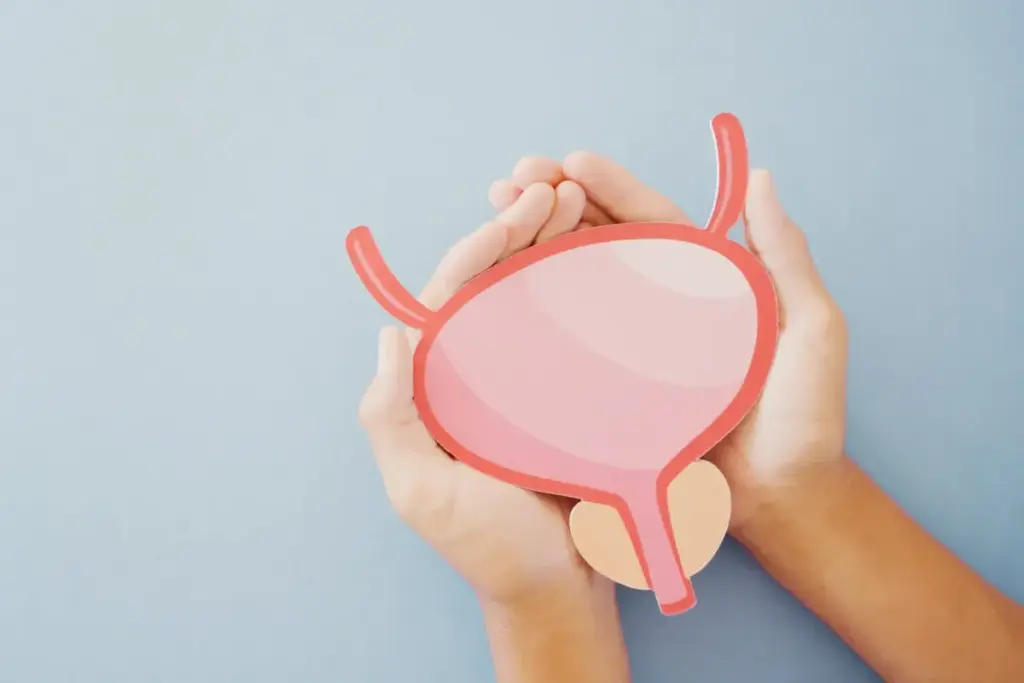
It’s important to understand urinary incontinence to improve daily life. It’s not a normal part of aging, but it gets more common with age. This condition means urine leaks out without control, affecting quality of life.
Definition and Types of Urinary Incontinence
Urinary incontinence has several types, each with its own traits. The main types are stress incontinence, urge incontinence, and overflow incontinence. Stress incontinence happens when movement or pressure on the bladder causes leaks, often during coughing or exercising.
Urge incontinence, or overactive bladder, is when you suddenly feel the need to urinate and can’t hold it. Overflow incontinence occurs when the bladder doesn’t empty fully, causing dribbling.
To understand these types better, here’s a table comparing them:
|
Type of Incontinence |
Characteristics |
Common Triggers |
|---|---|---|
|
Stress Incontinence |
Involuntary leakage during physical activity |
Coughing, sneezing, exercising |
|
Urge Incontinence |
Sudden, intense urge to urinate followed by leakage |
Running water, cold temperatures, certain foods |
|
Overflow Incontinence |
Frequent or constant dribbling due to incomplete bladder emptying |
Weakened bladder muscles, obstruction |
Common Causes of Urinary Incontinence
Urinary incontinence can be caused by many things. Weakened pelvic muscles, neurological disorders, and some medications are common causes. Weakened muscles can come from childbirth, surgery, or aging.
Neurological disorders like Parkinson’s disease can mess up signals to the bladder. Some medications, like diuretics, can also cause incontinence by affecting bladder control.
Knowing the causes helps in finding the right treatment. Healthcare providers can then suggest the best ways to manage symptoms based on the cause.
Physical Consequences of Untreated Incontinence
Ignoring urinary incontinence can lead to serious issues. These problems affect daily life and health. We will look at these effects closely, focusing on immediate and long-term impacts.
Skin Irritation and Infections
Long-term exposure to urine can irritate the skin. This can cause discomfort and even severe infections. Some common problems include:
- Dermatitis: This is inflammation of the skin. It can make the skin red, itchy, and develop rashes.
- Urinary Tract Infections (UTIs): Bacteria in the urine can cause infections in the urinary tract. These infections are painful and need medical help.
- Pressure Sores: In severe cases, constant moisture can cause pressure sores. This is a big risk for people who can’t move much.
Impact on Daily Activities
Urinary incontinence can greatly impact daily life. It can cause:
- Limited Mobility: Fear of leakage can make people less active. This can hurt their health and mobility.
- Social Withdrawal: Incontinence can make people shy away from social events. This can lead to feelings of loneliness and isolation.
- Emotional Distress: The worry about leakage and frequent bathroom visits can be very stressful.
Understanding these effects shows why treating urinary incontinence is so important.
Emotional and Psychological Effects
Urinary incontinence affects more than just our bodies. It also impacts our mental health and overall well-being. Living with this condition can be tough, both physically and emotionally.
It can cause emotional and psychological problems. These include higher risks of anxiety and depression, and even social isolation. Let’s dive deeper into these issues.
Anxiety and Depression Risks
People with urinary incontinence face a higher chance of anxiety and depression. The fear of leakage and embarrassment in public can make anxiety worse.
Research shows that depression is more common in those with urinary incontinence. For example, a study on Ghanaian women with breast cancer found a link between incontinence and depression symptoms.
|
Condition |
Prevalence of Anxiety |
Prevalence of Depression |
|---|---|---|
|
Urinary Incontinence |
35% |
28% |
|
General Population |
19% |
12% |
Social Isolation
Urinary incontinence can make people feel isolated. They might stay away from social events because of fear or embarrassment. This isolation can make loneliness and depression worse.
It’s important to seek stress incontinence treatment or urinary incontinence treatment. This helps manage physical symptoms and emotional effects. It helps people take back control of their lives and improve their well-being.
Long-Term Health Risks Associated with Incontinence
Urinary incontinence can lead to serious health problems if not treated. These issues can greatly affect one’s quality of life. We will look at the complications that can happen if this condition is ignored.
Increased Risk of Accidents
The need to quickly find a bathroom can increase the risk of falls and injuries. This is a big concern for the elderly, as falls can cause serious injuries like fractures.
Studies show that people with urinary incontinence are at a higher risk of falls. A study found that the chance of falling was 30% higher in those with incontinence than those without.
Potential Kidney Damage
Urinary retention, often linked to incontinence, can harm the kidneys over time. If urine stays in the bladder too long, it can flow back into the kidneys. This can cause infections and damage.
“Urinary tract infections and kidney damage are significant risks for individuals with untreated urinary incontinence, highlighting the need for timely medical intervention.”
|
Health Risk |
Description |
Potential Consequences |
|---|---|---|
|
Increased Risk of Falls |
Rushing to the bathroom |
Fractures, Injuries |
|
Kidney Damage |
Urinary retention |
Infections, Kidney Failure |
It’s important for those with urinary incontinence to get medical help. Early treatment can greatly improve outcomes and lower the risk of serious problems.
Diagnostic Process for Urinary Incontinence
Diagnosing urinary incontinence is a detailed process. It helps find the main causes and plan the best treatment. Feeling the urge to urinate or other incontinence symptoms can be upsetting. A careful check is key to figure out the type and how serious it is.
Initial Assessment and Questionnaires
The first step is gathering information. We look at the patient’s medical history, symptoms, and lifestyle. This is done through questionnaires and interviews. They help us understand how often and how much incontinence happens and how it affects daily life.
We focus on several important things during the first check-up:
- The type of incontinence (like urge incontinence, stress incontinence, or mixed)
- How often and how much urine leaks
- Any health issues that might cause incontinence
- Things like how much fluid you drink, your bowel habits, and how active you are
Specialized Tests and Procedures
After the first check, we might suggest more tests. These help find the real reasons for incontinence. Some tests we might use include:
- Urodynamic tests to check how the bladder works and urine flows
- Imaging like ultrasound or X-rays to look at the urinary tract
- Cystoscopy to see inside the bladder and urethra
By using the results from these tests, we can make a treatment plan. It’s tailored to fix the main causes of incontinence and help symptoms improve.
Treatment Options for Incontinence
Managing incontinence often means trying different treatments. We know how much it can affect someone’s life. So, finding the right treatment is key.
Lifestyle Changes
Changing your lifestyle can help a lot with urinary incontinence. Dietary adjustments like cutting down on caffeine and alcohol can help. Also, pelvic floor exercises, like Kegels, can make your bladder muscles stronger.
- Maintaining a healthy weight to reduce pressure on the bladder
- Quitting smoking to decrease the risk of incontinence
- Establishing a regular voiding schedule to train the bladder
Medications and Therapies
Medications can help manage urinary incontinence for some. These drugs relax the bladder muscle or improve control. Behavioral therapy teaches patients to better manage their bladder and bowel habits.
Other therapies, like physical therapy for pelvic floor rehabilitation, can also help. In some cases, neuromodulation therapy is used to regulate bladder function.
Surgical Interventions
For severe cases or when other treatments fail, surgical options might be needed. These can range from simple procedures to complex surgeries, depending on the cause.
Sling procedures are often used for stress incontinence to support the urethra. Other surgeries might fix or remove obstructions causing overflow incontinence.
Everyone’s experience with urinary incontinence is different. What works for one might not work for another. So, it’s important to talk to a healthcare provider to find the best urinary incontinence treatment plan.
Importance of Seeking Professional Help
Getting professional help is key to managing urinary incontinence well. Talking about incontinence can be tough. But, it’s vital to see a healthcare provider for the right diagnosis and treatment.
Role of Healthcare Providers
Healthcare providers are essential in treating urinary incontinence. They can find out why you have incontinence. This could be stress incontinence, urge incontinence, or both. Then, they suggest the best treatments.
Benefits of Early Intervention
Starting treatment early can greatly improve your life. It helps avoid problems like skin irritation and infections. Plus, it boosts your overall health.
|
Benefits |
Description |
|---|---|
|
Improved Quality of Life |
Early treatment can significantly enhance daily living and overall well-being. |
|
Prevention of Complications |
Timely intervention can prevent complications such as skin irritation and infections. |
|
Personalized Treatment Plans |
Healthcare providers can create tailored treatment plans addressing specific needs and conditions. |
Understanding the need for professional help is the first step in managing urinary incontinence. We urge those with symptoms to get medical help right away.
Living: With Urinary Incontinence
Living with urinary incontinence can be tough. But, there are ways to make it easier. Knowing about the condition and how to manage it is key to a better life.
Tips for Managing Symptoms
Managing urinary incontinence symptoms requires lifestyle changes and sometimes medical help. Here are some tips to help manage overactive bladder symptoms and urgency:
- Lifestyle Changes: Changing daily habits can help a lot. Try avoiding caffeine and alcohol. Also, do pelvic floor exercises like Kegels.
- Bladder Training: Slowly increase the time between bathroom visits. This can help control your bladder and lessen urgency.
- Use of Supportive Products: Using products for incontinence, like absorbent pads, can make you feel more comfortable and confident.
Support Resources and Communities
It’s important to connect with support groups and communities if you have urinary incontinence. Knowing about incontinence meaning can help reduce shame and encourage talking openly.
Many organizations and online forums offer valuable info, emotional support, and connections with others facing similar issues. Some key resources include:
- National Association for Continence (NAFC)
- Urology Care Foundation
- Local support groups and online forums
Using these resources can give you the knowledge, tools, and support you need. It can help you manage your condition better and improve your overall well-being.
Preventive Measures to Consider
To prevent urinary incontinence or lessen its impact, we need to live a healthy lifestyle. Being proactive about our health is key. We can take steps to lower the risk of stress or urge incontinence.
Healthy Lifestyle Choices
Keeping a healthy weight is important. Extra weight can strain the bladder and pelvic muscles. Good bladder habits, like going when you need to and avoiding constipation, also help.
Regular Health Check-ups
Regular health check-ups are essential. They help catch problems early. By keeping an eye on our health and tackling issues quickly, we can avoid urinary incontinence complications.
FAQ
What is urinary incontinence?
Urinary incontinence is when you can’t control your urine. It’s a big health problem worldwide, says the World Health Organization.
What are the types of urinary incontinence?
There are three main types. Stress incontinence happens when movement or pressure on the bladder causes leaks. Urge incontinence is when you suddenly need to pee and can’t hold it. Overflow incontinence is when your bladder doesn’t empty fully, causing constant dribbling.
What causes urinary incontinence?
It can be due to weak pelvic muscles, neurological issues, or certain medicines. Knowing the causes helps in finding the right treatment.
How does urinary incontinence affect daily life?
It can make daily activities hard, like exercising or going out. It can also cause skin problems and infections from urine.
What are the emotional and psychological effects of urinary incontinence?
It can make you feel anxious or depressed. People might also stay home more because they’re worried about accidents.
What are the long-term health risks associated with untreated urinary incontinence?
If left untreated, it can lead to falls and injuries. It can also harm your kidneys over time.
How is urinary incontinence diagnosed?
Doctors start with simple tests and questionnaires. They might also do more tests to find the cause.
What are the treatment options for urinary incontinence?
Treatments include changing your diet and doing pelvic floor exercises. Medicines and therapy can also help. Surgery is sometimes needed for severe cases.
Why is it important to seek professional help for urinary incontinence?
Getting help early is key. It can improve your life and prevent worse problems.
How can I manage urinary incontinence symptoms?
Making lifestyle changes helps. This includes eating right and using products to help. Joining support groups can also help.
What preventive measures can I take to reduce the risk of developing urinary incontinence?
Stay healthy and practice good bladder habits. Regular check-ups can also help prevent it.
Can stress incontinence be treated without surgery?
Yes, it can be treated with lifestyle changes and exercises. Medicines and therapy can also work.
What is the role of healthcare providers in treating urinary incontinence?
Doctors are key in treating it. They create plans tailored to you and offer advice on managing symptoms.
References
https://my.clevelandclinic.org/health/diseases/17596-urinary-incontinence