Urinary retention diagnosis code and test names. Discover amazing medical insights and how to find a powerful cure for bladder pain. Urinary retention is a widespread condition that significantly impacts quality of life. It affects people’s quality of life. Getting the right diagnosis and coding is key for good treatment and care.
We know how important diagnosis codes are in healthcare. They help make sure patients get the right care. They also help healthcare providers get paid correctly.
Key Takeaways
- Urinary retention is when the bladder can’t empty fully.
- Right diagnosis coding is vital for treatment and insurance.
- The correct code helps document the condition well.
- Understanding the code is important for healthcare providers.
- Good coding means better care and payment for patients.
Understanding Urinary Retention

It’s key to understand urinary retention to get the right treatment. This condition makes it hard to fully empty the bladder.
Definition of Urinary Retention
The International Continence Society (ICS) defines urinary retention. Acute urinary retention is when you suddenly can’t urinate. Chronic urinary retention is when you can’t empty your bladder for a long time or often.
Seeing urinary retention as a condition, not just a symptom, is important. It needs a full understanding for good management.
Causes of Urinary Retention
Many things can cause urinary retention. Obstruction is one, like BPH or urethral stricture. Neurological disorders and some medicines also play a part.
- Conditions like multiple sclerosis, Parkinson’s disease, and spinal cord injuries can mess up nerve signals. This leads to urinary retention.
- Some medicines, like anticholinergics and alpha-blockers, can also cause it.
Symptoms to Watch For
Symptoms of urinary retention include trouble starting to urinate and a weak flow. You might also find it hard to fully empty your bladder. Other symptoms are needing to urinate often, feeling urgent, and pain while doing so.
It’s vital to spot these symptoms early. This helps get a quick diagnosis and treatment.
Importance of Diagnosis
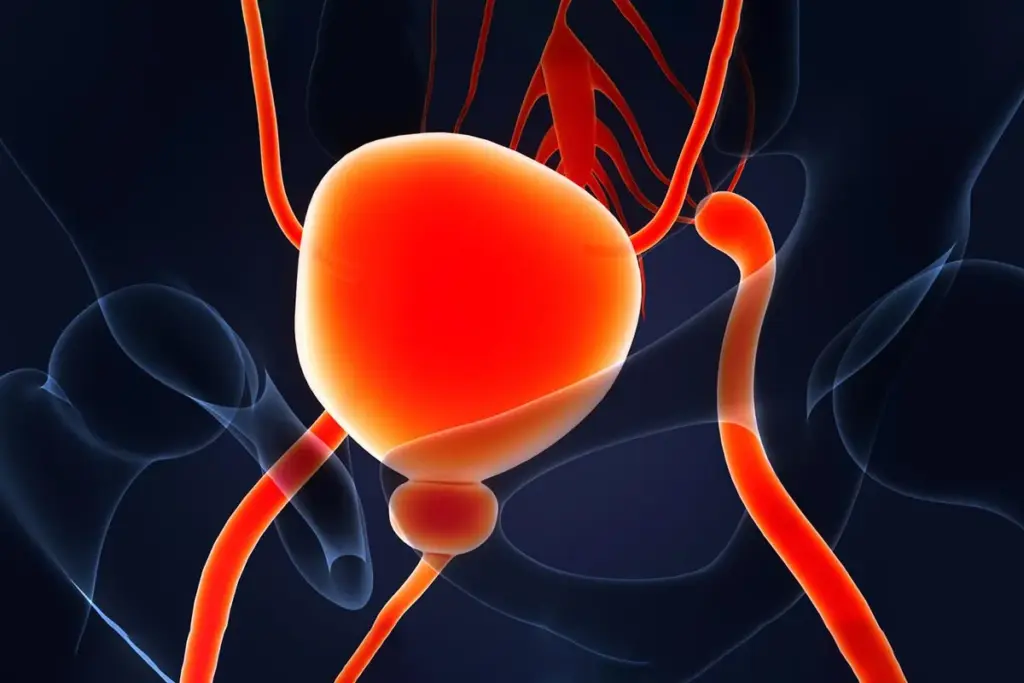
Getting the right diagnosis for urinary retention is key to avoiding problems and helping patients get better. We know that a correct diagnosis is the base for a good treatment plan.
Why Accurate Diagnosis Matters
It’s important to accurately diagnose urinary retention. This lets doctors find the real cause of the problem. They can then create a treatment plan that fixes the issue, not just the symptoms.
By correctly diagnosing urinary retention, we can stop serious issues like urinary tract infections (UTIs) and kidney damage. Early diagnosis is key to preventing long-term damage and improving the quality of life for patients.
Potential Complications
If urinary retention isn’t treated, it can cause serious health problems. Some of these include:
- Urinary tract infections (UTIs)
- Kidney damage or kidney failure
- Bladder damage
- Urinary incontinence
|
Complication |
Description |
Consequence of Untreated Urinary Retention |
|---|---|---|
|
Urinary Tract Infections (UTIs) |
Infections occur when bacteria enter the urinary tract. |
Increased risk due to urinary stasis |
|
Kidney Damage |
Damage to the kidneys due to backpressure from the bladder. |
Potential for chronic kidney disease |
|
Bladder Damage |
Overdistension of the bladder leading to loss of bladder function. |
Increased risk of incontinence |
The importance of accurate diagnosis cannot be overstated. It is the critical first step in managing urinary retention effectively and preventing the complications associated with this condition.
Diagnostic Tests for Urinary Retention
To diagnose urinary retention, doctors use various tests. These include urine retention tests and other evaluations. These help find the cause and plan treatment.
Common Tests for Diagnosis
Several tests are used to diagnose urinary retention. These include:
- Uroflowmetry: This test measures urine flow to check bladder emptying.
- Post-Void Residual Volume Measurement: This test finds out how much urine stays in the bladder after you pee.
- Urodynamic Studies: These studies check how well the bladder stores and releases urine.
Specific Tests Explained
Now, let’s look at some specific tests for urinary retention diagnosis.
Uroflowmetry is a non-invasive test. It measures urine flow rate. It helps find if there’s an obstruction.
Post-Void Residual Volume Measurement uses ultrasound. It checks if the bladder empties fully after urination.
How Tests Are Administered
How tests are given varies by test and patient condition. For example, uroflowmetry involves peeing into a device to measure flow rate. Urodynamic studies fill the bladder with liquid to check its function.
We make sure tests are done in a safe and comfortable setting. We also inform patients about what to expect.
Urinary Retention Diagnosis Code
Accurate diagnosis codes, like those for urinary retention, are key for good healthcare. They help make sure patients get the right care. They also help pay healthcare providers correctly.
Overview of Diagnosis Codes
Diagnosis codes are numbers and letters that identify diseases and symptoms. The International Classification of Diseases, 10th Revision (ICD-10), is a common system. These codes create a common language for healthcare workers, insurers, and researchers.
Specific Codes for Urinary Retention
The ICD-10 code for urinary retention is often R33. It has subcodes like R33.0 for Retention of urine. It’s important to pick the right code to show the patient’s condition well. For example, R33.8 is for other retention of urine, and R33.9 is for unspecified.
Importance of Accurate Coding
Accurate coding is very important. It makes sure patients get the right care by documenting their conditions right. It also helps with billing, reducing claim denials. Plus, it aids in healthcare statistics and research, helping find trends and areas to improve.
By using the right code for urinary retention, healthcare providers can give patients the right treatment. This improves patient outcomes and makes healthcare more efficient for everyone.
Medical History Evaluation
To diagnose urinary retention, healthcare providers need to evaluate your medical history. They gather information about your symptoms, medical background, and lifestyle. This helps them find the cause of your condition.
What to Expect During Evaluation
During the evaluation, we will ask questions about your symptoms. We want to know when they started and how long they last. We also ask about factors that make them better or worse.
It’s essential to be as detailed as possible. We’ll ask about your medical history, including surgeries, illnesses, and current medications. Your lifestyle, including diet and fluid intake, is also important.
Questions You May Be Asked
Some questions you might be asked include:
- When did you first notice symptoms of urinary retention?
- Have you experienced any pain or discomfort while urinating?
- Do you have a history of urinary tract infections or other urological conditions?
- What medications are you currently taking, and have you started any new medications recently?
- Have you had any surgeries or procedures that could be related to your urinary retention?
By answering these questions thoroughly, you can help your healthcare provider diagnose the cause of your urinary retention. This information is key for finding the right urinary retention diagnosis code. It also helps decide on further tests, like the urine retention test.
Physical Examination
A thorough physical examination is key for a correct diagnosis for urinary retention. We use different techniques to check the condition and find any underlying causes.
Examination Techniques
Healthcare providers do an abdominal and digital rectal examination during a urinary retention check. The abdominal check looks for any oddities, like a big bladder.
The digital rectal exam is important. It checks the prostate gland in men and the pelvic floor muscles in both men and women. This helps find any issues that might cause urinary retention.
What Doctors Look For
Doctors look for signs of urinary retention’s cause during the exam. They check for a big bladder, tenderness, or masses in the abdomen. The digital rectal exam also checks the prostate gland’s size and texture, which can affect urine flow.
By combining the physical exam’s findings with other tests, doctors can accurately diagnose urinary retention. They then create a treatment plan that works.
Imaging Studies
We use different imaging tests to find out why someone might have urinary retention. These tests help doctors see the urinary tract and find any problems. This is key in figuring out what’s going on.
Common Imaging Tests Used
There are a few imaging tests doctors often use. These include:
- Ultrasound: This test uses sound waves to show pictures of the urinary tract.
- CT scans: They use X-rays and computers to make detailed images of the body.
- X-rays: These tests use X-rays to show the urinary tract and find any issues.
How Imaging Affects Diagnosis
Imaging tests are very important in finding the cause of urinary retention. Doctors look at the images to see things like:
- Blockages or obstructions in the urinary tract.
- Abnormalities in the bladder or prostate.
- Other conditions that might be causing the problem.
With the right diagnosis, doctors can create a treatment plan that works best for each person.
Urodynamics Testing
For patients with urinary retention, urodynamics testing offers key insights. It’s a test that shows how well the urinary tract works. This is important for finding the cause of the problem.
What Is Urodynamics?
Urodynamics testing checks the urine’s pressure and flow in the urinary tract. It includes several tests to see how the bladder, sphincters, and urethra work. This helps us find the main reason for urinary retention.
Purpose of Urodynamics Testing
The main goal of urodynamics testing is to find the cause of urinary retention. It looks at the urine’s pressure and flow to spot any issues. This info is key for creating a treatment plan that fits the patient’s needs.
Some benefits of urodynamics testing are:
- Accurate diagnosis of urinary retention causes
- Identification of bladder dysfunction
- Guidance for appropriate treatment strategies
Treatment Options for Urinary Retention
Urinary retention can be treated in many ways. This includes simple lifestyle changes and more complex medical treatments. The right treatment depends on the cause, how severe it is, and the patient’s health.
Lifestyle Changes
Making some lifestyle changes can help a lot. These changes include:
- Dietary Modifications: Drinking the right amount of water and avoiding caffeine and alcohol.
- Timed Voiding: Voiding at the same times every day to train the bladder.
- Pelvic Floor Exercises: Doing Kegel exercises to strengthen the muscles around the bladder and urethra.
Medications and Therapies
There are also medicines and therapies to help with urinary retention.
Medications: Some drugs relax the bladder and prostate, making it easier to urinate. These include alpha-blockers and 5-alpha-reductase inhibitors.
Catheterization: For some, using a catheter is needed to empty the bladder fully.
|
Treatment Option |
Description |
Benefits |
|---|---|---|
|
Lifestyle Changes |
Dietary adjustments, timed voiding, pelvic floor exercises |
Non-invasive, improves bladder control |
|
Medications |
Alpha-blockers, 5-alpha-reductase inhibitors |
Relaxes bladder and prostate, improves urine flow |
|
Catheterization |
Intermittent or indwelling catheter use |
Ensures complete bladder emptying |
In conclusion, treating urinary retention is all about what works best for each person. It might include lifestyle changes, medicines, and other therapies. Knowing the options helps patients and doctors create a good plan together.
When to Seek Help
Urinary retention can be very distressing. It’s important to know when to get help. This is key for managing the condition and avoiding serious problems.
Signs That Require Immediate Attention
If you have trouble starting to pee, a weak urine flow, or can’t empty your bladder, see a doctor right away. These signs often mean there’s a serious issue that needs quick attention.
Other signs that mean you should see a doctor fast include:
- Painful urination
- Frequent need to pee
- Blood in your pee
- Severe pain in your belly
Consultation Advice
When you talk to a doctor, be ready to share your symptoms, health history, and any medicines you’re taking. This info is key for a correct diagnosis for urinary retention and a good treatment plan.
To make the most of your doctor visit, remember these tips:
|
Preparation Step |
Description |
|---|---|
|
List your symptoms |
Describe when they started and what makes them better or worse. |
|
Note your medical history |
Include any past health issues, treatments, and allergies. |
|
Bring your medications |
Take a list or the actual medicines you’re using. |
Getting the right urinary retention diagnosis code is important. It helps with insurance and lets doctors know how to help you. A correct code can also affect your treatment and future care.
Living with Urinary Retention
Living with urinary retention can be tough, but there are ways to handle it. We know managing it needs a mix of lifestyle changes, medical help, and ways to cope.
Management Strategies
Managing urinary retention well means making lifestyle changes and using medical treatments. Some key strategies include:
- Lifestyle Changes: Changing daily habits, like how much you drink and how you pee, can help.
- Medications: Some meds can relax the bladder muscle and help urine flow better.
- Catheterization: Sometimes, using a catheter is needed to empty the bladder.
A study in the Journal of Urology found that lifestyle changes and pelvic floor exercises can really help. 1 It’s best to talk to a doctor to find the right treatment for you.
|
Management Strategy |
Description |
Benefits |
|---|---|---|
|
Lifestyle Changes |
Adjusting daily habits, such as fluid intake and voiding techniques |
Improved symptom management, reduced risk of complications |
|
Medications |
Relaxing the bladder muscle and improving urine flow |
Reduced symptoms, improved quality of life |
|
Catheterization |
Draining the bladder using a catheter |
Relief from urinary retention, reduced risk of complications |
Coping Mechanisms
Coping with urinary retention needs a full approach that covers physical, emotional, and social needs. Some ways to cope include:
- Support Groups: Being part of a support group can offer emotional support and connect you with others facing similar issues.
- Counseling: Counseling can help deal with the emotional side of urinary retention.
- Education: Learning about urinary retention and how to manage it can empower you to take charge of your condition.
“Living with urinary retention requires patience, understanding, and a willingness to adapt to new circumstances.”
— Expert Opinion
By using these management strategies and coping mechanisms, you can improve your life and manage urinary retention better.
Resources and Support
People with urinary retention can get help from specialist care and support groups. Getting the right diagnosis is key. It helps find the right treatment code.
Specialist Care for Urinary Retention
Seeing a urology specialist is very important. They can guide you on the best treatment. They also help you deal with the condition.
Support Networks
Support groups and communities are great for sharing experiences. They connect you with others facing similar issues. We suggest checking them out to improve your life.
FAQ
What is urinary retention?
Urinary retention means you can’t fully empty your bladder. We use tests like urodynamics and imaging to find out why.
What are the common causes of urinary retention?
Many things can cause it, like blockages, nerve problems, or some medicines. We look at your medical history to find the cause.
What diagnostic tests are used to diagnose urinary retention?
We use tests like urodynamics, imaging, and physical exams to find and understand the cause.
What is the urinary retention diagnosis code?
The diagnosis code is important for doctors to record the condition right. It helps patients get the right care and doctors get paid right.
How is urinary retention treated?
Treatment depends on why you have it. We suggest lifestyle changes, medicines, and sometimes catheterization to help.
What are the possible complications of untreated urinary retention?
If not treated, it can cause serious problems like infections and kidney damage. We stress the need to see a doctor if symptoms show up.
How can I manage urinary retention?
We suggest making lifestyle changes and getting medical help when needed. This can help manage symptoms and improve life quality.
Where can I find specialist care for urinary retention?
We help find specialist care and support groups. They can help manage the condition and improve life quality.
What is urodynamics testing?
Urodynamics testing measures urine pressure and flow. It helps us find the cause and plan treatment.
Why is accurate diagnosis important for urinary retention?
Accurate diagnosis is key for right treatment and avoiding complications. We use tests to find the cause and plan treatment.
References
National Center for Biotechnology Information. Evidence-Based Medical Insight. Retrieved from https://pubmed.ncbi.nlm.nih.gov/20025020/