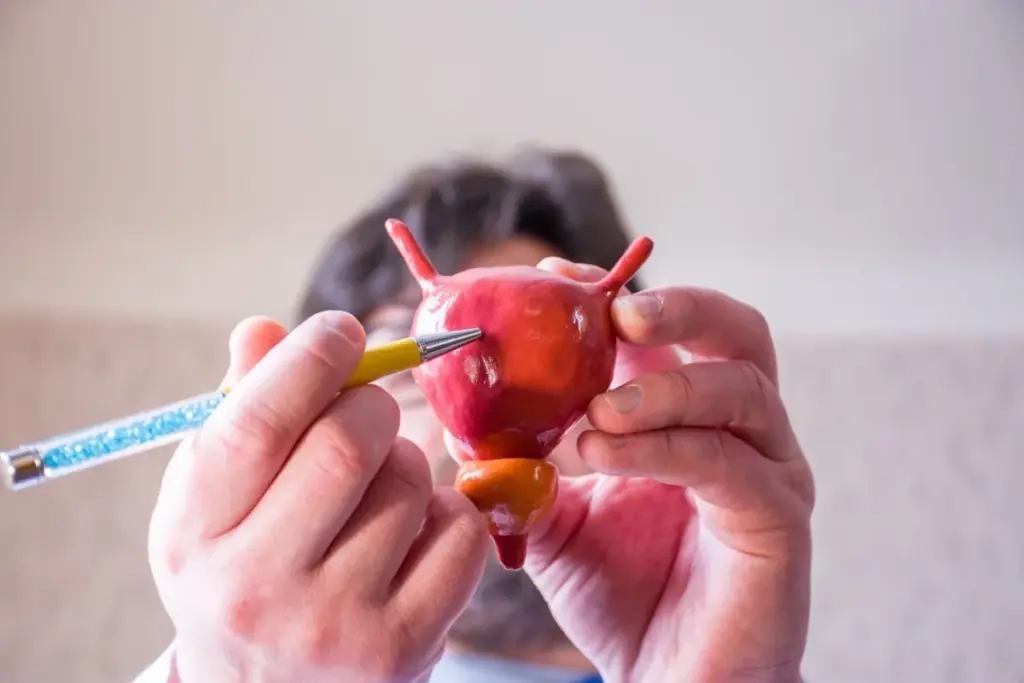
Urinary retention is when your body can’t fully empty the bladder. It affects millions of people worldwide. It’s a medical emergency that needs quick attention. Many think it’s just for older people or those with benign prostatic hyperplasia (BPH). But it can happen to anyone urinary retention.
When you can’t urinate right, it can cause big problems. This makes getting treatment fast very important. Knowing the dangers of urinary retention is key for those dealing with it.
Key Takeaways
- Urinary retention is a condition where the bladder cannot be fully emptied.
- It’s considered a medical emergency due to possible complications.
- Benign prostatic hyperplasia (BPH) is a common cause of urinary retention.
- Prompt treatment is necessary to prevent serious health issues.
- Understanding the risks can help individuals seek timely medical care.
Understanding Urinary Retention: Definition and Causes

It’s important to know about urinary retention to manage and treat it. This condition means you can’t fully empty your bladder. It can cause a lot of discomfort and health problems.
What is Urinary Retention?
Urinary retention means you can’t fully void urine from your bladder. “Void” means to empty your bladder or bowels. So, if you can’t do this, you have a buildup of residual urine. This can be painful and may lead to infections or damage to your urinary tract.
This condition can be sudden or long-term. Sudden inability to urinate is a medical emergency. Long-term inability to empty your bladder can develop over time.
Common Causes of Urinary Retention
Many things can cause urinary retention. It can be due to blockages, neurological disorders, medication side effects, or weak bladder muscles. Blockages might be from cystolitholapaxy (a procedure to remove bladder stones) or tumors. Neurological disorders like Parkinson’s disease or spinal cord injuries can also cause it.
- Obstruction due to bladder stones or tumors
- Neurological disorders like Parkinson’s disease or multiple sclerosis
- Medication side effects, such as antidepressants and antihistamines
- Weakened bladder muscles due to aging or certain medical conditions
Risk Factors for Developing Urinary Retention
Some people are more likely to get urinary retention. Age, gender, and medical conditions play a big role. Men over 50 are at higher risk because of prostate enlargement. Women with pelvic organ prolapse are also at risk. People with neurological conditions or taking certain medications are more likely to experience it.
Knowing the risk factors and causes is key to preventing and treating urinary retention. Recognizing symptoms early can help prevent complications and improve your life quality.
Signs and Symptoms of Urinary Retention
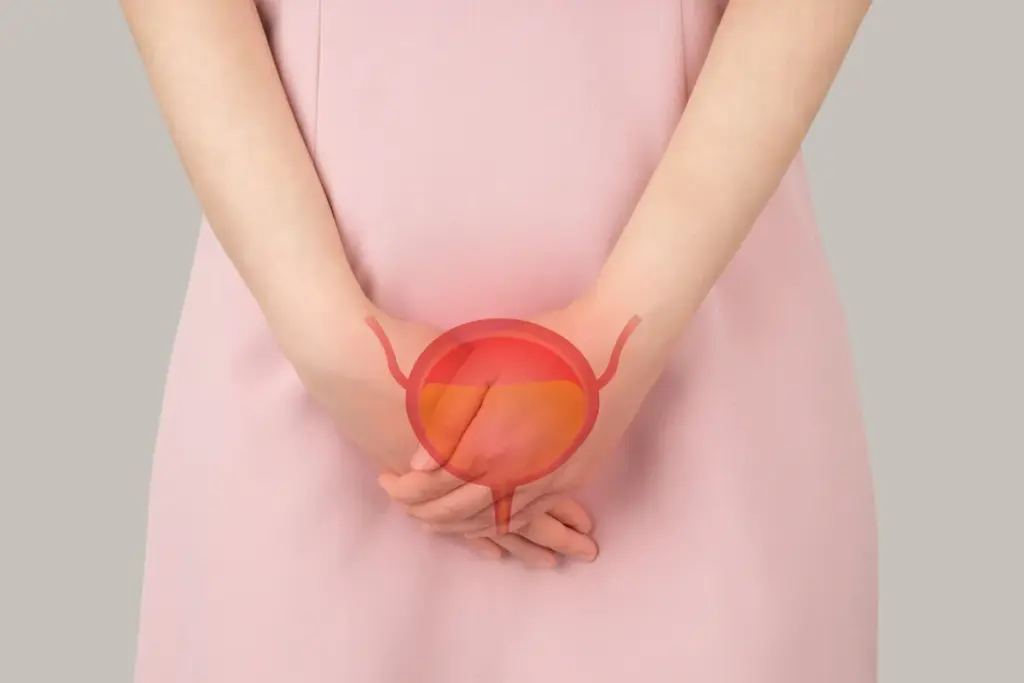
Urinary retention can be very distressing and confusing. It affects both the body and mind. Knowing its signs is key.
Physical Symptoms to Watch For
Physical symptoms of urinary retention are clear. People might feel like they always need to pee, even when they don’t. They might also have trouble starting to pee or have a weak flow.
They might feel pain in their lower belly or pelvis. Or they might pee a lot but not much comes out. These signs can really mess up your day.
It’s important to see a doctor if these symptoms last. A healthcare provider said,
“The inability to empty the bladder is not just a minor inconvenience; it’s a condition that requires prompt medical evaluation.”
Emotional and Psychological Impacts
Urinary retention is more than just a physical issue. It can really mess with your emotions and mind. People often feel anxious or embarrassed, which can make them want to hide.
This can really lower their quality of life. It’s like losing control, which is very scary. This condition can happen to anyone, but is sometimes incorrectly referred to as ‘female trouble. But it’s not just for women.
Differences Between Acute and Chronic Urinary Retention
Urinary retention can be either acute or chronic. Acute is sudden and needs quick help. Chronic is long-term and can be hard to deal with.
Knowing the difference helps doctors treat it better. For example, a man might feel like he can’t fully empty his bladder. This is scary and is called “empty man.” Knowing if it’s acute or chronic helps doctors help you better.
In short, urinary retention is complex. It has many physical and emotional symptoms. Understanding these can help you get the right help and recover better.
When Urinary Retention Becomes Critical
Not being able to urinate, or urinary retention, is serious. It can lead to severe problems if not treated quickly. We will look at when it’s a medical emergency and the dangers of waiting too long to get help.
Identifying Emergency Situations
Knowing when urinary retention is an emergency is key. If you can’t urinate and feel a lot of pain, have a fever, or are vomiting, get help right away. These signs can mean a serious problem that needs quick action.
Other emergency signs include:
- Severe abdominal pain
- Can’t pass urine
- Fever over 101.5°F (38.6°C)
- Blood in the urine
Complications Related to Prolonged Urinary Retention
Long-term urinary retention can cause big problems. These include urinary tract infections (UTIs), bladder damage, and kidney damage. If not treated, these issues can get very bad and even life-threatening.
Some serious problems from long-term urinary retention are:
- Urinary tract infections (UTIs)
- Bladder damage from being too full
- Kidney damage from pressure
- Potential for kidney failure in severe cases
It’s important to know the risks of urinary retention and when it’s critical. We stress the need to see a doctor if symptoms don’t get better or get worse.
The Diagnosis Process for Urinary Retention
Diagnosing urinary retention involves several steps. Healthcare professionals use these steps to find the main cause. This is key to choosing the right treatment and easing symptoms.
Medical History and Physical Exam
We begin by taking a detailed medical history. We ask about symptoms, past health, and current medications. A physical exam follows to look for signs like an enlarged prostate or a big bladder.
Diagnostic Tests for Urinary Retention
To understand urinary retention better, we use diagnostic tests. These include:
- Ultrasound: To find issues like kidney stones or an enlarged prostate.
- Urodynamic tests: These check how well the bladder and urethra work.
- Post-void residual (PVR) measurement: This test shows how much urine is left in the bladder after you pee. It helps understand the severity of urinary retention.
Importance of Timely Diagnosis
Getting a diagnosis quickly is very important. A leading urologist says,
“Urinary retention is not just a matter of discomfort; it’s a condition that requires prompt medical attention to prevent long-term damage.”
Waiting too long can cause more pain, kidney damage, and urinary tract infections.
In summary, diagnosing urinary retention involves a detailed medical history, physical exam, and various tests. Knowing the cause and severity helps doctors create a good treatment plan. Quick diagnosis is key to avoiding complications and improving health outcomes.
Treatment Options for Urinary Retention
Treating urinary retention involves both quick fixes and long-term plans. It’s a condition that can be very distressing. We need to look at all the ways to treat it.
Immediate Interventions and Catheterization
Catheterization is often the first step for acute urinary retention. It helps drain urine and relieves symptoms. The choice to use catheterization depends on how severe the retention is and the patient’s health.
Some might need intermittent catheterization. This means using a catheter a few times a day. We help patients choose the best method for them.
Long-Term Treatment Strategies
Making lifestyle changes can help a lot. Drinking the right amount of water, eating certain foods, and double voiding can help. Physical therapy can also strengthen pelvic muscles.
Long-term management is key for many. It involves lifestyle changes and medical treatments that fit each person’s needs.
Role of Medications in Treatment
Medications are very important, like for benign prostatic hyperplasia (BPH). Alpha-blockers and 5-alpha-reductase inhibitors help with urination and shrinking the prostate.
Choosing the right medication is based on the cause of retention and the patient’s health. We help find the best treatment for each patient.
Prevention of Urinary Retention
Preventing urinary retention starts with regular check-ups and lifestyle changes. Knowing the risks and taking steps to avoid them is key. Healthy habits and awareness of symptoms can greatly reduce the risk.
Lifestyle Changes to Consider
Changing your lifestyle can help prevent urinary retention. Staying hydrated helps avoid constipation, a common cause. Eating a healthy diet full of fiber also supports your urinary health.
Regular exercise is also important. Exercise strengthens the bladder muscles, lowering the risk of retention. Avoiding long periods of sitting also helps prevent urinary stasis.
Regular Medical Check-ups
Regular doctor visits are essential for early detection and management. Healthcare providers can check bladder function and spot issues early.
Talking about symptoms or concerns with your doctor can lead to timely help. This can prevent complications from urinary retention. Remember, “An ounce of prevention is worth a pound of cure.”
“Prevention is better than cure, when it comes to urinary health.”
Emergency Management of Urinary Retention
Knowing how to act in a urinary retention emergency is key. This condition, where you can’t empty your bladder, can be very uncomfortable. It can even be dangerous if not treated right away.
What to Do in a Medical Emergency
In a urinary retention emergency, stay calm and get medical help fast. If you suddenly can’t urinate, don’t try to fix it yourself. Waiting too long can make things worse.
Here’s what to do in an emergency:
- Call emergency services or a doctor right away
- Tell them about your symptoms and health history
- Don’t try to force yourself to urinate, as it can cause more problems
When to Seek Immediate Medical Attention
Knowing when to get medical help is important. Look out for these signs:
- Severe pain in your lower abdomen
- Can’t urinate even though you feel like you need to
- Vomiting or a fever with urinary retention
If you or someone you know has these symptoms, get medical help right away. Quick action can stop serious problems like kidney damage or infections.
Long-term urinary retention can cause big health problems. These include:
|
Complication |
Description |
|---|---|
|
Urinary Tract Infections (UTIs) |
Bacteria in the urine can cause infections. |
|
Kidney Damage |
Pressure from backed-up urine can harm the kidneys. |
|
Bladder Damage |
The bladder can get damaged from being too full. |
In summary, handling urinary retention emergencies well is critical. Knowing what to do and when to get help can help avoid serious issues.
Living with Urinary Retention: Long-Term Management
Living with urinary retention can be tough, but it’s possible to stay active. We know managing this condition needs a full plan. This includes medical care, lifestyle changes, and emotional support.
Coping Strategies for Patients
Dealing with urinary retention means using medicine and making lifestyle changes. Doing pelvic floor exercises can help. It’s also important to control fluid intake and avoid constipation.
Pelvic floor exercises can really help with bladder control. It’s key to learn the right way from a doctor. For men, it can help with feeling uncomfortable. For women, it can help with “female trouble” related to urinary issues.
Support Systems and Resources Available
Having support is vital for those with urinary retention. This support can come from family and friends, support groups, and healthcare professionals. They offer emotional support, advice, and treatment.
|
Support System |
Description |
Benefits |
|---|---|---|
|
Family and Friends |
Emotional support and practical help |
Reduced feelings of isolation, practical assistance |
|
Support Groups |
Sharing experiences and advice |
Community, understanding, and coping strategies |
|
Healthcare Professionals |
Medical guidance and treatment |
Expert advice, treatment options, and management plans |
Understanding urinary retention is key to coping. With the right support and strategies, people can live fulfilling lives despite its challenges.
Conclusion: Importance of Recognizing Urinary Retention
Urinary retention is a serious medical issue that needs quick action. We’ve covered its definition, causes, signs, diagnosis, and treatments. Knowing about retention meaning and its health effects is key for managing it well.
Urgency in Treatment
Not being able to urinate or void can cause big problems. It can lead to pain and serious health issues if not treated. It’s vital to recognize the signs and get medical help to avoid lasting damage.
Seeking Help and Raising Awareness
We urge those with urinary retention symptoms to get medical help fast. Spreading the word about this condition can help reduce shame and encourage early action. By understanding its importance, we can offer support and help to those affected.
FAQ
What is urinary retention?
Urinary retention means you can’t fully empty your bladder. It’s a sign of a possible health problem that needs quick attention.
What are the common causes of urinary retention?
Causes include blockages, nerve issues, some medicines, and health conditions. Knowing the cause helps find the right treatment.
What are the signs and symptoms of urinary retention?
Signs include trouble starting to pee, weak flow, infections, and pain while peeing. Feeling stressed or upset is also common.
When does urinary retention become a medical emergency?
It’s urgent if you can’t pee at all, have severe pain, or have fever or vomiting. These are signs of serious problems.
How is urinary retention diagnosed?
Doctors use your medical history, a physical exam, and tests like ultrasound or urodynamic tests. These help find the cause.
What are the treatment options for urinary retention?
Treatments include catheter use for quick relief. Long-term, you might need lifestyle changes, medicines, or surgery, based on the cause.
Can urinary retention be prevented?
Not all cases can be stopped, but lifestyle changes and regular check-ups can lower your risk.
What should I do in a urinary retention emergency?
If you can’t pee, have severe pain, or other worrying symptoms, get medical help right away. Quick action is key to avoid serious problems.
How can I manage urinary retention long-term?
Long-term, manage it with lifestyle changes and by using support systems. There are many resources to help you cope.
What does it mean to retain urine?
Retaining urine means you can’t fully empty your bladder. It can cause discomfort and serious health issues if not treated.
What is the meaning of residual urine?
Residual urine is the urine left in your bladder after trying to pee. A lot of it means you might have urinary retention.
What is the ICD-10 code for urinary retention?
The ICD-10 code for urinary retention is R33.0 for sudden cases and R33.9 for unspecified cases. It helps doctors standardize diagnosis and treatment.
References
National Institutes of Health. Evidence-Based Medical Insight. Retrieved from https://www.niddk.nih.gov/health-information/urologic-diseases/urinary-retention/symptoms-causes[2