Did you know some medicines can really mess with your bladder, causing urinary retention? This is when you can’t fully empty your bladder. It’s a side effect of many prescription drugs.
Urinary retention meds can cause unexpected side effects. Discover amazing drugs that stop you from peeing and find a powerful cure.
We’ll look into how different medicines, even those for common health problems, can lead to urinary retention. Knowing how these drugs affect your bladder is key for both doctors and patients. It helps in managing and stopping this issue.
By studying the link between medications that cause urinary retention and bladder health, we hope to shed light on the risks and benefits of these drugs.
Key Takeaways
- Certain medications can cause urinary retention as a side effect.
- Understanding the medications that affect bladder function is key for effective management.
- Healthcare providers and patients must be aware of the risks these medications pose.
- These drugs are often used to treat high blood pressure and depression.
- Getting the right diagnosis and finding alternative treatments can reduce the risk of urinary retention.
What is Urinary Retention?
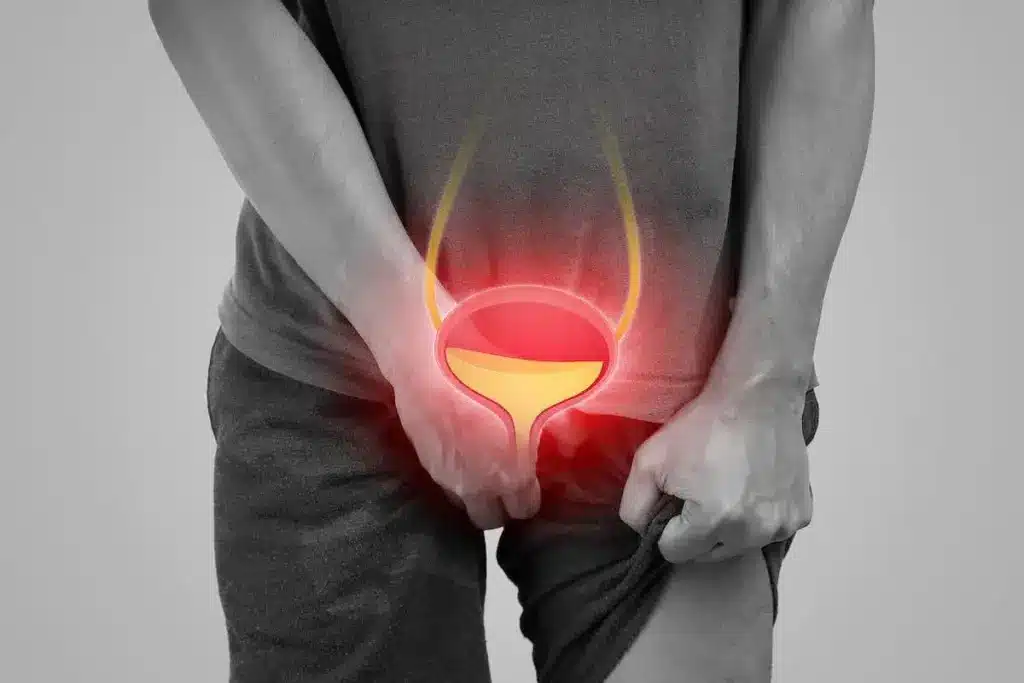
Urinary retention means you can’t fully empty your bladder. It’s a problem with many causes. It can make life hard, causing pain and discomfort. If not treated, it can lead to serious issues.
Definition of Urinary Retention
It’s when you can’t urinate or empty your bladder fully. This can happen suddenly or last a long time. Acute urinary retention is sudden and needs quick medical help. Chronic urinary retention is when it keeps happening or lasts a long time.
Causes of Urinary Retention
There are many reasons why you might have urinary retention. These include blockages, nerve problems, and side effects from some medicines. Some common reasons are:
- Benign prostatic hyperplasia (BPH) in men
- Urinary tract infections
- Certain medications, such as anticholinergics and narcotics
- Neurological conditions like multiple sclerosis and Parkinson’s disease
- Bladder stones or tumors
Knowing why it happens is key to fixing it.
Symptoms to Recognize
Spotting the signs early is important. Look out for:
- Difficulty starting urination
- Weak or interrupted urine flow
- Feeling unable to completely empty the bladder
- Frequent urination, especially at nigh
- Discomfort or pain in the lower abdomen
If you notice these, see a doctor right away.
Common Medications That Cause Urinary Retention
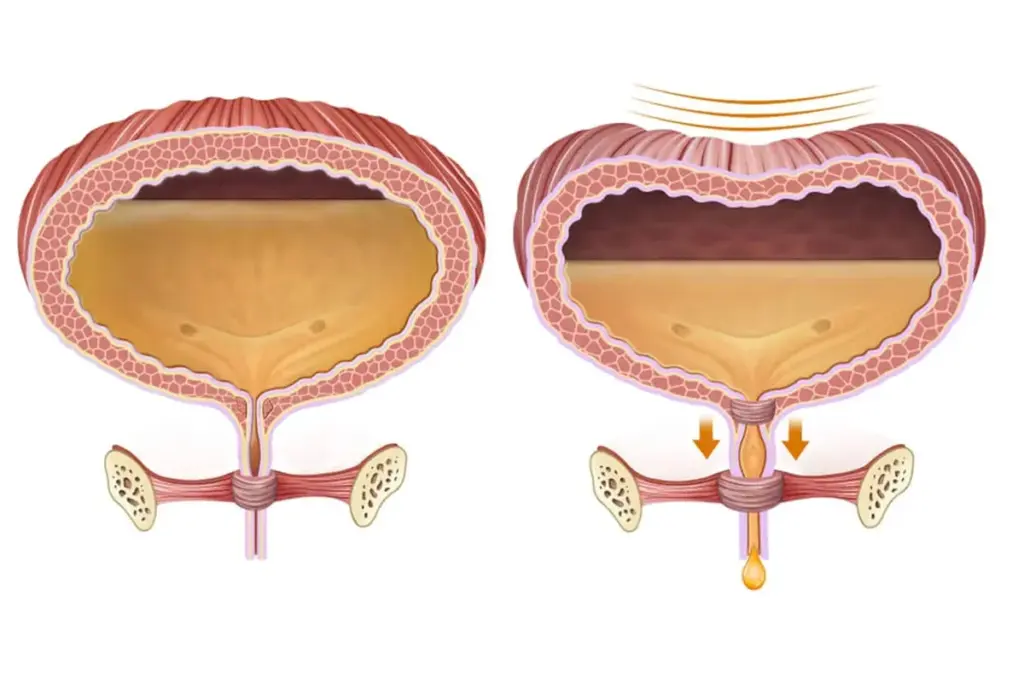
Many medications can cause urinary retention, a condition where you can’t fully empty your bladder. This can really affect your quality of life. It’s important for both doctors and patients to know which medicines might cause this problem.
Anticholinergics and Their Effects
Anticholinergic drugs block a key neurotransmitter called acetylcholine. This neurotransmitter helps the bladder contract. Examples include oxybutynin and tolterodine, used for overactive bladder. While they help with bladder issues, they can cause urinary retention, mainly in older adults or those with urinary problems.
Narcotics and Opioids
Narcotics and opioids can also lead to urinary retention. They slow down the gut and affect bladder muscles, making it hard to urinate. Those on high doses for chronic pain are at a higher risk. Doctors should watch for signs of urinary retention in these patients.
Some Antidepressants
Some antidepressants, like those with anticholinergic properties, can also cause urinary retention. Tricyclic antidepressants (TCAs) are known for this side effect. Patients should talk to their doctor about any urinary issues when starting these medications.
It’s key for both patients and doctors to be aware of urinary retention risks from these medicines. Talking about any urinary symptoms can help manage this side effect.
How Do Anticholinergic Medications Affect Urination?
It’s important to know how anticholinergic medications work to understand their impact on urination. These drugs are used to treat many conditions, like overactive bladder and COPD. They are also used for some stomach problems.
These medicines block acetylcholine, a key neurotransmitter. This action helps reduce bladder spasms and contractions. As a result, you might not need to urinate as often.
Mechanism of Action
Anticholinergic medications block muscarinic receptors in the bladder. This makes the detrusor muscle relax. The bladder then can’t empty as well, which might cause urinary retention.
Key aspects of their mechanism include:
- Blocking muscarinic receptors to reduce bladder contractions
- Relaxing the detrusor muscle to decrease urinary urgency
- Increasing bladder capacity to reduce frequency
Common Anticholinergic Drugs
Many anticholinergic medications are used, including:
- Oxybutynin (Ditropan)
- Tolterodine (Detrol)
- Trospium (Sanctura)
- Solifenacin (VESIcare)
These drugs help manage overactive bladder symptoms. But, they can affect urination differently for everyone.
Risk Factors in Patients
Some people are more likely to have urinary retention from these medications. These include:
- Older adults, due to decreased bladder muscle strength and potentially compromised bladder function
- Patients with pre-existing urinary tract issues or obstruction
- Individuals taking multiple medications that can exacerbate anticholinergic effects
Doctors should consider these risks when prescribing these medications. This helps avoid urinary retention problems.
The Role of Narcotics in Urinary Retention
It’s important to know how narcotics affect urinary retention for better pain care. Narcotics, or opioids, help with pain but can cause urinary issues in some.
Types of Narcotics Linked to Retention
Some narcotics are more likely to cause urinary retention. These include:
- Morphine: A common opioid for pain relief.
- Codeine: Used with other meds for pain.
- Fentanyl: For severe pain.
- Oxycodone and Hydrocodone: For chronic pain.
These narcotics can make it hard to urinate by relaxing the bladder muscle and tightening the urinary sphincter.
Patient Populations at Risk
Some people are more likely to have urinary retention with narcotics. These include:
- Elderly patients: Older adults may have weaker bladder muscles and other health issues.
- Postoperative patients: Those recovering from surgery, like pelvic surgeries, are at higher risk.
- Patients with neurological disorders: Spinal cord injuries or diseases can affect bladder function.
Considerations for Pain Management
When using narcotics for pain, watch out for urinary retention. Ways to reduce this risk include:
- Monitoring: Keep an eye on patients for signs of urinary retention.
- Dose adjustment: Use the lowest dose needed.
- Alternative pain management: Look into other ways to manage pain.
By understanding the link between narcotics and urinary retention, healthcare providers can manage pain effectively. This helps avoid unwanted side effects.
Antidepressants and Urinary Retention
Some antidepressants can cause urinary retention. These drugs help with depression and anxiety. But, they can also make it hard to fully empty the bladder.
Classes of Antidepressants Involved
Several antidepressant types can lead to urinary retention. These include:
- Tricyclic Antidepressants (TCAs): TCAs relax the bladder muscle, causing retention.
- Monoamine Oxidase Inhibitors (MAOIs): MAOIs can also cause retention due to their nervous system effects.
- Selective Serotonin Reuptake Inhibitors (SSRIs): Some SSRIs may cause retention, though they are generally safer.
Prevalence of Retention Symptoms
The risk of urinary retention with antidepressants varies. It depends on the drug and the person taking it. Studies show:
Antidepressant Class | Prevalence of Urinary Retention |
|---|---|
Tricyclic Antidepressants (TCAs) | Higher incidence due to anticholinergic effects |
Selective Serotonin Reuptake Inhibitors (SSRIs) | Lower incidence compared to TCAs, but a risk remains |
Monoamine Oxidase Inhibitors (MAOIs) | Variable incidence, often related to dosage and individual response |
Tips for Managing Side Effects
Managing urinary retention from antidepressants needs a few steps. Here are some tips:
- Monitor Symptoms: Watch for any changes in how you urinate.
- Adjust Medication: Talk to your doctor about changing your medication or dosage.
- Pelvic Floor Exercises: Doing pelvic floor exercises can help strengthen the bladder muscles.
- Lifestyle Changes: Making dietary changes can also help manage symptoms.
Understanding the link between antidepressants and urinary retention helps patients and doctors. Together, they can reduce this side effect and improve treatment results.
Other Medications to Consider
Many medications can cause urinary retention, not just the usual ones. Anticholinergics, narcotics, and some antidepressants are well-known. But other drugs can also affect how well you can urinate.
Muscle Relaxants
Muscle relaxants help with muscle spasms and tension. But they can also relax the bladder muscles too much. This can lead to trouble urinating. For example, cyclobenzaprine can have this effect, mostly in older people.
Certain Antihistamines
Antihistamines treat allergies, but some can dry out secretions. This includes the bladder, which can cause trouble urinating. Diphenhydramine is one such antihistamine.
Medications for Overactive Bladder
Some drugs for overactive bladder can sometimes cause urinary retention. This happens if the drug affects the bladder too much. Or if there’s another condition that makes it hard to urinate.
To understand how these drugs affect urination, let’s look at some data:
Medication Class | Examples | Potential Effect on Urinary Retention |
|---|---|---|
Muscle Relaxants | Cyclobenzaprine, Baclofen | Relaxation of bladder muscles, potentially leading to retention |
Certain Antihistamines | Diphenhydramine, Chlorpheniramine | Anticholinergic effects can cause urinary retention |
Medications for Overactive Bladder | Oxybutynin, Tolterodine | Can potentially cause retention, if the bladder is too active |
Doctors need to watch for signs of urinary trouble in patients on these drugs. They should adjust treatments as needed.
Non-Pharmaceutical Contributors to Urinary Retention
Many things other than medicine can cause urinary retention. Knowing about these factors is key to managing and treating it well.
Lifestyle Factors
Our lifestyle choices and habits can greatly affect urinary retention. For example, what we eat and drink matters a lot. Drinking caffeinated or alcoholic drinks can make it harder to go to the bathroom. But, drinking enough water helps prevent constipation, which can also cause urinary retention.
Being active is another lifestyle factor that can impact urinary retention. Exercise can strengthen the bladder muscles and improve urinary health. Yet, some exercises, like heavy lifting or straining, might make symptoms worse for some people.
Neurological Conditions
Neurological conditions can harm the nerves that control the bladder, leading to urinary retention. Diseases like Parkinson’s disease, multiple sclerosis, and spinal cord injuries can mess with bladder function. How much these conditions affect urinary retention varies from person to person.
“Neurological disorders can significantly impact bladder control, leading to issues such as urinary retention. Managing these conditions often requires a multidisciplinary approach.”
Medical Expert, Neurologist
Anatomical Obstructions
Physical blockages can stop urine from flowing normally. In men, an enlarged prostate is a common cause of urinary retention. Other blockages include bladder stones or tumors in the urinary tract. These can cause a lot of urinary retention and usually need medical help.
Condition | Description | Impact on Urinary Retention |
|---|---|---|
Enlarged Prostate | A condition where the prostate gland is larger than normal. | Can cause urinary retention by obstructing the urethra. |
Bladder Stones | Hard masses of minerals that form in the bladder. | Can obstruct urine flow, leading to retention. |
Tumors | Abnormal growths within the urinary tract. | Can physically obstruct urine flow or affect bladder function. |
Managing Urinary Retention Symptoms
Managing urinary retention symptoms needs a full plan. This includes talking to a doctor, trying treatments, and making lifestyle changes. It’s key to tackle this issue in a complete way to improve life quality.
The Importance of Seeking Medical Consultation
First, you should see a doctor. They can find out why you have urinary retention. This is important for choosing the right treatment.
Don’t wait to see a doctor. Early help can stop problems and make things better.
When you see a doctor, be ready to talk about your symptoms and health history. This helps the doctor understand your situation better.
Exploring Treatment Options
Treatment for urinary retention varies based on the cause. It might include changing medications or making lifestyle changes. We help patients find the best treatment for them.
Some treatments are:
- Changing medications that might be causing urinary retention
- Doing pelvic floor exercises to strengthen muscles
- Using catheterization in some cases
- Dealing with conditions that might be causing urinary retention
Lifestyle Changes for Managing Urinary Retention
Along with medical treatment, lifestyle changes can help. This includes drinking more water or avoiding certain foods. Stress management is also important.
Making small changes in your daily routine can help a lot. For example, taking regular breaks to use the bathroom. Keeping a bladder diary can also help track symptoms and find patterns.
By combining medical advice, treatments, and lifestyle changes, you can manage urinary retention symptoms. This can greatly improve your life quality.
When to Seek Professional Help
Knowing when to get help for urinary retention is key. It can really affect your life, and getting medical help quickly is important.
Recognizing Severe Symptoms
Severe symptoms mean you need to see a doctor right away. These include:
- Painful urination or trouble peeing
- Severe abdominal pain
- Blood in the urine
- Fever or chills, which could mean a urinary tract infection
If you have any of these symptoms, go see a doctor fast.
Recommended Diagnostic Tests
When you see a doctor, they might do some tests. These tests help find out why you have urinary retention. They include:
- Urinalysis to look for infections or blood in your urine
- Post-void residual (PVR) measurement to see how well your bladder empties
- Urodynamic tests to check your bladder function and urine flow
- Imaging tests like ultrasound or CT scans to see your urinary tract
These tests help doctors figure out what’s going on and how to treat it.
Treatment Pathways
Treatment for urinary retention depends on the cause. It might include:
- Medications to relax the bladder muscle or improve bladder function
- Catheterization to drain the bladder
- Lifestyle modifications like changing what you eat or bladder training
- Surgical interventions in some cases, to fix anatomical problems or other issues
We work with patients to find the best treatment for them.
Research and Future Directions
Research on how medications affect urinary retention is growing. We’re learning more about how different drugs interact with our bodies. This knowledge helps us find new ways to treat and manage urinary retention.
Current Studies on Medications and Urinary Retention
Studies are trying to understand how some drugs cause urinary retention. For example, anticholinergic meds, narcotics, and some antidepressants can harm bladder function. A study in the Journal of Urology found that older adults taking these meds are at higher risk of urinary retention.
New medications are also being studied for their effects on the bladder. As new drugs come out, we need to keep watching how they affect bladder function.
Emerging Treatments
New treatments for urinary retention are being developed. Scientists are looking at new drugs that might work better and be safer. For instance, drugs targeting specific bladder receptors could help without the usual side effects.
There’s also interest in non-drug treatments like neuromodulation and behavioral therapy. These methods aim to give patients more options that fit their needs.
“The development of new treatments for urinary retention is a rapidly evolving field, driven by advances in our understanding of bladder physiology and the impact of medications on urinary function.”
— Medical Expert, Urology Specialist
Importance of Ongoing Awareness
It’s key for healthcare providers and patients to stay informed about urinary retention. As we learn more, we must keep educating ourselves and others. This helps us understand the risks and benefits of different medications.
- Stay up-to-date with the latest research
- Know the side effects of medications
- Tell your doctor if you have symptoms
By working together, we can better manage urinary retention. This improves the lives of those dealing with this condition.
Conclusion
Urinary retention is a complex issue linked to many medications. We’ve looked at how anticholinergics, narcotics, and some antidepressants play a part. These can all affect how well we can urinate.
Key Takeaways
Some medicines can really mess with our ability to pee. For example, anticholinergics block a key neurotransmitter that helps our bladder muscles work right. Narcotics and opioids slow down these muscles too, causing retention. Knowing this can help us manage our urinary health better.
Staying Informed
It’s important for patients to know the risks of their meds. Understanding these side effects helps us take care of our urinary health. A list of medications that can cause retention can help us stay on top of our care.
Moving Forward
Knowing which meds can cause urinary retention is a big step. We urge patients to talk to their doctors about their meds and any worries. By staying informed and proactive, we can reduce the risks of urinary retention and keep our urinary health in check.
FAQ
What is urinary retention?
Urinary retention is when your body can’t fully empty the bladder. This leads to urine building up.
What are the common medications that cause urinary retention?
Medications that can cause urinary retention include anticholinergics, narcotics, opioids, certain antidepressants, muscle relaxants, and antihistamines.
How do anticholinergic medications affect urination?
Anticholinergic medications block acetylcholine, a neurotransmitter. This affects bladder contractions, causing urinary retention.
Can antidepressants cause urinary retention?
Yes, some antidepressants, like tricyclic antidepressants, can cause urinary retention. This is because of their anticholinergic effects.
What are the risk factors for urinary retention when taking medications?
Risk factors include age, medical conditions like neurological disorders, and taking many medications that can interact.
How can I manage urinary retention caused by medications?
To manage urinary retention, talk to a healthcare provider. Adjust your medications and make lifestyle changes, like fluid intake and bladder training.
What are the symptoms of urinary retention?
Symptoms include trouble starting to urinate, weak urine flow, frequent urination, and feeling like the bladder isn’t empty.
When should I seek professional help for urinary retention?
Seek medical help for severe symptoms like not being able to urinate, severe pain, or if you have medical conditions.
What diagnostic tests are used to evaluate urinary retention?
Tests like urinalysis, ultrasound, and urodynamic tests are used. They help assess bladder function and find causes.
Are there any emerging treatments for urinary retention?
Yes, research is ongoing. New treatments, including medications and alternative therapies, are being developed.
Can lifestyle factors contribute to urinary retention?
Yes, lifestyle factors like fluid intake, physical activity, and habits can contribute to urinary retention.
How can I stay informed about medications and urinary health?
Stay informed by talking to healthcare providers, reading reputable sources, and knowing medication side effects.
Does amlodipine cause urinary retention?
There’s limited evidence linking amlodipine to urinary retention. But, reactions to medications can vary.
What are the non-pharmaceutical contributors to urinary retention?
Non-pharmaceutical contributors include neurological conditions, anatomical obstructions, and lifestyle factors. These can all affect bladder function.
Can muscle relaxants cause urinary retention?
Yes, some muscle relaxants can cause urinary retention. They relax the bladder muscle, affecting its ability to contract.
What is the role of narcotics in urinary retention?
Narcotics and opioids can cause urinary retention. They affect the nervous system’s control over bladder function and reduce the urge to urinate.
References
National Center for Biotechnology Information. Evidence-Based Medical Insight. Retrieved from https://pmc.ncbi.nlm.nih.gov/articles/PMC11744018/[1