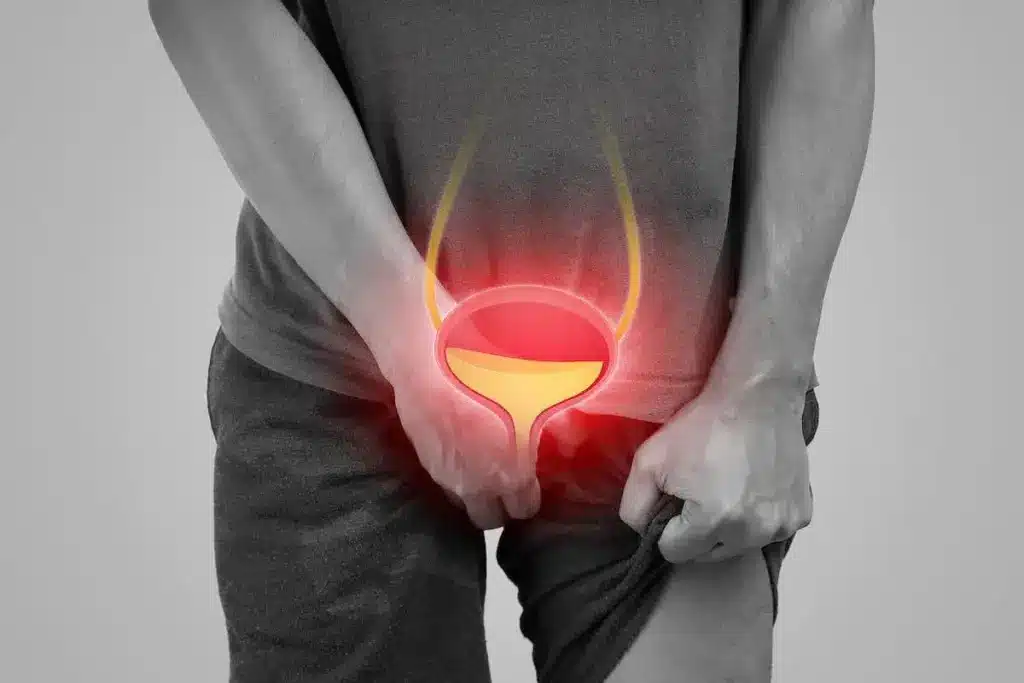
Urine retention sepsis is a fatal risk. Discover amazing warning signs of infection and find a powerful cure for your bladder issues. When the body can’t empty the bladder properly, it’s a serious issue. Urine retention is more than just a minor problem. It can lead to sepsis, a dangerous infection response.
Urinary tract infections often come from urine retention. If not treated, these infections can spread to the kidneys. They can then enter the bloodstream, causing sepsis.
It’s important to understand how urine retention can lead to sepsis. In this article, we’ll look at how urine retention can cause urinary tract infections. We’ll also talk about the risk of sepsis and why quick medical help is key.
Key Takeaways
- Urine retention can lead to urinary tract infections.
- Untreated urinary tract infections can spread and cause sepsis.
- Understanding the risks associated with urine retention is critical.
- Timely medical intervention can prevent serious complications.
- Recognizing the signs of urinary tract infections is key to preventing sepsis.
Understanding Urine Retention and Its Causes
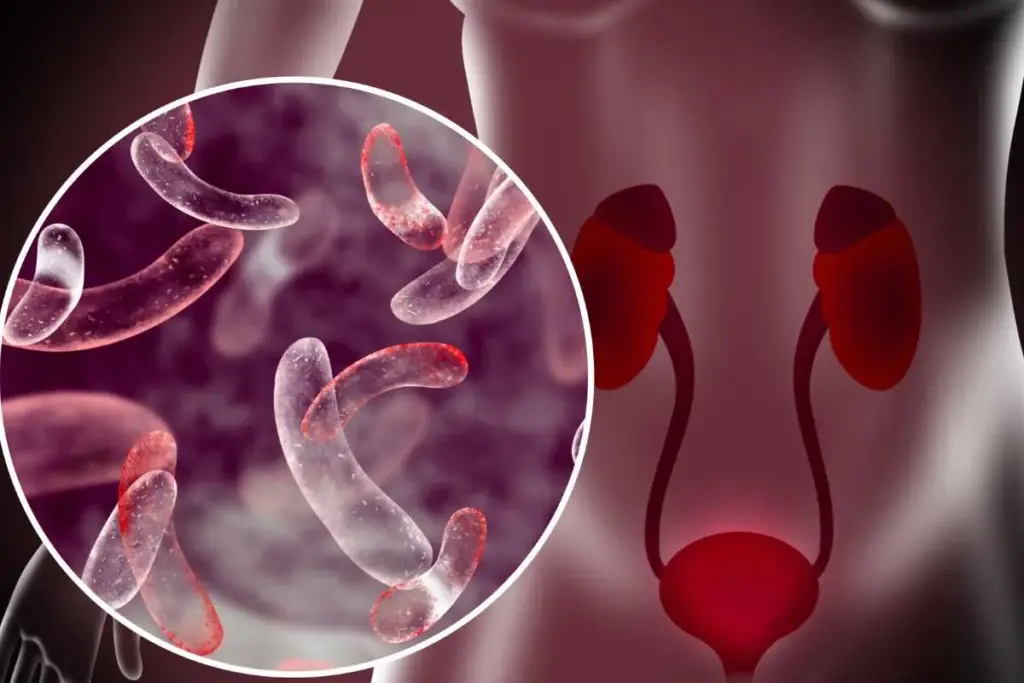
Urine retention occurs when the bladder cannot be fully emptied, which can lead to serious health issues. Knowing what causes it and its signs is key.
What is Urine Retention?
Urine retention means you can’t fully empty your bladder. It can happen suddenly or last a long time. Acute urinary retention is an emergency, while long-term issues need careful handling.
Many things can cause urine retention. Knowing the cause helps in treating it.
Common Causes of Urine Retention
Several things can cause urine retention. These include:
- Neurological disorders like multiple sclerosis or spinal cord injuries
- Urinary tract obstructions, such as kidney stones or tumors
- Enlarged prostate in men
- Certain medications that affect bladder muscle tone
Urinary obstruction danger is a big risk. Finding the cause is the first step to treatment.
Symptoms of Urine Retention
The signs of urine retention vary. They depend on whether it’s sudden or long-term. Common signs include:
- Difficulty starting urination
- Weak or interrupted urine flow
- Frequent urination or feeling the need to urinate urgently
- Unable to empty the bladder completely
Spotting these signs early helps get medical help fast. This can prevent bigger problems.
The Link Between Urine Retention and Infections
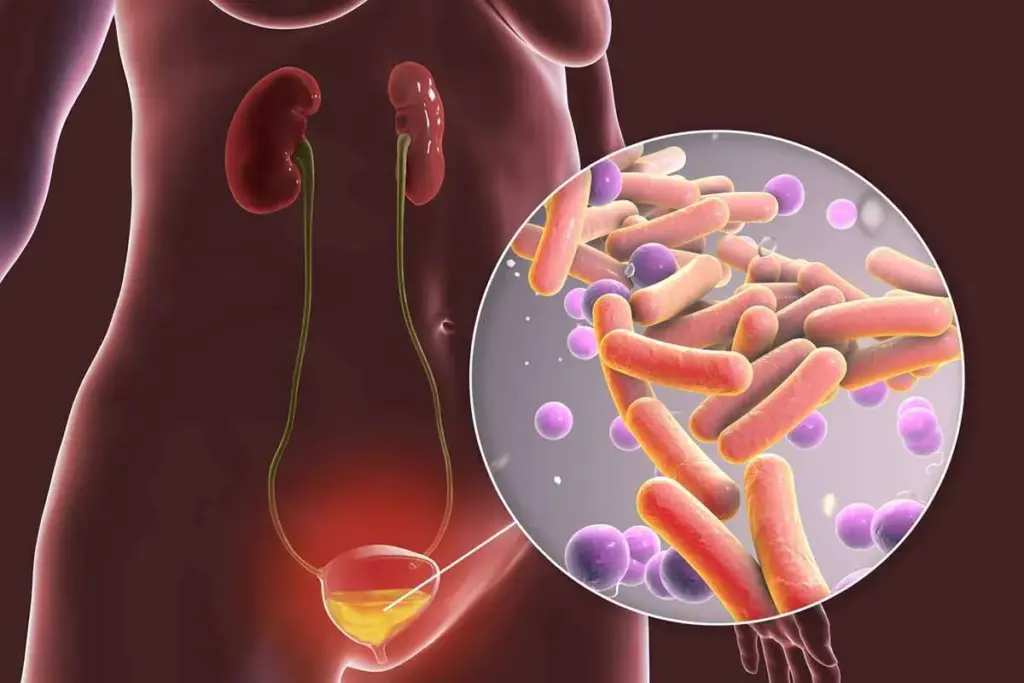
When urine stays in the bladder too long, it can become a breeding ground for bacteria. This can lead to infections. Urine retention causes urinary stasis, where urine stays in the bladder for too long. This stasis helps bacteria multiply, raising the risk of infection.
How Bacterial Infections Develop
Bacterial infections in the urinary tract start when bacteria enter and multiply in the system. Stagnant urine from retention is perfect for bacterial growth. As bacteria grow, they can cause infections. These infections can become serious, like urosepsis, if bacteria get into the bloodstream.
“Bacteria in the urine, known as bacteriuria, often leads to urinary tract infections (UTIs),” notes a top urology expert. “If not treated, these infections can move up to the kidneys and cause sepsis.”
Factors That Increase Infection Risk
Several things can make infections more likely from urine retention. These include:
- Prolonged urinary catheter use
- Weakened immune systems
- Previous history of UTIs
- Underlying medical conditions, such as diabetes
Knowing these risk factors is key to preventing infections and managing urine retention. Healthcare providers can lower the risk of complications by addressing these factors.
Understanding Sepsis
Sepsis is a serious condition where the body’s fight against an infection gets out of control. It causes widespread inflammation. “Sepsis is a major cause of morbidity and mortality in hospitals worldwide,” showing why quick action is needed.
The Definition of Sepsis
Sepsis happens when the body’s fight against an infection damages its own tissues and organs. This serious condition can lead to shock, organ failure, and even death if not treated fast.
Stages of Sepsis
Sepsis goes through different stages, starting with sepsis, then severe sepsis, and the worst, septic shock.
- Sepsis: It’s when the body’s fight against infection gets too strong.
- Severe Sepsis: This is when sepsis causes organ failure.
- Septic Shock: The worst stage, with deep problems in blood flow, cells, and metabolism.
Recognizing the Signs and Symptoms
Spotting sepsis early is key. Look out for these signs:
- Fever, or feeling too cold
- Fast heart rate
- Deep breathing
- Confusion or feeling lost
As sepsis gets worse, symptoms get more severe, leading to organ problems. It’s vital to get medical help right away if you think someone has sepsis.
How Urine Retention Leads to Sepsis
Sepsis is a serious condition that can happen if urine is not removed from the body. This buildup of urine can lead to bacteria growth. If not treated, this can spread to the blood, causing sepsis.
Mechanisms of Infection Spread
Urine retention creates a perfect environment for bacteria to grow. This can lead to urinary tract infections (UTIs). If these infections are not treated, they can move to the kidneys, causing pyelonephritis, and potentially leading to sepsis.
Infection spread happens in several ways, including through the blood. Knowing how this happens helps in preventing sepsis.
Role of Catheters and Medical Devices
Catheters and other medical devices help manage urine retention. But, they also carry risks. Catheter-associated urinary tract infections (CAUTIs) can lead to catheter-related sepsis if not managed well.
To lower the risk of CAUTIs, it’s important to follow proper catheter use and care. Healthcare providers must watch for infection signs in patients with catheters.
Impact of Delayed Treatment
Not treating urine retention quickly increases the risk of UTIs and sepsis. Quick medical action is key to prevent these issues. The longer urine retention goes untreated, the higher the risk of infection.
Timely treatment helps avoid discomfort and prevents long-term problems. Spotting urine retention signs early and getting medical help can greatly lower sepsis risk.
Prevention Strategies for Urine Retention
To avoid urine retention, making lifestyle changes and staying aware is key. By choosing wisely, you can lower your risk of urine retention and its problems.
Lifestyle Changes and Hydration
Drinking enough water is vital for your urinary health. We suggest drinking lots of water to prevent UTIs and lower urine retention risk. Water helps dilute your urine and keeps your urinary tract working right.
Proper Bathroom Habits
Good bathroom habits are a must. Don’t wait too long to go to the bathroom and keep yourself clean to avoid infections. Also, pay attention to your posture and make sure you empty your bladder fully.
When to Seek Medical Help
Knowing when to get medical help is important. Look out for signs like trouble urinating, severe pain, or infection symptoms (like fever or chills). If you notice these, get help right away.
To wrap it up, here are some main prevention tips:
Prevention Strategy | Description | Benefits |
|---|---|---|
Stay Hydrated | Drink plenty of water | Reduces risk of UTIs and urine retention |
Good Bathroom Habits | Don’t delay bathroom trips, practice good hygiene | Prevents infections and promotes urinary health |
Seek Medical Help | Recognize symptoms like difficulty urinating or severe pain | Prevents complications and ensures timely treatment |
Recognizing the Symptoms of Sepsis
Knowing the early signs of sepsis can greatly help in treating severe urinary infections. Sepsis is a dangerous condition where the body’s fight against an infection harms its own tissues and organs. Spotting it early is key to saving lives.
Early Signs of Sepsis to Watch For
The signs of sepsis can differ, but common ones include:
- Fever, chills, or feeling very cold
- Confusion or disorientation
- Shortness of breath or difficulty breathing
- Rapid heart rate or weak pulse
- Pain or discomfort in the abdomen or urinary tract
Severe urinary infections can turn into sepsis if not treated quickly. Knowing these symptoms is vital, more so if you’ve had urinary tract infections before or are at risk for kidney damage.
Symptom | Description |
|---|---|
Fever | High body temperature, often with chills |
Confusion | Disorientation or a change in mental state |
Shortness of Breath | Difficulty breathing or breathing too fast |
What to Do if Sepsis is Suspected
If you or someone you know shows signs of sepsis, get medical help right away. Quick treatment can make a big difference. When you see a doctor, tell them about your symptoms, health history, and any recent infections, like urinary tract infections.
We stress the need for early detection and quick action in treating sepsis. By knowing the signs and acting fast, you can lower the risk of serious problems from sepsis.
Treatment Options for Urine Retention and Sepsis
Managing urine retention and sepsis needs a deep understanding of treatment options. We will look at medical treatments and care that help with these conditions.
Medical Treatments for Urine Retention
Urine retention can be treated in several ways. Catheterization is often used to drain the bladder. Medications like alpha-blockers can also help by relaxing muscles in the prostate and bladder neck.
Changing your lifestyle and bathroom habits are also key. We will go into more detail on these strategies.
Managing Sepsis: Medications and Interventions
Sepsis is a serious condition that needs quick medical help. The main treatment is antibiotics to fight the infection. In severe cases, vasopressors may be needed to control blood pressure and ensure blood flow to important organs.
Supportive care, like fluid resuscitation and oxygen therapy, is also vital. We will explain the main parts of sepsis treatment and why quick action is important.
Importance of Timely Treatment
Quick treatment is key for both urine retention and sepsis. Delayed treatment can cause problems, like bladder bacteria growth and urosepsis. If not treated, this can lead to septic shock urinary.
We stress the need for fast medical help if you notice symptoms of urine retention or sepsis. Early action can greatly improve outcomes and lower the risk of complications.
Risk Factors for Developing Sepsis from Urine Retention
Several factors can increase the risk of sepsis from urine retention. Knowing these can help spot those at higher risk. This way, we can try to prevent sepsis.
Age and Medical History
Age is a big risk factor for sepsis from urine retention. Older adults often face urinary retention due to conditions like benign prostatic hyperplasia in men. Women may face it due to pelvic floor disorders.
Also, a person’s medical history matters a lot. Those with urinary tract infections, past urinary retention, or urinary tract surgeries are at higher risk.
Existing Health Conditions
Health conditions also affect the risk of sepsis from urine retention. Diabetes, neurological disorders, and urinary tract obstruction can lead to retention. People with weakened immune systems are more at risk of infections, including sepsis.
Knowing these risk factors helps us identify who’s at risk of acute urinary retention sepsis. We can then give them the right care and advice to manage their condition well.
Conclusion: The Importance of Awareness
It’s key to know the dangers of urine retention and how it can lead to sepsis. We’ve looked into how urinary tract infections start and what makes bladder infections more likely. It’s important to spot the signs of sepsis from retention and act fast.
Seeking Medical Attention
If you have symptoms of urine retention or sepsis, get medical help right away. Waiting too long can cause serious problems, like sepsis. We urge everyone to take care of their health and see a doctor if they notice anything odd.
Prevention and Management
Stopping urinary tract infections and handling urine retention well can lower sepsis risk. By living a healthy lifestyle and knowing the risks, you can keep yourself safe. Awareness and learning are key to avoiding serious health problems linked to urinary tract infections and sepsis from retention.
FAQ
What is urine retention, and how does it lead to sepsis?
Urine retention happens when you can’t fully empty your bladder. This can cause bacteria to grow. It raises the chance of urinary tract infections (UTIs) and sepsis if the infection spreads to your blood.
What are the common causes of urine retention?
Causes include benign prostatic hyperplasia (BPH), nerve damage, some medicines, and blockages in the urinary tract. Knowing these can help spot who’s at risk.
How can I prevent urine retention?
To avoid urine retention, keep good bathroom habits, drink plenty of water, and manage health issues. Regular doctor visits can catch problems early.
What are the signs and symptoms of sepsis?
Sepsis signs are fever, fast heart rate, quick breathing, confusion, and extreme tiredness. Spotting these early is key for quick medical help.
How does a catheter increase the risk of sepsis?
Catheters can bring bacteria into the urinary tract, raising UTI and sepsis risks. Proper care and monitoring of catheters are vital.
What are the risk factors for developing sepsis from urine retention?
Risks include being older, having diabetes, a weak immune system, or kidney disease. Knowing your risks helps in taking steps to prevent them.
What should I do if I suspect sepsis?
If you think you have sepsis, get medical help right away. Quick treatment can greatly improve your chances.
Can lifestyle changes reduce the risk of urine retention and sepsis?
Yes, staying hydrated, practicing good hygiene, and managing health issues can lower urine retention and sepsis risks.
What are the treatment options for urine retention and sepsis?
Treatments include antibiotics for infections, catheter use to relieve urine retention, and supportive care for sepsis. Quick medical action is key for effective treatment.
How can I manage my risk of developing sepsis from urine retention?
Managing risk means knowing your personal risks, keeping your urinary system healthy, and getting medical help fast if you have symptoms.
References
National Center for Biotechnology Information. Evidence-Based Medical Insight. Retrieved from https://pubmed.ncbi.nlm.nih.gov/26905806/