Can a urine test detect kidney disease? Learn the crucial, powerful components of urinalysis that help screen for and diagnose kidney failure.
We’re always looking for ways to stay healthy, and finding kidney disease early is key. A urine test is a simple yet effective way to spot kidney problems.
A urine test can find signs of kidney disease, like proteinuria or hematuria. These signs mean kidney damage or disease. The National Kidney Foundation says a urine test checks for many things, including acidity, protein, and blood cells.
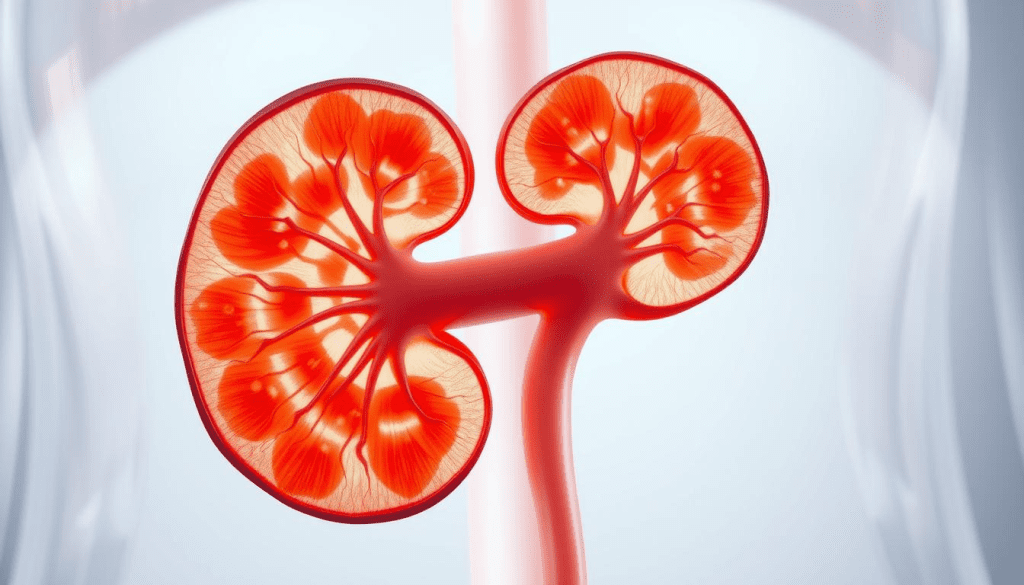
New urine testing tech has made finding kidney disease better and earlier. This lets doctors treat it sooner, stopping it from getting worse.
Key Takeaways
- Urine tests can detect kidney disease by identifying signs such as proteinuria and hematuria.
- Early detection of kidney disease is key to stopping it from getting worse.
- A urine test includes a visual exam, a dipstick test, and a microscopic exam.
- New urine testing tech has made finding kidney disease more accurate and accessible.
- Early treatment can stop kidney disease from getting worse.
The Science Behind How Urine Reveals Kidney Health
The kidneys play a key role in filtering waste into urine. They remove waste and excess fluids from the blood, which then become part of the urine. This process is vital for our overall health.
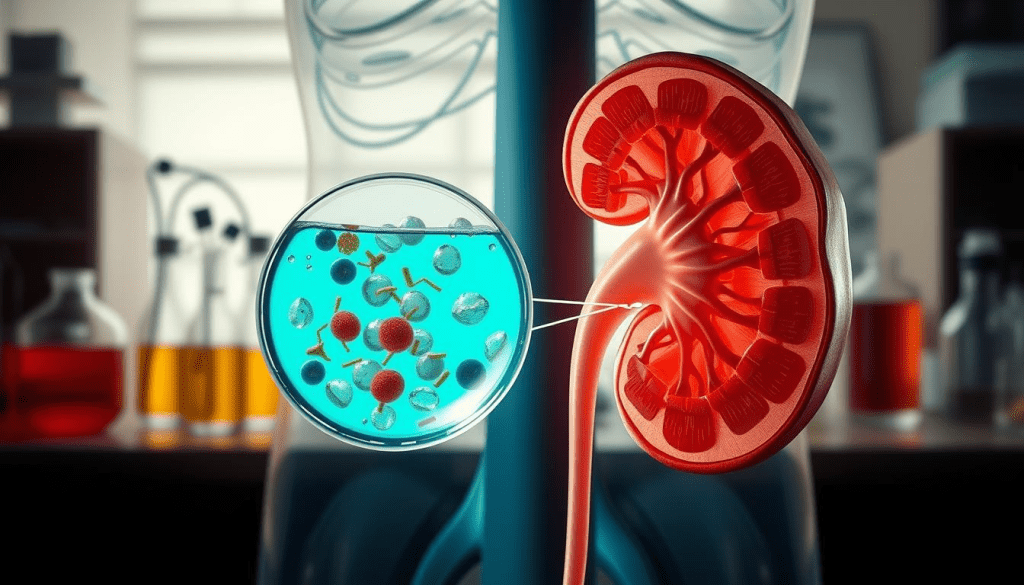
How healthy kidneys filter waste into urine
Healthy kidneys work like a top-notch filter system. They process about 200 liters of blood every day, removing waste and excess substances. This ensures our body stays balanced in fluids and electrolytes.
The kidneys have tiny filters called nephrons. Each nephron filters waste and excess fluids into the urine. It keeps important nutrients and proteins in the blood. When kidneys work right, urine doesn’t have proteins or other needed substances.
What changes in urine composition indicate kidney dysfunction
Changes in urine composition can show kidney problems. If kidneys don’t filter waste well, or let proteins leak into urine, it’s a sign of trouble. For example, finding protein in urine, or proteinuria, means kidney damage.
Other signs of kidney issues include blood cells, abnormal chemicals, or urine concentration changes. These signs mean kidneys might not be working right. They could point to kidney disease or other problems.
5 Critical Markers in Urine That Signal Kidney Disease
Urinalysis can find five key markers for kidney disease. These markers show kidney damage or disease early, even before symptoms appear. Let’s dive into these markers to see why they’re so important for kidney health.
Proteinuria: When proteins leak into your urine
Proteinuria happens when proteins, like albumin, leak into urine because of damaged kidney filters. Normally, kidneys keep proteins out of urine. But, when they’re damaged, proteins can leak in, showing kidney disease. Finding proteinuria early helps manage kidney disease better.
“The presence of excess protein in the urine is a clear indicator of kidney damage,” says a leading nephrologist. “It’s a sign that the kidneys are not functioning properly.”
Hematuria: The significance of blood cells in urine
Hematuria is when blood cells show up in urine. Sometimes, it’s just a minor issue, but often, it means kidney disease or other urinary problems. Hematuria’s importance lies in its ability to signal serious conditions.
A simple urine test can spot hematuria. Then, more tests can find out why it’s happening. It’s key to find the cause to treat it right.
image is to be replaced’
Albumin-to-creatinine ratio: The early warning system
The albumin-to-creatinine ratio (ACR) is a key test. It measures albumin in urine compared to creatinine. This ratio is a good early warning for kidney disease because it catches microalbuminuria, an early sign of damage.
An elevated ACR means small amounts of albumin are leaking into urine, often a sign of kidney disease early on. Early detection through ACR testing allows for timely intervention, which can slow kidney disease’s progress.
By knowing about proteinuria, hematuria, and the albumin-to-creatinine ratio, we see how vital urine tests are for diagnosing and managing kidney disease.
Types of Urine Tests That Detect Kidney Problems
Understanding kidney health starts with urine tests. These tests are key in finding kidney disease early. We use different urine tests to check how well the kidneys are working.
Standard Urinalysis: The First-Line Screening Tool
A standard urinalysis is the first step in checking kidney health. It looks at the urine’s color, clarity, and how concentrated it is. It can spot problems like proteinuria (too much protein) and hematuria (blood in urine), signs of kidney trouble.
This test is easy and doesn’t hurt. It gives quick results, which is why it’s so useful at the start. But, it might miss early or mild kidney damage.
Microalbuminuria Tests: Catching the Earliest Signs
Microalbuminuria tests find small amounts of albumin (a protein) in the urine. This is an early sign of kidney damage. It’s great for spotting diabetic nephropathy early. Unlike the standard test, it can find kidney problems before symptoms show up.
Being able to find kidney disease early is why microalbuminuria tests are so important. They help manage and slow down kidney disease.
24-Hour Urine Collection: A Detailed Look at Kidney Function
A 24-hour urine collection tests all urine over 24 hours. It gives a full picture of kidney function by measuring waste products like creatinine and urea.
This test is detailed and shows how well the kidneys are working. It’s great for keeping an eye on patients with kidney disease or for diagnosing kidney function problems.
How Accurate Is Your Urine Test for Kidney Disease?
It’s important to know how accurate urine tests are for diagnosing kidney disease. These tests help find kidney problems early. But, their accuracy can change based on different factors.
Understanding Sensitivity and Specificity Rates
The accuracy of urine tests is measured by sensitivity and specificity. Sensitivity shows how well the test finds people with kidney disease. Specificity shows how well it finds people without the disease.
Studies show urine tests for kidney disease have sensitivity rates from 74% to 90%. Specificity rates range from 77% to 88%. For example, aurine test that finds protein in urine is key in early diagnosis.
Let’s look at what these numbers mean. A test with 80% sensitivity correctly diagnoses 80 out of 100 people with kidney disease. But, it misses 20. A test with 85% specificity correctly clears 85 out of 100 people without kidney disease. But, it falsely diagnoses 15.
Why Combining Tests Improves Detection
Using urine tests with other tools can greatly improve detection and reduce false positives. Research shows combining tests can increase detection by up to 16%. It can also cut false positives by 24%.
For instance, using a standard urinalysis with a microalbuminuria test can spot kidney disease early. The microalbuminuria test finds small amounts of albumin in urine, an early sign of kidney damage. Together, these tests help doctors make accurate diagnoses and plan effective treatments.
We know urine test accuracy is just part of diagnosing kidney disease. By using these tests with other tools and considering each patient’s needs, we can better detect and treat kidney disease.
Breakthrough Technologies Making Urine Testing More Accessible
The world of kidney disease detection is changing fast. New urine testing technologies are making it easier to find and manage kidney disease. Now, you can do tests at home, changing how we handle kidney disease.
Highly Sensitive Home Tests
Smartphone-enabled home tests are a big deal. They can spot kidney disease with 96.4% sensitivity and 84.2% specificity. This means they’re very good at finding the problem early. These tests use your phone to make checking your kidneys easy and convenient.
Test strips for urine have gotten better too. They give accurate results. This is great for people at risk of kidney disease. It lets them check their kidneys often and catch problems early.
The Minuteful Kidney Test: A Lab-Quality Solution
The Minuteful Kidney Test is another big step forward. It brings lab-quality results right to your home. This test is very accurate, making it easy to keep an eye on your kidney health. It shows how far urinalysis test tech has come.
These new technologies are changing how we find kidney disease. They let people take charge of their health. Knowing what a ua test is for helps people see why checking their kidneys is important.
As urine testing tech keeps getting better, finding kidney disease will get easier and more accurate. Tests like the Minuteful Kidney Test make it simple and reliable to check for kidney disease.
When to Test Your Urine for Kidney Function
It’s important to know when to test your urine for kidney function. This helps catch kidney disease early. People with certain risk factors or symptoms should get regular kidney function testing to keep an eye on their kidneys.
High-Risk Groups Who Need Regular Screening
Some people are more likely to get kidney disease. They should get urine tests often. These high-risk groups include:
- Individuals with diabetes
- Those with high blood pressure
- People with a family history of kidney disease
- Older adults
For these groups, regular urinalysis can spot kidney problems early. This means they can get help right away.
Warning Symptoms That Shouldn’t Be Ignored
Some symptoms might mean you have kidney problems. You should see a doctor and get a urine test if you notice these signs. These include:
- Changes in urine output or color
- Swelling in legs, ankles, or feet
- Fatigue or weakness
- Shortness of breath
If you’re feeling any of these symptoms, talk to your doctor. They can help you get a urine test.
Recommended Testing Frequency Based on Risk Factors
How often you need kidney function testing depends on your health and risk factors. Here’s what we suggest:
- Annual testing for those with diabetes or high blood pressure
- Biennial testing for people with a family history of kidney disease
- More often for those with a history of kidney disease or other risks
Talk to your doctor to figure out the best testing frequency for you.
Conclusion: Why Urine Testing Is Vital for Early Kidney Disease Detection
Urine testing is key in catching kidney disease early. This allows for quick action and better results. It helps us understand the science behind urine tests and spot important signs of kidney disease.
New urine testing tech, like smartphone tests and the Minuteful Kidney Test, makes it easy to check kidney health. Regular tests can find kidney disease early, which is very important for people at high risk.
We stress how vital urine testing is for spotting kidney disease. We urge everyone to take steps to keep their kidneys healthy. By using what we learn from urine tests, we can find and prevent kidney disease early. This can greatly improve the lives of those affected.
FAQ
What is a urine test for kidney disease?
A urine test for kidney disease checks your urine for signs of kidney problems. It looks for proteins, blood, and other changes in your urine. These signs can show if your kidneys are not working right.
What does a urinalysis test for?
A urinalysis test looks for proteins, blood cells, and other substances in your urine. It helps check your kidney health and find any kidney issues.
How accurate are urine tests for detecting kidney disease?
Urine tests can spot kidney disease with 74-90% accuracy. But, combining them with other tests can improve accuracy by 16%. It also cuts down on false positives by 24%.
What is the albumin-to-creatinine ratio, and why is it important?
The albumin-to-creatinine ratio checks the amount of albumin in your urine compared to creatinine. It’s a key early sign of kidney disease. It can find microalbuminuria, where small amounts of albumin leak into your urine.
Can I do a urine test at home for kidney disease?
Yes, you can use smartphone-enabled home tests like the Minuteful Kidney Test. They can detect kidney disease with 96.4% sensitivity and 84.2% specificity. These tests make it easy and convenient to check your kidneys at home.
Who should undergo regular urine testing for kidney disease?
People with diabetes, high blood pressure, or a family history of kidney disease should get tested regularly. If you notice changes in urination or swelling, see your doctor for a test.
How often should I get my urine tested for kidney function?
How often you should get tested depends on your risk factors. If you’re at high risk or notice symptoms, test more often. Talk to your doctor to find out the best schedule for you.
What is the difference between a standard urinalysis and a 24-hour urine collection?
A standard urinalysis is a quick test for a single urine sample. It’s a first step to check for kidney problems. A 24-hour urine collection, on the other hand, measures substances in your urine over 24 hours. It gives a more detailed look at your kidney function.
References
- Currin, S. D., et al. (2021). Diagnostic accuracy of semiquantitative point-of-care urine albumin-to-creatinine ratio testing. BMC Nephrology.https://bmcnephrol.biomedcentral.com/articles/10.1186/s12882-021-02290-5
- Hodel, N. C., et al. (2024). Methods for Diagnosing Proteinuria ” When to Use Which. American Journal of Kidney Diseases.https://www.ajkd.org/article/S0272-6386%2824%2901124-7/fulltext
- Keshvari-Shad, F., et al. (2020). A systematic review of screening tests for chronic kidney disease.https://pmc.ncbi.nlm.nih.gov/articles/PMC8344133/