

When dealing with urological issues, especially those related to cancer, understanding the difference between a urologist and a uro oncologist is crucial.
Uro oncology vs urology? One treats cancer, one stones. Get best doctor info. The right expert is vital for managing dangerous diseases safely.
A urologist is a medical doctor who specializes in the diagnosis, treatment, and surgery of disorders related to the urinary tract in both men and women, and the male reproductive system.
In contrast, a uro oncologist focuses on the diagnosis and treatment of cancers related to the urinary tract and male reproductive system, making them a specialist in uro oncology.
Key Takeaways
- A urologist treats a wide range of urinary tract and male reproductive system disorders.
- A uro oncologist specializes in the treatment of cancers related to these systems.
- Understanding the difference between the two specialists is crucial for effective treatment.
- Patients should consult a urologist for initial diagnosis and treatment.
- If cancer is diagnosed, a uro oncologist may be involved in the treatment plan.
- Both specialists play critical roles in managing urological health.
Understanding Urology
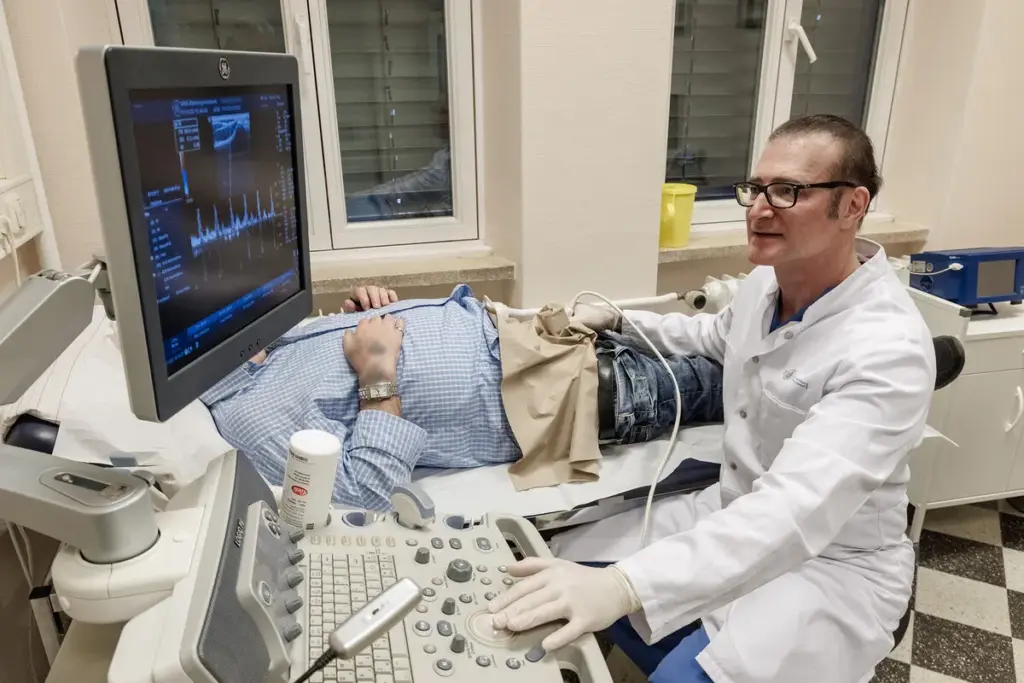
Urology is a medical specialty that deals with the diagnosis, treatment, and management of disorders related to the urinary tract and male reproductive system. This branch of medicine is crucial for addressing a wide range of health issues that affect both men and women, though some conditions are more prevalent in men due to the complexity of the male reproductive system.
What Does a Urologist Do?
A urologist is a healthcare professional trained to diagnose and treat conditions affecting the urinary tract in both men and women, and the male reproductive system. Their responsibilities include performing surgeries, prescribing medications, and recommending lifestyle changes to manage conditions such as urinary incontinence, kidney stones, and prostate issues.
Common Conditions Treated
Urologists treat a variety of conditions, including but not limited to:
- Urinary Tract Infections (UTIs)
- Kidney Stones
- Prostate Issues (e.g., Benign Prostatic Hyperplasia, Prostate Cancer)
- Male Infertility
- Erectile Dysfunction
Importance of Urological Health
Maintaining good urological health is vital for overall well-being. Urological conditions can significantly impact quality of life, causing discomfort, pain, and potentially leading to more severe health complications if left untreated.
|
Condition |
Symptoms |
Typical Treatments |
|---|---|---|
|
Urinary Tract Infection (UTI) |
Burning sensation while urinating, frequent urination |
Antibiotics, increased fluid intake |
|
Kidney Stones |
Severe pain in the side or back, nausea, vomiting |
Pain management, hydration, surgical removal |
|
Benign Prostatic Hyperplasia (BPH) |
Difficulty urinating, weak urine flow |
Medications, lifestyle changes, surgery |
Introduction to Uro Oncology
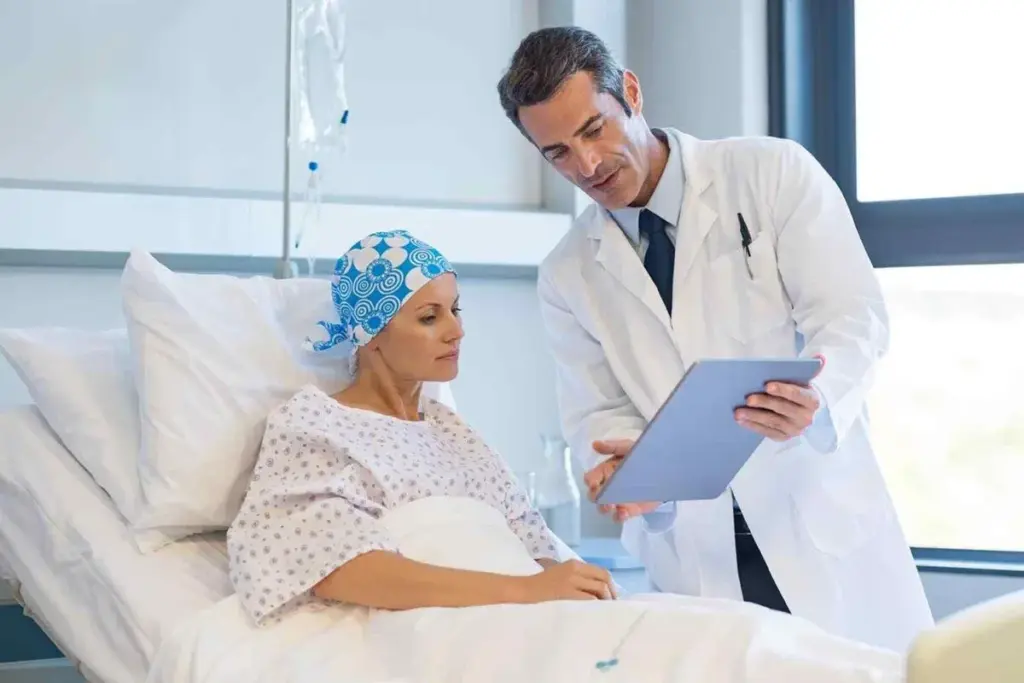
Uro oncology, a subspecialty of urology, is dedicated to managing cancers that impact the urinary tract and male reproductive organs. This field is crucial for providing specialized care to patients dealing with various urological cancers.
What is Uro Oncology?
Uro oncology focuses on the diagnosis, treatment, and management of cancers affecting the urinary system and male reproductive organs. This includes cancers of the bladder, kidneys, prostate, and testicles. Uro oncologists are trained to handle these complex cases, offering a range of treatment options from surgery to chemotherapy and immunotherapy.
The field of uro oncology is rapidly evolving, with ongoing research into new treatments and therapies. Uro oncologists work closely with other healthcare professionals to provide comprehensive care, ensuring that patients receive the most appropriate treatment for their specific condition.
Key Responsibilities of a Uro Oncologist
A uro oncologist’s primary role is to diagnose and treat cancers of the urinary tract and male reproductive system. Their responsibilities include:
- Conducting diagnostic tests to identify the presence and stage of cancer
- Developing personalized treatment plans, which may include surgery, radiation therapy, chemotherapy, or a combination of these
- Collaborating with other healthcare professionals, such as radiologists and pathologists, to ensure comprehensive care
- Providing follow-up care to monitor for recurrence and manage any side effects of treatment
Uro oncologists play a vital role in the multidisciplinary approach to cancer care. They work with urologists, medical oncologists, radiation oncologists, and other specialists to provide the best possible outcomes for patients.
|
Aspect |
Urologist |
Uro Oncologist |
|---|---|---|
|
Primary Focus |
General urological health and conditions |
Cancers of the urinary tract and male reproductive organs |
|
Training |
General urology training |
Specialized training in oncology and urological cancers |
|
Treatment Options |
Surgery, medication for non-cancerous conditions |
Surgery, chemotherapy, immunotherapy, radiation therapy for cancers |
In conclusion, uro oncology is a critical subspecialty that addresses the complex needs of patients with urological cancers. Understanding the role of a uro oncologist and their key responsibilities can help patients navigate their care options more effectively.
Education and Training Paths
The journey to specializing in urology or uro oncology involves a comprehensive educational foundation and extensive clinical training. Both fields require dedication and a strong educational background to provide high-quality patient care.
Urologist Educational Background
To become a urologist, one must first complete a bachelor’s degree, typically in a science-related field, followed by four years of medical school to earn an M.D. or D.O. degree. After medical school, aspiring urologists must complete a urology residency program, which can last from five to seven years.
This residency provides hands-on experience in diagnosing and treating urological conditions, preparing them for the challenges of their future practice.
Uro Oncologist Specialized Training
Uro oncologists start with the same foundational education as urologists, including a bachelor’s degree and medical school. After completing their urology residency, they undergo additional specialized training in oncology through fellowship programs.
These programs focus on the diagnosis, treatment, and management of urologic cancers, equipping uro oncologists with the expertise needed to provide advanced care.
|
Educational/Training Step |
Urologist |
Uro Oncologist |
|---|---|---|
|
Bachelor’s Degree |
Typically 4 years, science-related field |
Typically 4 years, science-related field |
|
Medical School |
4 years, M.D. or D.O. |
4 years, M.D. or D.O. |
|
Residency Program |
5-7 years, Urology Residency |
5-7 years, Urology Residency |
|
Fellowship Program |
Not required |
Additional 1-2 years, Uro Oncology Fellowship |
The educational pathways for urologists and uro oncologists are rigorous and demanding. While both start with a strong foundation in medical education, uro oncologists pursue additional specialized training to excel in the treatment of urologic cancers.
Diagnostic Procedures in Urology
Accurate diagnosis is the cornerstone of effective treatment in urology, involving various diagnostic procedures. Urologists and uro oncologists rely on a range of tests to identify and manage conditions affecting the urinary system.
Tests Used by Urologists
Urologists commonly use urine analysis, imaging studies, and biopsies to diagnose urinary tract disorders. Urine analysis involves examining a urine sample for signs of infection, blood, or other abnormalities. Imaging studies, such as ultrasound and CT scans, help visualize the urinary tract and detect structural issues.
- Urine culture to identify infections
- Ultrasound to visualize kidneys and bladder
- Cystoscopy to examine the inside of the bladder
These diagnostic tests enable urologists to diagnose conditions such as kidney stones, urinary tract infections, and bladder issues.
Advanced Diagnostic Tools in Uro Oncology
Uro oncologists employ more specialized diagnostic tools to detect and stage cancers. Multiparametric MRI is used to evaluate the prostate and detect cancer. Biomarker tests help identify specific genetic changes associated with certain types of cancer.
|
Diagnostic Tool |
Application |
|---|---|
|
Multiparametric MRI |
Prostate cancer detection and staging |
|
Biomarker tests |
Identifying genetic changes in cancer cells |
|
PSMA PET scans |
Detecting prostate cancer metastasis |
Ferring Pharmaceuticals, a leading uro company, develops innovative treatments for urological conditions, including certain types of cancer. Their products reflect the advancements in uro oncology and the importance of precise diagnosis.
The use of advanced diagnostic tools in uro oncology has significantly improved the detection and treatment of urological cancers. By leveraging these technologies, healthcare providers can offer more targeted and effective care.
Treatment Options in Urology
The field of urology encompasses a broad spectrum of treatment modalities, including both surgical and non-surgical interventions. Urologists and uro oncologists work together to provide comprehensive care for patients with urological conditions, including cancers. The choice of treatment depends on the specific diagnosis, the stage of the disease, and the patient’s overall health.
Surgical Interventions by Urologists
Urologists are trained surgeons who perform a variety of surgical procedures to treat urological conditions. Some common surgical interventions include:
- Vasectomy for male sterilization
- Surgery for kidney stones, such as lithotripsy or ureteroscopy
- Removal of tumors or cysts from the urinary tract
- Repair of congenital abnormalities
According to a study published in a Journal, surgical interventions can significantly improve outcomes for patients with certain urological conditions. For instance, a vasectomy is a highly effective form of male birth control, with a failure rate of less than 1%.
|
Surgical Procedure |
Condition Treated |
Success Rate |
|---|---|---|
|
Vasectomy |
Male sterilization |
>99% |
|
Lithotripsy |
Kidney stones |
70-90% |
|
Ureteroscopy |
Kidney stones |
80-95% |
Non-Surgical Approaches in Uro Oncology
Uro oncologists often employ non-surgical treatments for urological cancers. These may include:
- Chemotherapy to target cancer cells
- Radiation therapy to destroy cancerous tissues
- Immunotherapy to boost the body’s immune response against cancer
- Hormone therapy to slow the growth of hormone-sensitive tumors
“The development of targeted therapies has revolutionized the treatment of urological cancers, offering new hope for patients with advanced disease.”
An Uro Oncologist
Non-surgical approaches can be used alone or in combination with surgical interventions. The choice of treatment depends on the type and stage of cancer, as well as the patient’s overall health and preferences.
Typical Patient Journey
Urologists are the first point of contact for patients experiencing urological issues, providing an initial assessment and diagnosis. The patient journey typically begins with a visit to a urologist, who evaluates symptoms and determines the appropriate course of action.
Initial Consultation with a Urologist
During the initial consultation, the urologist will assess the patient’s symptoms, medical history, and perform a physical examination. This comprehensive evaluation helps in identifying the underlying cause of the symptoms. The urologist may also order diagnostic tests such as urine analysis, imaging studies, or biopsies to aid in diagnosis.
For instance, if a patient is experiencing symptoms like hematuria (blood in the urine) or urinary retention, the urologist will investigate these symptoms through the necessary diagnostic procedures. The goal is to determine whether the issue is related to a benign condition or something more serious like cancer.
Referral Process to a Uro Oncologist
If the diagnostic tests reveal or suggest cancer, the urologist will refer the patient to a uro oncologist for further evaluation and treatment. The uro oncologist specializes in the management of urological cancers, including cancers of the bladder, kidney, prostate, and testicles.
The referral process is crucial as it ensures that the patient receives specialized care tailored to their specific needs. The uro oncologist will develop a treatment plan, which may include surgery, chemotherapy, radiation therapy, or a combination of these. The plan is designed to address the cancer effectively while considering the patient’s overall health and well-being.
Effective communication between the urologist and the uro oncologist is vital to ensure continuity of care. This collaboration helps in providing the patient with comprehensive treatment, from the initial diagnosis through to the treatment and follow-up care.
Collaboration in Cancer Care
Urologists and uro oncologists work together as part of a multidisciplinary team to provide optimal care for patients with urological malignancies. This collaborative approach ensures that patients receive comprehensive treatment plans tailored to their specific needs.
Urologist and Uro Oncologist Teamwork
The synergy between urologists and uro oncologists is vital in managing urological cancers. Urologists are often the first point of contact for patients with urological symptoms, and they play a crucial role in diagnosing and treating conditions that may lead to cancer. Uro oncologists, with their specialized training in cancer treatment, work closely with urologists to develop effective treatment strategies.
For instance, pharmaceutical companies like Ferring Pharmaceuticals offer a range of products that support the treatment of urological cancers. Their innovative therapies can be part of the comprehensive care plan developed by the multidisciplinary team.
Key aspects of their teamwork include:
- Shared patient care: Urologists and uro oncologists collaborate to monitor patient progress and adjust treatment plans as necessary.
- Comprehensive treatment planning: The team develops a holistic approach to patient care, incorporating surgical, medical, and radiation oncology expertise.
- Staying updated with the latest advancements: The team remains informed about new treatments and technologies, such as those developed by urology companies, to offer the best possible care.
Multidisciplinary Approaches
A multidisciplinary approach is essential in cancer care, involving not just urologists and uro oncologists, but also oncologists, radiologists, pathologists, and other healthcare professionals. This team works together to provide comprehensive care, addressing all aspects of a patient’s condition.
Some of the benefits of a multidisciplinary approach include:
- Improved patient outcomes through coordinated care.
- Enhanced communication among healthcare providers, ensuring that all team members are informed and aligned.
- Access to a broader range of treatment options, including clinical trials and innovative therapies supported by companies like our company and other urology companies.
By working together, these healthcare professionals can provide patients with the most effective and personalized care possible, improving outcomes and quality of life.
When to See a Uro Oncologist
Recognizing the signs that necessitate a visit to a uro oncologist can significantly impact treatment outcomes. Urological cancers, such as bladder, kidney, or prostate cancer, often present with specific symptoms that should not be ignored.
Signs and Symptoms to Watch For
Several symptoms may indicate the need for a consultation with a uro oncologist. These include:
- Hematuria: Blood in the urine, whether visible to the naked eye or detected through tests, is a significant symptom.
- Unexplained Pain: Persistent pain in the pelvic area, lower back, or during urination could be indicative of an underlying issue.
- Changes in Urinary Habits: Difficulty urinating, frequent urination, or weak urine flow may signal a problem.
- Unusual Fatigue: Persistent tiredness or weakness without a clear cause can sometimes be related to cancer.
Importance of Early Detection
Early detection of urological cancers significantly improves treatment outcomes. When diagnosed at an early stage, cancers are more likely to be treated effectively, potentially reducing the need for aggressive treatments.
The role of a uro oncologist is crucial in this context. These specialists are equipped with the knowledge and skills to diagnose and treat urological cancers using the latest advancements in uro oncology.
By being aware of the signs and symptoms and seeking medical attention promptly, patients can benefit from early intervention, potentially improving their prognosis and quality of life.
Conclusion: Choosing the Right Specialist
Understanding the distinct roles of urologists and uro oncologists is crucial for patients dealing with urological conditions or cancers. By knowing when to see each specialist, patients can receive timely and appropriate care.
Key Considerations for Patients
Patients should consider their specific condition and the level of care required. For general urological issues, a urologist is the first point of contact. However, if cancer is suspected or diagnosed, a uro oncologist’s specialized care becomes essential.
Finding the Right Specialist
To find a qualified urologist or uro oncologist, patients can visit a uro website or consult directories like those found on usa urology or urology usa websites. These resources provide listings of specialists and their areas of expertise, helping patients make informed decisions about their care.
FAQ
What is the main difference between a urologist and a uro oncologist?
A urologist specializes in the diagnosis, treatment, and surgery of disorders related to the urinary tract and male reproductive system, while a uro oncologist focuses specifically on the diagnosis and treatment of cancers affecting these areas.
What are some common conditions treated by urologists?
Urologists treat a wide range of conditions, including kidney stones, urinary tract infections, prostate issues, and male infertility, among others.
What kind of training do uro oncologists receive?
Uro oncologists undergo additional specialized training in oncology after completing their urology residency, enabling them to handle complex cancer cases.
What diagnostic procedures are commonly used in urology?
Urologists use various diagnostic tests, including urine analysis, imaging studies, and biopsies, to diagnose urinary tract disorders and detect potential cancers.
How do uro oncologists contribute to cancer care?
Uro oncologists play a crucial role in the diagnosis, treatment, and management of urological cancers, often working as part of a multidisciplinary team to provide comprehensive care.
What are some signs and symptoms that may require a visit to a uro oncologist?
Symptoms such as hematuria (blood in the urine), unexplained pain, or changes in urinary habits may warrant further investigation by a uro oncologist.
How do urologists and uro oncologists collaborate in patient care?
Urologists and uro oncologists work together to provide comprehensive care to patients with urological cancers, often as part of a multidisciplinary team that includes oncologists, radiologists, and other healthcare professionals.
What are some treatment options available in uro oncology?
Treatment options in uro oncology may include chemotherapy, radiation therapy, immunotherapy, or surgery, depending on the type and stage of cancer.
Where can patients find qualified urologists or uro oncologists?
Patients can find qualified urologists or uro oncologists through referrals from their primary care physician, online directories, or professional organizations such as the American Urological Association or Ferring Pharmaceuticals’ resources.
What is the importance of early detection in urological cancers?
Early detection is crucial in improving outcomes for patients with urological cancers, as it allows for timely intervention and treatment.
Reference
National Center for Biotechnology Information. Evidence-Based Medical Insight. Retrieved from https://pmc.ncbi.nlm.nih.gov/articles/PMC2422954/