
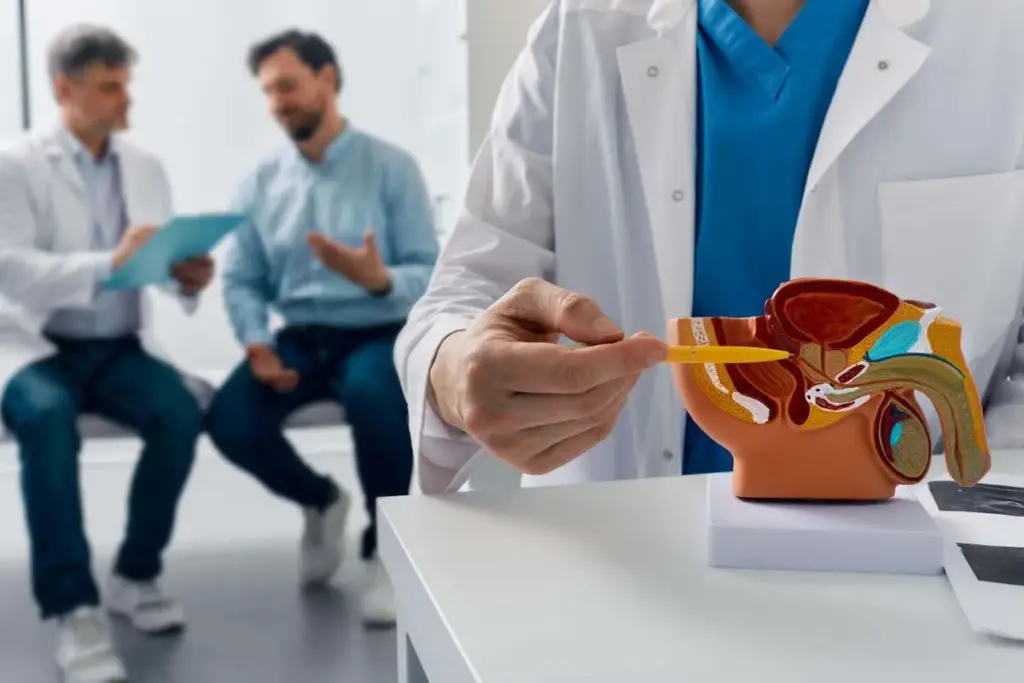
Did you know that 1 in 5 men will face urinary tract issues in their lifetime?
Urologists are key in men’s health. They diagnose and treat urinary and reproductive system problems. This includes issues like trouble urinating, pain while doing so, and erectile dysfunction.
Seeing a urologist is important for health, when symptoms show up. Knowing when to get specialized care helps men tackle health problems early.
Key Takeaways
- Men should see a urologist if they have urinary or reproductive health issues.
- Urologists handle a variety of conditions, from urination problems to erectile dysfunction.
- Getting urological care boosts men’s health and overall well-being.
- Early treatment can stop complications and lead to better results.
- A urologist offers personalized advice and support for men’s health.
Understanding the Role of a Urologist
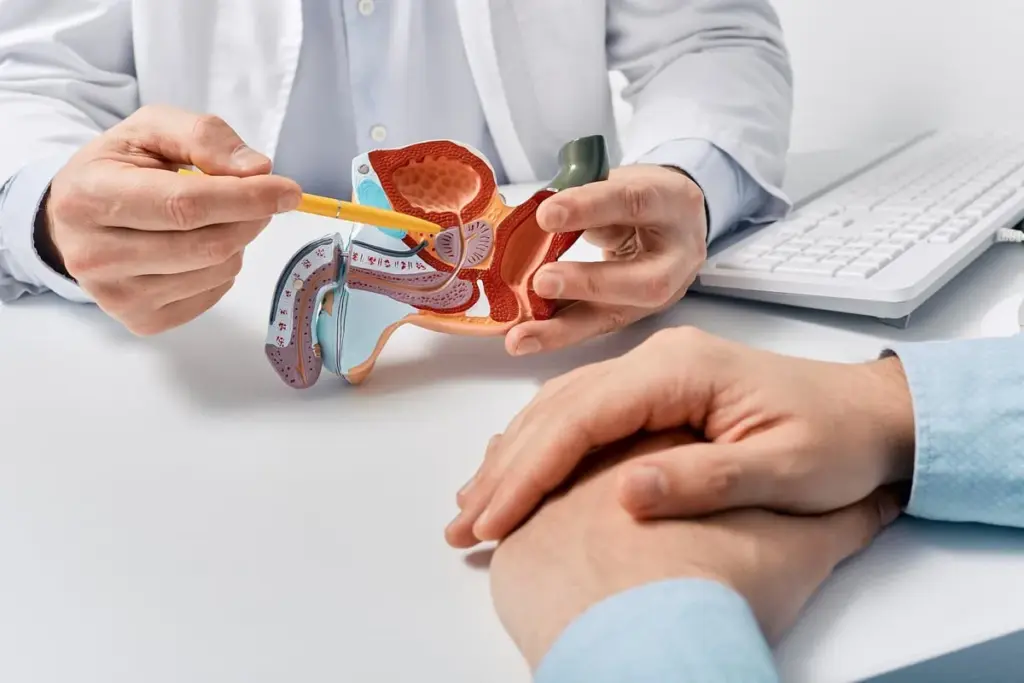
Urology is key in keeping men healthy. It deals with urinary and reproductive system issues. Urologists study, diagnose, and treat these problems.
What Is Urology?
Urology is a medical field that looks after the urinary and male reproductive systems. It covers organs like the kidneys, bladder, prostate, and genitals. Urologists are experts in diagnosing and treating these organs’ issues.
Common Conditions Treated by Urologists
Urologists handle many issues, like urinary infections, kidney stones, prostate problems, and erectile dysfunction. These problems can really affect a man’s life. So, getting the right treatment quickly is very important.
|
Condition |
Description |
Typical Treatment |
|---|---|---|
|
Urinary Tract Infections (UTIs) |
Infections occurring in any part of the urinary system |
Antibiotics, hydration |
|
Kidney Stones |
Hard deposits made of minerals and salts |
Hydration, pain management, surgery |
|
Prostate Issues |
Conditions such as prostatitis, BPH, and prostate cancer |
Medications, surgery, lifestyle changes |
|
Erectile Dysfunction |
Difficulty achieving or maintaining an erection |
Medications, lifestyle changes, counseling |
Knowing what a urologist does and what they treat is important. It helps men get the care they need. This improves their health and happiness.
Signs That You Should See an Urologist

Knowing when to see a urologist is key to treating urological issues. Some symptoms point to serious problems that need a specialist. Here are the main signs that a man should see a urologist.
Frequent Urination
Frequent urination can mean many things. If you pee more than usual, or at night, it might be a sign of a problem. Issues like urinary tract infections, diabetes, or an enlarged prostate can cause this. If you pee a lot, seeing a urologist is a good idea.
Blood in Urine
Blood in your urine, or hematuria, is a big warning sign. It could mean kidney stones, infections, or even cancer. If you see blood, seeing a urologist is important to find out why and how to treat it.
Severe Pain
Severe pain in your pelvic area, lower back, or while peeing is a red flag. Kidney stones, infections, or prostatitis can cause this pain. If the pain is bad or lasts a long time, a urologist can help figure out what’s wrong and how to fix it.
Spotting these signs early and getting medical help is key to managing urological issues. Men should prioritize their health and consult a urologist immediately if they observe any of these symptoms.
Age and Urologic Health
Urologic health changes a lot with age. As men get older, they face more health risks. It’s key to know the importance of regular check-ups and age-specific concerns.
Importance of Regular Check-Ups
Regular urological check-ups are vital for health. They help catch problems early, when they’re easier to treat. For example, prostate health is a big worry for men over 50. Regular visits can spot issues before symptoms show up.
At a check-up, we look at your urologic health, talk about any symptoms, and do needed tests. This way, we can tackle problems fast and help keep your health in top shape.
Age-Specific Concerns
Younger men worry about testicular cancer and infertility. In their 40s and 50s, erectile dysfunction and prostate issues become more common. Older men often deal with benign prostatic hyperplasia (BPH) and its symptoms.
Knowing these age-related issues helps us tailor care for each patient. We focus on the specific needs of each life stage. This way, we can help men stay healthy throughout their lives.
Male-Specific Conditions
Men’s health is very important. Conditions like prostate health and erectile dysfunction need special care from urologists. As men get older, these issues become more common. So, it’s key to see a urologist regularly.
Prostate Health
Prostate health is a big worry for men, mainly as they get older. The prostate gland is key to the male reproductive system. Problems like prostate enlargement or prostate cancer can really affect a man’s life. The American Cancer Society says prostate cancer is a top cancer in men, showing how important screenings are.
“Early detection is key to effectively managing prostate health issues.”
— American Urological Association
Seeing a urologist often can catch prostate problems early. This helps in treating them better.
Erectile Dysfunction
Erectile dysfunction (ED) is a common issue for men. It can be due to health problems, lifestyle, or mental issues. A urologist can find out why and suggest treatments.
Talking about erectile dysfunction can be hard. But, it’s a big part of men’s health. Our urologists offer caring and effective help for men with ED.
Sexual Health and Urology
Urology and sexual health are closely linked. Urologic problems often affect a man’s sex life. Urologists are experts in treating these issues, improving a man’s overall well-being.
Impact of Urologic Issues on Sexual Function
Urologic problems can harm a man’s sex life. Issues like erectile dysfunction (ED), premature ejaculation, and low testosterone are common. These can be caused by diseases like diabetes and hormonal imbalances.
For example, ED might signal heart disease. Diabetes and obesity can also hurt sex life by damaging blood vessels and nerves needed for erections.
Treatment Options
There are many ways to treat sexual dysfunction caused by urologic problems. Treatments include medications, lifestyle changes, and sometimes surgery.
Medicines like phosphodiesterase type 5 inhibitors (PDE5 inhibitors) are often used for ED. Making healthy lifestyle choices, like eating right and exercising, can also help.
|
Treatment Type |
Description |
Example |
|---|---|---|
|
Medications |
Oral drugs that help improve erectile function |
PDE5 inhibitors (e.g., sildenafil) |
|
Lifestyle Changes |
Modifications to daily habits to improve overall health |
Dietary changes, increased physical activity |
|
Surgical Interventions |
Procedures to address underlying causes of sexual dysfunction |
Penile implants, vascular surgery |
Understanding how urologic issues affect sex health is key. Men can improve their sex life by exploring treatment options. Urologists are vital in diagnosing and treating these problems, helping men live better lives.
Infertility and Urology
Many people think infertility is only a female issue, but it’s a big problem for men too. About 15% of couples worldwide face infertility, and in half of these cases, a man’s issue is the main problem.
Infertility can be very stressful, and it’s important to handle it with care. Urologists are key in finding and treating male infertility. They use many tests and treatments to help each person.
Diagnostic Approaches for Male Infertility
Figuring out male infertility starts with a detailed medical history and physical check-up. Semen analysis is a key test, looking at sperm count, movement, and shape. Hormone tests also check levels of important hormones for sperm making.
Other tests might be needed, like genetic screening or testicular biopsy, to find the cause. Our urologists help decide the best tests for each patient.
|
Diagnostic Test |
Purpose |
|---|---|
|
Semen Analysis |
Assesses sperm count, motility, and morphology |
|
Hormone Testing |
Evaluates levels of testosterone and other relevant hormones |
|
Genetic Screening |
Identifies genetic abnormalities that may affect fertility |
Treatment Options for Male Infertility
Treatment for male infertility varies based on the cause. Medications can help with hormonal issues or other problems. Making lifestyle changes, like eating better and quitting smoking, can also help.
“Advances in assisted reproductive technologies (ART) have significantly improved the chances of conception for men with infertility issues. Techniques such as in vitro fertilization (IVF) and intracytoplasmic sperm injection (ICSI) offer hope to many couples struggling with infertility.”
In some cases, surgery is needed to fix physical problems or to get sperm for ART. Our urologists work with fertility experts to give the best care for each patient.
- Medications to address hormonal imbalances
- Lifestyle changes to improve overall fertility
- Surgical interventions to correct anatomical issues or retrieve sperm
- Assisted reproductive technologies like IVF and ICSI
Impact of Lifestyle on Urological Health
A healthy lifestyle is key to good urological health. We’ll look at how diet, hydration, and exercise affect our health. As we get older, our lifestyle choices greatly impact our health. It’s vital to know what affects our well-being.
“A healthy lifestyle is not just about preventing disease; it’s about maintaining overall health and quality of life,” says a leading urologist. This shows how important it is to make smart lifestyle choices for our urological health.
Diet and Hydration
Eating a balanced diet with fruits, vegetables, and whole grains helps prevent urological issues. Foods like berries and leafy greens are great because they’re full of antioxidants. Drinking enough water is also key to keep toxins out and the urinary tract healthy.
Drink lots of water all day to stay hydrated. Try to cut down on caffeine and alcohol, as they can bother the bladder. Eating foods rich in omega-3 fatty acids, like salmon, can also help reduce inflammation and improve health.
- Eat a diet rich in fruits and vegetables
- Stay hydrated by drinking plenty of water
- Limit caffeine and alcohol consumption
Exercise and Its Benefits
Regular exercise is vital for urological health. It can help prevent issues like urinary incontinence and erectile dysfunction. Exercise also boosts heart health, which is linked to urological well-being.
Benefits of Regular Exercise:
- Improved bladder control
- Enhanced sexual function
- Better overall cardiovascular health
We suggest doing at least 30 minutes of moderate exercise daily. Good options include brisk walking, cycling, or swimming. Adding strength training helps keep muscles strong and improves physical function.
By eating well, staying hydrated, and exercising regularly, we can greatly improve our urological health. This shows that a complete approach is needed for good health.
Preventative Urological Care
Regular check-ups and screenings are key for catching urological problems early. Preventative urological care includes many practices and tests to keep men’s health in check. By knowing the value of these steps, men can stay healthy and active.
Importance of Screening Tests
Screening tests, like the prostate-specific antigen (PSA) test, are vital for early detection. Catching issues early means they can be treated better, lowering the risk of serious problems. For example, a PSA test can spot prostate issues, like cancer, early on.
Some important screening tests are:
- Prostate-Specific Antigen (PSA) Test
- Urinalysis
- Urodynamic Tests
These tests are essential for finding problems before symptoms show up. It’s smart to talk to your urologist about your risk and when to get tested.
What to Expect During Your Visit
Knowing what happens at a urology visit can make you feel more at ease. First, you’ll talk with your urologist about your health history and any symptoms.
Based on your situation, the urologist might do a physical check or suggest more tests. For instance, a digital rectal examination (DRE) is often used to examine the prostate.
“A thorough examination and discussion with your urologist will help determine the best course of action for your specific condition.”
— Expert Urologist
Questions to Ask Your Urologist
When you’re getting ready to see a urologist, it’s important to have the right questions ready. This makes sure you get the most out of your visit. It also helps you understand your health better and what treatments are available.
Preparing for Your First Appointment
Before you go, collect all your medical info. This includes your health history, what medicines you’re taking, and your symptoms. Being ready helps your urologist understand your situation better.
Make a list of your symptoms, like when they happen and what makes them better or worse. Also, remember any treatments or tests you’ve had before.
Key Topics to Discuss
At your appointment, talk about your symptoms, diagnosis, treatment options, and lifestyle changes. These are important topics to cover.
Some key questions to ask include:
- What is my diagnosis, and what are the possible causes?
- What treatment options are available, and which do you recommend?
- Are there any lifestyle changes I can make to improve my condition?
- What are the possible side effects of the recommended treatment?
To understand what to ask at different stages, we’ve made a table for you.
|
Stage of Care |
Key Questions to Ask |
|---|---|
|
Initial Consultation |
What are my symptoms? What tests are needed for diagnosis? |
|
Diagnosis |
What is my diagnosis? What are the possible causes? |
|
Treatment Options |
What are my treatment options? What are the possible side effects? |
|
Follow-Up Care |
How will my condition be monitored? Are there any lifestyle changes I should make? |
By being prepared and asking the right questions, you can make your visit productive. You’ll also be more involved in managing your urological health.
Finding the Right Urologist
Choosing the right urologist is key for your urological health. It might seem hard to find the right one, but with the right help, you can make a good choice.
Qualities to Consider
When picking a urologist, look at their credentials and specializations. Make sure they are board-certified and have experience with your condition. If you have specific needs, like cancer or pediatric care, find a specialist in that area.
Research and Referrals
To find a good urologist, check their credentials and read patient reviews. Ask your primary care doctor or friends for recommendations. It’s also important to see how they communicate and the feel of their office.
By looking at these things, you can find a urologist who will take good care of you. This ensures you have a positive experience and get the best treatment.
FAQ
What is a urologist, and what do they do?
A urologist is a doctor who deals with the urinary tract and male reproductive system. They diagnose, treat, and perform surgery for related disorders.
When should a man see a urologist?
A man should see a urologist if he has trouble urinating, pain while doing so, or erectile dysfunction.
What are some common conditions treated by urologists?
Urologists treat many conditions. These include urinary tract infections, kidney stones, prostate cancer, and erectile dysfunction.
What is the importance of regular check-ups with a urologist?
Regular check-ups are key for catching and treating urological issues early. This is even more important as men get older.
How do urologists diagnose male infertility?
Urologists use tests like semen analysis and hormone testing to find the cause of male infertility.
What lifestyle choices can impact urological health?
Healthy eating, drinking enough water, and exercising regularly can prevent and improve urological conditions.
What can I expect during a urology appointment?
At a urology appointment, you’ll talk about your symptoms, medical history, and any worries. You’ll also get to ask questions.
How do I prepare for a urology appointment?
Be ready to share your symptoms, medical history, and concerns. Also, don’t forget to ask important questions to your urologist.
What are some key questions to ask a urologist?
Ask about your diagnosis, treatment options, and how to improve your urological health. These are important questions.
How do I find and choose a urologist?
Look at a urologist’s credentials, experience, and specialties. Research to find the best urologist for your needs.
What is the role of a urologist in treating prostate health issues?
Urologists are key in diagnosing and treating prostate issues, including prostate cancer.
Can urologists help with erectile dysfunction?
Yes, urologists can treat erectile dysfunction. They offer medication, lifestyle changes, and surgery as options.
What is the impact of urologic issues on sexual health?
Urologic issues can greatly affect sexual health. Urologists can help through various treatments.
Reference
National Center for Biotechnology Information. Evidence-Based Medical Insight. Retrieved from https://pmc.ncbi.nlm.nih.gov/articles/PMC2777062/